
Selecting the right Tagalog Catholic Bible for daily prayer and reflection requires balancing translation readability, physical format, and doctrinal completeness. Because personal devotion is a deeply individual practice, the ideal edition depends on whether you prefer a literal translation for deep study or a thought-for-thought version for smooth, meditative reading. This guide outlines the essential criteria for evaluating translation styles, devotional features, and purchasing authenticity, helping you find an edition that truly supports your spiritual routine in the Philippines.
When searching for a reliable bibble book tagalog edition online or in local parish bookstores, the key is to look for official ecclesiastical approvals and a translation style that resonates with your daily prayer habits. The right Bible should not feel like a chore to read; instead, it should serve as a clear channel for reflection, prayer, and personal growth. By understanding the different translation philosophies and physical formats available, you can make an informed decision that enhances your daily quiet time.
Defining Your Devotional Needs and Translation Preferences
Before diving into specific editions, it is essential to clarify your primary goals for daily prayer and the translation style that best supports your spiritual reflection. Personal devotion is distinct from academic study or liturgical preparation. While a theology student might require a highly literal translation to analyze sentence structures and Greek root words, a devotional reader typically seeks a text that flows naturally and speaks directly to the heart.
Products mentioned in this guide
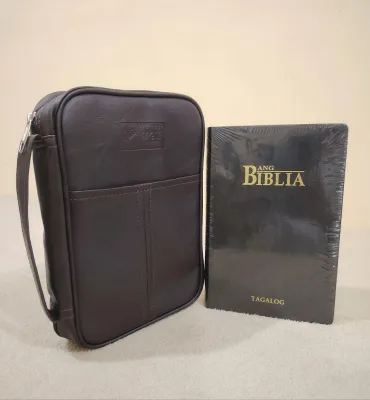
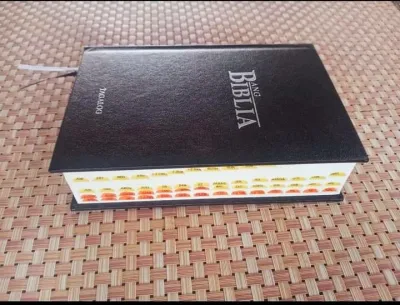
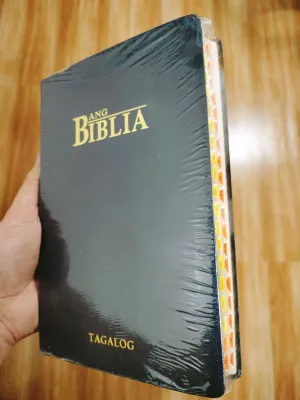
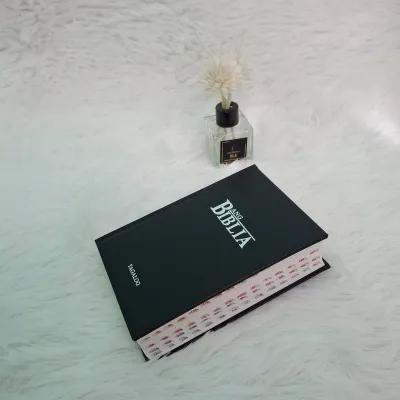
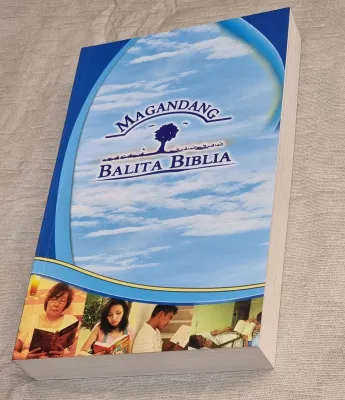
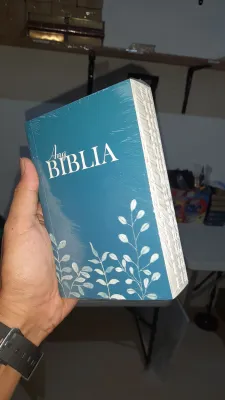
Prices are valid at publication and may change. Please refer to the product page for the latest price.
If your primary goal is devotional reflection, prioritize emotional and spiritual resonance. The language should be clear enough to read during early morning hours or after a long workday without causing mental fatigue. When a translation is too dense or uses archaic phrasing, you may find yourself spending more time deciphering the vocabulary than meditating on the spiritual message.
Consider your familiarity with traditional Tagalog religious terminology versus modern, conversational Tagalog. The Philippines has a rich history of Catholic literature, and older translations often employ classical Tagalog vocabulary. Words like talinhaga (parable), luwalhati (glory), and pagpapakasakit (suffering) carry a deep sense of solemnity and reverence. For many readers, especially those who grew up with traditional novenas and prayers, this classical style evokes a powerful sense of sacredness that aids in contemplation.
On the other hand, contemporary Tagalog translations use modern sentence structures and everyday vocabulary. This style is highly accessible, making it easier to grasp the narrative flow of the Gospels or the practical wisdom of the Epistles. If you are introducing daily scripture reading to younger family members, or if you simply prefer a more direct, intimate tone in your personal prayer, a modern translation can make the scriptures feel incredibly relevant to your daily life.
Your daily prayer habits should also guide your choice. If you practice Lectio Divina, a method of slow, meditative reading where you listen for a specific word or phrase from God, a smooth-flowing translation is highly beneficial. It allows you to remain in a prayerful state without being interrupted by awkward phrasing. If your routine involves extensive journaling, cross-referencing, and thematic study, you will benefit more from a translation that prioritizes structural accuracy and includes comprehensive footnotes.
Evaluating Tagalog Catholic Translation Approaches
When comparing Tagalog Catholic translations, you will generally encounter two primary translation philosophies: formal equivalence and dynamic equivalence. Neither approach is universally superior; rather, each serves a different purpose in a reader’s spiritual life. Understanding these approaches will help you evaluate which version aligns best with your personal reading preferences.

Formal equivalence, often referred to as a word-for-word translation, attempts to preserve the original Hebrew, Aramaic, and Greek grammatical structures and vocabulary as closely as possible. In Tagalog, this can result in longer, more complex sentences because the grammatical rules of biblical languages do not always map cleanly onto Austronesian language structures. While these translations are excellent for deep theological study and understanding the precise phrasing of the biblical authors, they can sometimes feel rigid or formal when read aloud during personal prayer.
Dynamic equivalence, or a thought-for-thought translation, focuses on conveying the original meaning of the text in natural, contemporary Tagalog idioms. The translators prioritize readability and comprehension, rearranging sentence structures so that they sound natural to a modern Tagalog speaker. This approach results in a highly readable text that flows smoothly, making it exceptionally well-suited for daily devotional reading, family prayers, and meditative contemplation.
Regardless of the translation philosophy you prefer, a Catholic Bible must carry official ecclesiastical approvals. Look for the terms Nihil Obstat and Imprimatur on the copyright page. The Nihil Obstat (meaning “nothing stands in the way”) is a declaration by an official church censor that the translation contains nothing contrary to Catholic faith or morals. The Imprimatur (meaning “let it be printed”) is the official authorization granted by a bishop, permitting the publication of the book. These approvals ensure that the translation is doctrinally sound and suitable for Catholic devotion.
To find the translation that resonates most with you, establish a practical framework for testing sample verses before making a purchase. A reliable method is to compare how different translations render a few familiar passages. For example, look up Psalm 23 (Ang Panginoon ang aking Pastol) or the Beatitudes in Matthew 5. Read these passages aloud in a quiet space and observe your reaction.
Pay attention to how the words flow. Does the translation feel natural to read, or do you find yourself stumbling over complex sentence structures? Does the vocabulary evoke a sense of prayerful reverence, or does it feel too casual? By testing a few key passages, you can quickly determine which translation style will best support your daily spiritual routine over the long term.
Selecting the Right Format and Devotional Features
Once you have identified your preferred translation style, the next step is to evaluate the physical format and supplementary features of the Bible. Because a devotional Bible is meant for daily use, its physical characteristics will significantly impact how easily you can integrate it into your daily routine.
Consider where and when you plan to do your daily readings. If you travel frequently, commute on public transit, or like to read during your lunch break at work, a compact or pocket-sized edition is highly practical. These lightweight Bibles fit easily into a bag or backpack, ensuring you always have the scriptures close at hand. However, the trade-off is smaller text, which can be difficult to read in low-light conditions or for extended periods.
If your devotions take place primarily at home, such as at a dedicated prayer altar or bedside table, a standard or large-print edition is generally a better choice. Large-print Bibles reduce eye strain and allow for a more relaxed, comfortable reading experience, which is especially helpful during early morning or late-night prayer sessions. While these editions are heavier and less portable, their readability makes them excellent anchors for a consistent home prayer routine.
Evaluate the practical value of integrated devotional features. Many Bibles include built-in daily reading plans, which guide you through the scriptures systematically over the course of a year. This is an excellent tool for building discipline and ensuring you engage with both the Old and New Testaments. Other helpful features include brief reflection notes, historical introductions to each book, and thematic indexes that help you find passages related to specific emotions or life situations, such as anxiety, gratitude, or grief.
For readers who enjoy active reflection, wide-margin Bibles are an excellent option. These editions provide extra blank space on the sides of each page, allowing you to write down personal prayers, insights, dates, or sermon notes directly next to the corresponding scripture verses. This practice transforms your Bible into a highly personalized spiritual journal that you can look back on in the future.
Do not overlook the durability of the materials, particularly given the tropical climate and high humidity of the Philippines. High humidity can cause thin, low-quality paper to warp, wrinkle, or yellow rapidly over time. Look for Bibles printed on high-opacity, acid-free Bible paper. High opacity is crucial because it prevents the text on the reverse side of the page from showing through (a phenomenon known as ghosting), which can make reading highly distracting.
The binding and cover materials are equally important for a book that will be handled daily. Smyth-sewn bindings are the gold standard for durability; they allow the Bible to lay completely flat when opened on a table, preventing the spine from cracking and keeping pages from falling out over years of use. For the cover, durable synthetic leather (often labeled as polyurethane or flexcover) offers excellent resistance to moisture, sweat, and daily wear, making it a highly practical choice for the local climate compared to standard paperbacks.
Verifying Authenticity and Purchasing Considerations
When purchasing a Tagalog Catholic Bible, ensuring the authenticity and completeness of the edition is paramount. Unlike Protestant Bibles, which contain 66 books, the Catholic biblical canon consists of 73 books. This difference is a critical point of verification when shopping for a new edition.
To verify completeness, always check the table of contents for the inclusion of the seven Deuterocanonical books in the Old Testament: Tobit, Judith, Wisdom (Karunungan), Sirach (Ecclesiastico), Baruch, and 1 and 2 Maccabees. In a proper Catholic edition, these books are integrated into the Old Testament in their historical and thematic order, rather than being omitted or placed in a separate appendix at the back of the book. These texts are essential for following the daily Mass readings and understanding Catholic theological traditions.
Next, inspect the copyright page carefully. A genuine Catholic edition will clearly list the publisher, the year of publication, and the names of the ecclesiastical authorities who granted the Nihil Obstat and Imprimatur. Be cautious of editions that lack these details or feature vague publishing information, as they may be unauthorized prints or translations that have not been vetted for doctrinal accuracy.
To ensure you are buying a genuine, high-quality edition, purchase from authorized religious bookstores, official parish shops, or reputable online book retailers. Many established Catholic publishing houses and diocesan book centers in the Philippines operate official online storefronts on major e-commerce platforms. Buying directly from these official channels guarantees that you receive an authorized, complete translation while supporting the local Church’s media ministries.
Avoid purchasing from unverified third-party sellers on general online marketplaces. These listings often feature low-quality bootlegs, unauthorized photocopies, or Protestant translations marketed incorrectly as Catholic editions. These counterfeit prints often suffer from poor binding, missing pages, and severe printing defects that can ruin your devotional experience.
Finally, always review the seller’s return and replacement policies before finalizing your purchase. When your Bible arrives, take a few minutes to inspect its physical condition. Flip through the pages to ensure there are no printing errors, such as blank pages, misaligned text, or upside-down sections. Check the binding to make sure it is secure and that the cover is free from damage. If you notice any defects, contact the seller immediately to arrange for a replacement, ensuring that your investment in your spiritual life is protected.
Frequently Asked Questions (FAQ)
Do I need a specific Tagalog translation for Catholic Mass readings?
While personal devotional Bibles can use any approved Catholic translation, they may not match the exact wording read from the ambo during Mass. The official liturgical readings in the Philippines follow a specific translation approved by the Catholic Bishops’ Conference of the Philippines (CBCP) for liturgical use. If your primary goal is to prepare for or follow along with the daily Mass readings exactly, it is best to check the official liturgical calendar or consult your local parish to see which translation is used in their lectionary. However, for personal prayer, reflection, and Lectio Divina, any translation with an Imprimatur is perfectly acceptable and highly beneficial.
How can I ensure a Tagalog Bible includes all Catholic books?
To quickly verify that a Tagalog Bible is a complete Catholic edition, open the table of contents and check the Old Testament. Ensure that the Deuterocanonical books are present and integrated. Specifically, look for the books of Tobit, Judith, Wisdom (Karunungan), Sirach (Ecclesiastico), Baruch (including the Letter of Jeremiah), and 1 and 2 Maccabees (Mabeo). If these books are missing, or if they are labeled as an optional appendix, the edition is not a complete Catholic Bible and will not contain all the readings used in the Catholic liturgical year.
Community discussion
Share your experience or ask a question. Comments are reviewed before publication.