
Selecting the right snare drum shoulder strap is one of the most important decisions a beginner percussionist can make when joining a school band, a local drum and lyre corps, or a community marching ensemble in the Philippines. A proper strap does far more than simply hold the instrument in place; it directly impacts your playing technique, physical endurance, and long-term spinal health. In a tropical climate characterized by high heat and humidity, choosing a strap that offers the right balance of breathability, secure attachment hardware, and robust adjustability is essential to prevent fatigue and protect your instrument from accidental damage. By focusing on key structural features and proper ergonomic adjustments, new drummers can practice comfortably and perform with confidence.
Core Features to Evaluate for Comfort and Durability
The physical design of a snare drum shoulder strap determines how well it distributes weight and how long it will last under regular use. For beginners, the shoulder pad is the most critical component for immediate comfort. A pad that is too thin or made from rigid material can quickly dig into the collarbone and shoulder muscles, causing pain and restricting movement during long rehearsals. Look for shoulder pads with a generous width of at least two to three inches to distribute the drum’s weight across a larger surface area. Materials like high-density foam or neoprene are highly recommended because they provide excellent shock absorption and conform naturally to the contours of your body. Additionally, because outdoor practices in the Philippines often take place in warm, humid conditions, prioritize shoulder pads featuring a breathable 3D mesh lining. This design promotes airflow, reduces sweat accumulation, and helps prevent the strap from slipping on damp clothing.
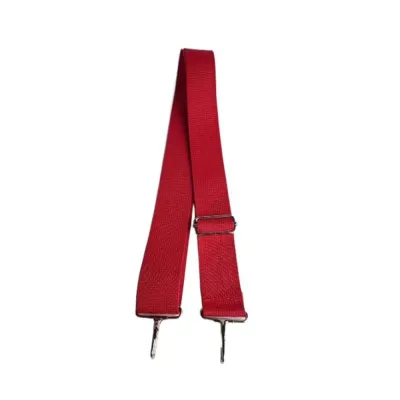
The connection hardware is another vital element that requires close inspection. Snare drum straps generally connect to the instrument using metal V-hooks, J-hooks, or heavy-duty snap clips. V-hooks are designed to slide securely under the drum’s tension rods or rim, providing a stable two-point connection that keeps the drum level. J-hooks offer a slightly different angle of attachment, often used with specialized multi-angle carrying bars. When evaluating these connectors, look for thick, solid metal construction with smooth edges that will not scratch the drum’s finish. Avoid thin, easily bendable wire hooks, as they can deform under the weight of a marching snare, risking a sudden drop. If the strap uses quick-release plastic buckles, ensure they are made from high-impact polymer that can withstand sudden tension changes without cracking.
Products mentioned in this guide
![[COD] SHPYHT SPORTS Nylon Snare Drum Belt With Metal Hook Portable Adjustable Marching African Waist Strap Performance Sling Carrier Accessory](https://img.lazcdn.com/g/p/f5fa0786b5a309dc797a829dc1730ad0.jpg_400x400q80.jpg_.webp)
![[COD] WHPHous Ship within 24 hours Nylon Snare Drum Belt With Metal Hook Portable Adjustable Marching African Waist Strap Performance Sling Carrier Accessory](https://img.lazcdn.com/g/p/4506c59627da4d0e4c565d525085532e.jpg_400x400q80.jpg_.webp)
Prices are valid at publication and may change. Please refer to the product page for the latest price.
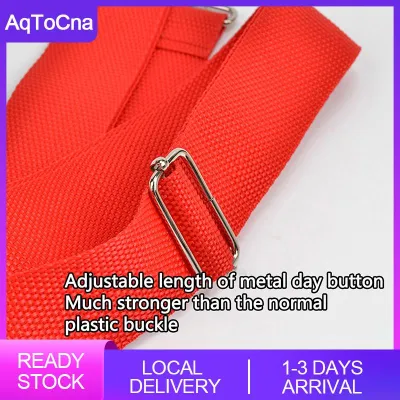
Adjustment mechanisms must be robust enough to lock securely into place and resist slipping while you walk or play. Look for straps equipped with thick metal sliders or heavy-duty plastic tri-glides. If the webbing slides too easily through the adjuster when you pull on it, the strap will likely sag during a performance, forcing you to constantly readjust your playing position. The adjustment range should be wide enough to accommodate your height and allow for changes in clothing, such as transitioning from a light cotton t-shirt during afternoon practice to a thicker, structured school band uniform for an evening parade. Double-strap configurations should feature independent adjustments on both sides, allowing you to fine-tune the balance and prevent the straps from riding up against your neck.
Matching the Strap to Your Drum Type and Playing Environment
Not all snare drums are built the same, and matching your strap to the specific weight and design of your instrument is crucial for safety and comfort. Traditional concert snare drums, which are commonly used in indoor school ensembles or seated orchestral settings, are relatively lightweight. For these instruments, a standard single-shoulder strap is often sufficient. Because concert playing involves minimal physical movement, a simple, well-padded diagonal strap provides adequate support without the need for complex rigging.

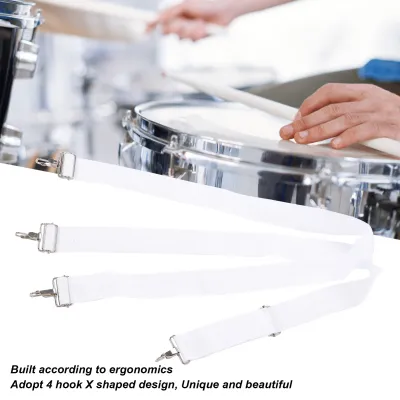
In contrast, marching snare drums are significantly heavier and deeper, featuring robust high-tension rims and heavy metal hardware designed to project sound outdoors. Carrying a marching snare requires a strap configuration that can handle substantial weight over extended periods. For these heavier drums, a double-shoulder strap or a cross-strap harness is highly recommended. Double-shoulder straps cross over your back in an “X” shape, distributing the drum’s weight evenly across both shoulders rather than concentrating the load on a single side. This even distribution is essential for young beginners whose muscles and bones are still developing, as it helps prevent long-term posture issues and muscle strain during lengthy street parades.
Before purchasing any strap, verify its maximum weight capacity against the actual weight of your drum. You can easily weigh your snare drum on a standard home scale. Ensure the strap you choose is rated to support a weight that comfortably exceeds your drum’s physical weight. This safety margin is necessary because the physical downward force exerted on the strap increases significantly when you are marching, stepping over obstacles, or playing energetic drum rudiments.
A Practical Checklist for Shopping Online or In-Store
When shopping for a snare drum shoulder strap, whether visiting a local music store in Manila or browsing an online marketplace, having a clear verification plan will help you avoid incompatible or low-quality gear. First, examine the material composition of the strap webbing. High-quality straps are typically made from dense nylon or heavy-duty polyester webbing, which resists stretching and fraying. Check the product description or label for specific size ranges and recommended age or height specifications. If you are buying a strap for a younger student, ensure the minimum adjustable length is short enough to keep the drum at the proper playing height; a strap that is too long will leave the drum hanging dangerously low, even at its tightest setting.
Second, always confirm the seller’s return and exchange policies before making a purchase. It is virtually impossible to determine how a strap will feel on your shoulders without testing it under load. Once your strap arrives, attach it to your snare drum at home and stand with it for ten to fifteen minutes. Pay close attention to any localized pressure points, pinching around your neck, or excessive slipping. If the strap causes discomfort or fails to hold the drum stable during this short trial, utilize the return policy to exchange it for a model with different padding or a more suitable adjustment style.
Finally, watch out for common compatibility pitfalls, particularly regarding the hook dimensions. Measure the diameter of your snare drum’s tension rods and the clearance space around the lugs. Some heavy-duty marching snares feature extra-thick tension rods that standard, narrow V-hooks cannot grip properly. Conversely, some lightweight student drums have small, recessed lugs that require specialized clip-on connectors rather than standard hooks. Ensuring that the strap’s hooks match the physical dimensions of your drum’s hardware will prevent installation frustration and protect your instrument’s chrome finish from scratches.
Adjusting the Strap for Proper Posture and Balance
Once you have selected a compatible strap, adjusting it correctly is vital to maintain ergonomic playing posture and prevent physical strain. Begin by adjusting the length of the strap to position the snare drum at the correct playing height. For most drummers, the top rim of the snare drum should sit approximately level with the navel or just below the waistline. When standing naturally with your arms relaxed at your sides, your elbows should bend at slightly more than a 90-degree angle when your drumsticks rest flat on the drumhead. If the drum is positioned too high, you will be forced to raise your shoulders, leading to rapid muscle fatigue; if it is too low, you will hunch forward, putting excessive strain on your lower back.
Next, evaluate the distribution of weight across your shoulders and back. If you are using a double-shoulder strap, the intersection point where the straps cross should sit flat in the middle of your upper back, directly between your shoulder blades. If the straps slide outward toward your arms, they can restrict your range of motion; if they slide inward toward your neck, they can compress nerves and blood vessels, causing numbness or tingling in your arms. The drum should hang relatively flat against your body or with a very slight outward tilt, depending on your instructor’s guidance. If the drum bounces excessively against your thighs or tilts sharply to one side while you walk, adjust the tension on the individual strap sides to stabilize the instrument.
It is crucial to listen to your body during practice. Playing a percussion instrument should never cause persistent physical pain. If you experience sharp shoulder pain, lower back aches, or numbness in your hands while using the strap, stop playing immediately. These symptoms are clear indicators that the strap is poorly adjusted, unsuitable for your body shape, or that the drum is too heavy for your current physical strength. If adjustments do not resolve the discomfort, consult a school band director, a professional percussion instructor, or a healthcare professional to evaluate your setup and ensure you are practicing safely.
Routine Care and Inspection to Extend Strap Life
Proper maintenance is essential to preserve the structural integrity of your snare drum shoulder strap and ensure hygienic use over time. In the tropical climate of the Philippines, sweat and humidity are constant challenges. Sweat contains salt and acids that can degrade synthetic fibers, stiffen padding materials, and cause metal hardware to rust. To prevent this, follow the manufacturer’s cleaning instructions regularly. Most nylon and neoprene straps can be hand-washed in cool water using a mild, non-abrasive detergent. Avoid using harsh bleach or fabric softeners, as these chemicals can weaken the webbing fibers and ruin the elasticity of the padding. After washing, rinse the strap thoroughly with clean water and hang it to air dry completely in a shaded, well-ventilated indoor area before using it again.
In addition to cleaning, conduct a quick visual inspection of your strap before every rehearsal or performance. Examine the stitching at all major stress points, especially where the hooks and adjustment buckles are attached to the webbing. Look for loose threads, fraying edges, or signs of stretching. Inspect metal hooks for any bending, hairline cracks, or rust, and check plastic buckles for stress discoloration or cracks. If you detect any signs of wear or structural weakness, replace the damaged components or the entire strap immediately. A sudden strap failure during a parade can cause your snare drum to crash onto the pavement, resulting in costly damage to the shell, rims, and drumheads.
Finally, implement proper storage habits to protect your gear from environmental damage. When not in use, store your strap in a cool, dry place away from direct sunlight. Prolonged exposure to intense sunlight can cause ultraviolet degradation, making nylon webbing brittle and prone to snapping. Avoid leaving your strap in a damp drum bag or a high-humidity storage locker, as this can encourage the growth of mold and mildew on the padded sections. Keeping your strap clean, dry, and safely stored will ensure it remains a reliable part of your percussion gear for many years.
Frequently Asked Questions (FAQ)
Can a standard guitar strap be used for a snare drum?
No, using a standard guitar strap for a snare drum is highly discouraged. Guitar straps are specifically designed to attach to the end pins of a guitar using flat leather or synthetic tabs with small slit holes. They lack the specialized dual-hook or V-hook configurations required to connect securely to the tension rods or lugs of a snare drum. Attempting to adapt a guitar strap for percussion use often results in an unstable, poorly balanced instrument that can easily slip off, leading to severe damage to the drum and potential injury to the player.
Should a beginner start with a harness or a standard shoulder strap?
For most beginners, starting with a standard padded shoulder strap is the most practical and cost-effective choice, particularly if they are playing a lightweight concert snare or a standard student model. Standard straps are highly portable, easy to adjust, and perfectly adequate for basic standing or light marching. However, if the beginner is joining a competitive marching band or a drum and lyre corps that utilizes heavy, high-tension marching snares, upgrading to a full cross-strap harness may be necessary. A harness provides the structural support needed to distribute heavy loads evenly across both shoulders and the torso, ensuring safety and proper posture during complex marching maneuvers.
Community discussion
Share your experience or ask a question. Comments are reviewed before publication.