
Starting a personal growth journey is a deeply personal and transformative step, especially when you are looking for a guide to help navigate complex emotions, stress, or past experiences. A high-quality heal yourself book can serve as a quiet sanctuary, offering structured wisdom, practical exercises, and a fresh perspective on life’s challenges. However, walking into a bookstore or browsing an online marketplace can quickly become overwhelming due to the sheer volume of self-help titles available today.
To find a book that truly resonates with your life, you must look beyond eye-catching covers and sensational promises. The right book should align with your specific emotional needs, respect your cultural context, and be written by a credible source. By understanding how to evaluate these books and integrate their lessons into your daily routine, you can turn reading into an active, healing practice that fosters long-term resilience.
Understanding Your Emotional Wellness Needs Before You Read
Before you begin searching for a book, it is essential to identify your current emotional state and clarify what you hope to achieve. Self-healing is a broad concept, and different books address different aspects of mental and emotional well-being. If you are feeling constantly overwhelmed by daily tasks, your needs will differ significantly from someone trying to process deep-seated family patterns or childhood experiences.
Products mentioned in this guide
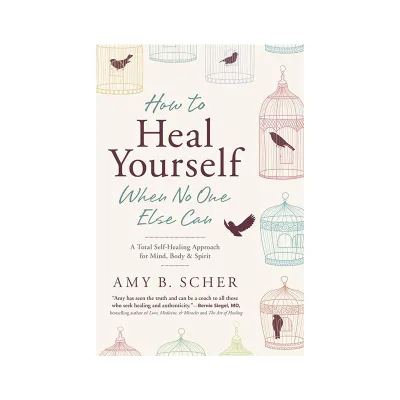
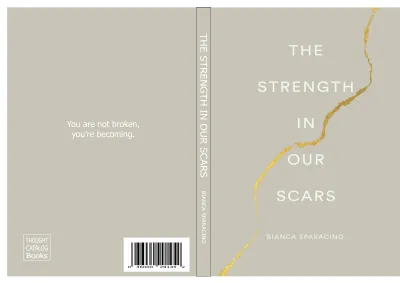
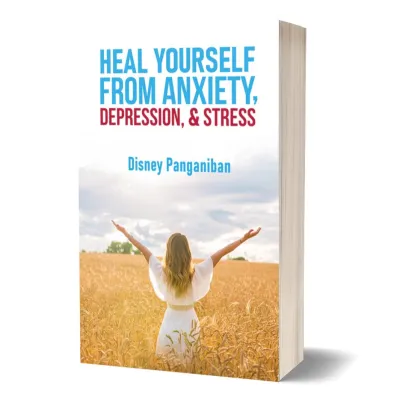
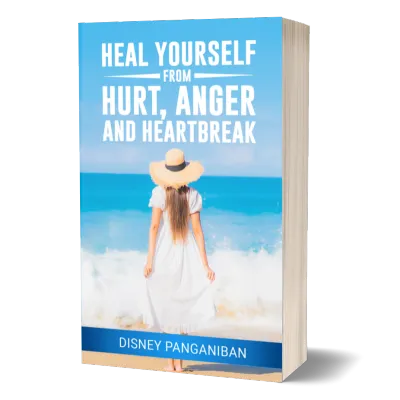
Prices are valid at publication and may change. Please refer to the product page for the latest price.
To narrow down your choices, try to categorize your primary goal into one of several common areas of personal growth:
- Trauma Recovery: Focuses on understanding past painful events, processing grief, and learning how to feel safe in your body and mind again.
- Habit Building and Productivity: Designed for those who want to overcome procrastination, establish healthy daily routines, and build personal discipline.
- Emotional Regulation: Helps you manage intense emotions such as anger, chronic anxiety, or frequent mood swings through practical coping mechanisms.
- Mindfulness and Grounding: Suited for reducing daily stress, quietening an overactive mind, and learning to live in the present moment.
As you explore potential titles, pay close attention to content warnings and book summaries. Books dealing with trauma, grief, or mental health struggles can sometimes trigger unexpected emotional distress. Reading a detailed table of contents or online chapter summaries can help you prepare for the material or decide if a specific book is too intense for your current state of mind.
It is also vital to recognize the boundaries of self-help literature. While a heal yourself book can offer valuable insights and coping strategies, it is a supplementary tool rather than a replacement for professional medical advice, diagnosis, or treatment. If you are experiencing persistent symptoms of depression, severe anxiety, or other clinical conditions, reaching out to a licensed mental health professional in the Philippines is a crucial step that books alone cannot replace.
Key Criteria for Selecting a Self-Healing Book
With thousands of self-help books published every year, evaluating the credibility of the author is your first line of defense against pseudoscience and empty motivational platitudes. Authors generally fall into two categories: licensed mental health professionals (such as clinical psychologists, psychiatrists, or licensed therapists) and motivational speakers or life coaches. While motivational writers can offer excellent encouragement and productivity tips, books written by licensed professionals are more likely to provide evidence-based therapeutic frameworks, such as Cognitive Behavioral Therapy (CBT) or Acceptance and Commitment Therapy (ACT).

Cultural relevance is another critical factor that Filipino readers must consider. Many global self-help bestsellers are written from a highly individualistic Western perspective, which often advocates for immediate boundary-setting, cutting off difficult relationships, or prioritizing the self above all else. In the Philippines, where daily life is deeply communal and shaped by values like utang na loob (debt of gratitude), pakikisama (harmony), and strong family expectations, these Western concepts can sometimes feel impractical or cause intense internal conflict.
When evaluating a book, look for authors who acknowledge collectivist dynamics or offer flexible advice on boundaries. A book that teaches you how to maintain your emotional well-being while still respecting your family and community connections will be far more practical and sustainable in your daily life. Reading reviews written by local readers can also give you a good indication of how well the book’s concepts translate to the local cultural landscape.
Finally, take a moment to check the publication history and references of the book. Reputable self-healing books often include a bibliography, endnotes, or citations of scientific studies at the back. This transparency shows that the author’s advice is grounded in established psychological research rather than personal opinion alone. Checking the publication date is also helpful, as modern editions are more likely to incorporate up-to-date neuroscience and trauma-informed perspectives.
Popular Categories of Self-Healing Books and Who They Suit
Understanding the different sub-genres of personal development can help you match a book’s style to your preferred way of learning and processing information. Some readers prefer reflective, philosophical texts, while others need highly structured, action-oriented guides.
Mindfulness and Meditation Guides
These books focus on the connection between the mind and the body, teaching readers how to observe their thoughts without judgment. They are highly suited for individuals dealing with chronic stress, physical tension, or a constant sense of worry. If you find yourself constantly projecting into the future or dwelling on the past, a mindfulness guide can provide simple breathing exercises and grounding techniques to help you find calm amidst the busy pace of daily life.
Cognitive Behavioral Approaches
Books grounded in cognitive behavioral principles are designed to help you identify and reframe negative thought patterns. They operate on the premise that our thoughts influence our feelings and behaviors. If you struggle with harsh self-criticism, imposter syndrome, or automatic negative thoughts, these books offer practical, step-by-step frameworks to challenge those thoughts and replace them with more balanced, realistic perspectives.
Interactive Workbooks and Journaling Prompts
For readers who find passive reading insufficient, interactive workbooks are an excellent choice. These books feature fill-in-the-blank sections, daily writing prompts, self-assessment quizzes, and structured exercises. They are ideal for active learners who want to physically write down their thoughts, track their emotional progress over time, and engage in deep self-reflection rather than just reading theory.
Where to Buy and How to Verify Book Editions
Finding a genuine, high-quality copy of your chosen book is essential for a good reading experience. In the Philippines, readers have several options, ranging from physical retail stores to digital platforms, but navigating these channels requires some caution.
Physical bookstores located in major shopping malls remain a reliable option for browsing books in person. This allows you to feel the paper quality, read the introduction, and verify that the book is an authorized edition. However, physical stores may have limited shelf space, meaning niche self-healing titles or specific international editions might not always be in stock.
If you prefer shopping online, authorized local online retailers and official publisher stores on major ecommerce platforms are excellent alternatives. However, online marketplaces are frequently flooded with extremely cheap, pirated reprints. These unauthorized copies often suffer from poor print quality, missing pages, illegible text, and weak binding that falls apart after a few reads. To avoid buying a pirated copy, keep these verification steps in mind:
- Compare the Price: If a genuine paperback typically retails between ₱500 and ₱1,000, a listing offering the same book for ₱80 is almost certainly a pirated reprint.
- Check the Seller's Badges: Look for official mall or preferred seller badges that indicate a verified, authorized distributor.
- Read Customer Reviews: Look closely at user-submitted photos in the review section. Check if the paper is unusually thin, if the text is blurry, or if other buyers complain about missing chapters.
For those who prefer digital reading, e-books and audiobooks offer incredible convenience, especially for reading during long daily commutes. Before purchasing a digital version, verify the file format and device compatibility. Ensure that the e-book format is compatible with your specific e-reader or reading app, and check if audiobook files require a specific subscription or player to run smoothly.
How to Integrate Reading into Your Daily Healing Routine
Buying a self-healing book is only the first step; the real transformation happens when you actively integrate its concepts into your daily life. Because self-healing work can be emotionally demanding, it is important to approach your reading with patience and structure.
Avoid the temptation to rush through the book just to finish it. Treat each chapter as a separate lesson, giving yourself several days to think about the concepts before moving on. Reading just five to ten pages a day is often more effective than binge-reading an entire section, as it gives your brain and emotions time to process and absorb the information.
To maximize the benefits of your reading, pair the book with a dedicated personal journal. When an author asks a reflective question or suggests an exercise, take the time to write down your answers in your journal. Documenting your thoughts helps solidify your emotional breakthroughs and allows you to look back months later to see how much your perspective has evolved.
Finally, always prioritize your emotional safety. If a particular chapter brings up intense feelings of anxiety, sadness, or distress, it is entirely acceptable to close the book and take a break. Healing is not a race, and forcing yourself through triggering material without adequate support can be counterproductive. Listen to your mind and body, pace yourself, and remember that taking care of your emotional well-being is the ultimate goal of the entire process.
Frequently Asked Questions (FAQ)
Can a self-healing book replace professional therapy?
No, a self-healing book cannot replace professional therapy. Books are educational tools designed to provide general frameworks, coping strategies, and self-reflection prompts for personal growth. They cannot diagnose mental health conditions, offer personalized clinical feedback, or provide immediate support during an emotional crisis. If you are struggling with severe anxiety, persistent depression, trauma, or emotional difficulties that interfere with your daily life, it is important to seek guidance from a licensed psychologist, psychiatrist, or counselor who can provide personalized, professional care.
How do I know if a self-help book is based on science?
You can determine if a self-help book is based on science by examining the author’s credentials and the book’s references. Look for authors who hold advanced degrees in psychology, psychiatry, social work, or related fields from accredited institutions. Additionally, flip to the back of the book to check for a bibliography, endnotes, or a reference list citing peer-reviewed scientific journals. Be cautious of books that promise instant results, guarantee absolute cures, or rely solely on the author’s personal anecdotes without any external scientific backing.
Community discussion
Share your experience or ask a question. Comments are reviewed before publication.