
Quick Answer: Finding the Right Kick Trigger
Selecting the right kick trigger for e drums is a pivotal step in assembling or upgrading a beginner electronic drum kit. The ideal choice depends entirely on your drum module’s input specifications, your available physical space, and the type of kick pedal you already own. Beginners typically navigate a primary decision path: choosing between a dedicated upright trigger tower, a highly compact kick pad, or converting an acoustic bass drum with specialized triggers. Each of these configurations offers distinct trade-offs in terms of playability, noise isolation, and cost. Before browsing online music stores or visiting local retailers, it is essential to verify your drum module’s compatibility requirements and measure your physical practice area. Taking these preliminary steps ensures that your new trigger integrates seamlessly into your setup, preventing compatibility issues and allowing you to focus entirely on developing your drumming skills.
Understanding Kick Trigger Types for Beginners
To make an informed decision, you must first understand the physical form factors available and how they align with your playing environment. The most common option for beginners is the dedicated kick tower. These upright units feature a vertical striking pad mounted on a sturdy metal frame, designed to mimic the physical presence and height of an acoustic bass drum. Because they allow you to attach a standard acoustic kick pedal, they offer a highly realistic playing feel and excellent stability. However, kick towers have a larger physical footprint and can transmit significant low-frequency vibrations through the floor, which is an important consideration if you live in a multi-story building.

For drummers with limited space or strict noise constraints, compact kick pads or pedal-integrated triggers offer an excellent alternative. These units are designed to minimize both physical size and acoustic noise. Some compact designs eliminate the traditional beater altogether, using a reverse-action trigger mechanism or a flat pad that sits directly beneath a specialized pedal. While these systems are incredibly quiet and easy to transport, they do not perfectly replicate the physical rebound of a traditional bass drum beater striking a head. This trade-off is often acceptable for beginners practicing in small bedrooms or shared apartments where minimizing ambient noise is the highest priority.
Products mentioned in this guide
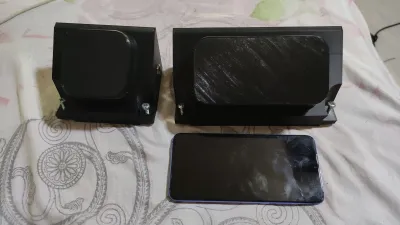
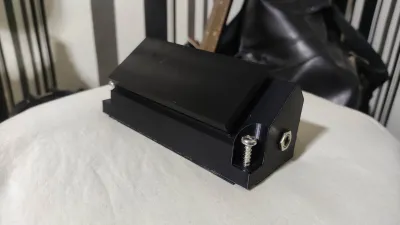
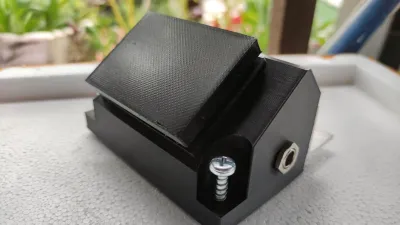
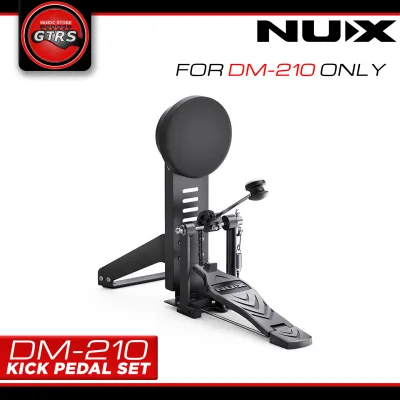
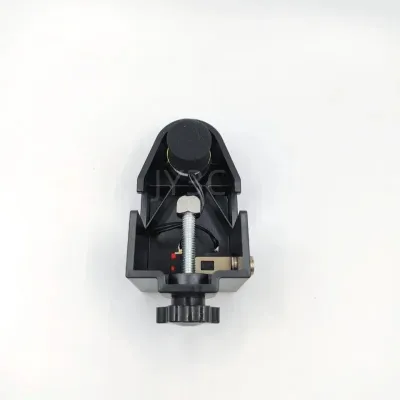
Prices are valid at publication and may change. Please refer to the product page for the latest price.
A third, more advanced option is the acoustic conversion trigger. This method involves taking a standard acoustic bass drum, replacing the traditional plastic head with a silent mesh head, and installing an internal or external electronic trigger. While this approach provides the ultimate visual appeal and the most realistic physical response, it comes with higher setup complexity and increased costs. For most beginners, the complexity of tensioning mesh heads and mounting external sensors makes this option less practical than purchasing a dedicated, ready-to-use electronic kick pad or tower.
When comparing these types, you must carefully evaluate your practice environment. In tropical climates where residential construction often features tiled, polished concrete, or hardwood floors, physical vibrations travel easily. A heavy kick tower striking a hard surface can create a distracting “thud” that disturbs neighbors or family members. Choosing a trigger type with built-in rubber dampening or opting for a mesh-headed tower can significantly reduce this structural noise, ensuring you can practice comfortably at any hour of the day.
Key Compatibility Checks Before You Buy
Before purchasing a kick trigger for e drums, you must perform several critical compatibility checks to ensure the hardware works harmoniously with your existing electronic drum module. The most fundamental check involves the module’s input requirements. Electronic drum modules process signals using piezo-electric sensors, which convert the physical impact of your foot strike into an electronic signal. You must verify whether your module’s kick input requires a stereo (TRS) cable or a mono (TS) cable. Using the wrong cable type can result in weak signals, missed hits, or a complete failure to trigger sounds.
In addition to cable types, you must consider the electrical impedance and voltage expectations of your drum module. Different manufacturers design their modules to operate within specific signal ranges. If you connect a high-output trigger to a module designed for low-voltage inputs, the sound may clip constantly, producing an unnatural, harsh response. Conversely, a low-output trigger connected to a less sensitive module will result in quiet, unresponsive playback. Consulting your drum module’s user manual or checking the manufacturer’s official compatibility list is the most reliable way to avoid these electronic mismatches.
Pedal compatibility is another crucial factor, especially if you plan to use a double bass drum pedal. Double pedals require a wider striking surface to accommodate two beaters hitting the pad simultaneously. Some entry-level kick towers have narrow pads designed strictly for single pedals; attempting to use a double pedal on these units will result in off-center strikes and inconsistent triggering. Furthermore, you must check if the trigger surface is compatible with your pedal’s beater material, as certain abrasive materials can quickly degrade the trigger pad.
Mounting and hardware compatibility must also be verified before making a purchase. The kick trigger must attach securely to your drum rack or sit firmly on the floor without wobbling. Most dedicated kick towers feature a clamp mechanism that accepts standard bass drum pedals, but you must ensure the clamp’s thickness and angle match your pedal’s mounting bracket. A loose or poorly aligned connection will cause the trigger to slide forward during play, a phenomenon known as “bass drum creep” that disrupts your playing posture and technique. Always consult your drum module’s official compatibility list or user manual before finalizing your purchase.
Setting Your Budget and Value Expectations
Establishing a realistic budget is essential when shopping for a kick trigger for e drums, as prices vary widely based on build quality, sensor technology, and brand reputation. In the local market, entry-level compact kick pads generally range from ₱2,500 to ₱5,000. These budget-friendly options are ideal for beginners who need a straightforward, space-saving solution to get their kit up and running. While they may lack advanced features like adjustable mesh tension, they provide reliable triggering for basic practice sessions.
If you are looking for a more authentic playing experience, mid-range to premium dedicated trigger towers typically cost between ₱6,000 and ₱15,000. This higher price tier reflects superior construction materials, such as heavy steel frames, larger striking surfaces, and advanced multi-sensor arrays that offer better dynamic range. These towers are built to withstand the repetitive, high-impact forces of daily practice and are much less likely to slide or wobble on your floor.
When planning your budget, it is important to understand the trade-offs associated with different price points. Cheaper pads often use basic rubber surfaces that offer a stiff, unrealistic rebound, which can lead to foot fatigue during long practice sessions. They may also have a limited dynamic range, meaning they struggle to distinguish between a soft tap and a powerful strike. Investing slightly more in a mid-range trigger with a mesh head or a high-quality foam pad provides a much more expressive playing experience, helping you develop proper foot control and dynamics.
Additionally, you must factor in the cost of necessary accessories that may not be included with the trigger itself. Most standalone kick triggers do not come with a bass drum pedal, connection cables, or a drum throne. If you do not already own these components, you will need to allocate a portion of your budget to acquire them. To ensure long-term reliability and protect your investment, always purchase your gear from authorized local music retailers or official brand stores that offer genuine warranties and reliable customer support.
Building Your Shortlist: Features to Evaluate
Once you have established your budget and verified compatibility, you can begin evaluating specific features to build your shortlist. The first and most important feature to consider is the rebound and feel of the trigger surface. Mesh heads are highly favored because they allow you to adjust the tension using a standard drum key, mimicking the exact physical response of an acoustic bass drum. Foam-based or high-density rubber pads offer a firmer, punchier rebound, which some players prefer for fast, technical footwork but can be louder acoustically.
Dynamic range and sensitivity are equally critical for a satisfying playing experience. A high-quality kick trigger must be capable of registering the full spectrum of your playing dynamics, from delicate ghost notes to powerful, driving beats. Look for triggers that utilize advanced sensor placement, which ensures consistent sensitivity across the entire striking area. This prevents frustrating issues like dropped notes during fast double-bass patterns or accidental double-triggering caused by the natural vibration of the pad.
Build quality and physical stability are vital, especially in tropical environments where humidity and temperature fluctuations can affect materials. Look for triggers constructed with heavy-duty steel or reinforced composite frames that resist warping. The base of the trigger should feature robust anti-slip spurs or high-grip rubber feet. On the tiled or polished concrete floors common in many homes, these stability features are essential to prevent the trigger from sliding away from you as you play.
Noise reduction is another key feature to evaluate, particularly if you practice in a shared living space or an apartment. The physical impact of a bass drum beater striking a pad creates acoustic noise and low-frequency vibrations that can easily travel through walls and floors. Triggers designed with multi-layered foam dampening or those compatible with specialized low-noise tennis-ball beaters help absorb these vibrations at the source. Choosing a trigger with excellent noise-reduction features ensures you can practice without causing a disturbance.
Setup and Positioning Tips for Beginners
Properly installing and positioning your new kick trigger is essential for achieving optimal performance, preventing physical wear, and ensuring the longevity of your equipment. The first step in the setup process is precise beater alignment. Position your bass drum pedal so that the beater strikes the exact center of the trigger pad or foam cone. Off-center impacts not only result in inconsistent volume and missed triggers but also place uneven physical stress on the internal sensor, which can lead to premature hardware failure.
Once the physical alignment is secure, you must adjust the physical tension of the trigger surface and the electronic settings of your drum module. If you are using a trigger with an adjustable mesh head, use a drum key to tighten or loosen the head until you achieve your desired rebound feel. After adjusting the physical tension, navigate to your drum module’s trigger settings menu. Fine-tune the sensitivity and threshold parameters so that the module accurately registers your softest and hardest strikes, ensuring a natural dynamic response.
Cable management is another often-overlooked aspect of setting up an electronic drum kit. Route your trigger cables carefully along the frame of your drum rack, keeping them completely clear of the pedal board and any moving parts of your kick pedal. Use hook-and-loop straps or cable ties to secure the wires in place. This simple step prevents accidental disconnections during intense playing sessions, protects the cable jacks from physical strain, and eliminates tripping hazards around your drum kit. If your module fails to register hits after basic physical adjustments, stop and consult the manual rather than guessing values.
Frequently Asked Questions (FAQ)
Can I use a regular acoustic kick pedal with an electronic kick trigger?
Yes, you can use a standard acoustic kick pedal with most electronic kick triggers, as long as the trigger’s base features a standard mounting plate designed to accept a pedal clamp. However, the material of your pedal’s beater is a critical factor that you must consider. Traditional felt beaters should not be used on mesh heads or soft foam pads, as the rough texture of the felt creates friction that can quickly abrade and tear the trigger surface. Instead, you should switch to a plastic, wood, or rubber beater, or use a specialized patch to protect the trigger head. If you plan to use a double bass pedal, ensure the trigger’s striking surface is wide enough to accommodate both beaters.
Why is my kick trigger double-triggering or missing hits?
Double-triggering or missing hits are common issues that are usually caused by incorrect electronic settings in your drum module or minor physical misalignments. To resolve double-triggering, access your module’s trigger settings menu and slightly increase the threshold or the re-trigger cancel values, which prevents the module from registering the natural vibration of the pad as a second strike. If the trigger is missing hits, check that the cable is firmly plugged into both the trigger and the correct module input. Additionally, inspect the physical alignment of your pedal to ensure the beater is striking the center of the pad with consistent force, and consult your module’s manual for advanced crosstalk settings if nearby pads are causing accidental triggers.
Community discussion
Share your experience or ask a question. Comments are reviewed before publication.