
Choosing the right guitar amplifier is just as important as selecting the guitar itself, as the amplifier functions as the second half of your instrument’s voice. Your choice should balance your current skill level, your primary playing environment, and the specific musical genres you want to explore. By understanding how wattage, amplifier technology, and key features interact, you can make an informed decision that supports your musical growth without unnecessary expense.
Identify Your Playing Environment and Wattage Needs
Wattage does not scale linearly with perceived volume, which is one of the most common misconceptions when selecting an amplifier. A 50-watt amplifier is not twice as loud as a 25-watt amplifier; in fact, it requires a tenfold increase in wattage to double the perceived volume. This relationship is crucial when matching an amplifier to your physical space and volume restrictions.
For home practice in typical residential spaces or apartments, low-wattage amplifiers are highly practical. Solid-state or digital modeling amplifiers rated between 10 to 30 watts, or tube amplifiers rated between 1 to 5 watts, provide sufficient volume and tone quality without disturbing neighbors. These lower power ratings allow you to find a satisfying sound at manageable, everyday volume levels.
Products mentioned in this guide
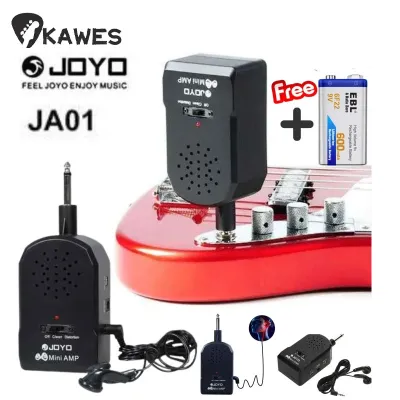
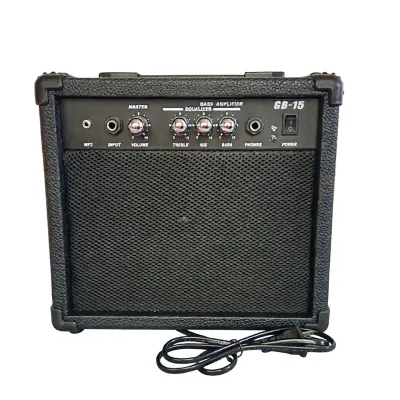
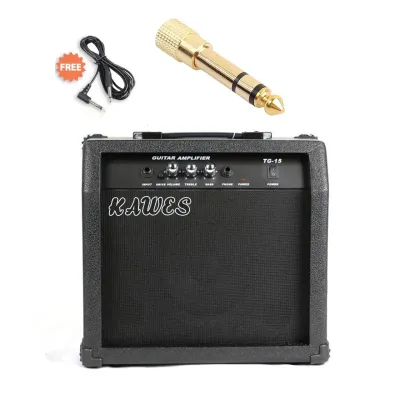
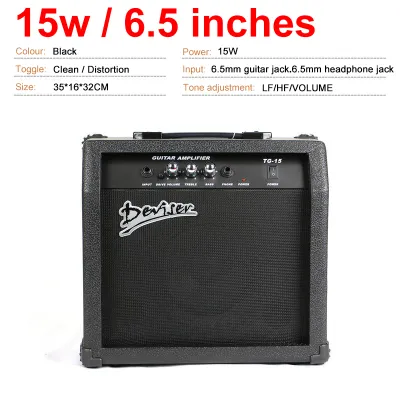
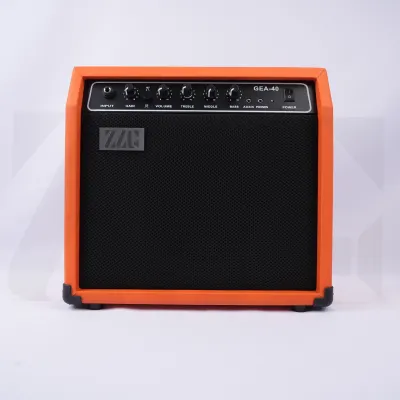
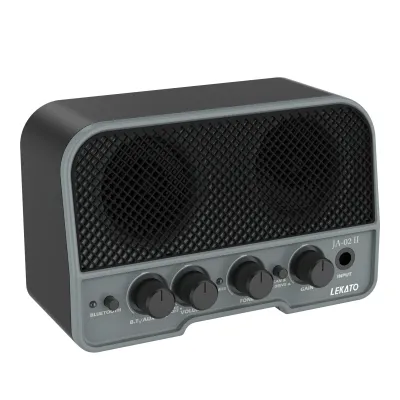
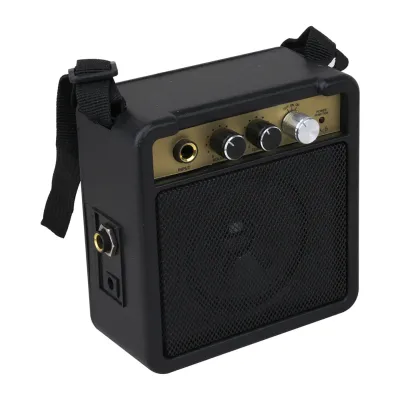
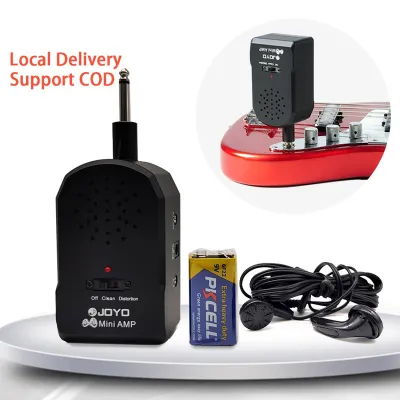
Prices are valid at publication and may change. Please refer to the product page for the latest price.
Clean headroom refers to how loud an amplifier can play before the signal begins to distort or break up naturally. If you play genres that require pristine clean tones at higher volumes, such as jazz or traditional pop, you will need an amplifier with higher wattage to maintain that clean headroom. Conversely, players who enjoy natural power-amp distortion at lower volumes often prefer low-wattage tube amplifiers.
For band rehearsals with an acoustic drum kit, your amplifier must have enough power to remain audible in the mix. In these scenarios, a solid-state amplifier of at least 50 to 100 watts, or a tube amplifier of 15 to 30 watts, is generally necessary. This ensures your guitar cuts through the collective volume of the band without pushing the amplifier into unwanted, harsh distortion.
Live performance venues often utilize public address (PA) systems, meaning your amplifier will likely be microphoned and projected through the house speakers. Because of this modern setup, massive high-wattage stacks are rarely mandatory for gigging. You can prioritize portability and tone quality over raw power, knowing the venue’s sound system can handle the projection.
Compare Amplifier Types: Tube, Solid-State, and Modeling
Tube amplifiers are celebrated for their organic compression, warm harmonic distortion, and highly responsive dynamics that react to the nuances of your picking hand. However, they require regular maintenance, including replacing vacuum tubes periodically, and are sensitive to physical shocks and high humidity. They are generally preferred by intermediate to professional players who prioritize classic analog tone and are willing to manage the upkeep.

Solid-state amplifiers use transistors for amplification, offering consistent, clean tones, high reliability, and excellent durability. They do not require tube replacements and perform reliably in humid tropical climates without performance degradation. Their cost-effectiveness and low maintenance make them excellent choices for beginners and gigging musicians who need a dependable, straightforward platform.
Digital modeling amplifiers use computer processors to emulate the sounds of various classic amplifiers and effects pedals. They offer immense versatility, allowing players to access dozens of tones, built-in digital effects, and cabinet simulations within a single unit. Features like headphone outputs and USB connectivity make them ideal for modern home practice, recording, and players of all skill levels who enjoy experimenting with different sounds.
Beginners benefit most from modeling or small solid-state amplifiers due to their ease of use, built-in tools, and low maintenance. Intermediate players often transition to larger modeling amplifiers or entry-level tube amplifiers to refine their touch dynamics and explore specific tonal characteristics. Professionals select their gear based on specific performance needs, often utilizing high-end tube amplifiers for analog warmth or advanced digital modeling processors for touring convenience.
Evaluate Essential Features and Connectivity
Built-in effects like reverb, delay, and modulation offer convenience and cost savings, especially for players who do not yet own external pedals. However, if you plan to build a custom pedalboard, look for an amplifier with an effects loop (FX Loop). This feature allows you to insert time-based effects after the amplifier’s preamp stage, preserving the clarity of your tone.
For silent practice, check for a dedicated headphone output that features cabinet emulation, which ensures the tone through your headphones sounds natural rather than harsh. Auxiliary inputs or Bluetooth connectivity allow you to play backing tracks directly from your smartphone or tablet, which is highly beneficial for daily practice routines.
Speaker size significantly impacts the overall sound projection and low-frequency response of the amplifier. Smaller speakers, such as those measuring 6 to 8 inches, are highly portable but can sound boxy or thin in the bass frequencies. Larger speakers, typically 10 to 12 inches, deliver a fuller, more balanced frequency response, making them the standard for rehearsals and performances.
Channel switching allows you to toggle between clean and distorted tones instantly, often via an external footswitch during a performance. Active EQ controls, which typically include bass, middle, and treble knobs, provide precise tone shaping, allowing you to adjust the amplifier’s output to suit the acoustics of different rooms or the specific pickups of your guitar.
Match the Amplifier to Your Musical Genre
Different musical genres demand distinct tonal characteristics from an amplifier. For instance, blues and classic rock thrive on the warm, edge-of-breakup tones typical of vintage-style tube amplifiers. Metal and hard rock require high-gain structures with tight low-end response and fast transient tracking to handle rapid, distorted riffs without becoming muddy.
Pop and jazz genres generally prioritize clean headroom and pristine clarity. A jazz player might look for an amplifier with a warm, flat mid-range response and high clean headroom, while a pop guitarist might prefer a highly transparent solid-state platform that serves as an excellent canvas for various modulation and delay pedals.
When evaluating an amplifier, check if its EQ frequency bands are voiced appropriately for your genre. Some amplifiers feature specialized mid-contour or “scoop” controls that are highly beneficial for modern metal but less useful for mid-focused blues playing. Understanding these voicing differences helps you avoid buying an amplifier that fights against your preferred style.
Before finalizing a purchase, verify how well the amplifier handles your preferred style. Listen to official manufacturer demonstrations, read detailed specification sheets, or conduct in-store testing using your own guitar to ensure the amplifier’s natural voice aligns with your musical goals.
Set a Realistic Budget and Verify Before Buying
Establishing a realistic budget involves balancing your current skill level with your long-term musical goals. For beginners, allocating a modest budget, such as keeping the amplifier cost under ₱10,000, allows you to acquire a highly capable modeling or solid-state practice amplifier without overinvesting early on.
Intermediate players looking to perform or record may want to allocate a larger portion of their budget, such as ₱15,000 to ₱35,000, to secure a robust solid-state gigging amplifier or an entry-level tube amplifier. Advanced musicians and professionals often invest significantly more to acquire premium, hand-wired tube heads or high-end digital modeling processors that offer tour-grade durability and uncompromising tone.
Before completing your purchase, perform essential physical and technical checks. Verify the amplifier’s dimensions and weight to ensure it fits your practice space and is manageable to transport. Additionally, check the power requirements; in the Philippines, standard electrical outlets supply 220V at 60Hz, so ensure the amplifier’s power transformer matches these specifications or use an appropriate voltage converter to prevent damage.
Always inspect the warranty terms provided by the manufacturer or local distributor. Whether purchasing from a physical music shop in your local area or an authorized online marketplace, verify the return and exchange policies to protect your investment against potential manufacturing defects or shipping damage.
Frequently Asked Questions (FAQ)
Can I use a bass amplifier for an electric guitar?
Yes, you can safely play an electric guitar through a bass amplifier. Bass amplifiers are designed to handle low frequencies and typically offer clean, undistorted sound with robust low-end response. However, because they lack the specific mid-range voicing and high-frequency characteristics of dedicated guitar amplifiers, your electric guitar may sound somewhat dark, flat, or sterile. There is no risk of damaging the bass amplifier or speaker when using an electric guitar.
Do I need a specific amplifier for an acoustic-electric guitar?
Yes, using a dedicated acoustic amplifier is highly recommended for acoustic-electric guitars. Standard electric guitar amplifiers are designed to color the sound and add harmonic distortion, which can make an acoustic guitar sound harsh, unnatural, and highly prone to feedback. Acoustic amplifiers are designed for full-range, flat-response reproduction, preserving the natural woody tone of the acoustic instrument while incorporating specialized feedback-reduction controls.
How do I maintain a tube amplifier to ensure its longevity?
Maintaining a tube amplifier requires careful handling and environmental awareness. Always allow the vacuum tubes to warm up in standby mode for at least two minutes before playing, and let them cool down completely before moving the amplifier to prevent thermal shock. In humid tropical environments, protect the amplifier from moisture and dust by using a breathable cover when not in use, and store it in a well-ventilated room to prevent corrosion on the internal chassis and tube sockets.
Community discussion
Share your experience or ask a question. Comments are reviewed before publication.