
Finding the right Catholic Bible journal in the Philippines means looking beyond basic notebooks. A dedicated journal helps you engage with the daily Liturgy, navigate the rich traditions of the Church, and build a structured prayer life. The ideal journal aligns with the Catholic liturgical calendar, features durable paper that resists tropical humidity, and matches your personal devotional pace.
Quick Guide to Selecting a Catholic Bible Journal
Selecting a Catholic Bible journal requires balancing structure with personal expression. The most critical factor is liturgical alignment, ensuring the journal follows the official Sunday and weekday lectionary readings of the Church. This keeps your daily reflections in harmony with the universal Church’s seasonal journey through Advent, Lent, and Ordinary Time.
Additionally, consider how much guidance you need. Some writers thrive with structured prompts, while others prefer open, blank pages to write out their thoughts. Your choice should ultimately match your daily schedule and prayer style, whether you have five minutes during a busy morning commute or an hour of quiet reflection in the evening.
Products mentioned in this guide
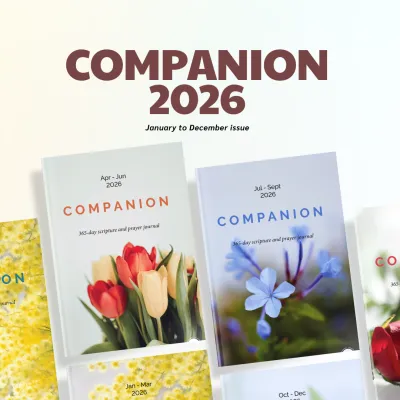

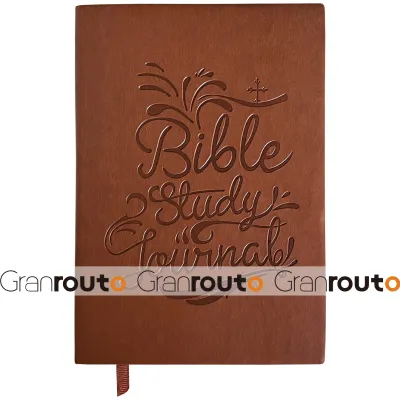
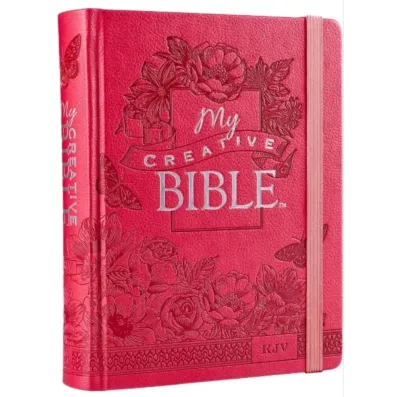
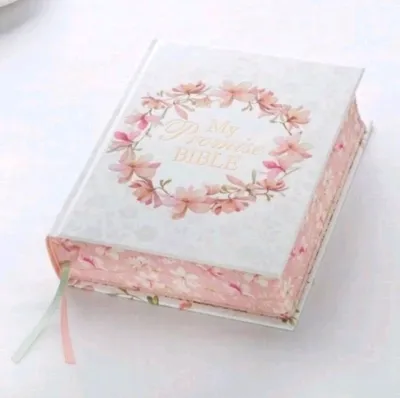
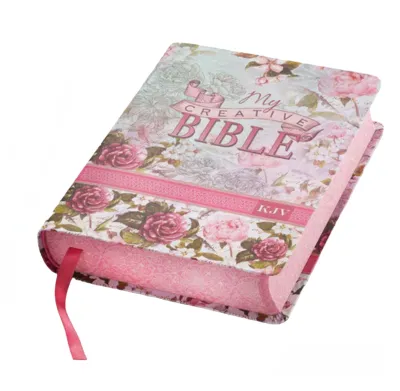

Prices are valid at publication and may change. Please refer to the product page for the latest price.
Key Features to Evaluate Before Buying
To ensure your Bible journal serves as a reliable companion for a full year or season, you must evaluate several physical and structural features before making a purchase.

Liturgical Alignment
A true Catholic Bible journal is designed around the liturgical calendar. Verify whether the journal follows the Sunday lectionary, the weekday lectionary, or the Liturgy of the Hours. This alignment ensures that your daily reading matches what is being proclaimed in parishes across the Philippines and worldwide, creating a deeper connection to the global Church.
Paper Quality and Binding
The tropical climate of the Philippines presents unique challenges for paper products. High humidity can make thin paper more susceptible to ink bleeding, ghosting, and warping, especially if you prefer using gel pens, fountain pens, or highlighters. Look for journals featuring thick, high-gsm (grams per square meter) paper that is explicitly rated as bleed-resistant. Furthermore, a lay-flat or smythe-sewn binding is essential; it allows the journal to remain open on your desk or lap without you having to hold the pages down, making the writing experience much more comfortable.
Layout and Space
Analyze the balance between printed text and blank space. Some journals provide the full scripture text on one page and reflection space on the other, which is highly convenient if you travel often and do not want to carry a separate heavy Bible. Others offer only the scripture references and a short prompt, leaving the rest of the page open for your personal notes. Choose a layout that matches how much you typically write.
Additional Catholic Elements
Look for features that enrich your Catholic identity. Many dedicated journals include traditional prayers such as the Anima Christi, the Rosary, or the Memorare. Others feature daily quotes from the saints, reflections from early Church fathers, or dedicated spaces to track feast days, novenas, and your reception of the sacraments. These small additions turn a simple notebook into a comprehensive spiritual tool.
Matching Journal Types to Your Devotional Style
Not all spiritual journeys look the same, and Catholic Bible journals are designed to accommodate different methods of prayer. Identifying your devotional style will help you select the most fruitful format.
Guided Lectionary Journals
These journals are highly structured and come pre-printed with the daily or Sunday scripture readings alongside specific reflection questions. They are ideal for beginners or those who appreciate guided direction. The prompts help focus your mind, preventing the “blank page syndrome” and guiding your thoughts toward practical applications of the Gospel in your daily life.
Lectio Divina Journals
Lectio Divina is an ancient Catholic method of praying with scripture. Journals designed for this practice are structured around its four traditional pillars: Lectio (Read), Meditatio (Meditate), Oratio (Pray), and Contemplatio (Contemplate). These journals provide specific sections for each step, encouraging a slow, deeply meditative encounter with the Word of God rather than a rushed reading.
Blank or Dot-Grid Scripture Journals
If you prefer complete creative freedom, a blank or dot-grid scripture journal is an excellent choice. These journals do not have pre-printed prompts, allowing you to write out verses manually, practice Bible journaling art, or use custom study methods like the SOAP (Scripture, Observation, Application, Prayer) method. They are highly flexible but require more self-discipline to maintain.
Thematic or Seasonal Journals
For those who want to focus on specific times of the liturgical year, seasonal journals are available for Advent and Lent. These shorter, focused journals help you prepare your heart for Christmas and Easter. Other thematic journals may focus entirely on specific devotions, such as Eucharistic adoration, Marian consecration, or the wisdom of a particular saint.
Where to Find Authentic Catholic Journals in the Philippines
Acquiring an authentic Catholic Bible journal in the Philippines requires knowing where to look, as specialized religious materials are not always available in standard commercial bookstores.
Local Catholic Bookstores and Shrines
Visiting physical bookstores run by religious congregations or those located within major cathedral grounds and national shrines is one of the most reliable ways to find high-quality journals. Shopping in person allows you to feel the paper thickness, test the binding, and see the layout firsthand. It also ensures you are purchasing approved Catholic materials that carry the necessary ecclesiastical approvals, such as an Imprimatur or Nihil Obstat.
Online Bookstores and E-commerce Platforms
If you prefer the convenience of online shopping, you can find many options on major e-commerce platforms and specialized Catholic online stores. When buying online, always verify the seller’s authenticity by checking their ratings and reading customer reviews. Look specifically for reviews that mention paper quality, packaging durability, and whether the journal arrived undamaged despite the local transit conditions.
Parish Gift Shops and Ministry Stores
Do not overlook your local parish gift shop or diocesan pastoral center. These smaller shops often stock beautiful, locally produced Catholic journals, especially in the weeks leading up to Advent or Lent. Purchasing from these shops is also a wonderful way to support your local parish community and ministries.
Verification Checklist
Before finalizing your purchase, run through a quick verification checklist. Confirm the publisher is a recognized Catholic entity, check the language edition (such as English or Tagalog), and verify the physical dimensions to ensure it fits easily into your daily bag.
Tips for Building a Consistent Daily Reading Habit
Owning a beautiful journal is only the first step; the true spiritual benefit comes from consistent, daily use. Integrating this practice into your busy life requires intentionality and patience.
Setting a Routine
The easiest way to build a new habit is to anchor it to an existing one. Consider pairing your journaling with your morning coffee, or making it part of your evening examen before bed. Find a quiet space in your home where you can sit undisturbed, even if it is just for ten minutes before the rest of the household wakes up.
Starting Small
Do not feel pressured to write pages of deep theological insights every day. Start small by focusing on a single verse from the daily Gospel that stands out to you. Write down that verse, and then write a simple, two-sentence prayer responding to it. Keeping the initial commitment low makes it much easier to show up every day.
Handling Missed Days
Life in the Philippines can be unpredictable, with sudden schedule changes, long commutes, or power interruptions disrupting your routine. If you miss a day, or even a week, approach yourself with grace. Avoid the temptation to mechanically “catch up” by writing multiple entries at once. Simply open your journal to the current day’s reading and resume your practice from there.
Review and Reflection
Every few months, take some time to flip back through your past journal entries. Reading your previous prayers and reflections allows you to see how God has been working in your life over time. You may notice recurring themes, answered prayers, or areas of spiritual growth that you would have otherwise forgotten.
Frequently Asked Questions (FAQ)
Do I need a special Catholic journal, or can I use a regular notebook?
While you can certainly use a standard notebook for your spiritual reflections, a dedicated Catholic Bible journal offers distinct advantages. These journals are specifically designed to keep you aligned with the liturgical calendar, often featuring pre-printed daily scripture references, feast days, and traditional prayers. This structure saves you the time of looking up readings manually and helps keep your prayer life integrated with the wider Church. However, if you prefer complete freedom and do not mind doing the preparatory work of looking up the daily lectionary yourself, a high-quality regular notebook can still serve as an excellent tool for your spiritual journey.
How do I choose between a daily lectionary journal and a Sunday-only journal?
Your choice should depend on your current lifestyle, available time, and spiritual goals. A Sunday-only journal is highly manageable for beginners, busy students, or working professionals who find it difficult to carve out quiet time during the hectic workweek. It allows you to prepare deeply for Sunday Mass or reflect on the homily afterward. On the other hand, a daily lectionary journal is ideal if you are seeking a structured, daily discipline to anchor your spiritual life. It requires a more consistent time commitment but offers a much deeper immersion into the full, rich cycle of the liturgical year.
What should I look for to ensure the journal matches the current liturgical year?
When purchasing a dated journal, always check the product description or cover for the specific year or liturgical cycle. The Catholic Church follows a three-year cycle for Sunday readings (Years A, B, and C) and a two-year cycle for weekday readings (Years I and II). If you are buying an undated journal, you will not have to worry about the year expiring, but you will need to manually track the current liturgical season and readings using a Catholic calendar or app. Be cautious when buying discounted dated journals online, as they may be from previous years and will not align with the current daily Mass readings.
Community discussion
Share your experience or ask a question. Comments are reviewed before publication.