
Choosing a Catholic spiritual book or a dedicated Bible study for men is not merely about picking a popular title off a shelf; it is an intentional step toward structured spiritual formation. In a world filled with competing voices, a man’s spiritual reading serves as an anchor, helping him align his daily responsibilities with his eternal calling. To make an impactful choice, you must evaluate your current spiritual needs, understand the different categories of Catholic literature, and apply rigorous standards of doctrinal soundness.
Selecting the right material requires looking beyond eye-catching covers or trending recommendations. A book that deeply moves a seasoned catechist might overwhelm someone who is just beginning to establish a daily prayer routine. By taking a systematic approach to your reading choices, you can find resources that not only challenge your intellect but also provide practical guidance for living out your faith in your family, workplace, and community.
Identifying Your Current Stage of Faith Formation
Before purchasing any spiritual literature, it is essential to conduct an honest self-assessment of your current prayer habits, theological knowledge, and spiritual state. Spiritual life is cyclical, often moving between periods of consolation, where prayer feels natural and rewarding, and periods of dryness, where maintaining focus requires significant effort. If you are experiencing spiritual dryness, a dense theological treatise may feel discouraging, whereas a structured daily devotional with short, encouraging reflections can help you rebuild consistency.
Products mentioned in this guide
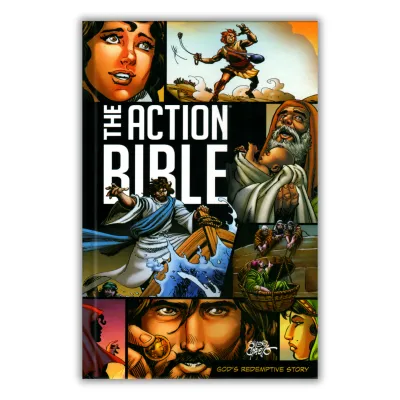
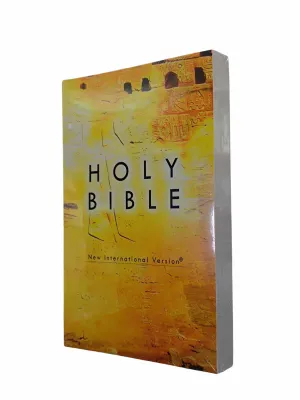
Prices are valid at publication and may change. Please refer to the product page for the latest price.
Consider the specific intellectual and practical hurdles you currently face. Many men struggle with maintaining a consistent prayer routine amidst demanding work schedules, while others find themselves grappling with intellectual doubts about Church teachings. If your primary challenge is practical execution, look for books that offer concrete action steps. If you are navigating intellectual doubts, prioritize apologetics or systematic theology that addresses the historical and philosophical foundations of Catholic doctrine.
Your current life stage also dictates the spiritual themes that will resonate most deeply. A young single professional navigating career choices and personal purity requires different guidance than a married man striving to love his wife sacrificially. Similarly, a father seeking to lead his children in the faith will benefit from books focused on spiritual fatherhood and family leadership. Matching your reading material to your specific vocation ensures that the lessons you learn can be immediately applied to your daily duties.
Core Categories of Catholic Reading for Men
Catholic spiritual literature is vast, spanning scripture study, daily devotionals, saint biographies, and deep theological works. Understanding these distinct categories allows you to target your specific growth areas and build a balanced spiritual library over time.

Bible Study and Scripture Reflection
When searching for a bible book for men, it is important to distinguish between comprehensive study Bibles and daily devotional Bibles. A study Bible is designed for deep, academic, and theological exploration, featuring extensive commentary, historical context, and cross-references. These are invaluable for understanding the cultural background of scripture and the theological continuity between the Old and New Testaments. In contrast, a devotional Bible focuses on shorter, practical reflections designed to help you apply biblical truths to your daily life.
Regardless of the format you choose, always verify that the Bible contains the complete Catholic canon, which includes the seven Deuterocanonical books: Tobit, Judith, Wisdom, Sirach, Baruch, and 1 and 2 Maccabees. Many general Bibles omit these books, which are essential to Catholic theology and liturgy. Additionally, look for an official Catholic translation that has received an ecclesiastical approval, ensuring that the translation is accurate and faithful to Church tradition.
Consider whether you prefer a thematic study or a chronological reading format. Thematic studies focus on specific biblical characters or concepts, such as the leadership of Saint Joseph, the courage of King David, or the teachings of Saint Paul on spiritual warfare. Chronological or liturgical reading formats, on the other hand, guide you through scripture in historical order or align your reading with the daily Mass readings of the Church, keeping you connected to the global liturgical calendar.
Daily Devotionals and Practical Virtue
Daily devotionals are specifically designed to fit into busy schedules, offering short, impactful readings that can be completed in five to ten minutes. When evaluating a daily devotional, consider your realistic time commitment. A book that requires thirty minutes of silent meditation may be abandoned if your mornings are rushed, whereas a concise, high-impact reflection can easily be integrated into your morning coffee routine or your daily commute.
For men, the most effective devotionals often focus on the cultivation of masculine virtues, such as fortitude, temperance, justice, and prudence. These books frequently frame the spiritual life as a form of spiritual warfare, encouraging men to discipline their minds, resist temptation, and protect their families from negative cultural influences. This practical focus helps bridge the gap between abstract theological concepts and the concrete realities of daily life.
Look for devotionals that include structured reflection questions, journaling prompts, or actionable daily challenges. A reading that ends with a specific task—such as performing a hidden act of charity, fasting from a particular comfort, or praying for a specific person—ensures that your reading translates into active virtue. Journaling prompts can also help you process your thoughts and track your spiritual progress over weeks and months.
Saint Biographies and Apologetics
Saint biographies offer powerful, real-world examples of how to live the Catholic faith heroically. When selecting a biography, look for saints who faced struggles similar to your own. While the writings of cloistered mystics are deeply valuable, many men find great encouragement in the lives of saints who worked in secular professions, raised families, or led communities. Biographies of figures like Saint Thomas More, Saint Louis Martin, or Blessed Pier Giorgio Frassati demonstrate that holiness is achievable in the midst of ordinary, active lives.
Apologetics books, which focus on explaining and defending Catholic doctrines, are essential for building intellectual confidence. When choosing apologetics literature, assess the author’s tone and accessibility. The goal of reading apologetics should be to equip yourself to share the truth charitably and clearly, rather than to win arguments. Look for authors who address common misconceptions about Catholic teachings—such as the Marian dogmas, the authority of the Pope, or the Real Presence in the Eucharist—with clarity, historical evidence, and pastoral sensitivity.
Balancing historical context with modern relevance is key when reading older spiritual classics. While works written centuries ago contain timeless wisdom, they may require a study guide or modern commentary to help you translate their lessons into a contemporary context. Do not hesitate to pair a classic text with a modern companion guide to ensure you fully grasp the author’s intent and practical application.
Criteria for Evaluating Catholic Spiritual Books
To ensure the books you choose are doctrinally sound and spiritually beneficial, you must apply a clear set of evaluation criteria before making a purchase. The most critical step is checking for official Church approval marks. Look for the Nihil Obstat (Latin for “nothing stands in the way”), which indicates that a censor has reviewed the book and found no doctrinal or moral errors. This is accompanied by the Imprimatur (Latin for “let it be printed”), which is the official declaration by a bishop authorizing the book’s publication. These marks provide peace of mind that the material aligns with the Magisterium of the Catholic Church.
Beyond official approvals, evaluate the author’s credentials and background. Consider whether the author is a priest, a trained theologian, or a layperson with a recognized track record of faithful service within the Church. While popularity on social media or high sales figures can indicate readability, they do not guarantee theological accuracy. Prioritize authors who consistently reference Sacred Scripture, the Catechism of the Catholic Church, and the writings of the Church Fathers.
Consider the physical format and durability of the book, especially if you plan to carry it with you. In tropical climates with high humidity, paperbacks can warp easily, and low-quality bindings may degrade over time. If you intend to use a book for daily study, highlight passages, or write notes in the margins, a high-quality hardcover or a flexible leather-bound edition with thick, acid-free paper is often worth the investment. Wide margins are particularly useful for recording personal reflections during prayer.
Finally, compare prices across local religious shops and authorized online Catholic bookstores to fit your personal budget. Prices in ₱ can vary significantly depending on whether the book is a local print edition or an imported title. While imported study Bibles and premium leather devotionals may carry a higher price tag, many local Catholic publishers offer affordable, high-quality paperbacks of spiritual classics and daily devotionals that are highly accessible.
Building a Sustainable Reading and Action Plan
Acquiring spiritual books is only the first step; the true benefit comes from integrating them into a consistent, sustainable routine. Set realistic, flexible reading goals rather than rigid quotas. Committing to reading just five to ten pages a day is far more effective than attempting to read an entire chapter in one sitting and then abandoning the book for weeks due to exhaustion. Consistency builds habit, and small daily efforts accumulate into significant spiritual growth over a year.
Pair your reading time with existing daily habits to create a seamless routine. For example, you might place your spiritual book next to your coffee maker so you read a few pages while your coffee brews, or keep a devotional in your bag to read during your daily commute on public transit. If you prefer reading before bed, ensure the material is reflective rather than intellectually demanding, helping your mind transition into a peaceful state for evening prayer.
Be flexible enough to know when to pause, switch, or re-read a book. If you find yourself struggling to get through a dense theological text, or if the material simply does not resonate with your current life season, set it aside without guilt. You can always return to it later when your spiritual needs change. Conversely, if a particular book deeply impacts you, do not hesitate to read it a second or third time, taking slower, more meditative steps to absorb its wisdom fully.
Frequently Asked Questions (FAQ)
Do I need a specific Catholic edition of the Bible?
Yes, it is highly recommended to use a specific Catholic edition of the Bible. Catholic Bibles contain the complete canon of seventy-three books, which includes the seven Deuterocanonical books in the Old Testament. Protestant editions typically omit these books, leaving them with only sixty-six books. Furthermore, Catholic editions feature explanatory footnotes and commentaries that align with Church tradition and theology, helping you interpret difficult passages correctly. Always look for a translation that has received an official Imprimatur from a Catholic bishop, such as the Revised Standard Version Catholic Edition (RSV-CE) or the New American Bible Revised Edition (NABRE).
How can I find authentic Catholic books in the Philippines?
To find authentic, doctrinally sound Catholic books in the Philippines, it is best to source them from official diocesan bookstores, parish bookstands, or established Catholic publishing houses. Many dioceses operate physical bookstores near major cathedrals and shrines. When shopping online, prioritize the official digital storefronts of recognized Catholic publishers and distributors rather than unverified third-party sellers on general online marketplaces. Unverified sellers may offer unauthorized reprints, poorly translated editions, or books that lack the necessary Imprimatur, which can lead to purchasing materials that do not accurately reflect Catholic teaching.
Community discussion
Share your experience or ask a question. Comments are reviewed before publication.