
Selecting the right set of 7-string guitar strings is a critical decision that directly shapes your instrument’s voice, playability, and mechanical stability. Unlike standard six-string guitars, a seven-string instrument introduces a low B string that demands careful tension balancing to avoid muddy tones or physical playability issues. Finding the perfect set requires analyzing how string gauge, core construction, and wrap materials interact with your specific playing style and your guitar’s physical dimensions.
In tropical environments like the Philippines, high humidity and ambient moisture accelerate string oxidation and wear. This environmental factor makes material selection and regular maintenance just as important as choosing the correct gauge. By understanding the technical specifications of extended-range strings, you can optimize your guitar for razor-sharp metal riffs, warm jazz chord melodies, or complex progressive arrangements.
Understanding 7-String Guitar String Specifications
String gauge, or the physical thickness of each string measured in thousandths of an inch, is the primary factor governing tension and playability. Heavier gauges provide more physical resistance and require more force to fret and bend, but they deliver a tighter, punchier response that is essential for low-register clarity. Conversely, lighter gauges offer a softer, highly flexible feel under the fingers, making fast single-note runs and wide vibrato much easier to execute.
Products mentioned in this guide

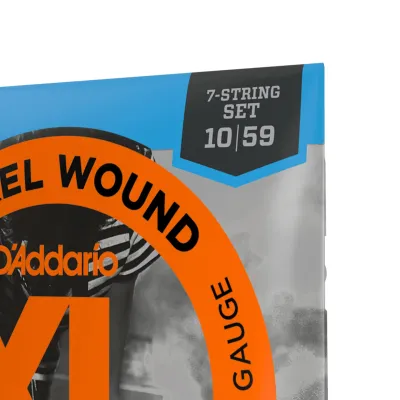
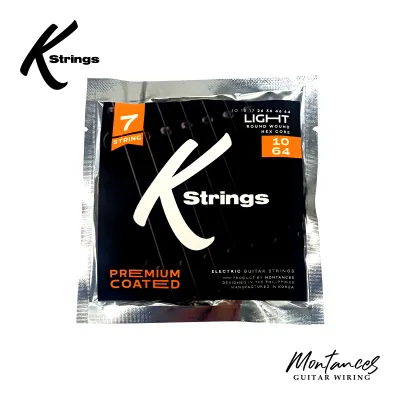



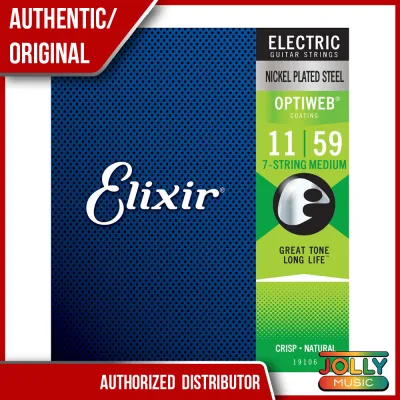
Prices are valid at publication and may change. Please refer to the product page for the latest price.
Scale length—the distance between the guitar’s nut and bridge saddles—plays an equally vital role in determining string tension. Standard 7-string guitars often feature a 25.5-inch scale length, which requires slightly thicker strings to keep the low B from feeling loose. Baritone instruments (typically 26.5 to 27 inches) and multiscale guitars (which feature fanned frets with a longer scale on the bass side) naturally generate more tension, allowing you to use thinner string gauges while maintaining excellent structural tightness.
The physical construction of the string core and wrap wire also heavily influences flexibility and tonal character. Most modern strings utilize a hexagonal steel core, which grips the outer wrap wire tightly to provide a stiff feel, bright attack, and highly consistent pitch stability. Round cores offer a more flexible, vintage feel with increased sustain, though they require careful installation to prevent the wrap wire from slipping. For the outer wrap, roundwound wires provide a bright, textured surface, while flatwound options offer a completely smooth feel and a warm, muted acoustic response.
String Selection for Metal and Heavy Rhythms
Executing precise, high-gain metal rhythms requires a string set that maintains absolute clarity and rapid transient attack on the lowest notes. If your low B string is too thin for your guitar’s scale length, it will suffer from low tension, causing it to wobble excessively, buzz against the frets, and temporarily go sharp when struck hard with a heavy pick. To prevent this muddy response, metal players generally favor heavier low-end gauges, often ranging from .059 to .064 or thicker, paired with standard light top strings.

Material composition is another critical variable for achieving a cutting metal tone. Nickel-plated steel is the industry standard, offering a balanced combination of bright high-end bite and strong magnetic output that interacts efficiently with high-gain humbuckers. For players seeking an even sharper transient attack and maximum output, cobalt-infused wraps provide enhanced magnetic response, helping complex chord voicings and fast palm-muted gallops cut through a dense band mix.
Achieving a balanced tension profile across all seven strings is essential for maintaining consistent playing dynamics. Many manufacturers package specialized “heavy bottom, light top” sets designed specifically for drop tunings, such as Drop A or Drop G. These configurations ensure that your low rhythm strings remain stiff and responsive for aggressive down-picking, while the higher strings retain enough flexibility for fluid, expressive guitar solos.
String Selection for Jazz and Fusion
Jazz and fusion players prioritize warmth, dynamic sensitivity, and smooth physical playability over raw high-gain bite. In these genres, the seventh string is frequently used to extend chord voicings, walk basslines, or provide a deep, resonant foundation beneath complex melodies. To facilitate comfortable chord grips, intricate fingerstyle patterns, and fast legato runs, jazz guitarists typically opt for light-to-medium string gauges that reduce hand fatigue during long performances.
For a traditional, warm jazz voice, pure nickel wrap strings are an exceptional choice. Unlike nickel-plated steel, pure nickel delivers a rich, organic midrange and a naturally rolled-off high end that tames harsh frequencies. If you want to eliminate finger squeak entirely and achieve an ultra-smooth physical feel, flatwound strings are highly recommended. Flatwounds produce a dark, mellow tone with a thumpy, focused attack that beautifully mimics the acoustic character of an archtop guitar.
When selecting strings for jazz, it is also important to consider how their magnetic properties interact with your pickups. Pure nickel and flatwound strings generally have a slightly lower magnetic output than steel or cobalt, which helps prevent your pickups from clipping. This lower output preserves clean headroom, ensuring that your complex chord extensions—such as major 9th or minor 11th chords—remain beautifully articulated and free of unwanted distortion.
String Selection for Progressive and Technical Playing
Progressive metal and technical rock demand an incredibly versatile string setup that can handle rapid transitions between heavy rhythm patterns, intricate tapping sequences, and wide interval leaps. For these demanding styles, balanced tension string sets are highly beneficial. These specialized sets are engineered so that every string exerts a highly similar amount of physical pull on the neck, providing a uniform feel across the entire fretboard and preventing accidental over-bending on individual strings.
In the highly humid climate of the Philippines, sweat and airborne moisture can quickly corrode raw metal strings, leading to a rough physical texture and a dead, lifeless tone within just a few days of intense practice. Coated or treated strings are an excellent solution for technical players who require long-lasting performance. These strings feature an ultra-thin protective barrier that shields the metal from sweat and oils, preserving a slick, fast feel and bright harmonic clarity for weeks of rigorous playing.
This lasting harmonic clarity is vital for progressive music, which frequently utilizes extended-range chord voicings and complex tapping techniques. A fresh, high-quality set of strings ensures that high-register tapped notes ring out with pristine sustain, while the low B string provides the clean note separation necessary to keep intricate, polyrhythmic riffs from sounding cluttered or indistinct.
Pre-Purchase Checks and Instrument Compatibility
Before purchasing a new set of 7-string guitar strings, you must perform a few physical checks to ensure the strings are fully compatible with your instrument’s hardware. The most common issue when upgrading to heavier string gauges is the size of the tuning peg hole for the seventh string. Standard tuning pegs are often drilled to accommodate strings only up to .056 or .060 inches; if you purchase a set with a .064 or .070 low B, the string may not fit through the peg hole. In such cases, you must verify if the string has a tapered end, or prepare to have a qualified luthier carefully enlarge the peg hole.
Additionally, inspect your guitar’s bridge saddles and nut slots. The physical slots in the nut must be wide enough to allow the thicker strings to sit fully inside them without binding. If a thick string is forced into a narrow nut slot, it will pinch, causing severe tuning instability whenever you bend a string or use a tremolo system. You should also ensure that your bridge saddles have enough physical travel to allow for proper intonation adjustments, as thicker strings require the saddle to be moved further back to play in tune across the entire fretboard.
Finally, always read the exact decimal measurements printed on the string packaging rather than relying on generic marketing terms like “Light,” “Medium,” or “Heavy.” Different manufacturers use completely different gauge combinations for these labels, and a set labeled “Medium” by one brand might feel significantly stiffer than a “Medium” set from another. Verifying the exact measurements of each individual string ensures you get the precise tension profile required for your scale length and tuning preferences.
Frequently Asked Questions (FAQ)
Do I need a special setup when switching 7-string gauges?
Yes, changing your string gauges alters the total physical tension exerted on your guitar’s neck, which requires a complete setup adjustment to maintain optimal playability. If you switch to a heavier set of strings, the increased tension will pull the neck forward, increasing the neck relief (bow) and raising your action. To correct this, you will need to perform a truss rod adjustment to flatten the neck, followed by adjusting the bridge saddle heights to your preferred action. You must also adjust the saddle positions to correct the intonation, and you may need to carefully file the nut slots to prevent the thicker strings from binding.
How often should I change my 7-string guitar strings?
How often you should change your strings depends on your playing frequency, sweat acidity, and environmental conditions. In humid tropical climates, untreated steel strings can begin to oxidize rapidly, showing visual signs of rust, dark spots, or physical corrosion near the bridge and nut within two to three weeks. You should replace your strings immediately if you notice a significant loss of tuning stability, a dull and muddy tone with reduced sustain, or a rough, scratchy texture under your fingers. Using coated strings or thoroughly wiping down your strings with a clean microfiber cloth after every playing session can significantly extend their lifespan.
Community discussion
Share your experience or ask a question. Comments are reviewed before publication.