
To determine if a SEVENTEEN album is genuinely factory-sealed, you must closely examine the physical characteristics of the outer plastic wrap, the precision of the heat-sealed seams, and the placement of the official hologram sticker. A genuine seventeen album sealed at the factory features tight, micro-thin shrink wrap with clean, straight heat-seal lines and an intact official distributor sticker (such as the KOMCA or HYBE label) typically positioned underneath or perfectly aligned with the wrap. If the plastic is loose, has uneven or melted seams, or features a crooked sticker stuck on the outside of the wrap, the album has likely been opened and resealed.
For dedicated collectors in the Philippines, purchasing these physical releases is a major investment. Because random inclusions like photocards, postcards, and special bookmarks drive the collectible value, unauthorized sellers frequently open albums to harvest rare items, replace them with less desirable ones, and then reseal the package to sell it as “brand new.” Knowing how to spot these tampered packages before you break the seal is essential to protecting your hard-earned money.
Why Verifying a Factory-Sealed K-Pop Album Matters
In the K-pop collecting community, physical albums are far more than just a delivery mechanism for a compact disc. They are carefully curated art books and highly sought-after collector pieces. For groups like SEVENTEEN, each comeback features multiple album versions—ranging from massive deluxe box sets to compact “Carat versions” and Weverse digital editions. The primary appeal of buying a brand-new, factory-sealed album is the guarantee of untampered, randomized inclusions. Inside, collectors expect to find pristine photobooks, lyric leaflets, and, most importantly, random photocards, polaroids, and folded posters.
Products mentioned in this guide
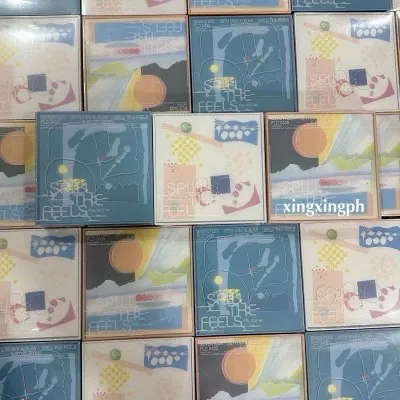
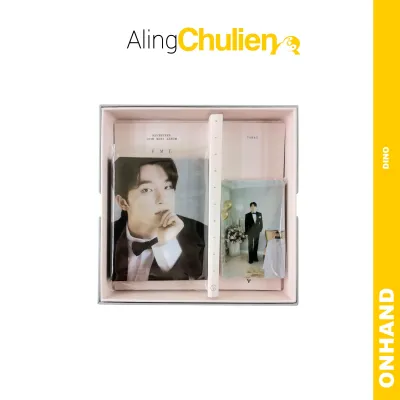
![[ON-HAND] Seventeen the Best 17 is Right Here Dear Version Unsealed](https://img.lazcdn.com/g/p/4b9dd47b14fc1b815238f9b8f6795ff0.jpg_400x400q80.jpg_.webp)
![[ON-HAND] Seventeen Spill the Feels Carat Version Unsealed](https://img.lazcdn.com/g/p/0755c9c86bec0116b3bb163d82403f5d.jpg_400x400q80.jpg_.webp)
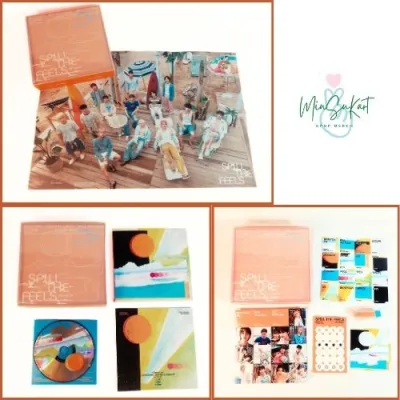
Prices are valid at publication and may change. Please refer to the product page for the latest price.
This high demand for specific member photocards has spawned an active secondary market. Unfortunately, it has also incentivized some opportunistic sellers to engage in “album pulling.” These sellers carefully open a factory-sealed album, extract the highly sought-after photocards (often to sell them individually at inflated prices), insert less popular items or leave the album incomplete, and then use commercial shrink-wrapping tools to reseal the box. They then list these tampered items as “sealed” to command a premium price.
It is important to clarify that a resealed album does not necessarily contain a counterfeit CD. The disc itself and the photobook are usually official, manufactured goods. However, the item is heavily misrepresented. You are paying the price of a pristine, untouched collectible while receiving a product that has been picked over, losing the fair chance of pulling your favorite member’s rare inclusions.
Authentic Traits of a Genuine SEVENTEEN Album Seal
To protect your collection, you must familiarize yourself with the standard packaging characteristics applied by official manufacturers. Korean music labels utilize high-grade, industrial-capacity packaging lines that produce consistent, clean results.

Shrink Wrap Texture and Seam Quality
The plastic shrink wrap used on official SEVENTEEN releases is incredibly thin, clear, and conforms tightly to the album’s contours. Because these albums are wrapped using high-precision industrial L-sealers, the plastic should lay flat against the flat surfaces of the box and wrap snugly around the corners without leaving large, loose flaps or excess “dog ears” (pointed folds of plastic sticking out at the corners).
Pay close attention to the heat-sealed seams. On a genuine factory seal, the seams are remarkably straight, thin, and consistent. Depending on the album’s design—such as the thick box sets of An Ode or the sleek digipaks of Sector 17—the seam is typically located neatly along the back center, the bottom edge, or running cleanly down the sides. The plastic itself should feel smooth and slightly flexible to the touch, rather than stiff, brittle, or excessively crinkly. In the tropical, high-humidity climate of the Philippines, cheap aftermarket plastics can sometimes feel sticky or leave a greasy residue, whereas factory-grade shrink wrap maintains its clean, smooth texture.
Official Hologram Stickers and Placement
Another primary indicator of authenticity is the official security hologram sticker. For Korean music releases, these are issued by organizations like the Korea Music Copyright Association (KOMCA) or directly by the parent label, HYBE/Pledis. These stickers feature intricate, shifting optical patterns, logos, and serial numbers that change color and shape when you tilt the album under a light source.
On a genuine factory-sealed album, the sticker is almost always applied directly to the album’s outer cardboard casing underneath the shrink wrap. When you run your finger over the sticker area, you should feel the smooth plastic wrap covering it, not the raw texture of the sticker itself. Additionally, the sticker should lay perfectly flat. Because these are applied in a controlled factory environment, there should be no trapped air bubbles, dust particles, or wrinkles underneath the adhesive. If the sticker is perfectly aligned with the edges of the album cover and sits securely beneath the tight plastic, it is highly likely to be an authentic factory seal.
Red Flags That Point to a Resealed Album
Recognizing the traits of a genuine seal is only half the battle. You must also train your eye to spot the physical imperfections left behind by manual, non-industrial resealing methods.
Irregular Seams and Heat Damage
Sellers who reseal albums at home typically do not have access to expensive industrial packaging machinery. Instead, they rely on hand-operated impulse sealers, shrink-wrap bags, and handheld heat guns or high-wattage hair dryers to shrink the plastic. This manual process leaves distinct, messy clues.
First, look for thick, uneven, or jagged heat seams. If the seam line looks like a melted, wavy plastic ridge rather than a clean, straight line, it is a clear sign of manual sealing. Second, inspect the corners and edges for physical heat damage. Because handheld heat guns are difficult to control, they often leave localized burn marks, small melted holes, or warped, distorted areas on the plastic wrap. If the plastic feels excessively thick, rigid, or displays a cloudy, uneven texture, the seller has likely used generic, low-quality shrink-wrap film that differs significantly from the lightweight, high-clarity material used by official manufacturers.
Crooked or Compromised Security Stickers
Tampering with security stickers is incredibly difficult to do cleanly, making them a prime area to inspect for red flags. If you notice that the hologram sticker is stuck on the outside of the shrink wrap when the official release standard dictates it should be underneath, the album has almost certainly been resealed. Sellers sometimes peel the sticker off the original wrap and try to glue it onto the new plastic, or they buy counterfeit stickers to place on top.
Look closely at the edges of the hologram sticker. If the sticker has been peeled and reapplied, you will often see tiny stretch marks, bent corners, or a loss of holographic clarity where the metallic foil has separated. You might also spot tiny specks of dust trapped under the sticker, or sticky adhesive residue bleeding out from the sides. Furthermore, be highly suspicious of any album held together by generic “security” tape, plain transparent tape, or circular sticker seals that do not feature the official KOMCA or HYBE holographic branding. Official manufacturers do not use office tape to seal their premium music products.
Inspecting the Album Without Breaking the Seal
If you have purchased an album online or are inspecting one at a local pop-up market, you can perform several non-destructive checks to verify its integrity before you decide to tear open the plastic.
First, examine the back cover of the album through the shrink wrap. Verify that the barcode, ISBN, catalog number, and tracklist match the official release databases exactly. You can easily cross-reference these details using online discography databases. Any mismatch in the catalog numbers suggests that the outer packaging does not belong to the disc inside.
Second, gently feel the edges and weight of the package. Official SEVENTEEN albums are known for their generous inclusions, which often make the package feel substantial and solid. Without pressing hard enough to dent the cardboard box or tear the plastic, gently feel if the interior contents slide around excessively. A completely empty or cherry-picked album will often feel unusually light, and you may hear loose items rattling around because the structural photobook or photocard envelope has been removed.
Third, check the alignment of the CD tray or hub if the album design allows you to view it through a transparent or semi-transparent outer sleeve. Ensure that the disc is securely seated in its plastic tray. If the tray sits unevenly or the disc is loose, it could indicate that the package was opened and the disc was not reinserted properly.
Remember that a single minor visual flaw—such as a tiny wrinkle in the plastic corner—could simply be a rare factory variation. However, if you observe a combination of these signs, such as a loose wrap, a messy seam, and a crooked sticker on the outside of the plastic, you should treat the item as highly suspect and avoid opening it until you have contacted the seller.
Buying Safely in the Philippines and Handling Disputes
Navigating the K-pop market in the Philippines requires a mix of caution and smart purchasing habits. To minimize the risk of buying a tampered seventeen album sealed copy, always prioritize official and reputable channels.
Before finalizing any purchase, always verify the specific album edition, language, medium, regional playability restrictions, and expected content completeness. For instance, SEVENTEEN releases often feature distinct regional editions (such as Japanese versus Korean pressings) that have different packaging styles and inclusions. Never infer the exact contents of an edition solely from the cover art or listing title; always cross-reference with official tracklists and authorized distributor specifications.
Whenever possible, purchase your albums from official local K-pop specialty stores, major physical music retailers, or established online sellers who import directly from South Korea (such as those with verified Hanteo and Gaon/Circle Chart family shop badges). When browsing local e-commerce platforms, carefully read the product descriptions and customer reviews. Be skeptical of listings that use ambiguous phrasing like “resealed,” “checked for inclusions,” “unsealed but complete,” or “open box but sealed.” These terms are clear indicators that the seller has opened the packaging, and the item is no longer in its original factory state.
If you do purchase an album online, protect yourself by recording a continuous, unedited unboxing video. Start the recording in a well-lit room, ensuring the camera clearly captures the shipping label with your tracking details, the unbroken outer courier pouch, and all sides of the sealed album before you begin opening it. Keep the album within the camera frame at all times; do not cut, edit, or pause the video.
If you open the album and find that the photocard envelope is empty, inclusions are missing, or the CD is incorrect, this unedited video serves as your primary evidence. You can use it to file a formal dispute and request a refund or exchange through the buyer protection programs of major local e-commerce platforms. Without a clear, continuous unboxing video, most reputable sellers and platforms will reject claims of missing inclusions, as they cannot verify if the package was tampered with before or after delivery.
Frequently Asked Questions (FAQ)
Can I use a UV light to check the shrink wrap?
While a UV (blacklight) flashlight is a highly effective tool for verifying the authenticity of the album itself, it cannot reliably authenticate the plastic shrink wrap. You can use a UV light to check for hidden security threads, watermarks, or fluorescent inks on the official hologram stickers and the album cover art. However, standard industrial shrink wrap and generic aftermarket plastic wrap look identical under UV light. Therefore, the absence of a UV reaction on the plastic wrap does not prove whether the album is factory-sealed or resealed.
Does a missing hologram sticker always mean the album is resealed?
A missing hologram sticker is a major red flag, but it does not automatically guarantee that the album has been resealed. In rare cases, manufacturing defects on the assembly line can cause a sticker to be missed, or specific promotional, press, or regional editions distributed outside of South Korea might omit the standard KOMCA sticker. If you encounter an album without a sticker, do not panic immediately. Instead, carefully scrutinize the quality of the shrink wrap seams, check for signs of heat damage, and evaluate the seller’s overall reputation and feedback before making your decision.
Community discussion
Share your experience or ask a question. Comments are reviewed before publication.