
Quick Answer: Securing Genuine K-Pop and P-Pop Collectibles
To secure authentic K-Pop and P-Pop CDs, albums, and concert merchandise in the Philippines, you must prioritize purchasing directly from official entertainment agency webstores, authorized local distributors, or established physical music retailers. Genuine items feature distinct security markers, such as official holographic stickers, precise manufacturing alignments, and functional Bluetooth connectivity for electronic items like lightsticks.
When shopping online, avoid deals that seem too good to be true, and always demand a complete, unedited unboxing video from the moment you receive the package. If you suspect you have received a counterfeit item, immediately document the physical discrepancies and initiate a dispute through your payment provider or the customer support channel of the ecommerce platform.
Recognizing Authentic K-Pop and P-Pop CDs and Merchandise
Identifying genuine physical albums and concert goods requires a close inspection of manufacturing standards. Official entertainment companies in South Korea and the Philippines adhere to strict quality control protocols, resulting in crisp, high-definition printing and robust packaging materials.
Products mentioned in this guide
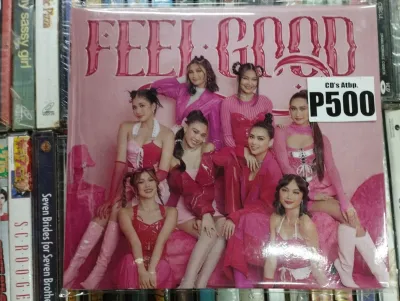
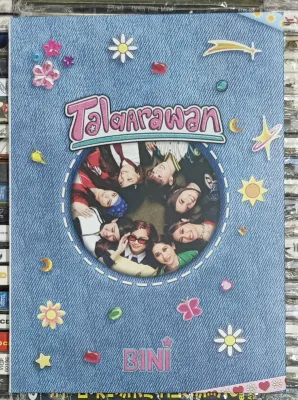
Prices are valid at publication and may change. Please refer to the product page for the latest price.

The most reliable indicator of an authentic K-Pop album is the official KOMCA (Korea Music Copyright Association) holographic sticker, or the corresponding local licensing seal for P-Pop releases. These stickers are typically affixed to the back of the album cover or outer sleeve. When tilted under a light source, the holographic pattern should shift smoothly and display clear, micro-printed security details rather than a flat, static metallic sheen.
Examine the physical texture and weight of the photobook and outer packaging. Authentic albums use heavy, premium cardstock and specialized paper finishes that resist minor moisture and humidity. The printing must be exceptionally sharp, with no color bleeding, pixelation, or misaligned text on the spine and credits page.
For CDs, the disc itself should have a clean, professionally printed surface with a visible matrix number and barcode etched into the inner ring of the playable side. Official publisher logos, copyright notices, and distributor marks must be clearly legible under close inspection.
Concert merchandise, particularly lightsticks, features specific manufacturing markers. Authentic lightsticks are constructed from durable, matte or high-quality glossy plastics that do not feel flimsy or hollow. They include official brand tags, molded logos on the battery compartment, and precise battery contact terminals that prevent loose connections during use.
Red Flags: How to Spot Counterfeit Albums and Goods
Counterfeit products often exhibit distinct physical defects that reveal their unofficial origin. Bootleg albums frequently suffer from poor image reproduction, resulting in blurry photobook pages, washed-out colors, and pixelated graphics that suggest the manufacturer used scanned images rather than original digital files.
The paper quality of fake photobooks is typically thin and prone to warping, especially in the humid tropical climate of the Philippines. You may also notice missing inner sleeves, poorly glued bindings that crack easily, or photocards with rough, unevenly cut edges and incorrect rounded corner radiuses.
In counterfeit concert goods, structural flaws are highly common. Fake lightsticks often feature poorly molded plastic seams, rattling internal components, and incorrect color shades on the LED lights. Most importantly, counterfeit lightsticks almost always lack the necessary internal hardware to connect to official concert venue Bluetooth systems or dedicated mobile applications.
Transactional behavior can also signal a scam. Be highly suspicious of sellers offering brand-new, sealed albums or rare concert goods at prices significantly below the standard retail value. Authentic items carry fixed manufacturing and international shipping costs, making extreme discounts highly unrealistic.
Avoid sellers who refuse to provide original, high-resolution photos of the actual stock or those who rely solely on official promotional images. A trustworthy seller will willingly share clear photos of the holographic stickers, batch numbers, and packaging details upon request.
Trusted Channels for Buying Authentic Items in the Philippines
Navigating the marketplace requires choosing the safest purchasing channels. Buying directly from the official global webstores of entertainment agencies remains the most secure method, though this option often incurs high international shipping fees and potential customs duties upon arrival.
To mitigate shipping costs, many fans turn to established local physical music stores and authorized domestic distributors. These retailers import items in bulk, ensuring that the products are genuine while offering the convenience of local payment methods and faster domestic shipping.
When utilizing general ecommerce platforms, you must exercise extreme caution. Limit your purchases to official mall stores or sellers with verified badges and high positive feedback ratings. Avoid unverified third-party listings that offer no buyer protection or clear return policies.
If you choose to buy from independent online sellers or participate in group orders, vet the organizer thoroughly. Check their historical transaction records, look for active customer feedback threads on social media, and verify if they are recognized as an authorized reseller by established fan bases.
For fan-to-fan trading or purchasing second-hand items, always request a continuous chain of custody. Ask the seller to provide the original purchase receipt, order confirmation emails, and a video of the item showing a unique handwritten note with their username and the current date.
Verifying Your Purchase and Handling Counterfeits
Once your package arrives, the verification process should begin immediately. For electronic merchandise like lightsticks, download the official companion application developed by the entertainment agency. Turn on the device and attempt to pair it via Bluetooth; counterfeit lightsticks will fail to sync or register with the official app.
Always record a continuous, unedited unboxing video starting from the moment you open the courier’s pouch. Ensure the shipping label, tracking number, and all sealed edges of the package are clearly visible in the frame before you break the seal. This video serves as your primary evidence if the item is damaged or counterfeit.
If you discover that the product is a fake, document the specific physical discrepancies by taking clear, well-lit photos next to known authentic reference points. Compile these images alongside your unboxing video to build a comprehensive dispute file.
Initiate a formal return and refund request through the ecommerce platform’s resolution center immediately, adhering strictly to their specified filing window. If the seller operates independently, contact your payment provider or credit card company to request a chargeback based on the receipt of counterfeit goods.
For unresolved disputes with local businesses or registered sellers, you can seek assistance from the Department of Trade and Industry (DTI) or local consumer protection agencies in the Philippines. Filing a formal complaint with documented evidence helps protect the wider community from fraudulent operations.
Frequently Asked Questions (FAQ)
Do unofficial fan-made goods count as counterfeit items?
Unofficial fan-made goods, often referred to as fan merchandise or fan art, do not count as counterfeit items as long as they are clearly marketed as unofficial, fan-created tributes. These items, such as custom art prints, keychains, and fan-designed apparel, are widely accepted within the community as creative expressions of support.
In contrast, counterfeit items or bootlegs are unauthorized replicas designed to deceive buyers. They illegally copy official designs, logos, and album contents with the intent of passing them off as genuine, licensed products, which directly harms the original artists and entertainment agencies.
Can I trust a seller if they provide a receipt from an overseas store?
While an overseas receipt is a helpful indicator, it is not a foolproof guarantee of authenticity. Receipts can be easily forged, digitally altered, or reused across multiple transactions for different items.
To verify the claim, cross-reference the transaction date, store location, and itemized details on the receipt with the seller’s actual stock and shipping timeline. Prioritize sellers who can provide a continuous chain of custody, such as matching tracking numbers or video proof of the specific item being unboxed from the original overseas shipment.
Community discussion
Share your experience or ask a question. Comments are reviewed before publication.