
Finding authentic BTS albums in the Philippines requires navigating a diverse landscape of global platforms, local music chains, and independent specialty shops. To ensure your hard-earned pesos go toward genuine releases that directly support the artist, you must know how to identify authorized distributors and verify product details before making a purchase. While ordering directly from official global platforms is the most secure route, local options and specialized K-pop stores offer more accessible shipping rates and faster delivery times if you know what verification steps to take. By understanding how the supply chain works and learning to spot key physical markers of authenticity, you can confidently build your collection with genuine merchandise.
Identifying Official and Authorized Retailers for BTS Albums
Purchasing music from international artists requires a clear understanding of supply chains, especially when shipping to the Philippines. The most direct and indisputably authentic source for BTS merchandise is the official global fan community platform, Weverse Shop. When ordering directly from this platform, buyers in the Philippines can choose between direct international shipping or utilizing local freight forwarding services. Direct shipping is highly reliable but often comes with substantial shipping fees that can exceed the cost of the album itself. Additionally, buyers must remain mindful of the de minimis value threshold in the Philippines; importations with a total value, including shipping and insurance, of under ₱10,000 are generally exempt from customs duties, so consolidating large group orders requires careful calculation to avoid unexpected fees at the local post office or courier hub.
For those who prefer to buy locally, several established music retail chains and department store music sections operate across major metropolitan areas like Metro Manila, Cebu, and Davao. These retailers secure their stock through official distribution agreements with South Korean music labels. To verify if a local physical store is an authorized retailer, buyers can cross-reference the official artist website or the label’s social media channels during pre-order periods. BIGHIT MUSIC frequently publishes lists of official retail partners for global regions. If a local store is not explicitly listed, they may still source their albums from authorized global distributors, which can be verified by checking their import documentation or asking store representatives about their supply chain.
Products mentioned in this guide
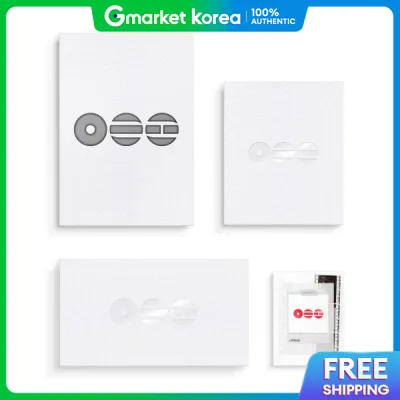
![[ON-HAND] BTS ARIRANG 5th ALBUM SEALED](https://img.lazcdn.com/g/p/1536f93bd2a481663e3635b36401108c.jpg_400x400q80.jpg_.webp)
![[+WEVERSE / SOUNDWAVE GIFT ] BTS - 5th Full Album [ ARIRANG ] Living Legend Ver.](https://img.lazcdn.com/g/ff/kf/S4197e6bd0b0242be9987a1f444fd473dV.jpg_400x400q80.jpg_.webp)
![[ +WEVERSE / SOUNGWAVE GIFT ] BTS - 5th Full Album [ ARIRANG ]](https://img.lazcdn.com/g/ff/kf/Sbabf10f3a5ad4a328a41a07af4750642s.jpg_400x400q80.jpg_.webp)
![[+WEVERSE / SOUNDWAVE GIFT ] BTS - 5th Full Album [ ARIRANG ] Weverse Albums ver.](https://img.lazcdn.com/g/ff/kf/Sbeffc31247f64936b821b793ff718736f.jpg_400x400q80.jpg_.webp)
![[ + WEVERSE / SOUNGWAVE GIFT ]BTS - 5th Full Album [ ARIRANG ] ARIRANG (Set) + ARIRANG (Living Legend Ver.) Set](https://img.lazcdn.com/g/ff/kf/S5d81a246b25046eaa8d2a24a377062a5z.jpg_400x400q80.jpg_.webp)
![BTS - 5th Full Album [ ARIRANG ] Standard ver.](https://img.lazcdn.com/g/ff/kf/S74f85e99c1844b16b6f1867c64b6f9ab3.jpg_400x400q80.jpg_.webp)
Prices are valid at publication and may change. Please refer to the product page for the latest price.
Verifying Specific Stores and Search Terms Like Arirang
When searching for specific local retailers using terms like “arirang bts album,” buyers will find a vibrant ecosystem of independent K-pop specialty shops in the Philippines. Stores like Arirang K-Store and similar boutique retailers serve as parallel importers, purchasing albums in bulk directly from South Korean wholesalers and shipping them to local warehouses. While these shops are not direct corporate partners of the artist’s label, they can still provide authentic products if they source their inventory from verified Hanteo-certified wholesalers. To validate the authenticity of these independent shops, look for transparent business registrations, active physical storefronts in established commercial centers, and a consistent history of positive customer feedback.

Before purchasing from any independent online shop or physical boutique, ask the seller for proof of their distributor connections or check if they display a Hanteo Family certificate. Legitimate sellers are proud to showcase their official association with South Korean music charts because it attracts dedicated collectors. Furthermore, every authentic BTS album is adorned with a Korea Music Copyright Association (KOMCA) holographic sticker on the back cover. This sticker features a unique serial number and a reflective design that changes color under different lighting angles. Older albums may feature silver stickers, while newer releases utilize gold holographic designs. If a seller’s product images show a blurred, missing, or poorly printed KOMCA sticker, this is an immediate sign of an unauthorized or counterfeit product.
Checking Album Authenticity and Version Details Before Checkout
Ensuring your album is genuine involves a meticulous pre-purchase inspection of the product details and physical specifications. One of the most critical elements for K-pop collectors is chart tracking. Authentic albums should contribute to major South Korean music charts, specifically the Hanteo Chart and the Circle Chart (formerly Gaon Chart). When browsing a local retailer’s website, look for the official Hanteo Family logo along with their unique merchant identification number. If this information is missing, contact the store’s customer support to confirm if your purchase will be reported to the charts. Genuine sales tracking is a hallmark of authorized distribution, as counterfeit or bootleg copies never contribute to these industry metrics.
Additionally, always verify the exact format, language, and region-specific edition of the album before finalizing your order. BTS albums are frequently released in multiple distinct versions, each featuring unique photobooks, concept art, and physical packaging. Read the detailed product descriptions carefully rather than relying solely on the primary listing image, which may be a generic placeholder. In the tropical climate of the Philippines, high humidity can easily damage paper-based collectibles. Authentic albums are sealed in tight, high-quality shrink wrap that protects the contents from moisture. Inspect the seal for clean, machine-cut edges; loose, messy, or hand-sealed plastic wrap often indicates that the album has been opened, potentially to remove or swap valuable inclusions like official photocards, postcards, or limited-edition posters.
Avoiding Common Pitfalls on Online Marketplaces
Navigating general online marketplaces and ecommerce platforms in the Philippines requires a high level of vigilance, as these spaces are highly susceptible to unauthorized third-party sellers. One of the most common red flags is a suspiciously low price. If an album’s standard retail price in South Korea translates to roughly ₱1,200, any listing offering a brand-new, sealed copy for ₱400 or less should be treated with extreme skepticism. Counterfeiters often produce low-quality replicas of popular albums, which lack the high-definition print quality, sturdy cardboard construction, and official holographic seals of genuine releases.
Another major risk on general marketplaces is purchasing “unsealed” albums. While some collectors sell unsealed albums at a discount because they only want to keep the photocard, unauthorized vendors often use this as an opportunity to sell counterfeit goods or incomplete packages. If you decide to purchase an unsealed album to save money, establish clear stop conditions for the transaction. Request detailed, high-resolution photos of the actual item, including the disc matrix code on the underside of the CD and the texture of the photobook pages. If the seller refuses to provide these photos, uses blurred stock images, or cannot verify the origin of the album, cancel the transaction immediately to protect your investment.
Frequently Asked Questions (FAQ)
Do official BTS albums purchased in the Philippines count toward music charts?
Yes, official BTS albums purchased in the Philippines can count toward South Korean music charts like Hanteo and Circle Chart, but only if they are bought from authorized retailers. These retailers must be registered members of the Hanteo Family network or source their inventory directly from certified Korean distributors who report sales data. When shopping at local independent stores or specialized K-pop boutiques, always look for an official Hanteo Family sponsor badge or ask the seller for their merchant partner ID. Purchases made directly from official global platforms like Weverse Shop are automatically tracked and reported to these charts, ensuring your support directly impacts the group’s music show rankings and award nominations.
What should I do if I receive a damaged or suspected counterfeit album?
If you receive an album that is damaged or suspected to be counterfeit, your immediate priority is documentation. Before opening your package, record a continuous, unedited unboxing video starting from the sealed outer shipping box, clearly showing the shipping label and tracking details. Carefully film the physical state of the album, focusing on the shrink wrap, the KOMCA holographic sticker, and the quality of the internal inclusions. If you detect signs of a counterfeit—such as blurry printing, a missing hologram, or a duplicated serial number—or if the item suffered severe water or impact damage during transit, immediately file a dispute through the ecommerce platform’s resolution center or contact the store’s customer service department, using your unboxing video as primary evidence.

Community discussion
Share your experience or ask a question. Comments are reviewed before publication.