
To make bedtime stories a consistent daily habit, you need to anchor the reading session to an existing evening routine, create a comfortable and distraction-free environment, and let your child actively participate in choosing the books. Consistency does not require rigid hours or long, exhausting sessions; rather, it thrives on predictable patterns, warm physical connection, and a selection of books that match your child’s developmental stage. By treating storytime as a relaxing wind-down ritual rather than an academic chore, you can establish a lifelong love for reading while helping your child transition peacefully into sleep.
Establishing this habit in a busy household can feel challenging, especially when balancing work, household chores, and evening energy slumps. In tropical climates like the Philippines, where warm evenings might make children restless, a structured wind-down routine helps lower their body temperature and heart rate, preparing them for rest. By focusing on small, manageable steps, you can transform bedtime reading from a sporadic goal into an effortless, cherished part of your family’s daily life.
Why a Consistent Bedtime Story Routine Matters
Daily reading plays a fundamental role in a child’s cognitive growth and language acquisition. When children hear stories regularly, they are exposed to a wider vocabulary, complex sentence structures, and diverse ideas that they might not encounter in everyday conversations. This consistent exposure helps build their comprehension skills, strengthens their imagination, and prepares them for formal education. Over time, listening to stories enhances their attention span and critical thinking as they learn to follow plots and predict outcomes.
Products mentioned in this guide

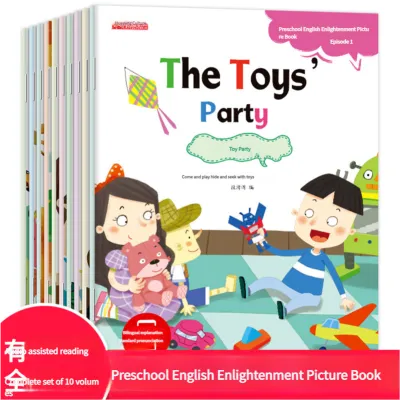

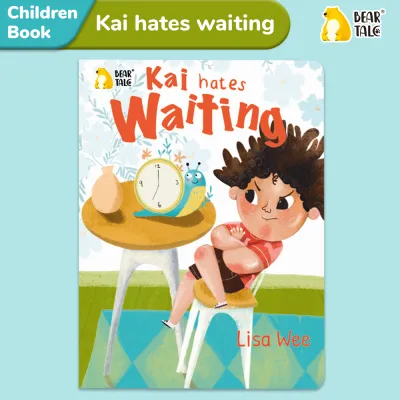
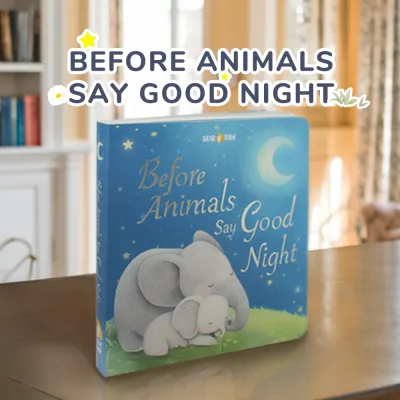
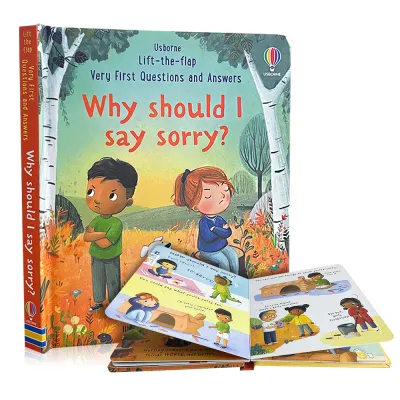


Prices are valid at publication and may change. Please refer to the product page for the latest price.
Beyond the academic advantages, bedtime reading fosters deep emotional bonding between parent and child. Sitting close together, sharing a physical book, and listening to the soothing tone of your voice creates a powerful sense of safety and security. This dedicated, undivided attention reassures your child at the end of a busy day, strengthening your relationship and building their emotional resilience. In a fast-paced world, these quiet moments become a reliable anchor of comfort and love.
Furthermore, a regular storytime acts as a powerful psychological cue that signals the transition from active wakefulness to sleep. The human brain thrives on predictable patterns, and children are especially sensitive to routines. When a story is consistently read right before lights-out, the brain begins to associate the act of reading with winding down. This association triggers the natural relaxation response, making it easier for your child to let go of the day’s excitement, quiet their mind, and drift off into a peaceful slumber.
Creating a Calm and Inviting Reading Space
The physical environment plays a crucial role in how easily your child transitions from playtime to storytime. To set the stage for a peaceful reading session, start by adjusting the lighting in the bedroom. Bright overhead lights stimulate the brain and mimic daylight, which can keep your child alert. Instead, switch to a warm, dim bedside lamp or a reading light that illuminates the pages of the book without flooding the entire room with brightness. This subtle shift in lighting immediately signals to your child’s body that it is time to slow down.
Minimizing digital distractions is equally important for maintaining focus during storytime. Ensure that televisions, tablets, and smartphones are turned off and kept out of sight, as the blue light and interactive nature of screens can easily disrupt the production of melatonin, the sleep hormone. Additionally, try to clear the immediate reading area of highly stimulating toys, action figures, or loud games that might compete for your child’s attention. A clean, uncluttered space allows both you and your child to focus entirely on the narrative.
In warm tropical environments, physical comfort is essential to prevent restlessness during reading. Ensure the room is well-ventilated, whether that means turning on a quiet electric fan, adjusting the air conditioning, or ensuring a comfortable breeze through screened windows. Dress your child in lightweight, breathable cotton pajamas so they do not get uncomfortably warm while snuggling. When their physical body is cool and comfortable, they are much more likely to sit still and engage with the story.
To make books an inviting part of the room, organize them on low, forward-facing shelves where your child can easily see the covers. Traditional bookshelves that only display the spines of books can be uninspiring for young children who rely on visual cues. Forward-facing shelves display the colorful cover art, making the books look like exciting invitations to explore. Placing these shelves at your child’s eye level empowers them to browse independently and choose their own bedtime adventure, fostering a sense of ownership over their reading journey.
Step-by-Step Guide to Building the Habit
Building a new habit is easiest when you attach it to an existing, automatic routine—a strategy known as habit stacking. Instead of trying to find a random time to read each night, anchor storytime directly to a task your child already does without fail, such as brushing their teeth, washing their face, or putting on their pajamas. For example, the sequence could be: bath, pajamas, teeth brushing, and then immediately climbing into bed for a story. By linking reading to these established physical cues, the habit quickly becomes an expected, non-negotiable part of the evening flow.
Consistency is key, but flexibility is what makes a habit sustainable. Aim to start the bedtime routine at roughly the same time every night to help regulate your child’s internal circadian rhythm. However, do not feel pressured to commit to an hour of reading every single evening. Setting a realistic expectation of ten to fifteen minutes of daily reading is far more effective than aiming for long sessions that leave both you and your child exhausted. A short, positive reading session is always better than a long, stressful one.
To increase your child’s enthusiasm and buy-in, empower them by letting them lead the book selection process. Give them a choice between two or three pre-selected books that are appropriate for bedtime. This simple act of choice gives your child a sense of control and autonomy, making them much more cooperative and excited to participate. Instead of feeling like reading is a task imposed upon them by a parent, they will view it as a special privilege they get to direct.
One of the most common challenges parents face is the “just one more story” negotiation at the end of the session. To prevent these bedtime delays, establish a clear and consistent “end of story” cue before you even open the first page. You might say, “We are going to read this one book tonight, and then we will turn off the lamp.” Using a physical cue, such as closing the book slowly, giving a specific bedtime hug, or saying a consistent phrase like “And that is the end of our story for tonight, time for sweet dreams,” helps your child accept the transition without resistance.
Selecting Books That Keep Your Child Engaged
Choosing the right books is essential for keeping your child engaged and eager for storytime. For infants and toddlers, focus on sturdy board books that can withstand enthusiastic handling, drool, and page-tearing. Books with high-contrast images, simple shapes, and sensory elements—such as touch-and-feel textures or lift-the-flap features—are excellent for capturing their developing attention. At this stage, the goal is to make books feel like fun, interactive objects that are pleasurable to explore with their hands and eyes.
As your child grows into the preschool years, their language skills and comprehension expand rapidly. Preschoolers thrive on books with interactive elements, rhythmic rhyming texts, and repetitive phrases that they can repeat along with you. They also deeply enjoy stories that mirror their own daily experiences, such as going to school, sharing toys, visiting grandparents, or learning to use the toilet. These relatable scenarios help them make sense of their world, process their emotions, and build empathy for others.
For school-age children who are beginning to transition to independent reading, early chapter books are a fantastic choice for bedtime. You can adopt a shared reading strategy where you read one page and your child reads the next, or you can handle the reading entirely while they focus on visualizing the story. Chapter books with short, cliffhanger endings at the end of each chapter are particularly effective, as they build anticipation and make your child eager to return to the book the following night. This stage helps bridge the gap between listening to stories and developing a personal, independent reading habit.
Troubleshooting Common Bedtime Reading Hurdles
It is completely normal for children to have nights when they are restless, wiggly, or seemingly uninterested in sitting still for a book. When this happens, avoid turning storytime into a battle of wills or forcing them to sit perfectly quiet. Instead, allow them to play quietly with a soft toy, stretch, or color while you read aloud. Children can still listen and absorb the story even when their bodies are in motion. You can also choose highly interactive books that invite movement, such as asking them to point to pictures, mimic animal sounds, or turn the pages for you.
On exceptionally busy or exhausting nights, when either you or your child are too tired for a full book, adapt the routine rather than skipping it entirely. Skipping the routine altogether can break the habit loop, whereas a modified version keeps the chain intact. On these nights, opt for a very short picture book, read just a single page of a chapter book, or even tell a brief, five-minute story from your own memory with the lights already dimmed. This keeps the predictable sequence alive without placing an exhausting burden on either of you.
Another common hurdle is the repetitive reading trap, where a child insists on reading the exact same book night after night. While this can be tedious for parents, repetition is highly beneficial for a child’s cognitive development, helping them master vocabulary and predict narrative structures. To balance their need for repetition with your desire for variety, try the “one old, one new” strategy. Agree to read their favorite book first, followed by a few pages of a new story, or vice versa, ensuring both needs are met harmoniously.
Frequently Asked Questions (FAQ)
What if my child only wants to read the same book every night?
It is incredibly common for children to demand the same book repeatedly, and this behavior is actually highly beneficial. Repetition provides young children with a sense of comfort, predictability, and mastery over the story. Each time they hear the book, they process new linguistic details, deepen their comprehension, and build confidence as they predict what happens next. To gently introduce variety without causing distress, try pairing their favorite book with a new title of a similar theme, or gradually introduce books by the same author or illustrator.
How long should a bedtime story session last?
A bedtime story session does not need to be long to be effective; a flexible range of ten to twenty minutes is usually ideal. For infants and toddlers, a quick five to ten minutes of looking at pictures is often plenty to match their short attention spans. For older children, fifteen to twenty minutes allows enough time to read a chapter or a couple of picture books without delaying sleep. Always prioritize the quality of the interaction and your child’s level of fatigue over a rigid time limit on the clock.
Community discussion
Share your experience or ask a question. Comments are reviewed before publication.