
Authenticating your ENHYPEN “Sin Bliss” album or merchandise requires a close inspection of physical manufacturing details, official security stickers, and digital verification codes. Because counterfeiters have become highly sophisticated, relying on a single marker is no longer enough. Instead, you must examine the outer packaging, feel the texture of the inclusions, and verify the unique tracking labels to confirm your purchase supports the artists.
In the warm, humid climate of the Philippines, paper and plastic materials behave in specific ways, which can actually help you spot cheap imitations. Genuine albums use high-grade materials designed to withstand environmental factors better than low-cost counterfeits. By systematically checking these details, you can protect your collection and ensure your money goes to the official creators.
Initial Packaging and Print Quality Checks
Genuine K-pop albums are sealed in tight, high-quality shrink wrap. The plastic should feel firm and smooth, without loose, messy folds or excessively thick, burnt-smelling heat seals at the edges. Counterfeiters often use cheap hand-held heat sealers that leave uneven, crinkly seams or loose pockets of air.
Products mentioned in this guide
![[ +WEVERSE GIFT ] ENHYPEN - 8th Mini Album [ THE SIN : BLISS ] Photobook ver](https://img.lazcdn.com/g/ff/kf/Sf27e9439967f4ef6850c5541637988ecS.jpg_400x400q80.jpg_.webp)
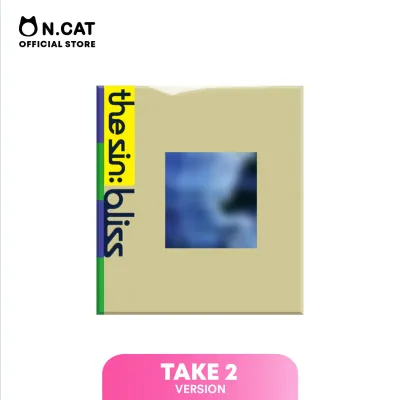
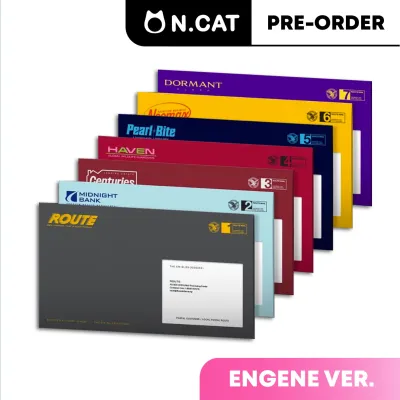
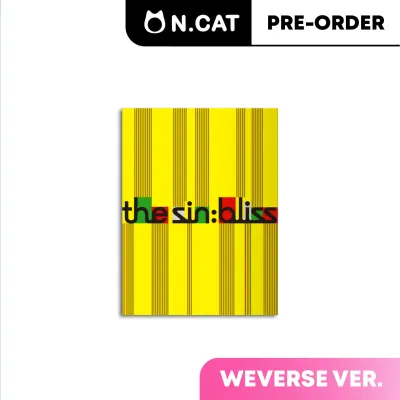
![[ +WEVERSE GIFT ] ENHYPEN - 8th Mini Album [ THE SIN : BLISS ] Weverse Albums ver](https://img.lazcdn.com/g/ff/kf/S9b3daa75e64f4322ab0dc225179890abi.jpg_400x400q80.jpg_.webp)


Prices are valid at publication and may change. Please refer to the product page for the latest price.
Next, evaluate the structural integrity of the outer box or digipak. Official ENHYPEN albums use thick, rigid cardboard that does not bend easily under light thumb pressure. If the outer sleeve feels flimsy, soft, or easily creased, it may be a counterfeit. Pay close attention to the spine alignment; the text and logos on a genuine spine are perfectly centered and do not spill over onto the front or back covers.
Print quality is one of the most reliable indicators of authenticity. Examine the cover art under bright, natural light. Genuine printing features sharp, crisp text and smooth color gradients. Counterfeit items often suffer from pixelation, blurry edges on small fonts, or a noticeable color cast—such as images looking overly dark, washed out, or unnaturally red. This happens when bootleggers scan official artwork and reprint it on low-end commercial printers.
Inspecting Official Holograms and Security Labels
Official K-pop releases distributed globally or locally feature a specialized security hologram sticker, typically issued by the Korea Music Content Association (KMCA) or the distributing label. On your ENHYPEN album, look for this sticker on the back cover. It should be perfectly flat, with no air bubbles or crooked edges.

When you tilt the album under a direct light source, the hologram should display a clear, fluid color shift and distinct patterns, such as the official logo or specific security text. Counterfeit stickers often use generic, rainbow-colored foil that lacks these intricate, shifting patterns. If the sticker looks dull or the reflective design does not change when tilted, it is highly likely to be a fake.
Inspect the edges of the sticker for signs of tampering or reuse. Some counterfeiters attempt to peel genuine stickers off damaged albums and glue them onto fake ones. A genuine sticker has strong, uniform adhesion and cannot be peeled off in one piece without tearing or leaving a distinct “void” pattern behind. If you see messy glue residue around the sticker or if it peels off easily, exercise caution.
Verifying Authentication Codes and Tracking Systems
Many modern K-pop albums and official merchandise lines include digital authentication features, such as a QR code or a scratch-off serial number. These are usually found on a dedicated insert card or printed directly on the back of the packaging.
To verify these codes, use your smartphone to scan the QR code, which should direct you to the official verification platform or the label’s dedicated app. Always check the URL of the landing page carefully. Counterfeiters sometimes create fake verification websites with domain names that closely mimic the official ones, hoping you will not notice the slight spelling differences.
Once you enter the unique serial number into the official app or website, the system should confirm that the product is genuine. If the system returns an error stating that the code has already been registered multiple times, or if the code format is invalid, you are likely holding a counterfeit copy. Genuine codes are strictly unique and can typically only be registered once per account.
Evaluating Inclusions and Merchandise Details
Photocards are the most highly sought-after inclusions, making them prime targets for counterfeiters. To authenticate a Sin Bliss photocard, check the paper stock thickness and the lamination finish. Genuine photocards are printed on sturdy, premium cardstock that resists bending. The edges should be cleanly cut with rounded corners, often featuring tiny, characteristic “tabs” or dots at the corners left over from the manufacturing press sheet.
Examine the lamination of the photocard. Genuine cards have a smooth, flawless matte or glossy coating that does not peel at the corners. In the humid climate of the Philippines, counterfeit photocards made with cheap paper and poor lamination are highly prone to warping, bubbling, or sticky surfaces. If the card feels unusually thin, flimsy, or has a blurry back-side print, it is likely a replica.
For other inclusions like posters, booklets, and stickers, inspect the paper weight and folding precision. Official posters are printed on heavy, high-grade paper with clean, machine-pressed folds. Standalone merchandise, such as apparel or accessories, should be checked for consistent stitching, deep and clean engravings, and official fabric tags or branding labels. Loose threads, uneven seams, or misspelled brand names are immediate red flags.
Choosing Reliable Purchasing Channels
The safest way to ensure your ENHYPEN Sin Bliss album is authentic is to buy from authorized retail partners, official brand stores, or established local distributors. These sellers source their inventory directly from official entertainment agencies, ensuring that your purchase is genuine and counts toward official music charts.
When shopping on general online marketplaces or e-commerce platforms, be highly skeptical of listings with prices significantly below the standard retail rate. If an album normally retails for around ₱1,200, a listing offering it for ₱400 is almost certainly a counterfeit or a scam. Additionally, avoid sellers who only use official stock photos; always ask for actual, high-resolution photos of the physical product in hand.
Before committing to a purchase from a third-party vendor, thoroughly evaluate their seller ratings and customer reviews. Look for detailed feedback from other K-pop collectors who have successfully verified their purchases. Ensure the seller has a clear, documented return policy that allows for refunds if the item is proven to be counterfeit.
Steps to Take If You Suspect a Counterfeit Purchase
If you suspect that the album or merchandise you received is a counterfeit, act quickly to document the evidence. Take clear, well-lit photographs and videos of the discrepancies, focusing on the blurry printing, the low-quality hologram sticker, or any failed digital verification screens. An unboxing video from the moment you opened the parcel is often the strongest evidence you can provide.
File a formal dispute or return request through the e-commerce platform’s buyer protection system immediately. Submit your photographic and video evidence to support your claim, clearly explaining how the received item differs from an authentic product. Most reputable platforms have strict policies against the sale of counterfeit goods and will facilitate a refund if you provide clear proof.
While waiting for a resolution, you can also consult experienced collectors in local K-pop fan communities. Sharing detailed photos of your items in dedicated online groups can help you get secondary opinions from fans who own verified authentic copies of the same release. However, always rely on physical and digital verification steps as your primary decision-making tools.
Frequently Asked Questions (FAQ)
Can I authenticate an ENHYPEN album without the original shrink wrap?
Yes, you can still authenticate an ENHYPEN album even if the original shrink wrap has been removed. While the shrink wrap’s sealing quality is a helpful initial indicator, the most reliable verification points are located inside the package. You can evaluate the print sharpness of the photobook, inspect the security hologram sticker on the back cover, and check the material quality of the photocards. If the album includes a digital tracking code or QR insert, registering it on the official platform remains a definitive way to confirm its authenticity.
Do all official ENHYPEN merchandise items have a hologram sticker?
Not all official ENHYPEN merchandise items feature a hologram sticker. While album packages almost always require these security labels for chart-tracking purposes, standalone merchandise—such as concert apparel, keyrings, or photocard holders—may use different branding methods. These items might rely on official fabric tags, engraved logos, or specific packaging designs instead of a hologram. To be sure, check the official store’s product description or unboxing guides from trusted sources to see what specific authentication markers are expected for that particular item.
Community discussion
Share your experience or ask a question. Comments are reviewed before publication.