
College life often feels like an endless race where the finish line keeps moving. Between maintaining high grades, securing competitive internships, and managing the expectations of family and peers, it is easy to feel overwhelmed by academic and career anxiety. Kim Soo-hyun’s bestselling essay book, I Decided to Live as Me, offers a comforting antidote to this relentless pressure. By embracing the book’s core philosophy of self-acceptance, you can learn to untangle your self-worth from external achievements and navigate your university years with a sense of peace and authenticity.
Applying these lessons requires more than just reading the pages; it demands a conscious shift in how you view your daily struggles. Whether you are studying under a whirring electric fan during a humid afternoon or commuting through heavy traffic to reach an early morning exam, the book’s insights can serve as a practical guide. By learning to set boundaries, redefine success, and accept your unique path, you can transform your college experience from a source of chronic stress into a journey of genuine self-discovery.
Identifying Anxiety Triggers and Embracing Self-Acceptance
Managing college anxiety begins with identifying the specific triggers that disrupt your peace of mind. For many students, stress is not just about the volume of schoolwork; it is fueled by the constant comparison to peers who seem to have their lives perfectly mapped out. The pressure to maintain a high GPA, secure prestigious leadership roles in student organizations, and land immediate job offers can make every minor setback feel like a catastrophic failure.
Products mentioned in this guide




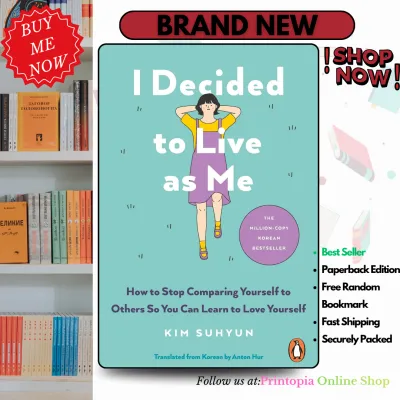
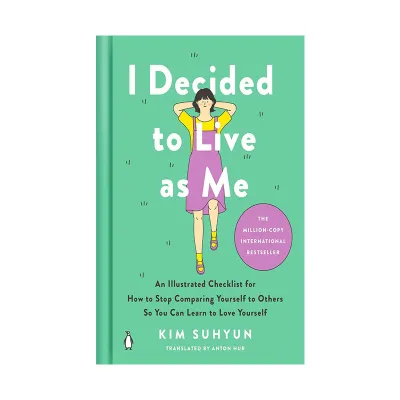
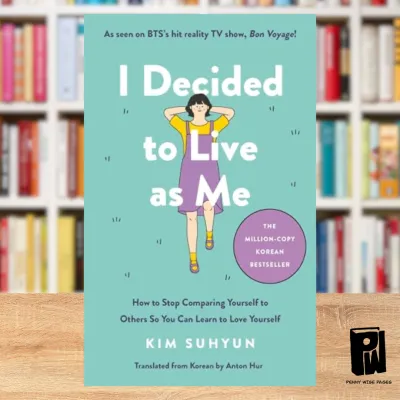
Prices are valid at publication and may change. Please refer to the product page for the latest price.
These anxieties are often magnified by external societal expectations. In many communities, academic success is viewed as a collective family triumph, which adds a heavy layer of responsibility to your shoulders. I Decided to Live as Me encourages readers to distinguish between these external demands and their own internal values. When you constantly strive to meet everyone else’s standards, you lose sight of what actually brings you fulfillment and joy.
To regain control, it is essential to recognize the difference between productive stress and paralyzing anxiety. Productive stress acts as a temporary motivator, prompting you to study for an upcoming exam or finish a group project on time. Paralyzing anxiety, on the other hand, leaves you feeling helpless, exhausted, and stuck. Embracing self-acceptance means acknowledging your limitations and understanding that your value as a person is not tied to an flawless academic record.
Reframing Academic Pressures and Peer Comparison
To apply the book’s mindset shifts to your daily academic life, you must actively work to dismantle the habit of peer comparison. It is easy to scroll through social media and feel inadequate when classmates post about their high grades, scholarships, or elite internship acceptances. The book reminds us that everyone presents a curated version of their life, and comparing your behind-the-scenes struggles to someone else’s highlight reel is a recipe for misery.

Instead of seeking external validation through class rankings and perfect marks, try shifting your focus toward internal growth and personal milestones. Celebrate the fact that you finally understood a difficult concept in a major subject, or that you successfully delivered a presentation despite your stage fright. These small, personal victories are far more indicative of your actual progress than a letter grade on a report card.
Living authentically also means making deliberate choices about your academic path. Rather than selecting electives or thesis topics solely because they look prestigious on a resume, choose subjects that genuinely spark your curiosity. When you align your coursework with your true interests, studying becomes an engaging pursuit rather than a tedious chore designed to please others.
Finally, preventing academic burnout requires setting realistic boundaries. You do not have to say yes to every study group, extra-credit assignment, or academic competition. Establish a sustainable study schedule that allows for adequate rest, and accept that a slightly lower grade is a perfectly acceptable trade-off for preserving your mental health and well-being.
Aligning Career Planning with Your Authentic Values
As graduation approaches, career anxiety often takes center stage, leaving many students feeling paralyzed by the fear of making the wrong choice. The lessons in I Decided to Live as Me suggest that a fulfilling career is built on self-knowledge rather than default societal templates. Instead of automatically aiming for traditional, high-pressure corporate roles simply because they are deemed successful, take the time to evaluate what actually aligns with your strengths and personal values.
Start by asking yourself what kind of daily work environment suits your personality and what causes matter to you. If you value creative freedom or community development over corporate hierarchy, your career plan should reflect that preference. Designing a life that fits your unique disposition is far more sustainable than forcing yourself into a mold that causes constant friction and stress.
It is also important to navigate the fear of making a wrong career decision by embracing the concept of iterative learning. Your first job or major choice does not lock you into a single path for the rest of your life. View early career steps, such as internships or entry-level positions, as experiments that help you learn what you enjoy and what you would prefer to avoid. Every experience, even a disappointing one, provides valuable data that helps refine your direction.
To put this into practice, draft a flexible career roadmap that prioritizes your well-being alongside your professional ambitions. This roadmap should focus on skill acquisition and personal growth rather than rigid timelines or specific job titles. By allowing room for detours and adjustments, you can approach the job market with curiosity and resilience rather than dread.
Building Daily Habits for Boundary Setting and Self-Care
Translating self-acceptance into daily life requires concrete habits that protect your energy and reinforce your worth. One of the most challenging yet necessary skills for a college student is learning to say no. Whether it is declining an invitation to join a third student committee or turning down a social gathering when you are physically exhausted, protecting your time is an act of self-respect.
Integrating small, consistent self-care practices into your routine is especially crucial during high-stress periods like midterms or finals. These practices do not need to be expensive or time-consuming. It can be as simple as taking a ten-minute walk without your phone, enjoying a cold drink in a quiet spot to escape the afternoon heat, or practicing deep breathing exercises before an exam. These moments of pause help ground your nervous system and prevent stress from accumulating.
Additionally, create a personal reset protocol for days when academic or career anxiety feels completely overwhelming. This is a pre-planned checklist of comforting actions you can take when you feel a panic attack or extreme exhaustion setting in. Your protocol might include stepping away from your desk, listening to a favorite playlist, taking a warm shower, or reaching out to a trusted friend who understands your struggles without judgment.
By establishing these boundaries and routines, you send a clear message to yourself that your health and peace of mind are non-negotiable. You are not a machine designed for constant productivity; you are a human being who requires rest, recovery, and gentle care to thrive.
Evaluating Your Progress and Knowing When to Seek Help
As you implement these mindset shifts and daily habits, it is helpful to periodically evaluate your progress using metrics that go beyond traditional markers of success. Instead of measuring your worth by your GPA or the number of job interviews you have lined up, focus on indicators of internal peace. Track changes in your sleep quality, your overall mood stability, and your ability to handle daily setbacks without falling into a spiral of self-doubt.
Notice how your relationship with academic and career pressures changes over time. You may find that while the external demands of university life remain high, your internal reaction to them becomes more balanced. If you can face a difficult exam or a rejected job application with self-compassion rather than self-flagellation, you are successfully applying the book’s core lessons.
However, it is equally important to recognize when self-help strategies are not enough. If you experience persistent feelings of hopelessness, severe sleep disturbances, or anxiety that prevents you from attending classes or caring for yourself, it is time to seek professional support. Mindset shifts are incredibly valuable, but they are not a substitute for clinical counseling or therapy.
Most universities offer guidance services or mental health counseling for students, often at no cost. Reaching out to a professional counselor or therapist is not a sign of weakness or failure; rather, it is a courageous step toward taking full responsibility for your well-being. Combining the comforting philosophy of I Decided to Live as Me with professional guidance can provide you with a robust, comprehensive toolkit for navigating both college and the transition into adulthood.
Frequently Asked Questions (FAQ)
How do I stop comparing my career progress to my classmates?
To stop comparing your career progress to others, you must consciously shift your focus to your own baseline and personal definition of success. Recognize that everyone operates on a different timeline, and early professional milestones do not guarantee long-term happiness or fulfillment. It is also highly beneficial to limit your exposure to curated professional updates on social media platforms. If seeing classmates post about their internships or job offers triggers feelings of inadequacy, temporarily mute those updates or take a break from those platforms during high-stress periods.
Can these self-acceptance strategies help if I am currently failing my classes?
Yes, but they must be paired with practical academic action. Self-acceptance does not mean ignoring your responsibilities or avoiding the consequences of failing grades; rather, it means separating your personal worth from your academic performance. By practicing self-compassion, you can reduce the paralyzing shame that often prevents struggling students from taking action. Once you accept the situation without self-judgment, you can constructively seek academic support, such as consulting your professors, attending peer tutoring sessions, or visiting an academic advisor to map out a realistic recovery plan.
Community discussion
Share your experience or ask a question. Comments are reviewed before publication.