
Understanding the deep-seated patterns that shape our adult lives often leads us back to our earliest years. Inner child work is a therapeutic concept focused on addressing, processing, and healing the emotional wounds, neglect, or trauma experienced during childhood. When family dynamics involve chronic criticism, emotional unavailability, or instability, these experiences leave lasting imprints on our subconscious minds. Reading a dedicated healing book can serve as a powerful catalyst for self-discovery, offering validation and structured guidance as you begin to unpack these complex memories.
However, it is crucial to establish realistic expectations before embarking on this literary journey. While books are invaluable resources for psychoeducation, self-reflection, and learning coping mechanisms, they are not a substitute for professional clinical therapy. Healing deep-rooted family trauma is a non-linear process that requires careful emotional pacing. Approaching these texts with patience and self-compassion ensures that you can absorb the material without becoming overwhelmed by the painful memories it may stir up.
How to Choose the Right Healing Book for Your Journey
Selecting a book that aligns with your specific emotional needs and personal history is a critical first step. Because the self-help market is vast, you must learn to evaluate books based on clinical credibility and therapeutic methodology. Start by assessing the author’s credentials. Prioritize books written by licensed clinical psychologists, family therapists, or recognized trauma researchers who hold advanced degrees (such as a Ph.D., Psy.D., or LCSW) and have years of direct clinical experience. This ensures that the advice, exercises, and frameworks presented are grounded in rigorous scientific research rather than purely anecdotal evidence.
Products mentioned in this guide
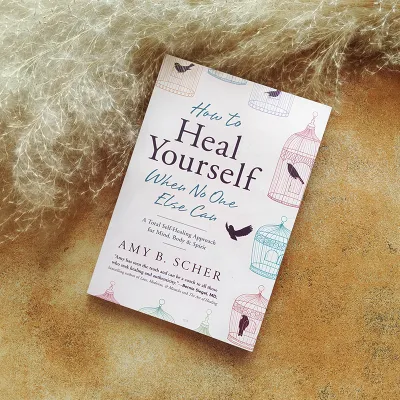
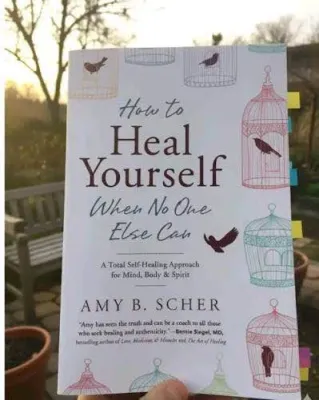
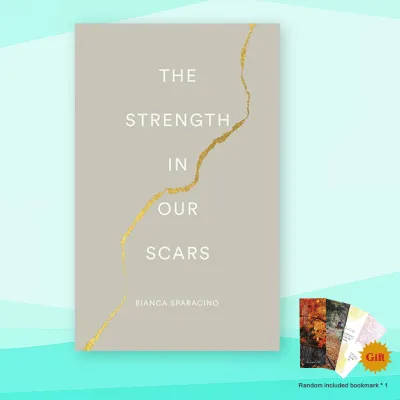
Prices are valid at publication and may change. Please refer to the product page for the latest price.
Next, consider the therapeutic approach that best suits your current healing goals. Different books utilize different psychological modalities, and understanding these can help you make an informed choice:
- Cognitive Behavioral Therapy (CBT): Focuses on identifying, challenging, and reframing negative thought patterns and core beliefs formed in childhood.
- Somatic Experiencing: Emphasizes the connection between the mind and body, helping you identify where trauma is physically stored and teaching you how to release somatic tension.
- Narrative Therapy: Encourages you to externalize your problems and rewrite your personal history, empowering you to view yourself as separate from your trauma.
- Internal Family Systems (IFS): Views the psyche as a collection of distinct "parts" (such as the wounded inner child or the protective manager) and guides you in cultivating self-leadership to heal these parts.
Finally, look for books that offer a healthy balance of theory and practice. While understanding the psychological concepts behind family trauma is comforting, true healing requires active engagement. Look for publications that feature structured exercises, reflective journaling prompts, and clear trigger warnings at the beginning of sensitive chapters. These elements provide a safe, interactive roadmap that helps you translate theoretical knowledge into daily emotional recovery.
Types of Books for Inner Child Reparenting
When exploring literature dedicated to inner child work, you will generally encounter two primary categories: structured clinical workbooks and narrative-driven psychological overviews. Understanding the characteristics of each will help you determine which format matches your learning style and emotional capacity.

Structured clinical workbooks are designed for active, hands-on participation. These resources typically guide you through early memory retrieval exercises, helping you pinpoint the specific developmental stages where emotional neglect or trauma occurred. They place a heavy emphasis on teaching self-soothing techniques, such as visualization exercises where your adult self offers comfort, safety, and validation to your younger self. These workbooks are highly practical, featuring fill-in-the-blank sections, mood trackers, and step-by-step instructions for reparenting your inner child on a daily basis.
On the other hand, narrative-driven psychological overviews focus on explaining the systemic “why” behind your behaviors. These texts offer deep, analytical insights into attachment styles, emotional regulation, and the long-term neurobiological impact of childhood wounds. They are ideal for readers who prefer to build a solid intellectual foundation before engaging in deep emotional work. Reading these overviews can help you make sense of your relationship patterns, emotional triggers, and defensive behaviors without forcing you to immediately relive painful childhood memories.
Regardless of the type of book you choose, always check the publication dates and editions. Psychological science and trauma-informed care are constantly evolving fields. Opting for newer editions ensures that the content reflects updated, evidence-based frameworks, incorporating modern understandings of neurobiology, nervous system regulation, and inclusive mental health practices.
Essential Reads for Understanding Family Dynamics and Boundaries
Healing your inner child often requires you to examine the broader family system in which you grew up. To break generational cycles of trauma, you must understand the mechanics of family enmeshment, emotional immaturity, and boundary violations. Look for resources that specifically analyze how emotionally immature parents project their own unresolved issues onto their children, creating environments of guilt, shame, and emotional neglect. Understanding these dynamics helps you realize that your family’s behavioral patterns are a reflection of their own history, not a measure of your personal worth.
A high-quality book on family dynamics should provide practical, actionable strategies for establishing firm but respectful boundaries. This includes offering specific verbal scripts and communication techniques that you can use when interacting with difficult family members. Learning how to say “no,” protect your emotional energy, and decline guilt trips is essential for maintaining your mental well-being.
For readers in the Philippines, navigating these concepts requires a delicate balance. In a collectivist culture where family harmony, filial piety, and multi-generational households are deeply valued, setting boundaries can easily be misinterpreted as disrespect or rebellion. When selecting a book, look for texts that acknowledge these cultural nuances or offer adaptable frameworks. Healing does not always require cutting ties; often, it involves learning how to maintain emotional distance and protect your peace while remaining a supportive member of your community. Adapting Western boundary-setting advice to fit a close-knit family structure allows you to honor your cultural values without sacrificing your emotional safety.
How to Integrate Book Exercises into Your Daily Routine
Reading about trauma can activate your nervous system, making it essential to establish a safe, structured routine for your reading and exercises. Before opening a challenging chapter, practice grounding techniques to keep yourself anchored in the present moment. Simple exercises, such as deep diaphragmatic breathing, holding a physical object, or practicing the 5-4-3-2-1 sensory grounding method, can help prevent dissociation or emotional flooding.
Given the warm, humid tropical climate of the Philippines, creating a physically comfortable reading environment is just as important as mental preparation. Find a quiet, well-ventilated, and cool corner of your home, perhaps early in the morning before the household becomes active, or late in the evening when the temperature drops. Having a dedicated, peaceful space signals to your brain that you are safe to explore difficult emotions.
Keep a dedicated journal specifically for your healing journey. Use it to write down your responses to the book’s prompts, track your emotional triggers, and document any sudden insights or memories that surface. This physical record allows you to monitor your progress over time and provides a safe outlet for processing intense feelings.
Most importantly, set a sustainable, self-compassionate reading pace. It can be tempting to rush through a book in search of quick answers, but emotional healing cannot be rushed. Limit your reading to one chapter or even a few pages per week, allowing your mind and body ample time to digest and integrate the concepts. If a particular exercise or passage triggers intense distress, give yourself permission to close the book, step away, and return to it only when you feel emotionally regulated and supported.
Where to Buy and What to Check Before Purchasing
Before purchasing a healing book, carefully consider which format best supports your lifestyle and learning goals. Physical books are highly recommended for interactive workbooks, as they allow you to write directly on the pages, highlight key passages, and easily flip back and forth between exercises. However, because the high humidity in the Philippines can cause physical pages to warp, yellow, or attract mold, you must store your books in dry, well-ventilated areas away from direct sunlight.
If you prefer privacy or are reading sensitive material in a shared household, e-books offer a discreet and portable alternative that you can read on your phone, tablet, or e-reader. Audiobooks are another excellent option, allowing you to listen to therapeutic concepts during your daily commute or while performing household chores, though they may make completing written exercises more challenging.
When you are ready to buy, verify the publisher, language, and edition to ensure you are receiving a complete, unabridged copy. To avoid pirated editions—which frequently suffer from missing pages, illegible print, poor binding, and translation errors—always purchase from established local bookstores, official publisher storefronts, or reputable online marketplaces. Investing approximately ₱400 to ₱1,500 in an authorized, high-quality edition ensures that you have access to the complete, accurate therapeutic material necessary for your healing journey.
Frequently Asked Questions (FAQ)
Can reading a healing book replace professional therapy?
No, reading a healing book cannot replace professional clinical therapy. Books are excellent tools for psychoeducation, self-reflection, and learning general coping strategies, but they cannot diagnose mental health conditions or provide personalized, interactive treatment. If reading about inner child work or family trauma triggers overwhelming distress, severe anxiety, dissociation, or panic attacks, it is highly recommended that you seek the guidance of a licensed psychologist or trauma therapist who can provide a safe, tailored therapeutic environment.
How do I know if a healing book is culturally relevant to me?
A healing book is culturally relevant if its concepts can be adapted to your lived experience without causing unnecessary conflict or emotional harm. Look for authors who acknowledge collectivist family structures, close-knit community dynamics, and the deep-seated expectations of filial piety. When reading Western-centric self-help books, you may need to adapt their boundary-setting scripts to fit local cultural norms. The goal is to find a balance that allows you to protect your emotional well-being and mental health while still respecting your cultural heritage and family connections.
Community discussion
Share your experience or ask a question. Comments are reviewed before publication.