
When you first pick up a guitar or ukulele, your primary focus is usually on learning chords, perfecting your strumming pattern, and keeping your instrument in tune. However, one of the most common and preventable accidents a beginner can face is having their instrument slip off its strap and crash to the floor. A strap lock is a simple, highly effective accessory designed to prevent this exact disaster by securing your strap firmly to the instrument’s body.
For beginners, navigating the various types of strap locks can feel overwhelming. These accessories generally fall into three categories: mechanical locking systems, friction-based rubber retainers, and integrated strap designs. If you are just starting out, a simple rubber retainer is often the most practical choice because it requires no modifications to your instrument, costs very little, and installs in seconds. However, if you play a heavier electric guitar or bass and practice standing up, upgrading to a mechanical locking system provides the robust physical security needed to keep your instrument safe. Understanding how these systems work will help you make the right choice for your budget, playing style, and instrument.
Why Your Guitar Needs a Strap Lock
Standard factory strap buttons are simple metal pegs screwed into the body of your guitar. They rely entirely on the physical tension of the strap’s buttonholes to stay in place. Over time, the leather or synthetic material around these buttonholes naturally stretches, softens, and loses its grip. You might notice the strap slipping off the button too easily when you put the instrument on or take it off, which is a clear warning sign that a drop is imminent.
Products mentioned in this guide
![[24H SHIP] DAddario Guitar Strap Locks Pair Dual-Lock Strap Lock Anti Drop Durable](https://img.lazcdn.com/g/p/08a28174e18de5cf5bb85dbf6e275936.jpg_400x400q80.jpg_.webp)
![[COD]ZMONH Guitar Strap Lock Metal Bass Strap Studs Anti-offGuitar Strap Locks](https://img.lazcdn.com/g/p/c8319a3500e7fc09e0b4584a220c1443.jpg_400x400q80.jpg_.webp)
![[LIXIAOJU] Guitar Strap Lock Metal Bass Strap Studs Anti-offGuitar Strap Locks](https://img.lazcdn.com/g/p/029d38084b478be173c5a1f83f1a4c71.jpg_400x400q80.jpg_.webp)
Prices are valid at publication and may change. Please refer to the product page for the latest price.
Certain playing conditions significantly increase the risk of your strap failing. If you prefer to practice standing up, move around while playing, or use a heavy solid-body electric guitar or bass, gravity is constantly pulling the instrument downward. This weight puts lateral pressure on the strap holes, causing them to warp and widen. In tropical climates like the Philippines, high humidity and sweat from warm practice sessions can accelerate this wear, softening leather and fabric straps much faster than in dry environments.
Unlike standard buttons, a strap lock introduces a mechanical barrier or a high-friction clamp that prevents the strap from sliding over the button flange. Instead of relying on worn-out leather holes to hold up a heavy instrument, a strap lock ensures that even if the strap material stretches, the physical connection between the strap and the guitar remains unbroken. Investing in this simple upgrade provides peace of mind, allowing you to focus entirely on your playing rather than constantly checking if your strap is slipping.
Common Types of Strap Lock Mechanisms
Strap locks are categorized by how they physically retain the strap on the button. The three primary designs offer different levels of security, installation effort, and cost, allowing players to choose the system that best matches their comfort level with modifying their instrument.

While some systems require replacing the factory hardware entirely, others simply slip over your existing buttons. Balancing these trade-offs is the key to finding a system that fits your daily practice routine.
Mechanical Locking Systems
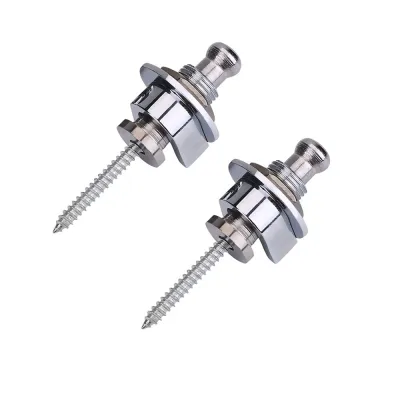
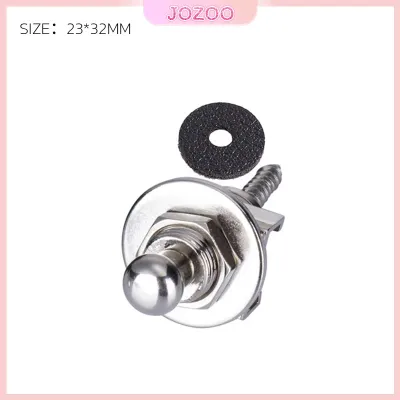
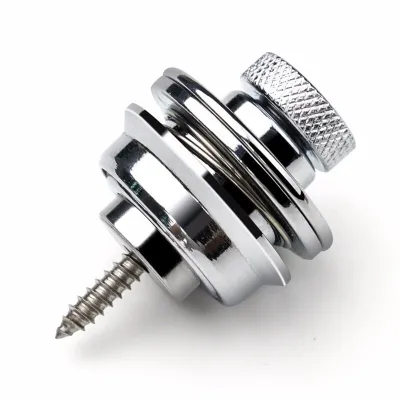
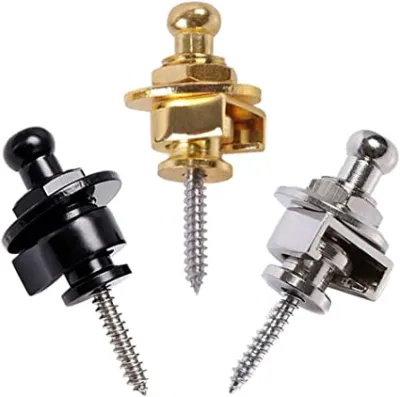
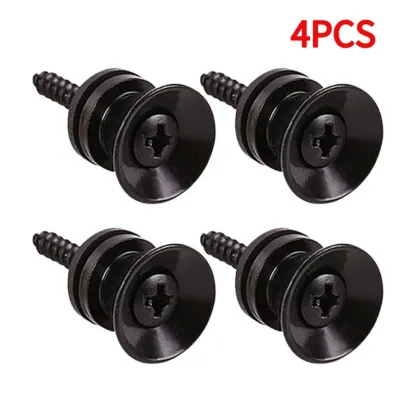
Mechanical locking systems are the most secure option available. These systems consist of two parts: a specialized metal button that replaces your guitar’s factory strap button, and a spring-loaded locking mechanism that clamps permanently onto your strap. When you slide the strap mechanism onto the guitar button, it clicks and locks into place. To remove the strap, you must physically pull a spring-loaded plunger or press a release button.
These systems are highly favored by electric guitarists, bassists, and live performers who move actively on stage. Because the connection is entirely metal-on-metal, there is virtually no risk of the strap slipping off, even during intense movement. The mechanical lock holds the weight of the heaviest solid-body instruments securely, making it a favorite for long-term reliability.
However, mechanical systems do have a few limitations. They require you to unscrew your guitar’s original strap buttons and screw in the new proprietary buttons, which can be intimidating for beginners. They are also the most expensive option, typically costing anywhere from ₱500 to ₱1,500 or more. Additionally, because the locking hardware is clamped onto the strap, you cannot easily use that same strap on another guitar unless that instrument is also fitted with the exact same brand of mechanical buttons.
Friction and Rubber-Based Retainers
Friction-based retainers, often referred to as strap blocks or rubber washers, are a popular, low-cost alternative to mechanical locks. These are thick, flexible rubber rings with a small hole in the center. To use them, you simply put your strap onto your guitar’s standard factory buttons as usual, and then stretch the rubber washer over the button on top of the strap.
The rubber washer acts as a physical barrier, widening the profile of the button so the strap cannot slide off. Because the rubber is highly flexible yet firm, it grips the metal button tightly and prevents the strap from moving. This system requires absolutely no tools, preserves your guitar’s original hardware, and can be installed or removed in a matter of seconds.
While incredibly convenient and highly affordable—often sold in multi-packs for under ₱100—rubber retainers do have long-term limitations. Over time, exposure to sweat, body oils, and tropical humidity can cause the rubber to degrade, dry out, or lose its elasticity. They also offer slightly less security than mechanical locks, making them less suitable for exceptionally heavy instruments or highly active stage performances where extreme physical forces are applied to the strap.
Integrated and Proprietary Designs
Integrated strap locks are built directly into the strap itself rather than requiring hardware modifications to the guitar. These straps feature specialized plastic or composite ends with built-in sliding gates or rotating clips. Once you slip the strap end over your standard factory button, you slide or twist the integrated lock to pinch the button neck, preventing the strap from slipping off.
These proprietary designs are an excellent middle ground for players who want more security than a simple rubber washer but do not want to unscrew their guitar’s factory hardware. They work with almost any standard strap button, making them highly versatile if you own multiple instruments and want to use a single strap across all of them.
However, these systems limit your aesthetic choices, as you must purchase the specific straps that feature these integrated locking ends. The plastic locking mechanisms can also be bulky, and if the plastic clips crack or wear out over time, the entire strap must be replaced. They are best considered when you want a quick, non-invasive solution and find an integrated strap design that fits your personal style and comfort preferences.
How Beginners Should Choose a Strap Lock
Choosing the right strap lock as a beginner comes down to analyzing your instrument, your playing environment, and your comfort level with basic DIY installation. By evaluating these factors, you can avoid overspending on unnecessary hardware or, conversely, risking your instrument with an inadequate support system.
First, consider the weight and body type of your instrument. If you are playing a lightweight ukulele or a standard acoustic guitar, the physical strain on the strap buttons is relatively low. For these instruments, heavy mechanical locks are rarely necessary and can add unwanted weight to the neck or body. A simple rubber washer or an integrated strap is usually more than sufficient to keep a light instrument secure.
Second, evaluate your playing habits. If you primarily practice sitting down on a chair or couch at home, your strap is mostly there as a backup support, and the risk of a catastrophic drop is minimal. In this scenario, rubber retainers are the perfect starting point. However, if you practice standing up, plan to play in a school band, or perform at local venues, the constant movement makes a mechanical locking system a much safer investment.
Third, factor in your budget and your willingness to modify your instrument. If you are on a tight budget and prefer to spend your money on lessons, strings, or picks, rubber washers offer incredible value. They allow you to protect your instrument for a fraction of the cost of mechanical hardware. On the other hand, if you want a permanent, “set-and-forget” solution and do not mind using a screwdriver on your guitar, mechanical locks are well worth the initial investment.
To help you decide, consider this simple decision framework:
| Strap Lock Type | Security Level | Installation Effort | Cost Range | Best Suited For |
|---|---|---|---|---|
| Rubber Washers | Moderate | Extremely Low | Very Low (Under ₱100) | Beginners, acoustic guitars, ukuleles, seated players |
| Integrated Straps | Moderate to High | Low | Moderate | Players with multiple guitars who want a non-invasive option |
| Mechanical Locks | Maximum | Moderate (Requires tools) | High (₱500 – ₱1,500+) | Heavy electric guitars/basses, standing players, live performers |
Compatibility and Installation Checks Before You Buy
Before purchasing any strap lock system, it is essential to perform a few quick compatibility checks to ensure the hardware will fit your instrument properly. Not all strap buttons, screws, and straps are created equal, and verifying these details beforehand will save you from installation headaches or potential damage to your instrument.
If you choose a mechanical locking system, pay close attention to the screw size. The screws provided with aftermarket strap locks may be slightly longer, shorter, thicker, or thinner than the factory screws already in your guitar. If the new screw is too thin, it will not grip the wood inside the pre-drilled hole, causing the button to wobble and eventually pull out. If the screw is too thick, forcing it into the wood can cause the guitar’s finish or the wood itself to crack.
A common luthier technique to resolve a loose screw hole is the toothpick method. If the new screw is too loose, you can place a small amount of wood glue on a wooden toothpick, insert it into the screw hole, snap off the excess, and let it dry completely. Once dry, you can carefully screw the new strap button in, allowing the screw threads to bite firmly into the fresh wood. If you are uncomfortable performing this modification, or if your guitar has a delicate or expensive finish, it is always best to take your instrument to a qualified local technician or luthier.
Additionally, check the physical clearance around your guitar’s strap button areas. Some mechanical locks have bulky metal collars that can rub against the guitar body, potentially scratching the finish over time. To prevent this metal-on-wood contact, always ensure your strap lock kit includes felt or nylon washers to place between the metal button and the guitar body. Finally, verify that your chosen kit is complete, containing both the guitar-side replacement buttons and the strap-side locking attachments, as some premium brands sell these components separately.
Frequently Asked Questions (FAQ)
Can I use strap locks on an acoustic guitar?
Yes, you can use strap locks on an acoustic guitar, but you must exercise extreme caution. Unlike solid-body electric guitars, acoustic guitars have thin, hollow wooden bodies that are highly susceptible to cracking if subjected to improper drilling or excessive physical stress. The strap button on the heel of the neck can usually be replaced with a mechanical lock, provided the screw hole is pre-drilled carefully to avoid splitting the wood.
However, the bottom strap button on many acoustic guitars often doubles as an end-pin jack for an internal pickup system. You cannot replace an end-pin jack with a standard mechanical strap lock button without rendering your pickup jack unusable. For acoustic players, using non-invasive rubber washers or specialized acoustic strap quick-releases is highly recommended, as these options secure the strap without altering the delicate wood or electronics of the instrument.
Do strap locks damage the guitar finish?
Strap locks themselves will not damage your guitar’s finish if they are installed correctly and maintained properly. The primary risk of damage comes from metal-on-wood contact. If a mechanical strap button is screwed directly against the guitar body without a protective barrier, the hard metal can easily dent, scratch, or crack polyurethane and nitrocellulose finishes.
To prevent this cosmetic damage, always install a soft felt or nylon washer between the metal strap button and the guitar body. This washer acts as a cushion, absorbing physical vibrations and preventing the metal from rubbing against the wood. Periodically inspect the area around the strap buttons for any signs of finish checking, denting, or scratching, and ensure the screws remain tight so the hardware does not wobble.
Are rubber washers a permanent solution?
Rubber washers are an excellent temporary or medium-term solution, but they should not be viewed as a permanent, lifetime fix. Because they are made of flexible rubber, they are subject to natural material degradation over time. Environmental factors such as high tropical heat, humidity, sweat, and exposure to UV light will eventually cause the rubber to dry out, become brittle, crack, or lose its elasticity.
You should perform a quick visual and tactile inspection of your rubber retainers every few weeks. If the rubber feels stiff, shows visible hairline cracks, or stretches out too easily without snapping back into shape, it is time to replace them. Fortunately, because they are highly affordable and sold in multi-packs, keeping a few spare washers in your gig bag ensures you can easily swap out a worn retainer whenever necessary.
Community discussion
Share your experience or ask a question. Comments are reviewed before publication.