
Losing guitar picks is a universal frustration for musicians, but finding the right guitar pick storage solution depends entirely on where and how you play. The ideal organizer keeps your picks clean, dry, and instantly accessible, whether you are performing on a humid stage, practicing in a home studio, or commuting between rehearsals. By matching your storage choice to your specific playing environment and pick preferences, you can protect your gear and eliminate the frustration of misplaced tools.
How to Match Pick Storage to Your Playing Habits
To find the most effective storage solution, start by analyzing your daily playing habits and identifying where you most frequently lose your picks. If you find yourself constantly searching through couch cushions, desk drawers, or the bottom of your gig bag, your primary need is a centralized home base. Musicians who practice exclusively in a dedicated room benefit from stationary desktop organizers that keep various gauges sorted and visible.
Conversely, if you are a gigging guitarist, your main challenge is quick access during a live set. A dropped pick must be replaced in a split second without interrupting the song. In these high-pressure moments, having a holder mounted directly to your microphone stand or guitar headstock is far more valuable than a decorative box sitting on an amp.
Products mentioned in this guide
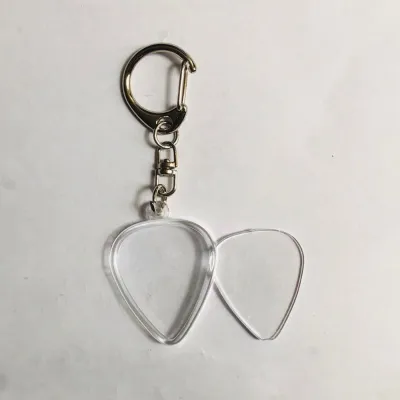
2 Lazada user ratings
It's Ok I guess. I just wish you could put more picks in it though (at least 3) instead of just one.
It's ok guess. I just wish you could put more picks in it though (at least 3) instead of just one.
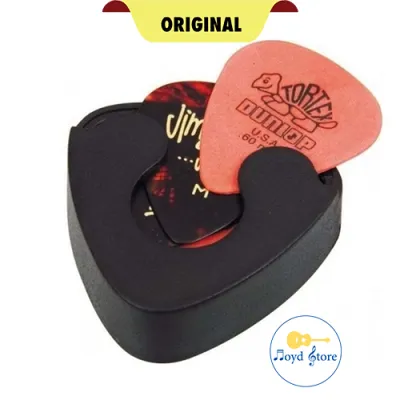
479 Lazada user ratings
Lahat ng guitar ko meron neto hehe pinaka dabest na pick holder design for me! Spring-loaded for quick access,
Keeps picks within reach, Convenient pick storage, No more losing picks, Stick it anywhere with adhesive,
Great for on-the-go musicians, Durable plastic holder, Keeps picks within reach, Convenient pick storage,
Securely holds picks, Stick it anywhere with adhesive, Durable plastic holder, Keeps picks within reach,
No more losing pick. Durable plastic holder, Keeps picks within reach, Stick it anywhere with adhesive,
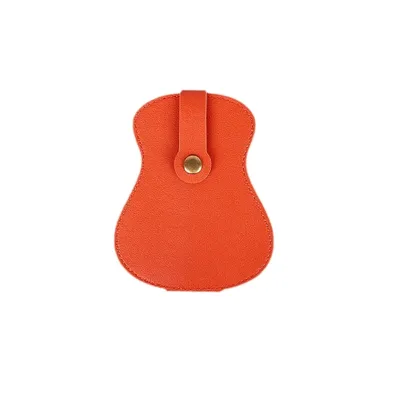
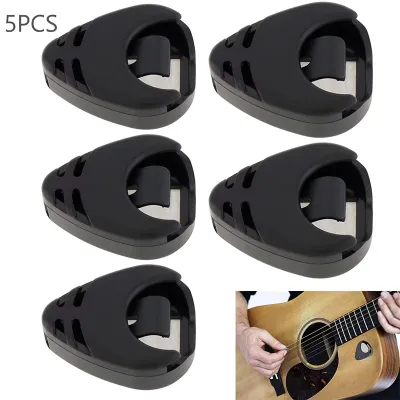
135 Lazada user ratings
🔌Compatibility:👏 🔨Durability:👏👏👏👏 💰Price: ganda
Simple and practical design,
erm u get what u pay for?
Ok nice & quality
8 Lazada user ratings
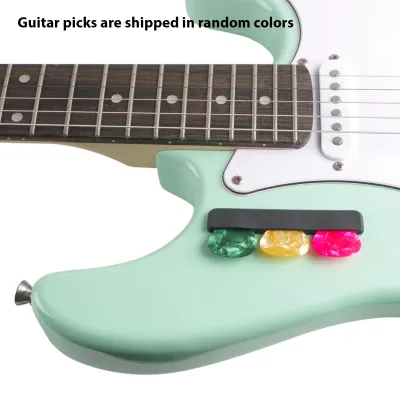
sticks well, so decide where to put it. holds 3 regular picks or 2 large picks
thank you seller
Prices are valid at publication and may change. Please refer to the product page for the latest price.
Your pick collection’s variety also dictates the type of storage you require. Guitarists who stick to a single favorite gauge and material can get by with a simple, single-compartment holder. However, if you regularly switch between thin nylon picks for acoustic strumming, heavy Delrin picks for electric lead work, and oversized felt or heavy-gauge picks for bass, you need a multi-compartment organizer.
Mixing different shapes and thicknesses in a single, deep container makes it difficult to grab the correct tool quickly, especially in low-light environments like a stage or a dimly lit studio. Dedicated slots or compartments prevent you from wasting time fumbling through a mixed pile of gear.
Finally, consider the environmental factors of your typical playing spaces. In tropical climates like the Philippines, high humidity and ambient heat can affect both your picks and their storage containers. Celluloid picks can degrade or become sticky when exposed to trapped moisture, while cheap metal tins can rust, and low-grade faux leather can peel or crack. Choosing materials that resist moisture and allow for proper ventilation or a secure, dry seal is essential for preserving both your picks and the organizer itself over years of use.
Types of Guitar Pick Organizers and Their Use Cases
Guitar pick organizers generally fall into three main form factors, each tailored to distinct playing routines and physical spaces. Choosing among them requires balancing portability, capacity, and speed of access.

Pedalboard and Mic Stand Mounts
For performing musicians, keeping replacement picks within arm’s reach is critical to maintaining the flow of a live performance. Mountable holders designed for pedalboards and microphone stands are the standard solutions for stage use. These organizers ensure that if a pick slips from your fingers mid-song, a replacement is positioned exactly where your hands naturally move.
Pedalboard-mounted holders typically rely on adhesive backings or hook-and-loop fasteners to secure themselves to your board. When installing an adhesive holder, proper surface preparation is vital. You must thoroughly clean the target area on your pedalboard with isopropyl alcohol to remove any dust, oil, or adhesive residue before applying the holder.
In warm, humid environments, low-quality adhesives can slide or fail entirely under the heat of stage lights. Opting for high-strength, temperature-resistant mounting tapes is highly recommended to prevent the holder from falling off during transport or a performance.
Mic stand clips offer an alternative that keeps picks at chest or eye level. These molded rubber or plastic strips snap directly onto the vertical pole of a standard microphone stand. When selecting a mic stand holder, verify the compatible pole diameter, as some clips are designed specifically for standard 15mm to 22mm shafts and may slip on thinner boom arms.
Ensure the holder does not interfere with your microphone cable routing or the adjustment clutches of the stand. The best designs allow you to slide several picks into a friction-fit groove, letting you pull one free with a single upward or downward motion.
Pocket, Wallet, and Keychain Holders
For the commuting guitarist, music teacher, or casual player who travels frequently, portable storage is essential. Pocket-sized organizers, pick wallets, and keychain capsules allow you to carry a selection of picks wherever you go, ensuring you are always ready to play, whether at a friend’s house, a local music store, or an impromptu jam session.
These portable options come in several distinct styles. Sliding metal tins are highly durable and protect picks from being crushed or bent inside a crowded gig bag, though they can rattle loudly in your pocket. Leather or canvas pick wallets feature individual plastic or fabric slots, organizing your picks like credit cards.
Keychain holders, often made of stitched leather or machined aluminum capsules, offer the ultimate convenience by attaching directly to your keys. Aluminum capsules with rubber O-ring seals provide excellent protection against tropical downpours and sweat, keeping your picks dry and clean.
However, portable holders do have limitations. Their capacity is typically restricted to between 5 and 15 standard picks, and stuffing them beyond their intended limit can stretch out leather slots or jam sliding lids.
When using a leather pocket organizer, be mindful of moisture absorption. Wet or sweaty hands can transfer moisture to the leather, which may trap humidity inside the pouch and cause celluloid picks to warp or mold to develop over time.
Wall-Mounted and Desktop Dispensers
Stationary storage solutions are designed for home studios, music classrooms, and dedicated practice spaces where capacity and organization take priority over portability. These dispensers keep large collections of picks organized by gauge, material, or brand, turning your gear into a functional visual display.
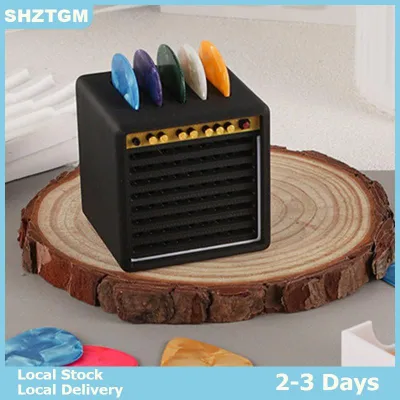
Desktop organizers range from open wooden trays with individual slots to gravity-fed acrylic dispensers. Slotted wooden blocks are excellent for players who want to see their entire collection at a glance, allowing you to sort picks by thickness or color.
Gravity-fed dispensers, similar to miniature ticket holders, allow you to stack picks vertically and pull one from the bottom slot as needed. While highly efficient, gravity-fed designs require picks of uniform size and thickness to function smoothly without jamming.
Wall-mounted options, such as magnetic strips, corkboards, or custom-slotted shelves, help clear valuable desk space. When installing a wall-mounted holder, consider the wall surface and mounting method.
Adhesive-backed wall organizers are convenient but can damage drywall or paint upon removal, especially in humid conditions where the adhesive bonds deeply over time. For heavy wooden or acrylic organizers, using small screws with wall anchors ensures the unit remains stable when you pull picks from the slots.
Key Features to Check Before Buying
Before purchasing any guitar pick storage solution, it is important to evaluate its physical construction and functional design to ensure it matches your specific gear. The first consideration is material durability. Molded plastic and acrylic holders are lightweight and budget-friendly, but they can crack if dropped on hard stage floors.
Machined aluminum and stainless steel offer maximum impact resistance but can scratch other gear if tossed loosely into a gig bag accessory pocket. Hardwoods like walnut or maple provide an elegant aesthetic for home studios but require protection from extreme humidity fluctuations to prevent warping.
Internal dimensions are another critical factor that many players overlook. Most standard pick holders are designed around the classic 351-shape celluloid pick. If you use oversized triangle picks, thick jazz picks, or heavy-gauge bass picks (which can exceed 2.0mm in thickness), they may not fit into standard slots or spring-loaded dispensers.
Always check the manufacturer’s specified slot width and maximum thickness capacity. Forcing an oversized or extra-thick pick into a rigid plastic holder can crack the holder or permanently bend the pick.
Finally, examine the retention mechanism of the organizer. A good holder must balance security with ease of retrieval. Spring-loaded dispensers use an internal metal spring to push picks to the top opening, which works well for standard medium-gauge picks but can crush thin picks or jam with extra-thick ones.
Magnetic closures on wooden boxes or leather wallets offer a secure seal that is easy to open with one hand. For keychain and pocket storage, look for heavy-duty snaps or threaded metal caps that will not accidentally pop open when bumped during your daily commute.
Where to Buy and What to Verify Upon Delivery
When shopping for guitar pick storage in the Philippines, you have several options ranging from local brick-and-mortar music shops to major online marketplaces. Local music stores allow you to handle the product physically, check the material quality, and sometimes even test the fit with your own picks before buying.
Specialty organizers like custom wooden desktop displays or heavy-duty pedalboard mounts are often easier to find on online platforms. Prices can range from budget-friendly plastic holders costing under ₱100 to premium leather wallets or hand-carved wooden boxes that can range from ₱500 to over ₱1,500. When ordering online, factor in shipping costs and delivery times, and read customer reviews to verify that the product matches the seller’s photos.
Once your package arrives, perform a thorough unboxing inspection before discarding the packaging or mounting the holder. Check for any missing hardware, such as mounting screws, adhesive pads, or mic stand adapters. Inspect plastic and acrylic holders closely for hairline cracks that may have occurred during transit, as these small fractures can quickly expand under the stress of daily use.
Before permanently mounting an adhesive holder to your pedalboard or relying on a new keychain pouch for an upcoming gig, conduct a physical fit test. Insert your preferred picks into the holder to verify that they slide in and out smoothly without catching.
Shake the organizer gently to ensure the retention mechanism holds the picks securely and prevents them from spilling out. If the holder uses an adhesive backing, let the adhesive cure for at least 24 hours after installation before subjecting it to the weight of your picks or the vibrations of transport.
Frequently Asked Questions (FAQ)
Can I use a standard pick holder for bass or oversized picks?
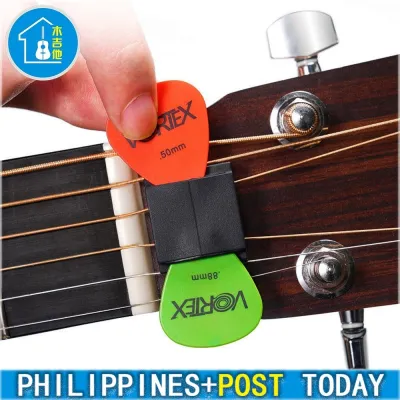
Standard pick holders are typically optimized for the classic 351 guitar pick shape and medium thicknesses (around 0.71mm to 1.0mm). If you play bass or prefer oversized triangular, jazz, or thumb picks, you must verify the internal dimensions of the holder before purchasing. Spring-loaded plastic dispensers often jam when loaded with picks thicker than 1.2mm, and narrow slots in wooden blocks may not accommodate wide triangular shapes. For non-standard picks, look for open-tray desktop organizers, wide-pocket leather wallets, or adjustable friction-fit rubber holders that slide onto your guitar strings or mic stand.
How do I maintain wooden or leather pick organizers?
Wooden and leather organizers require regular maintenance to protect them from wear and environmental damage, especially in humid climates. For wooden desktop holders, dust them regularly with a dry microfiber cloth and occasionally apply a light coat of wood conditioner or mineral oil to prevent the wood from drying out or cracking. For leather wallets and keychain pouches, wipe away sweat and dirt with a damp cloth, and apply a small amount of leather conditioner every few months to keep the material supple. Always check the manufacturer’s care label or product description for specific chemical restrictions, and avoid using harsh household cleaners, which can strip natural finishes and degrade adhesives.
Community discussion
Share your experience or ask a question. Comments are reviewed before publication.