
Choosing the right Pearl marching snare drum for a beginner involves balancing physical weight, shell materials, and hardware durability to match the player’s physical build and the ensemble’s specific performance environment. Pearl offers several series—ranging from lightweight traditional models to heavy-duty high-tension options—meaning the most suitable choice depends on whether the beginner is joining a school drum and lyre corps, a traditional brass band, or a high-tension drumline. Beginners should look for an instrument that allows them to develop proper grip, stroke technique, and posture without causing physical strain, while ensuring the hardware can withstand the high humidity and frequent outdoor rehearsals typical of the Philippine climate.
Key Factors for Choosing a Beginner Marching Snare Drum
Marching snare drums are carried for extended periods during parades and field shows, making physical weight and dimensions a primary consideration for beginners. For younger or smaller students, a standard 14×12-inch high-tension snare can weigh over 7 kilograms, which can quickly lead to fatigue, poor posture, and back strain. A smaller 13×11-inch or 13×9-inch drum, or a lightweight traditional model, is often much more manageable. Proper playing posture requires the drum to sit at a height where the player’s elbows form a slightly greater than 90-degree angle, allowing the wrists to move freely. If the drum is too deep or heavy, the beginner may lean backward or drop their shoulders, which hinders technique development and increases the risk of physical discomfort.
Shell material is another critical factor that dictates both the acoustic profile and the overall durability of the instrument. Pearl marching snares typically feature shells made of birch, maple, or aluminum, each offering distinct characteristics. Birch shells provide a bright, focused sound with excellent projection, making them highly popular for outdoor performances where the sound needs to carry over brass and wind instruments. Maple provides a warmer, richer tone with a wider dynamic range, suitable for indoor ensembles or balanced outdoor bands. Aluminum shells are exceptionally lightweight and highly resistant to humidity, though they offer a different acoustic character. Beginners should check the manufacturer’s specifications to understand how these materials behave, especially since wood shells require proper sealing and care to prevent warping in humid environments.
Products mentioned in this guide
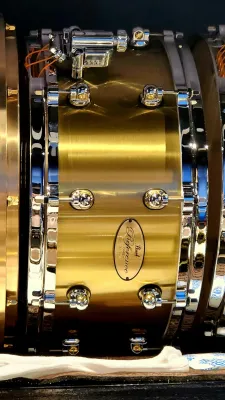
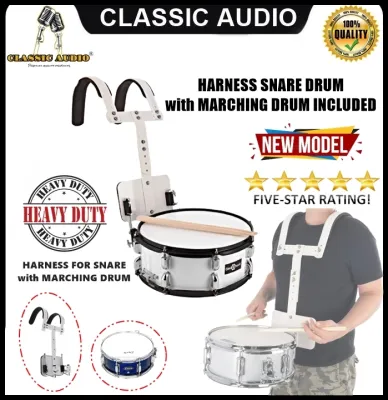
Prices are valid at publication and may change. Please refer to the product page for the latest price.
The hardware on a marching snare drum is subjected to immense tension and physical stress, particularly when using high-tension heads. High-tension marching snares use specialized heads made of Kevlar or aramid fiber, which require robust lugs and tension rods to maintain pitch without stripping the threads or warping the rim. For beginners, evaluating the quality of the lugs, tension rods, and snare strainer mechanisms is crucial for long-term usability. Look for die-cast aluminum or steel hardware that can withstand frequent tuning adjustments. The snare strainer mechanism should operate smoothly, allowing the player to engage or disengage the snares quickly without jamming. In outdoor field conditions, dust, rain, and sweat can corrode low-quality hardware, so choosing a model with chrome-plated or powder-coated hardware helps ensure durability.
Evaluating Pearl Marching Snare Drum Specifications
When browsing catalogs or online listings, it is easy to mistake one Pearl series for another based on photos alone. Beginners and band directors must verify the exact model numbers, dimensions, and shell ply counts from Pearl’s official specification sheets. For instance, a 6-ply birch shell will have different weight and acoustic properties compared to an 8-ply maple shell. Relying on generic descriptions like ‘marching snare’ can lead to purchasing a drum that is either too heavy for a young player or lacks the structural reinforcement needed for high-tension heads. Checking the official specifications ensures you know exactly what you are paying for.

The construction of the shell, bearing edges, and snare wires directly influences the drum’s sound and durability. The bearing edge—the top and bottom edges of the shell where the drumhead makes contact—must be perfectly flat and cut at a precise angle to ensure even head seating and consistent tuning. Pearl’s marching snares often feature reinforced bearing edges to handle high tension. Additionally, check the material of the snare wires. Synthetic gut snares provide a dry, crisp, and articulate sound that is standard for modern marching bands, while steel wire snares offer a brighter, more traditional buzz. Ensuring these materials match your playing environment and ensemble style prevents the need for costly immediate upgrades.
A marching snare drum cannot be played without proper mounting hardware, which must be verified before purchase. When reviewing specifications, verify whether the drum includes a carrier attachment bracket, a traditional sling ring, or both. Some models require separate purchase of the mounting plate that connects the drum to a shoulder carrier. Additionally, check the type of hoops included. Die-cast aluminum hoops are standard on high-tension models because they distribute tension evenly and resist bending, whereas triple-flanged steel hoops are lighter and found on traditional-style marching snares. Confirming these details beforehand ensures that the drum is fully compatible with your existing gear and ready to play out of the box.
Matching the Drum to the Player and Ensemble Needs
Purchasing a high-quality marching snare drum is a significant investment for any student, parent, or school band. Entry-level traditional marching snares generally represent a more accessible price point, making them ideal for school drum and lyre corps with limited budgets. Intermediate and professional high-tension marching snares, which feature heavy-duty hardware and reinforced shells, require a substantially higher budget. When planning your purchase, it is important to budget not just for the drum itself, but also for essential accessories such as a compatible carrier or harness, a durable carrying case, spare drumheads, tuning keys, and marching sticks. Setting a realistic budget in ₱ that accounts for these additional costs prevents unexpected financial strain and ensures the player has a complete, functional setup.
The tropical climate presents unique challenges for instrument maintenance and storage. High humidity can cause wood shells to expand or warp, while salt air in coastal regions can accelerate the rusting of metal hardware. Therefore, proper storage and transport are critical. Beginners must consider where the drum will be stored when not in use. Investing in a padded gig bag or a hard-shell plastic case is highly recommended to protect the drum from physical damage, dust, and moisture during transit to rehearsals and parades. Regular maintenance, such as wiping down the hardware after outdoor rehearsals and applying a light lubricant to the tension rods, will significantly extend the lifespan of the instrument in school or drum corps environments.
Before finalizing a purchase, it is essential to consult with the band director, drum instructor, or section leader. Marching bands and drum corps place a high value on visual and acoustic uniformity. The snare line must look cohesive on the field, which means the finish of the drum shell and the color of the hardware should match the rest of the ensemble. Furthermore, the drums must blend acoustically. Mixing a high-tension, crisp-sounding snare with traditional, lower-tension snares can disrupt the balance of the section. Checking the ensemble’s requirements ensures that the beginner’s drum fits seamlessly into the existing line.
Pre-Purchase Checklist and Verification
To ensure you are getting an authentic Pearl instrument, always purchase from authorized music retailers, official brand distributors, or verified educational suppliers. Avoid buying from unverified sellers on general online marketplaces or social media groups, as counterfeit musical instruments are common. Authorized dealers guarantee that the product is genuine, has been stored in a climate-controlled environment, and is eligible for manufacturer warranties. They can also provide expert advice on compatibility with carriers and replacement parts.
Once the drum arrives, perform a thorough physical inspection before playing it. Check the wooden shell for any cracks, delamination, or soft spots, especially near the bearing edges. Examine the hardware to ensure all lugs, tension rods, and the snare strainer are properly aligned and function smoothly without binding. Loosen the drumheads to inspect the bearing edges for smoothness and flatness; any nicks or unevenness can cause tuning issues and premature head breakage. Finally, ensure the drumheads are seated evenly on the shell and that all tension rods turn smoothly.
Before completing your purchase, clarify the warranty terms and return policies with the retailer. A standard manufacturer’s warranty typically covers defects in materials and workmanship for a specific period, but it may not cover damage caused by improper tuning, exposure to extreme weather, or accidents. Ensure that the local distributor can facilitate warranty claims and has access to genuine Pearl replacement parts, such as replacement lugs, tension rods, or snare strainers. Having reliable local after-sales support is invaluable for keeping the drum in peak playing condition throughout the marching season.
Frequently Asked Questions (FAQ)
Can a beginner use a standard drum kit snare for marching?
A standard drum kit snare is not designed to withstand the physical demands or acoustic requirements of marching percussion. Drum kit snares are typically shallower, lighter, and designed for lower-tension tuning, which lacks the projection needed to be heard outdoors over a full marching band. Furthermore, standard snare drums do not have the reinforced mounting plates or hardware required to attach to a marching carrier or harness. Attempting to march with a standard kit snare using a makeshift strap often results in poor weight distribution, leading to back pain, improper playing angles, and potential damage to both the drum and the player’s posture. Beginners should always use a dedicated marching snare drum designed for mobile performance.
What carrier or strap system is compatible with Pearl marching snares?
Pearl marching snare drums are compatible with a variety of carrier and strap systems, but compatibility depends on the specific model and the mounting hardware installed on the drum. High-tension models typically use a specialized carrier attachment bracket that connects directly to a rigid shoulder harness. Traditional-style marching snares may use a simple shoulder sling or strap that clips onto multi-angle carrying rings attached to the tension lugs. To ensure a proper fit, buyers must check the drum’s mounting plate specifications and consult Pearl’s official compatibility charts or an authorized dealer to match the drum with the correct harness or strap model.

Community discussion
Share your experience or ask a question. Comments are reviewed before publication.