
Choosing your first percussion instrument is an exciting milestone, but navigating the crowded market of beginner cajons can feel overwhelming. In the Philippines, aspiring percussionists frequently compare Gecko cajons against other budget-friendly brands to find the best balance of cost, durability, and sound. To make an informed decision, you must evaluate several core criteria: your personal sound preference, the build materials used, the instrument’s portability, and your overall budget.
Gecko is a highly viable option if its specific tonal profile, robust construction, and included accessories align with your playing goals. However, alternative brands might serve you better if you prioritize ultra-lightweight portability, a highly sensitive snare response, or specific ergonomic designs like sloped front faces. Because specifications can vary widely even within a single brand’s lineup, verifying the manufacturer’s official spec sheet before making a purchase is the most reliable way to ensure you get the exact features you expect.
Understanding the Gecko Cajon for Beginners
To establish a solid baseline for your comparison, you must first understand what a typical Gecko cajon offers to a beginner. These instruments are widely recognized for their sturdy construction, but you should always verify the specific wood types used for both the body and the front plate, often referred to as the tapa. The tapa is the most critical component for sound production, as it directly receives your hand strikes. By checking the product label or official online specification sheet, you can confirm whether a model features a birch, maple, or basswood tapa, each of which yields distinct acoustic properties.
Products mentioned in this guide
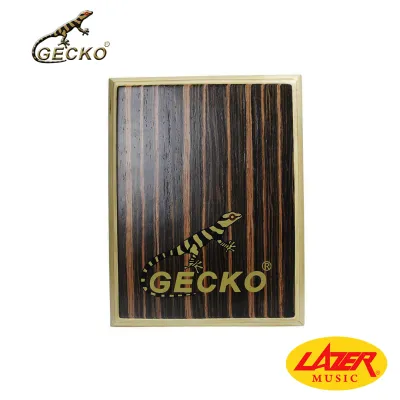
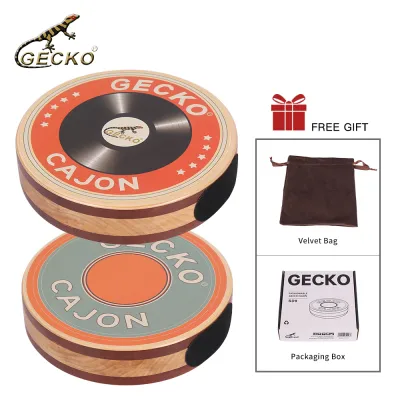
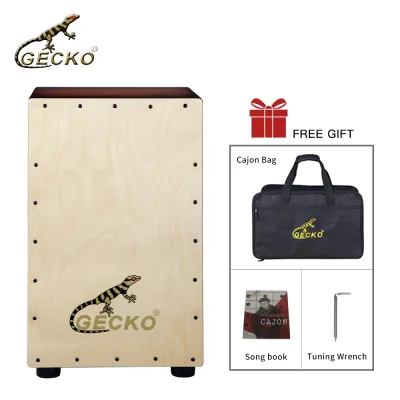

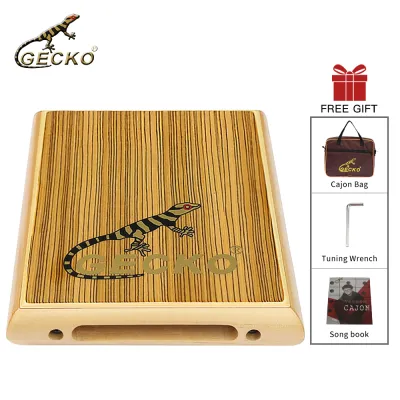
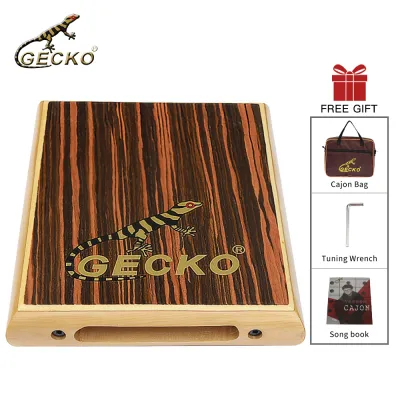
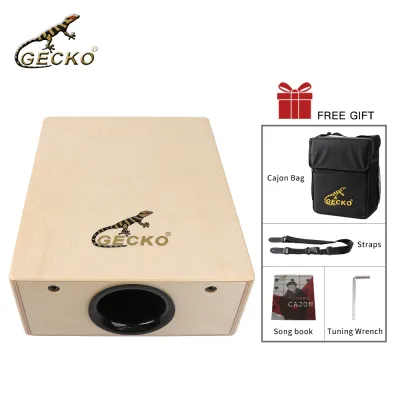
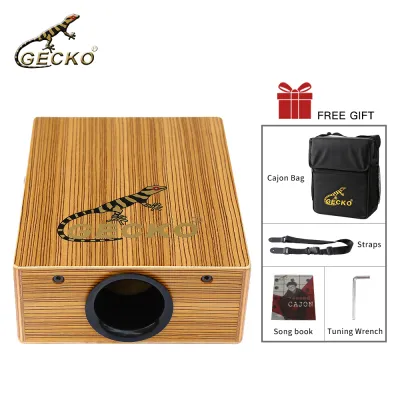
Prices are valid at publication and may change. Please refer to the product page for the latest price.
Another crucial factor to verify is the internal snare system, which gives the cajon its characteristic drum-like buzz. Beginner models generally employ either a fixed snare wire system or an adjustable guitar string system. Snare wires, similar to those found on the bottom of a snare drum, offer a crisp, immediate sizzle that is excellent for modern pop and rock beats. String systems, on the other hand, provide a more organic, flamenco-style buzz that you can often tune using an Allen key. Checking the manufacturer’s specifications will clarify which system is installed in the model you are considering.
Portability and physical dimensions also play a significant role in how comfortably you can practice and perform. Standard cajons typically stand around 48 to 50 centimeters tall, which suits most adults but might feel slightly large for younger players or those with shorter frames. You should check the weight specifications if you plan to carry the instrument to jam sessions, church services, or outdoor gatherings. A heavier body often indicates denser wood, which can enhance bass projection but may make transport more tiring.
Finally, evaluate the package contents to see what accessories are included with your purchase. Many beginner-focused packages bundle the instrument with a padded gig bag, a tuning wrench, and instructional materials. A high-quality gig bag is especially valuable in a tropical climate like the Philippines, where sudden rain showers and high humidity can easily damage exposed wood. Confirming these details beforehand helps you calculate the true cost of ownership, as buying these accessories separately can quickly inflate your initial investment.
Key Dimensions for Comparing Beginner Cajons
When comparing Gecko to other affordable brands in the local market, structured criteria will help you cut through marketing hype and focus on playability. The first dimension to assess is the balance between the bass and snare tones. A well-designed cajon should have a clear separation between these two sounds; striking the center of the tapa should produce a deep, resonant bass boom without triggering excessive snare buzz, while striking the top corners should deliver a sharp, high-pitched slap. The thickness and material of the tapa directly influence this separation, so comparing these specifications across brands is essential.

Build durability is another critical factor, particularly when dealing with budget-friendly instruments. Examine the joint construction of the cajon’s body; high-quality models feature tight, seamless joints that prevent air leaks, which can ruin the instrument’s bass response. Look for rounded corners on the body, as sharp edges can become uncomfortable during long playing sessions. Additionally, ensure the cajon is equipped with sturdy rubber feet on the bottom. These feet not only prevent the instrument from sliding around on smooth floors but also acoustically isolate the box from the ground, preserving its natural resonance.
Ergonomics can make or break your practice routine. Sitting on a hard wooden box for hours can lead to fatigue, so some brands design their cajons with slightly sloped front plates or padded seats. If you have a smaller physical frame, you might want to look for travel or junior sizes, which offer a more comfortable playing posture. Pay close attention to the edge finishing where your hands make contact with the tapa; smooth, well-sanded edges prevent painful bruising and blisters during extended practice sessions.
Lastly, perform a rigorous value assessment by comparing the total package against the asking price in ₱. A slightly more expensive cajon that includes a heavy-duty, water-resistant gig bag and a robust warranty may actually represent better long-term value than a cheaper, bare-bones model. In the Philippine market, prices can fluctuate based on import costs and local distributor markups, so comparing the exact specifications of what you receive for your money is the most reliable way to gauge true value.
Evaluating Alternatives in the Local Market
The Philippine market offers a diverse array of budget-friendly cajon brands, ranging from international entry-level options to locally handcrafted instruments. To evaluate these alternatives objectively, you must learn to read specification sheets like a professional. Pay close attention to the wood species listed; for instance, birch and beech are prized for their bright highs and punchy bass, while medium-density fiberboard is often used in ultra-budget models to keep costs low. While fiberboard can sound acceptable, it is generally heavier and far more susceptible to moisture damage than solid wood or high-quality plywood.
Given the high humidity and tropical climate of the Philippines, verifying the seller’s authorization and local warranty terms is highly recommended. Purchasing from an authorized dealer or a reputable physical music store ensures that you are protected against manufacturing defects, such as wood warping or joint separation, which can manifest after a few weeks of exposure to local weather. Check the return policies on e-commerce platforms carefully, and look for sellers who offer dedicated customer support to assist you if any issues arise post-purchase.
User reviews can provide valuable clues about an instrument’s real-world performance, but you must read them critically. Instead of focusing on generic five-star ratings, look for detailed feedback regarding long-term durability, hardware quality, and snare buzz issues. If multiple buyers mention that the snare wires began to rattle uncontrollably after a month of use, or that the rubber feet fell off quickly, these are clear warning signs. Conversely, consistent praise for a brand’s customer service or the sturdiness of its gig bag can give you greater confidence in your choice.
Whenever possible, visiting a local music store to test different cajons in person is the gold standard of instrument shopping. Sitting on the box, feeling the texture of the tapa, and hearing how the sound projects in a real room will tell you far more than any online video or spec sheet can. Testing in person also allows you to check for manufacturing flaws, such as uneven screws on the front plate or rough patches in the finish, before you hand over your hard-earned ₱.
Decision Framework: Which Cajon Fits Your Needs?
To make your final decision, you should apply a clear, conditional framework based on your specific playing environment and personal preferences. You should choose a Gecko cajon if its verified specifications—such as a birch tapa, an adjustable string system, and a robust body construction—align perfectly with your tonal preferences and budget. If you appreciate a crisp, modern sound and want a complete package that typically includes a reliable gig bag, Gecko represents a highly dependable starting point for your musical journey.
On the other hand, you should look toward alternative brands if you have specific physical or ergonomic requirements that Gecko’s standard models do not address. For example, if you need an ultra-portable instrument for commuting on public transport in busy metropolitan areas, a specialized travel cajon or a smaller-scale model from another manufacturer might be more appropriate. Similarly, if you prefer a highly traditional, dry flamenco sound with minimal snare sustain, an alternative brand featuring a traditional fixed-snare design might suit your style better.
If you remain undecided after comparing specifications, prioritize visiting a physical retail store to test the instruments side by side. If a physical visit is not feasible, ensure that the online marketplace seller you choose has a clear, hassle-free return policy and a solid track record of customer service. This precaution protects your investment and allows you to exchange the instrument if the out-of-the-box sound profile does not meet your expectations.
Ultimately, remember that neither option may be suitable if the physical dimensions, weight, or playing height of these standard cajons do not match your body type. If you experience back strain or find it difficult to reach the lower bass zone of the tapa comfortably, you should pause your purchase and explore alternative percussion instruments, such as bongo drums or compact travel practice pads, which may offer a more ergonomic fit for your physical needs.
Frequently Asked Questions (FAQ)
Do I need a cajon bag for my first purchase?
Investing in a dedicated cajon bag is highly recommended for almost every beginner, especially in the Philippines. You must assess how often you plan to transport your instrument; even if you only take it to occasional rehearsals or friend’s houses, an unprotected wooden box is highly vulnerable to scratches, corner chips, and structural damage from accidental drops. Furthermore, a padded, water-resistant gig bag provides a crucial barrier against tropical humidity and sudden downpours, preserving the wood’s integrity. If your chosen cajon model does not include a bag in its purchase price, you should budget for one separately to safeguard your investment.
How do I tune a beginner cajon if the snare sounds too buzzy?
If your cajon’s snare response sounds excessively loose or produces an unwanted, lingering buzz, you can often resolve the issue with simple adjustments. First, consult the manufacturer’s manual to locate the tuning screws, which are typically situated on the bottom or back of the instrument. Using the included Allen key or a standard screwdriver, make very small, incremental turns—no more than a quarter-turn at a time—to tighten the internal strings or adjust the snare wire tension. Test the sound after each minor adjustment by striking the tapa. If the adjustment mechanism feels stuck, or if the excessive buzzing persists despite your efforts, stop immediately and consult a professional technician or the manufacturer to avoid stripping the screws or damaging the internal structure.
Community discussion
Share your experience or ask a question. Comments are reviewed before publication.