
Starting out in the foreign exchange market can feel like navigating a bustling, unfamiliar city without a map. For many aspiring traders in the Philippines, books serve as the primary gateway to understanding this complex global financial landscape. However, the sheer volume of available literature can be overwhelming, with thousands of titles promising to reveal the secrets of currency trading. Choosing the right guide from scratch requires a discerning eye, as the quality of your foundational reading will directly impact how you manage your capital.
Instead of reaching for the first book that promises rapid wealth, beginners must focus on educational resources that prioritize risk management, structural mechanics, and realistic expectations. A well-chosen book does not just teach you how to enter a trade; it equips you with the analytical framework to survive the market’s natural volatility. By learning how to filter out marketing hype and identify high-quality educational material, you can build a solid foundation that protects your savings while developing a genuine, long-term skill set.
What to Look for in a Beginner Forex Trading Book
When you are starting from scratch, the first challenge is separating genuine educational literature from marketing material designed to sell a lifestyle. High-quality forex books are written to educate, not to entertain or entice. To find these gems, you must establish a strict baseline for selection, starting with a thorough evaluation of the author’s professional background.
Products mentioned in this guide
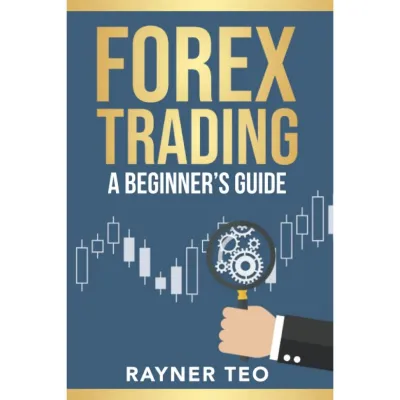
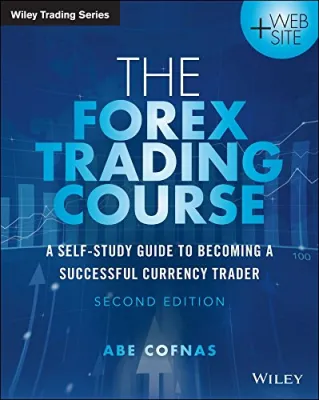
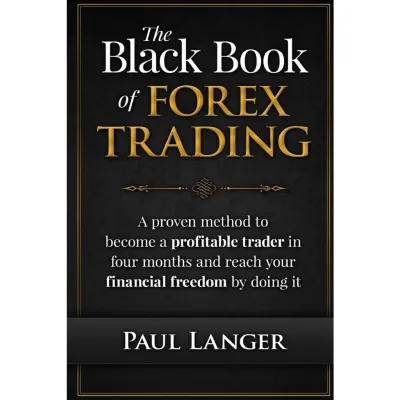
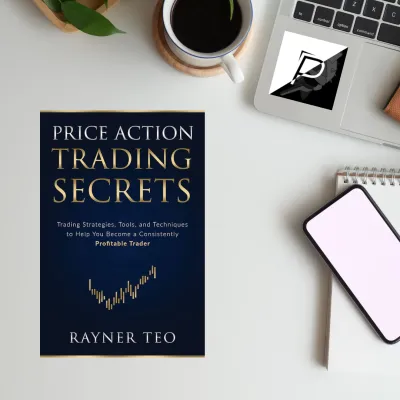
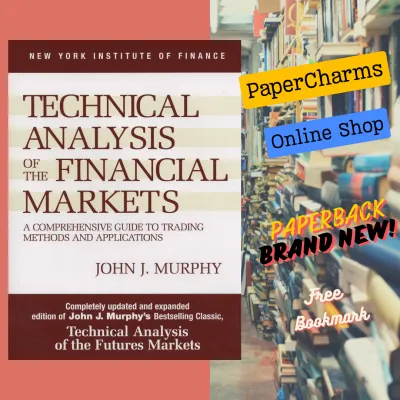
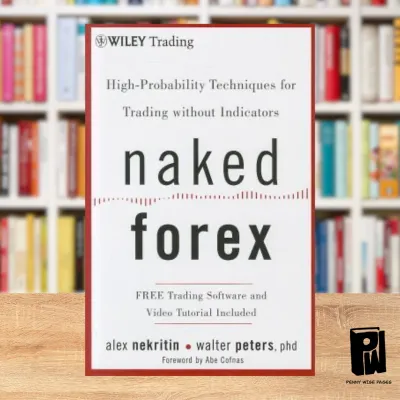
Prices are valid at publication and may change. Please refer to the product page for the latest price.
Prioritize authors who have verifiable, regulated industry experience. Look for writers who have worked as institutional traders, risk managers, or financial analysts at established banks or regulated brokerages. An author with a background in institutional finance brings a level of structural discipline that is rarely found in self-proclaimed gurus who rely solely on social media popularity. Verifiable track records and professional credentials ensure that the concepts you are learning are grounded in actual market operations rather than speculative theories.
While core trading psychology and basic risk principles remain timeless, the technical aspects of the market evolve rapidly. Therefore, you must carefully assess the publication date of any book you consider. A book written in the early 2000s may still offer invaluable insights into emotional discipline and market cycles, but its chapters on trading platforms, order execution, and regulatory environments might be completely obsolete. Look for recent editions or books that have been updated to reflect modern electronic trading environments, retail broker regulations, and contemporary liquidity conditions.
Finally, examine the book’s pedagogical approach. A great beginner book builds concepts step-by-step, assuming the reader has zero prior knowledge of finance. It should introduce basic terminology clearly before moving on to complex strategies, using practical examples rather than dense, abstract mathematical formulas. Avoid books that throw unexplained jargon at you in the early chapters, as this is often a sign of poor instructional design or an attempt to mask a lack of substance with complicated language.
Essential Topics Your First Forex Book Must Cover
Your very first forex book must act as a comprehensive manual, leaving no gaps in your foundational knowledge. If a book skips straight to advanced chart patterns without explaining how the market actually functions, it is not suitable for a beginner. A complete guide must thoroughly cover three core pillars: market mechanics, analysis basics, and risk management.

First, the book must demystify market mechanics. You need a crystal-clear explanation of what a currency pair is, how quotes are read, and what terms like pips, lots, leverage, and margin actually mean in practice. For instance, you should learn how a tiny movement in the exchange rate of the US Dollar against the Philippine Peso translates into profit or loss depending on your position size. Understanding how leverage amplifies both gains and losses is absolutely critical; a good book will explain that while leverage allows you to control large positions with a small deposit, it also significantly increases your risk of capital depletion.
Second, the book should offer a balanced introduction to both fundamental and technical analysis. Fundamental analysis teaches you how economic indicators—such as interest rates set by central banks, inflation data, and employment reports—drive long-term currency trends. Technical analysis, on the other hand, focuses on reading price charts, identifying support and resistance levels, and understanding market sentiment through historical price action. A beginner needs to understand both disciplines to develop a holistic view of the market, rather than dogmatically choosing one over the other.
Third, and most importantly, the book must dedicate significant space to risk management. This is the absolute cornerstone of trading survival. The text should provide strict, actionable frameworks for calculating position sizes, placing stop-loss orders to limit potential losses, and managing your overall capital exposure. It should teach you how to preserve your trading account during a string of losing trades, emphasizing that protecting your capital is always more important than chasing high-yield returns.
Red Flags: Avoiding "Get-Rich-Quick" Trading Books
The financial literature space is unfortunately filled with predatory books designed to exploit the financial anxieties of beginners. Many of these books target young adults with promises of easy money, flexible working hours, and rapid wealth. Recognizing the red flags of “get-rich-quick” literature is essential to protecting both your time and your money.
Be highly skeptical of any book that promises guaranteed returns, secret formulas, or highly consistent daily profits. The foreign exchange market is inherently unpredictable, and no strategy can guarantee success on every trade. Authors who claim to have discovered a “holy grail” system or who showcase flashy lifestyles on their covers are almost always selling illusions. A legitimate author will openly discuss drawdown periods—times when a strategy experiences consecutive losses—and emphasize that losing trades are an inevitable part of a professional trading career.
Another major red flag is when a book serves primarily as a low-cost marketing funnel. Many self-published authors price their books very cheaply, or even offer them for free, simply to capture your contact information. Once you start reading, you realize the book lacks actionable details and constantly directs you to sign up for expensive mentorship programs, premium signal groups, or unregulated offshore brokers. If a book spends more time pitching external services than explaining trading concepts, put it down immediately.
Finally, avoid books that downplay the psychological difficulty of trading. Success in forex requires immense emotional discipline, patience, and the ability to accept losses without panic. Books that treat trading as a simple game or a casual hobby fail to prepare you for the psychological toll of risking real money. Look for authors who include comprehensive risk disclosures and dedicate entire chapters to the mental challenges of managing risk under pressure.
Pre-Purchase Checklist: Verifying Editions, Formats, and Sellers
Once you have identified a book that meets your educational standards, you must verify the physical or digital product specifications before making a purchase. In the Philippines, navigating the book market requires caution to ensure you receive complete, authorized, and high-quality content.
Always verify the exact edition and publication year of the book. Publishers frequently release updated editions to correct errors, update charts, and revise outdated regulatory information. When buying online, check the International Standard Book Number (ISBN) listed in the product details to confirm you are purchasing the latest version. This prevents the frustration of reading about obsolete trading platforms or outdated market rules that no longer apply to modern retail accounts.
Next, consider the format compatibility of your purchase. If you prefer digital reading, ensure the file format (such as ePub or PDF) is fully compatible with your specific e-reader, tablet, or smartphone. Some highly detailed trading books contain complex charts and color-coded diagrams that do not render well on basic e-ink screens. For these books, a physical paperback or a high-resolution tablet display is often superior, as it allows you to study chart patterns and technical indicators clearly without straining your eyes.
Finally, choose your sellers with care. The local digital space is flooded with unauthorized sellers offering pirated PDF copies of popular trading books for just a few pesos on general e-commerce platforms and online marketplaces. Avoid these listings entirely. Pirated digital files are frequently incomplete, missing crucial chart illustrations, or riddled with formatting errors that make technical concepts impossible to follow. Furthermore, downloading files from unauthorized sources exposes your devices to security risks like malware. Purchase only from authorized online bookstores, official publisher websites, or reputable local physical retailers to ensure you receive a complete, high-quality product while supporting the authors who produce genuine educational content.
How to Apply Your Reading to a Demo Account Safely
Reading a book is only the first step in your trading journey; the real learning begins when you apply that knowledge in a practical environment. However, jumping straight into the live market with real money is a recipe for disaster. To build your skills safely, you must integrate your reading with a structured demo trading plan.
Start by sequencing your learning process. Do not try to memorize complex trading strategies before you have fully mastered basic terminology and platform navigation. Read the introductory chapters of your chosen book, and then open a free demo account with a regulated broker. Use this risk-free environment simply to familiarize yourself with the user interface. Practice placing basic buy and sell orders, adjusting your chart timeframes, and locating different technical indicators. This ensures that when you eventually start analyzing the market, you will not make costly operational mistakes.
As you progress through the book, actively test the concepts you read about on your demo account. If a chapter explains how to identify support and resistance levels, open your demo charts and try to locate those levels on historical price data. If the book discusses position sizing, use a calculator to determine the correct lot size for a hypothetical trade on your demo account, and execute it. This hands-on practice bridges the gap between theoretical knowledge and real-time market behavior, allowing you to see how price movements affect your simulated balance without risking a single peso.
Lastly, set realistic timelines for your development. Reading a 300-page book will not make you an expert trader overnight. Treat your reading as a long-term study guide that you return to repeatedly as you gain experience. Expect to spend several months practicing on a demo account, refining your discipline, and observing market behavior before you even consider transitioning to live trading with real capital. Patience and consistent study are the true keys to building a sustainable trading skill set.
Frequently Asked Questions (FAQ)
Do I need to buy expensive textbooks to learn forex trading?
No, you do not need to spend a fortune on expensive textbooks or academic manuals to get a high-quality education in forex trading. Many of the most valuable foundational concepts—such as market mechanics, basic technical analysis, and risk management principles—are covered thoroughly in reasonably priced, widely available trade paperbacks. Additionally, many highly regulated international brokers offer comprehensive, structured educational portals and webinars completely free of charge to help beginners get started safely. When selecting learning materials, focus on the author’s professional credibility and the structure of the curriculum rather than the price tag or premium packaging of the book.
Are forex trading books written by local authors in the Philippines better for beginners?
Core forex mechanics, technical analysis, and risk management principles are universal; they do not change based on the nationality of the author or where you are trading from. However, books written by local authors in the Philippines can offer valuable practical context that international books lack. A local author might provide specific guidance on navigating Philippine banking regulations, funding your trading accounts through local payment channels, and understanding local tax implications. If you choose to read local authors, you must still apply the same rigorous standards: verify their professional regulatory compliance, ensure they have actual trading expertise, and confirm that their books do not promote unrealistic financial promises.
Community discussion
Share your experience or ask a question. Comments are reviewed before publication.