
Replacing a worn-out or damaged floor tom leg bracket requires careful attention to physical dimensions rather than relying solely on the drum brand name. A mismatched bracket can lead to unstable legs, damaged drum shells, or costly return shipping fees. Avoiding a mismatched purchase saves you from wasting ₱500 to ₱1,500 on incorrect hardware. To find a replacement that fits perfectly, you must measure the leg rod diameter, the mounting hole spacing on the shell, and the overall clearance of the bracket arm.
Essential Measurements for Bracket Compatibility
The most critical dimension to check is the diameter of your existing floor tom legs. Most standard floor tom legs come in diameters of 9.5mm, 10.5mm, or 12mm. If you purchase a bracket designed for a 9.5mm rod but your legs are 10.5mm, the rod will not fit. Conversely, using a 12mm bracket with a 9.5mm leg will result in a loose, unstable setup that slips during play.
Next, measure the mounting hole spacing on your drum shell. This is the distance between the centers of the two screw holes drilled into the shell. Common spacing measurements include 1 inch, 1.25 inches, or 2 inches. If the replacement bracket’s mounting screws do not align perfectly with these existing holes, you will be forced to drill new holes, which lowers the drum’s resale value and structural integrity.
Products mentioned in this guide
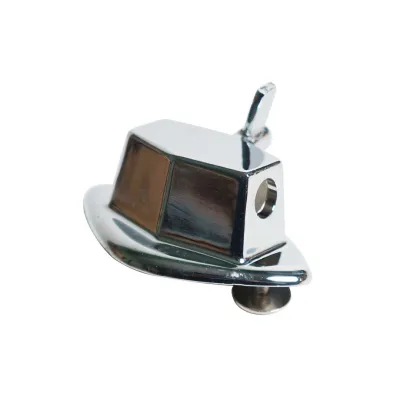
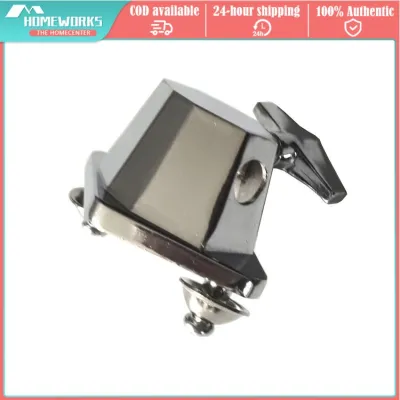
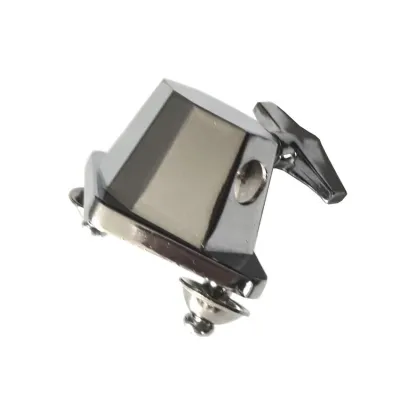
![Durable Tom Drum Leg Bracket Mount Bracket Floor Tom Leg Clamp Holder Instrument Accessories Replacement Part [COD][Ready Stock]](https://img.lazcdn.com/g/p/81d76abd1bbd8c97b7e9b03b73088d58.jpg_400x400q80.jpg_.webp)
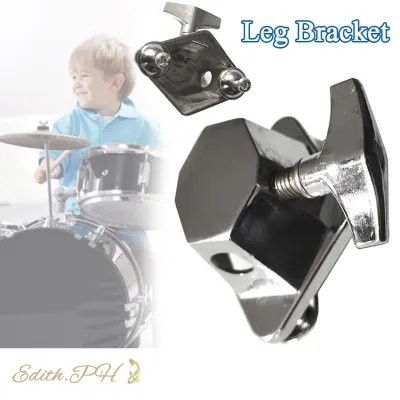
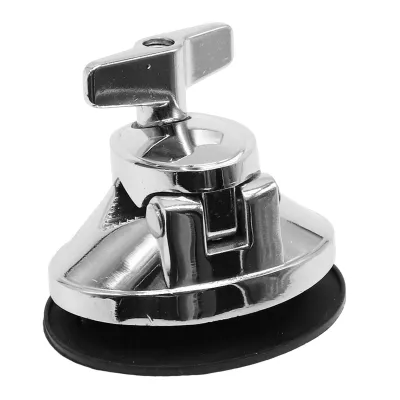
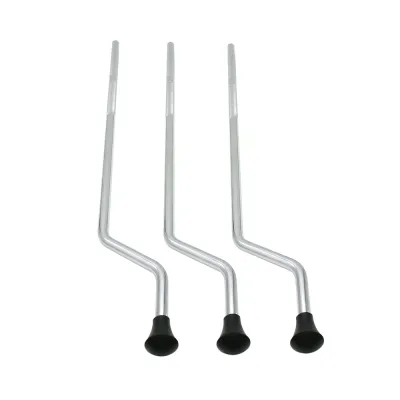
Prices are valid at publication and may change. Please refer to the product page for the latest price.
The diameter of the mounting holes themselves is another vital specification. The mounting screws included with the new bracket must fit through the existing holes in the shell without requiring you to enlarge them. Standard mounting screws typically range from 4mm to 6mm in diameter, so verifying this clearance beforehand prevents unnecessary modifications.
Finally, evaluate the bracket arm length and curvature to ensure the hardware clears the drum hoop. Some brackets feature an extended arm design that pushes the leg further away from the shell, while others sit flush. If the bracket is too shallow, the leg rod or the tightening wing nut might rub against the bottom hoop, making tuning difficult.
Understanding Mount Types and Thread Specifications
Floor tom leg brackets generally fall into two categories: standard universal designs and proprietary brand-specific mounts. Standard brackets often use a simple eye-bolt mechanism that clamps down directly on the leg rod. Proprietary mounts, such as those found on high-end vintage or modern custom kits, may use unique bracket shapes or specific mounting plates that only fit that manufacturer’s shell design.

Before purchasing, verify the thread size and pitch of the mounting screws using your original hardware. Most drum manufacturers use standard metric threads like M4, M5, or M6, or imperial threads like 10-24 or 10-32. Trying to force a metric screw into an imperial threaded insert will strip the threads instantly, rendering the new bracket useless and potentially damaging the mounting plate.
The shape of the bracket’s base plate must also match the contour of your drum shell. A floor tom shell has a specific radius based on its diameter, which is typically 14, 16, or 18 inches. Many brackets feature a curved gasket or a contoured metal base designed to sit flush against these curved surfaces. Installing a flat-backed bracket on a highly curved shell can put uneven pressure on the wood, leading to shell cracking over time.
For drums wrapped in delicate materials or finished with high-gloss lacquer, look for brackets that include a rubber or plastic isolation gasket. This gasket sits between the metal bracket and the drum shell, absorbing vibrations and preventing the metal edges from digging into the finish. If your replacement bracket does not include a gasket, you may need to purchase one separately.
How to Verify Fit Before Purchasing
To ensure a seamless replacement process, start by searching for the original equipment manufacturer (OEM) part number. If your drum is a modern model from a major brand, the manufacturer’s website or parts catalog will often list the exact bracket model used. Searching for this specific part number on an online marketplace is the most reliable way to guarantee a perfect fit.
If the OEM part is discontinued or unavailable, you must rely on precise physical measurements. Use a digital caliper rather than a standard tape measure or ruler, as calipers can measure down to fractions of a millimeter. Take photos of your drum shell with the caliper held against the mounting holes to keep a clear reference when comparing specifications.
When shopping on an ecommerce platform, always review the product description for detailed technical drawings or dimension diagrams. Reliable hardware manufacturers usually provide a schematic showing the exact distance between mounting holes, the thread pitch of the screws, and the maximum leg diameter supported. If these specifications are missing, contact the seller directly to verify the details before placing your order.
Additionally, check the return policy of the retailer before finalizing your purchase, especially when buying aftermarket or universal brackets. Even with careful measurements, minor manufacturing tolerances can sometimes cause fitment issues. A flexible return policy ensures you can exchange the bracket for a different size without losing money on a part that does not fit.
Common Fitment Issues and Troubleshooting
One of the most common issues encountered during installation is discovering stripped threads or worn mounting holes on the drum shell. If the wood around the mounting holes has softened or stripped out from years of tension, the new bracket will not sit securely. In such cases, you may need to install backing washers on the inside of the shell to distribute the pressure more evenly.
If your replacement bracket has a different pivot range or sits at a different angle than the original, you may need to adjust your leg angles and memory locks. A bracket that holds the leg closer to the shell will change the drum’s center of gravity, potentially making it feel unstable. Take time to adjust the height and splay of all three legs to ensure the floor tom remains balanced.
In tropical climates like the Philippines, high humidity can cause drum shells to expand slightly, and metal hardware can corrode more quickly. If you find that the mounting screws are difficult to thread or the bracket does not sit flush, do not force it. Forcing tight hardware can split the wood shell; instead, clean the holes gently and apply a tiny drop of light machine oil to the threads.
If you are dealing with a vintage drum or a highly proprietary mounting system, know when to stop and consult a professional drum technician. Attempting to modify a rare or vintage shell by drilling new holes can drastically reduce its value and compromise its acoustic properties. A qualified technician can help you source rare parts or safely adapt modern hardware.
Frequently Asked Questions (FAQ)
Can I use a universal floor tom leg bracket on any drum?
No, universal floor tom leg brackets do not fit every drum shell. While they are designed to accommodate common leg diameters and standard hole spacings, they may not match the specific contour of your shell or the existing hole pattern. Using a universal bracket on a shell with a different radius can cause gaps, leading to instability or shell damage when tightened. Always compare the mounting hole spacing and base plate shape of the universal bracket against your drum’s specifications before purchasing.
What tools do I need to measure drum bracket specs accurately?
To measure drum bracket specifications accurately, you should use a digital caliper, a thread pitch gauge, and a standard metric and imperial ruler. A digital caliper is essential for measuring the exact diameter of your leg rods and the precise distance between mounting holes. A thread pitch gauge helps you identify the correct screw threads to prevent stripping. Avoid using flexible tape measures, as they can stretch or bend, leading to inaccurate readings.
Community discussion
Share your experience or ask a question. Comments are reviewed before publication.