
Choosing your first bass guitar is an exciting milestone, but stepping into a music store or browsing online marketplaces can quickly feel overwhelming. Squier, Fender’s highly regarded entry-level brand, has long been the go-to choice for beginners worldwide. However, finding the right Squier bass for your specific needs in the Philippines requires looking beyond generic recommendations. The ideal instrument must align with your physical comfort, musical tastes, and budget, while also being resilient enough to withstand the local tropical climate. By understanding the distinct Squier series and matching their technical specifications to your personal playing style, you can make an informed purchase that keeps you motivated to practice.
Navigating the Main Squier Bass Series
Squier organizes its bass guitar lineup into distinct series, each catering to different budgets, experience levels, and construction standards. As you move up the hierarchy, you will find improvements in tonewood selection, hardware durability, pickup quality, and overall fretwork refinement. For a beginner, understanding these tiers is crucial for determining how much to invest upfront. A casual hobbyist testing the waters may not need the same level of instrument as a dedicated student planning to play in a church worship band or a local school group. Balancing immediate affordability against the long-term longevity of the hardware will help you choose a bass that remains reliable for years.
Squier Sonic Series
The Squier Sonic series serves as the entry point of the brand’s lineup, replacing the older Bullet series. Designed with absolute beginners and budget-conscious players in mind, these instruments feature lightweight poplar bodies and slim, comfortable neck profiles. The electronics are straightforward, typically utilizing ceramic pickups that deliver a clear, modern tone.
Products mentioned in this guide
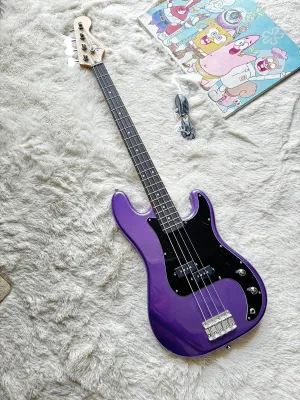
8 Lazada user ratings
🎧Sound Quality: it aight 🎨Design: maganda naman 🔨Durability: di naman sirain 💰Price: for the price pwede na 🛠Build Quality: may imperfection…Read full reviewShow less
🎧Sound Quality: it aight 🎨Design: maganda naman 🔨Durability: di naman sirain 💰Price: for the price pwede na 🛠Build Quality: may imperfections pero after that ayos
🎨Design: excellent, classic Fender Chrome hardware finish, classic Maple neck for stability, style bass design 🎧Sound Quality: Excellent 💰Pr…Read full reviewShow less
🎨Design: excellent, classic Fender Chrome hardware finish, classic Maple neck for stability, style bass design 🎧Sound Quality: Excellent 💰Price: Very affordable
💰Price:its worth the price, for a dupe 🔨Durability:durability is nice although the bridges are kinda tall.
nice, safe na dumating at legitimate ang store, good product..
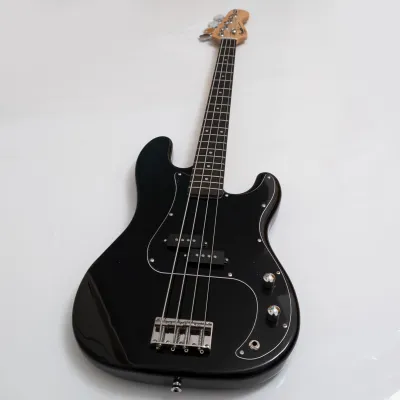
Prices are valid at publication and may change. Please refer to the product page for the latest price.
While highly accessible, the Sonic series does involve some trade-offs. The hardware, such as the tuning machines and bridge, is basic and may require more frequent adjustments to maintain tuning stability. Additionally, in the high humidity of the Philippines, the minimal finish on the neck and fretboard means the wood is more susceptible to moisture changes, which can occasionally lead to minor fret sprout or neck bowing. Nevertheless, for those who want to try the bass guitar without a significant financial commitment, the Sonic series offers a highly functional starting point.
Squier Affinity Series
Positioned as the mid-tier option, the Squier Affinity series strikes an excellent balance between affordability and robust playability. These models feature upgraded materials, including smoother fret edges, more stable tuning machines, and a wider variety of classic body shapes and pickup configurations.
The necks often feature a comfortable satin finish, which prevents your hand from sticking to the wood during hot, humid practice sessions in non-airconditioned rooms. The Affinity series is highly versatile, making it suitable for regular home practice, band rehearsals, and even early live performances at local community events. Because the hardware is more durable than that of the Sonic series, these basses hold their tuning much better under regular use, making them a reliable workhorse for beginners who are committed to consistent practice.
Squier Classic Vibe Series
The Squier Classic Vibe series represents the pinnacle of the Squier lineup, drawing inspiration from Fender’s iconic designs of the 1950s, 1960s, and 1970s. These instruments feature premium tonewoods, vintage-style hardware, and Fender-designed alnico pickups that produce warm, rich, and highly authentic tones.
The craftsmanship on the Classic Vibe series is exceptionally high, often rivaling mid-range instruments from other brands. While the initial investment is higher, these basses offer superior playability, excellent tuning stability, and a gloss-finished neck that provides a premium feel. For beginners who are certain of their musical path, starting with a Classic Vibe bass eliminates the need for an early upgrade. Furthermore, these models hold their resale value remarkably well in the local second-hand market, making them a smart long-term investment.
Matching Specifications to Your Playing Style and Comfort
When selecting a bass guitar, physical comfort should be your primary consideration. A bass that feels awkward or heavy will quickly discourage you from practicing. The neck profile is the first specification to examine; most Squier basses feature a modern “C”-shaped neck, which is slim and fits comfortably in most hand sizes. However, the nut width—the width of the fretboard near the headstock—varies. Jazz Bass models typically have a narrower nut width, making the neck feel slimmer and easier to wrap your fingers around, whereas Precision Bass models feature a wider, chunkier neck that some players find more supportive for anchoring their thumb.

Scale length is another critical factor. Standard bass guitars have a 34-inch scale length, which provides excellent string tension and a tight, punchy low-end sound. However, younger players, smaller-framed individuals, or those with smaller hands may find the reach to the lower frets physically taxing. In such cases, a short-scale bass, which typically measures 30 inches, is an excellent alternative. Short-scale models have frets that are spaced closer together and lower string tension, making it much easier to press down on the strings and navigate the fretboard without straining your wrist.
The pickup configuration directly dictates the tonal character of the instrument and should match the music genres you wish to play. The Precision Bass (P-Bass) configuration uses a single split-coil pickup in the middle of the body, producing a warm, punchy, and mid-range-focused tone that sits perfectly in rock, pop, reggae, and traditional worship music. The Jazz Bass (J-Bass) configuration features two single-coil pickups, offering a brighter, clearer, and more scooped sound with excellent note definition, making it highly suitable for funk, jazz, and slap bass techniques. For ultimate versatility, the PJ configuration combines a P-Bass pickup in the middle with a J-Bass pickup at the bridge, allowing you to dial in a wide range of tones.
Finally, pay attention to body weight and ergonomics. Squier basses are constructed from various tonewoods like poplar, nato, or pine, which differ in weight. A heavy instrument can cause shoulder and back strain during long standing sessions. Look for body designs with comfortable contours, such as a forearm bevel and a belly cut, which allow the instrument to sit naturally against your body whether you are sitting on a stool or standing with a strap. Before purchasing, always read the manufacturer’s specification sheets online to verify the nut width, scale length, and body materials.
Inspecting and Buying Safely in the Local Market
Purchasing a musical instrument in the Philippines requires a careful approach to ensure you receive a genuine, high-quality product. To avoid counterfeit instruments or B-stock items sold as new, always buy from authorized local music distributors or official brand flagship stores on reputable e-commerce platforms. If you have the opportunity to visit a physical store, performing a thorough hands-on inspection is the best way to guarantee the instrument is free from structural defects.
Begin your physical inspection by checking the neck relief. Hold the bass up and look down the edge of the fingerboard from the headstock toward the body; the neck should be relatively straight with a very slight, almost imperceptible forward curve. Next, run your hand gently up and down the sides of the neck to check for fret sprout. If the metal fret ends feel sharp or stick out past the edge of the wood, it indicates that the wood has shrunk due to dry storage conditions. While a technician can easily file these down, it is a sign that the instrument may require immediate maintenance.
Test the playability by pressing down on every single fret on every string to check for fret buzz or dead notes, which occur when a string vibrates against a fret higher up the neck. Check the intonation by tuning the bass, playing an open string, and then pressing down at the twelfth fret; the pitch at the twelfth fret should be exactly one octave higher and perfectly in tune. If it is sharp or flat, the bridge saddles will need adjustment.
Next, plug the bass into an amplifier to test the electronics. Turn all the volume and tone knobs slowly; they should rotate smoothly without producing any crackling or scratching noises through the speaker. Touch the metal bridge or strings while the amp is on; if a loud hum or buzz occurs and only disappears when you touch the metal, the bass may have a faulty ground wire.
If you are purchasing online, direct inspection is impossible, making it vital to verify the seller’s policies. Ensure the online store offers a clear return window, comprehensive warranty coverage, and uses secure, fragile-item shipping methods. If you receive the instrument and notice severe structural issues, such as a cracked neck joint, a warped neck that cannot be adjusted, or lifting frets, stop playing immediately, document the damage, and contact the seller or a qualified local luthier to evaluate the instrument.
Planning Your Total Budget for Essential Accessories
A common mistake among beginner bassists is spending their entire budget on the guitar itself, leaving no room for the essential gear required to actually play and maintain the instrument. An electric bass guitar produces very little acoustic volume on its own, meaning a dedicated bass amplifier is an absolute necessity. It is crucial to purchase an amplifier specifically designed for bass guitars; using a standard electric guitar amplifier can easily blow out the speaker, as guitar amps are not built to handle the low-frequency waves produced by a bass. For home practice, a compact combo amplifier ranging from 15 to 40 watts is more than sufficient to deliver clear, undistorted bass tones at reasonable volumes.
Beyond the amplifier, you must budget for several practical accessories. A high-quality, shielded instrument cable is required to connect your bass to the amplifier without introducing unwanted hum or interference. A reliable tuner—either a convenient clip-on headstock tuner or a pedal tuner—is essential, as playing an out-of-tune instrument will hinder your ear training and make practice frustrating.
To prevent physical strain and protect your investment, invest in a wide, padded strap that distributes the weight of the bass evenly across your shoulder. A padded gig bag is also indispensable for protecting the instrument from dust, scratches, and the high humidity of the local climate, especially if you plan to transport your bass to lessons or rehearsals. Finally, a sturdy guitar stand keeps your bass secure when not in use, preventing accidental falls that could crack the neck or damage the finish.
When planning your finances, aim to allocate approximately 60% to 70% of your total budget to the Squier bass itself, 20% to 25% to a suitable practice amplifier, and the remaining 10% to 15% to accessories. For example, if you have a total budget of ₱20,000, spending roughly ₱13,000 on an Affinity or Sonic bass, ₱5,000 on a practice amp, and ₱2,000 on a cable, tuner, strap, and gig bag ensures you have a complete, high-quality setup without any unexpected post-purchase expenses.
Frequently Asked Questions (FAQ)
Is a short-scale Squier bass better for beginners with small hands?
Yes, a short-scale Squier bass can be highly beneficial for beginners with smaller hands, younger players, or those transitioning from the guitar. With a 30-inch scale length compared to the standard 34-inch scale, the frets are physically closer together, which significantly reduces the finger stretching required to play scales and basslines. The shorter neck also means the strings are under less tension, making them softer and much easier to press down against the frets, which helps build finger strength with less initial discomfort. Tonal differences do exist; short-scale basses generally produce a warmer, rounder sound with a prominent low-midrange, though they may lack some of the bright high-end clarity and tight string definition found on standard-scale models.
Do I need to set up a new Squier bass before playing?
Yes, obtaining a professional setup is highly recommended for any new Squier bass. Instruments are manufactured in overseas factories and undergo long journeys in shipping containers, exposing them to extreme temperature and humidity fluctuations before they reach retail shelves in the Philippines. Once the bass enters a local home, the wood naturally adjusts to the tropical humidity, which can cause the neck to bow or the string height to shift. A professional setup by a local luthier or qualified technician involves adjusting the truss rod to correct neck relief, setting the bridge saddle height for comfortable action, filing the nut slots, and adjusting the intonation. This simple service transforms the instrument, making it significantly easier to play and eliminating frustrating fret buzz.
Can I upgrade parts on an entry-level Squier bass later?
Squier basses are widely celebrated as excellent platforms for customization and upgrades. If you start with an entry-level model like a Squier Sonic, you can easily perform simple, reversible upgrades over time, such as installing high-quality strings, swapping the plastic nut for a bone nut, or replacing the pickguard for a personalized look. However, it is important to be mindful of diminishing financial returns. Upgrading major components like the pickups, bridge, and tuning machines can quickly exceed the original cost of the instrument. For entry-level models, it is usually best to stick to basic playability upgrades; if you find yourself wanting premium electronics and vintage-style hardware, saving up to transition to a Classic Vibe or a Fender model is often the more cost-effective path.
Community discussion
Share your experience or ask a question. Comments are reviewed before publication.