
Finding the most impactful self-love books for personal growth in the Philippines requires moving beyond generic bestseller lists and viral social media recommendations. True personal development is highly individual; a book that transforms one person’s outlook might feel irrelevant or impractical to another. To build a reading list that genuinely fosters emotional resilience and self-compassion, you must evaluate literature through the lens of your unique psychological needs, your daily lifestyle, and the cultural realities of Filipino society.
By taking a structured approach to selecting your reading material, you can avoid the common trap of buying books on impulse only to leave them unfinished on your shelf. Instead, you can curate a purposeful collection of books that offer practical, safe, and culturally compatible guidance for your self-improvement journey.
Identifying Your Personal Growth Goals Before You Read
Many readers buy self-help books during moments of acute stress or emotional exhaustion, leading to impulsive purchases that do not address the root cause of their struggles. Before browsing online marketplaces or physical bookstores, take a step back to identify your primary emotional objective. Are you trying to establish healthier boundaries with overbearing family members, or are you looking to quiet a relentless inner critic that undermines your professional confidence?
Products mentioned in this guide
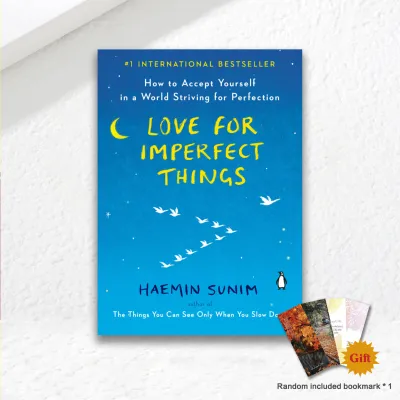
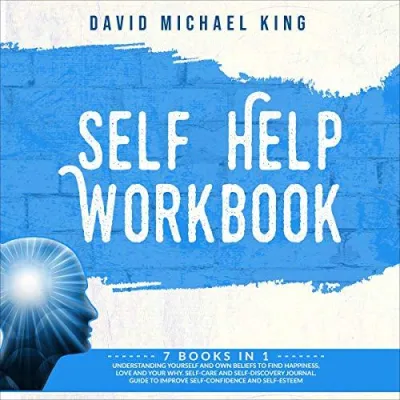
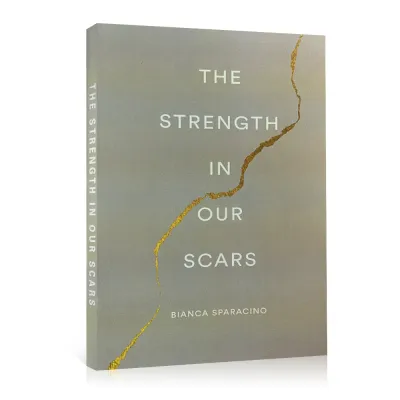
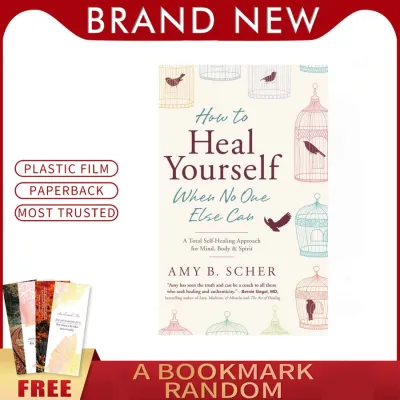
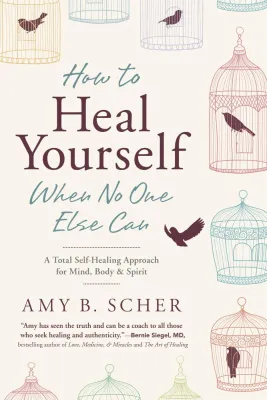
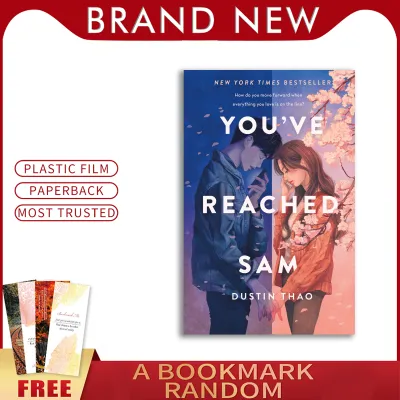
Prices are valid at publication and may change. Please refer to the product page for the latest price.
Self-love is an umbrella term that encompasses distinct psychological domains, and identifying your specific need is crucial. If your struggle is interpersonal, you need books focusing on assertiveness, codependency recovery, and boundary-setting. If your struggle is internal, such as chronic self-doubt, perfectionism, or imposter syndrome, your focus should be on self-compassion, cognitive reframing, or emotional regulation. Pinpointing this focus prevents you from getting lost in vague motivational literature that offers little practical utility.
Next, consider your daily schedule and cognitive bandwidth to choose the right book format. If you are balancing a demanding job and a long daily commute, a dense, four-hundred-page psychological treatise might feel overwhelming, leading to guilt when you inevitably leave it unfinished. In such cases, short essay collections or daily reflection books are much more manageable. Conversely, if you want structured, hands-on progress, a dedicated workbook with written exercises is far more effective than a passive narrative.
Finally, prioritize your psychological safety by identifying potentially triggering topics before purchasing a book. Personal growth often requires confronting difficult past experiences, such as childhood neglect, relationship trauma, or family conflict. Before diving into a book, check online summaries or reader reviews to ensure the content does not trigger severe emotional distress without providing adequate coping mechanisms. If you are navigating deep-seated trauma, remember that self-help books should serve as gentle entry points rather than substitutes for professional mental health support.
What to Look for in a Quality Self-Love Book
The self-help industry is saturated with self-proclaimed gurus who offer anecdotal advice lacking scientific backing. To protect your mental well-being and ensure you are investing your time wisely, prioritize books written by licensed clinical psychologists, family therapists, researchers, or certified mental health practitioners. These authors base their insights on empirical frameworks and clinical experience rather than personal opinions or superficial positive thinking.

A high-quality self-love book does more than just describe a problem; it provides you with the practical tools to solve it. Look for texts that incorporate evidence-based methodologies, such as Cognitive Behavioral Therapy, Acceptance and Commitment Therapy, or mindfulness-based stress reduction. Books that feature guided writing prompts, behavioral experiments, or structured worksheets allow you to actively apply the concepts to your daily life, turning passive reading into active healing.
Avoid books that rely heavily on repetitive, toxic positivity—such as telling you to ignore negative emotions or simply think positive thoughts without explaining how to manage your underlying pain. A well-structured book presents a logical progression: it helps you understand the origins of your behavior, guides you through the process of challenging those patterns, and offers sustainable strategies for long-term maintenance. Reviewing the table of contents and reading a sample chapter can quickly reveal whether a book offers substance or merely superficial encouragement.
Checking Cultural Relevance for Readers in the Philippines
Many popular self-love books are written from a highly individualistic Western perspective, where cutting ties with difficult family members or asserting absolute independence is often presented as the default solution. In the Philippines, where close family ties, multi-generational households, and respect for elders are deeply ingrained, such advice can cause severe emotional conflict and social friction. Look for books that offer nuanced strategies for setting boundaries while respecting familial connections and maintaining harmony.
Similarly, Western self-help often champions aggressive self-advocacy and direct confrontation in the workplace. However, in a local professional environment that highly values interpersonal harmony and respects hierarchical structures, adopting an overly aggressive communication style can backfire, damaging your professional relationships and career prospects. The ideal self-love literature for a local reader should teach assertive communication that balances self-respect with professional diplomacy.
While international bestsellers offer valuable universal truths, they may use cultural metaphors, financial examples, or lifestyle scenarios that feel foreign or unattainable. Seeking out local authors who write specifically for the local context can bridge this gap. Local writers understand the unique pressures of navigating modern life in the country—such as the stress of urban commuting, economic anxieties, and societal expectations—and can offer highly relatable, practical guidance that fits your daily reality.
Matching Book Themes to Your Specific Needs
If you constantly find yourself saying yes to favors, overtime work, or social commitments at the expense of your own well-being, your primary need is boundary-setting. Look for books that specialize in recovering from people-pleasing tendencies and developing assertive communication skills. These resources will teach you the psychology behind why you seek external validation and provide practical scripts to help you say no politely yet firmly.
For those who struggle with imposter syndrome, perfectionism, or constant self-criticism, books centered on self-compassion and inner child healing are essential. These themes help you shift from a state of harsh self-judgment to one of self-kindness. They teach you to recognize that mistakes are a normal part of the human experience, helping you build a more nurturing and supportive internal dialogue that fosters long-term resilience.
If you feel chronically exhausted, unmotivated, or disconnected from your daily life, you are likely experiencing burnout. Seek out books that focus on energy management, slow living, and values alignment. Rather than teaching you how to be more productive, these books encourage you to slow down, reassess your priorities, and align your daily actions with your core personal values, helping you recover your enthusiasm for life.
While identifying these thematic categories is an excellent starting point, remember to apply the quality and cultural filters to any specific title you consider. A book might have a promising title about burnout, but if it lacks professional credibility or ignores your cultural reality, it may not provide the sustainable relief you need. Always cross-reference the book’s core themes with the author’s credentials and practical exercises before making a purchase.
Sourcing Authentic Copies in the Philippines
To ensure you are reading complete, high-quality editions, always purchase your books from established physical bookstores, official brand stores, or authorized online marketplaces. Buying from reputable sellers guarantees that the authors and publishers are fairly compensated, and it ensures that you receive a complete text free from missing chapters, layout errors, or poor translations.
Before making a purchase, decide which format best suits your lifestyle and reading environment. If you prefer reading on the go, digital formats like e-books or audiobooks are highly convenient, but you must verify device compatibility and regional availability before buying. For physical books, consider the local climate; high humidity can cause paperbacks to warp or develop mold over time, so storing them in well-ventilated areas or opting for durable hardcovers can preserve your collection.
Be highly suspicious of online listings offering popular self-help titles at prices that seem too good to be true, such as brand-new paperbacks priced significantly below standard retail rates, like under ₱150. These are almost always unauthorized, counterfeit prints. These low-quality copies often suffer from blurry text, missing pages, terrible binding that falls apart after a single reading, and chemical-smelling ink that can make the reading experience highly unpleasant.
Frequently Asked Questions (FAQ)
How do I know if a self-love book is actually working for me?
You can measure the effectiveness of a self-love book by observing small, incremental changes in your daily behavior and emotional responses. For instance, you might find yourself pausing before automatically agreeing to an inconvenient request, or speaking to yourself with more kindness after making a mistake. Remember that personal growth is a gradual process; books are supplementary tools designed to guide your reflection, not instant cures. If you are experiencing severe emotional distress or persistent mental health challenges, it is crucial to seek professional psychological therapy alongside your reading.
Should I read multiple self-help books at the same time?
It is generally recommended to focus on one self-love book at a time, especially if the book includes practical exercises or reflection prompts. Reading multiple books simultaneously can lead to information overload, where conflicting advice or different psychological methodologies confuse your progress. By dedicating your attention to a single text, you give yourself the mental space to fully absorb the concepts, complete the written exercises, and actively practice the behavioral changes in your daily life before moving on to the next philosophy.
Are audiobooks as effective as physical copies for personal growth?
Both formats offer distinct advantages depending on your learning style and daily routine. Audiobooks are incredibly convenient for busy individuals, allowing you to absorb personal development content during long commutes, household chores, or workouts, with the narrator’s voice often adding a comforting, personal touch. However, physical books or dedicated e-readers remain superior for active study. They allow you to easily highlight key passages, write notes in the margins, flip back to reference previous chapters, and take your time working through structured exercises without feeling rushed by an audio track.

Community discussion
Share your experience or ask a question. Comments are reviewed before publication.