
Loneliness is a universal human experience, but it does not have to be a permanent state of distress. Reading self-improvement books offers a structured, reflective path to navigate these feelings, transforming what feels like painful isolation into a constructive period of personal growth. By engaging with the right literature, you can gain fresh perspectives on your emotional landscape, learn practical strategies to build meaningful connections, and discover the quiet joy of your own company. Rather than viewing time alone as a void to be filled, the right book helps you reframe it as an opportunity for self-discovery and empowerment.
Understanding Loneliness Versus Solitude
To choose the right reading material, you must first distinguish between loneliness and solitude, as they represent entirely different psychological states. Loneliness is a subjective feeling of disconnection, distress, and isolation. It occurs when there is a painful mismatch between the social connections you desire and the ones you currently have. You can feel lonely even in a crowded room or within a busy household, because it stems from a lack of emotional depth and mutual understanding in your relationships rather than physical isolation.
In contrast, solitude is a constructive, voluntary state of being alone. It is characterized by inner peace, self-reflection, and personal growth. Solitude is not about avoiding others out of fear or anxiety; rather, it is about choosing to spend time with yourself to recharge, create, and reflect. When you embrace solitude, you find that being alone is a rich, fulfilling experience that allows you to connect more deeply with your own thoughts, values, and aspirations.
Products mentioned in this guide
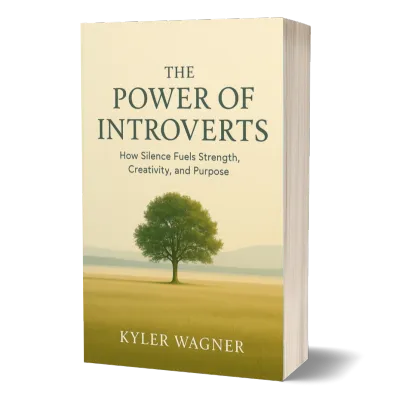
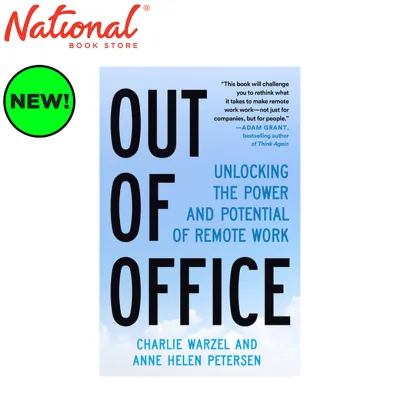

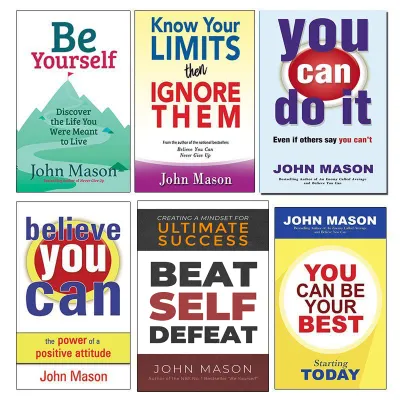
Prices are valid at publication and may change. Please refer to the product page for the latest price.
Self-improvement books target these two experiences in distinct ways. Books focusing on loneliness often address emotional pain, social anxiety, and the barriers that prevent you from forming deep connections with others. They offer comfort, validation, and strategies to bridge the gap between yourself and the world. On the other hand, books centered on solitude teach you how to cultivate a fulfilling inner life. They provide frameworks for self-reliance, creativity, and mindfulness, helping you transition from a state of longing for company to one of enjoying your own presence. Understanding which of these areas you need to address will guide you toward the most effective literature for your current journey.
How to Evaluate Self-Improvement Books for Your Needs
With thousands of self-improvement books available, finding the one that genuinely resonates with your situation requires a careful evaluation process. Not all books are created equal, and what works for one reader might feel superficial or impractical to another. To make an informed choice, start by examining the author’s credentials. Authors who are licensed therapists, clinical psychologists, neuroscientists, or dedicated researchers bring a wealth of professional expertise and clinical observation to their writing. Their insights are often grounded in years of helping individuals navigate complex emotional landscapes, making their advice highly reliable.

Next, look for evidence-based methodologies within the book’s description or introduction. Books that draw from established psychological frameworks—such as Cognitive Behavioral Therapy (CBT), Acceptance and Commitment Therapy (ACT), or mindfulness-based stress reduction—offer structured, proven techniques. These methodologies provide practical exercises that help you reframe negative thought patterns and build healthier habits. Conversely, books that rely solely on personal anecdotes or unverified self-help tropes may offer temporary inspiration but often lack the systematic tools needed for long-term emotional change.
The tone and structure of the book are equally important. Some readers prefer a clinical, highly structured approach that explains the science behind human behavior and offers clear, step-by-step instructions. Others find comfort in a more philosophical, reflective, or conversational tone that feels like a dialogue with a wise mentor. Additionally, consider whether you want a standard narrative book or an interactive workbook. Workbooks that feature guided journals, self-assessment quizzes, and written exercises are excellent for active learning, whereas narrative books are ideal for quiet reflection and conceptual understanding.
Finally, verify reader reviews and community feedback before committing to a purchase. Look for reviews that discuss the book’s practical application and long-term impact rather than just its initial emotional appeal. Pay attention to comments from readers who share similar struggles, as their experiences can give you a realistic preview of how the book might help you. Check online book communities, local reader forums, and independent review platforms to gauge whether the book’s advice is truly actionable or if it relies on repetitive, superficial platitudes.
Book Themes to Explore Based on Your Goals
When searching for self-improvement books to address loneliness and solitude, it helps to categorize your reading goals. Rather than searching aimlessly, you can target specific thematic approaches that align with your immediate emotional needs. By understanding these themes, you can identify books that offer the precise tools you require, whether you want to quiet an anxious mind, improve your social interactions, or build a more engaging solo lifestyle.
Reframing Mindsets and Finding Inner Peace
If you experience a sense of restlessness, anxiety, or emptiness when you are alone, your primary goal should be reframing your internal narrative. Books in this category focus on cognitive shifts, mindfulness, and dismantling the societal stigma associated with being single or alone. When browsing for these titles, look for keywords in the book descriptions such as mindfulness, cognitive reframing, emotional resilience, and inner peace.
These books help you understand that being alone does not equate to being lonely or unwanted. They guide you through the process of observing your thoughts without judgment, allowing you to sit with uncomfortable emotions without immediately trying to escape them. By learning to quiet your mind, you can reduce the social anxiety that often drives people into unfulfilling relationships simply to avoid being alone. This thematic approach is highly beneficial for those who need to build a stable, peaceful foundation within themselves before attempting to connect with others.
Building Social Confidence and Meaningful Connections
For those who feel lonely because they struggle to form deep, lasting relationships, the focus must shift toward social dynamics and emotional intelligence. Books in this category address the root causes of isolation by teaching you how to communicate authentically and build trust. When evaluating these books, look for themes centered on vulnerability, active listening, boundary setting, and empathy.
These resources explain how improving your social confidence can dramatically reduce feelings of isolation, even when you spend a significant amount of time alone. They teach you that meaningful connection is not about having a vast network of acquaintances, but about the depth and quality of your interactions. Many of these books include actionable exercises for real-world scenarios, helping you practice initiating conversations, expressing your needs clearly, and establishing healthy boundaries that protect your emotional well-being.
Cultivating Hobbies and Enjoying Your Own Company
If you want to transform empty, unstructured time into a source of personal fulfillment, look for books that provide practical frameworks for a vibrant solo lifestyle. This category is less about analyzing your emotions and more about taking constructive action. Focus on books that cover habit building, creative pursuits, solo travel, and self-discovery.
These books show you how to design a daily routine that prioritizes your personal growth and happiness. By engaging in structured activities, learning new skills, or pursuing creative projects, you turn solitude into a productive, exciting space. To get the most out of this theme, look for interactive workbooks, guided journals, or step-by-step manuals that prompt you to set personal goals, track your progress, and explore new interests independently.
What to Verify Before Purchasing or Borrowing
Before you invest your time and money in a new self-improvement book, there are several practical factors to verify to ensure a seamless reading experience. First, consider the format that best suits your lifestyle and learning preferences. Physical books offer a tactile experience that encourages slow, focused reading and allows you to easily highlight passages or write notes in the margins. However, in the tropical climate of the Philippines, physical books require careful storage to protect them from high humidity, which can cause pages to yellow or develop mold. If you choose physical copies, store them in well-ventilated areas away from direct sunlight and moisture.
E-books and audiobooks offer excellent alternatives, especially for readers on the go or those with limited storage space. E-books are highly convenient, allowing you to carry an entire library on a single device, adjust font sizes, and search for specific terms instantly. Audiobooks are perfect for busy schedules, enabling you to absorb personal development content during your daily commute, while doing household chores, or during a workout. Before purchasing an e-book or audiobook, verify its device compatibility and ensure that the digital platform is fully supported in your region.
It is also crucial to check for updated editions and content completeness. Self-improvement books, particularly those grounded in psychological research, are occasionally updated by authors to include new studies, revised exercises, or additional chapters. Ensure you are purchasing the most recent edition to get the most accurate and comprehensive information. If you are buying a workbook, verify that the digital or physical copy includes all the necessary templates, charts, or worksheets required to complete the practical exercises.
Finally, confirm the pricing and stock status through authorized channels. In the Philippines, prices for imported self-improvement books typically range from ₱400 to ₱1,200 depending on the format, publisher, and binding (paperback versus hardcover). To avoid counterfeit copies or incomplete prints, always purchase from established local bookstores, official publisher storefronts, or authorized online bookshops. If a book is out of stock locally, check if the store offers a reservation service or consider purchasing the digital version to start your reading journey without delay.
Frequently Asked Questions (FAQ)
Can reading self-help books replace professional therapy for severe loneliness?
No, self-help books are designed as supplementary tools for personal growth and self-reflection, and they cannot replace professional therapy or clinical treatment. While books can offer valuable insights, coping strategies, and cognitive exercises, they do not provide the personalized care, diagnostic assessment, or interactive support that a licensed mental health professional offers. If you experience chronic, overwhelming loneliness that interferes with your daily functioning, or if it is accompanied by persistent feelings of depression, severe social anxiety, or hopelessness, it is important to seek professional counseling. A licensed therapist can help you identify the underlying causes of your distress and develop a tailored plan for your emotional well-being.
Are audiobooks as effective as physical books for personal development?
The effectiveness of audiobooks compared to physical books depends largely on your learning style and the type of content you are consuming. Audiobooks are highly effective for narrative-driven, philosophical, or motivational self-improvement books, as the narrator’s tone can enhance engagement and make the concepts feel more relatable during passive listening times like commutes. However, for books that function as practical workbooks, require cognitive reframing exercises, or contain complex psychological frameworks, physical books or e-books are generally superior. These formats allow you to pause, reflect, highlight key passages, and write down your thoughts, which significantly improves active retention and helps you apply the lessons to your daily life.

Community discussion
Share your experience or ask a question. Comments are reviewed before publication.