
Navigating personal growth, relationship dynamics, and career pressures requires reliable guidance. While psychology books offer valuable frameworks for understanding anxiety, self-esteem, and family boundaries, finding the right material for your specific situation can be overwhelming. To make a meaningful choice, you must look beyond eye-catching covers and instead evaluate how a book’s underlying psychological framework aligns with your daily life, cultural realities, and personal goals.
Identifying Your Core Life Challenges
Before browsing online marketplaces or local bookstores, it is essential to pinpoint the exact personal, relational, or professional issues you want to address. Many readers search for general self-improvement books, only to find the advice too broad to apply to their specific circumstances. For instance, you might be dealing with family boundary navigation, which is a common challenge in close-knit, multi-generational households where individual desires often clash with collective expectations. Alternatively, you might be experiencing career transition anxiety, driven by the pressure to provide for your family while seeking personal fulfillment in a rapidly changing job market.
It is also crucial to distinguish between temporary situational stress and deeper, recurring psychological patterns. Situational stress, such as adjusting to a new daily commute or managing a temporary increase in workload, often requires practical time-management or immediate stress-reduction guides. On the other hand, recurring patterns—such as chronic people-pleasing, persistent self-doubt, or a tendency to avoid difficult conversations—require books rooted in deeper psychological theory. Recognizing this distinction prevents you from buying a quick-fix guide when what you actually need is a comprehensive workbook on cognitive patterns.
Products mentioned in this guide
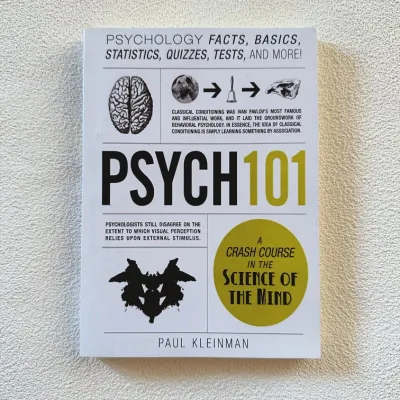


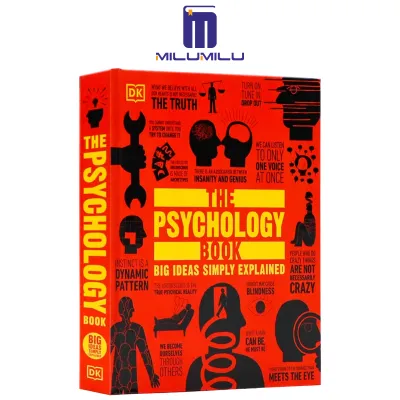
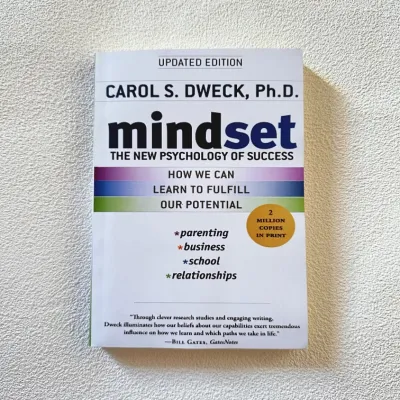
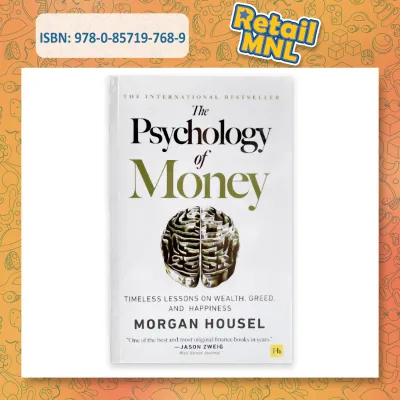
Prices are valid at publication and may change. Please refer to the product page for the latest price.
Once you understand the nature of your stress, you can set clear reading goals. Decide whether you need immediate coping strategies to manage daily anxiety or long-term self-reflection tools to explore your personal history. If your goal is immediate relief, look for books that feature practical exercises, worksheets, and step-by-step behavioral techniques. If you are seeking long-term growth, prioritize books that focus on self-discovery, emotional awareness, and understanding the root causes of your behavioral habits.
Matching Psychological Frameworks to Your Goals
Different psychology books rely on distinct therapeutic frameworks, and matching these frameworks to your specific goals is key to finding actionable advice. Cognitive Behavioral Therapy (CBT) is one of the most common frameworks found in self-help literature. CBT focuses on the relationship between thoughts, feelings, and behaviors, making it highly effective for practical anxiety management and thought restructuring. If you struggle with persistent negative self-talk or catastrophic thinking during stressful situations, a CBT-based workbook can teach you to identify cognitive distortions and replace them with balanced, realistic perspectives.

For those navigating major life transitions, career shifts, or existential questions, books based on Acceptance and Commitment Therapy (ACT) are often more suitable. Rather than trying to eliminate uncomfortable thoughts or feelings, ACT encourages readers to accept their internal experiences while committing to actions that align with their core personal values. This approach is particularly helpful when you face situations you cannot easily change, as it fosters psychological flexibility and helps you clarify what truly matters to you amidst external pressures.
If your primary challenges lie in interpersonal relationships, look for books that utilize Family Systems Theory or Attachment Theory. Family Systems books view individuals not in isolation, but as part of an interconnected family unit, which is highly relevant when trying to establish healthy boundaries with relatives. Attachment theory books, meanwhile, help you understand your emotional patterns in romantic and close personal relationships by identifying whether you lean toward secure, anxious, or avoidant attachment styles. Understanding these dynamics allows you to communicate your needs more clearly and build healthier, more resilient connections.
Evaluating Cultural Context and Book Editions
When selecting psychology books, it is vital to evaluate how well Western psychological concepts translate to your local cultural context. Many popular self-help titles are written from an individualistic perspective that prioritizes personal autonomy above all else. In a collectivistic culture where family interdependence, community harmony, and mutual support are deeply valued, advice that suggests cutting off family members or ignoring social obligations can feel impractical or alienating. Look for authors who acknowledge the importance of community and offer strategies for setting boundaries that respect your relationships while protecting your mental well-being.
In addition to cultural relevance, pay close attention to book editions and translation quality. If you are purchasing a translated edition, verify that the translation maintains the clinical accuracy of psychological terms rather than relying on literal, word-for-word translations that might distort the author’s intent. Check if the book is a revised or updated edition, as newer versions often include updated research, more inclusive examples, and refined exercises that make the concepts easier to apply.
Finally, compare physical copies, e-books, and audiobooks based on your daily routine and lifestyle. Physical books are excellent for active study, allowing you to highlight key passages and write directly in the margins, though you must store them carefully in dry, well-ventilated spaces to protect them from tropical humidity. E-books offer convenience and portability, making them ideal for reading during long commutes on public transit. Audiobooks are highly effective for auditory learners and can turn passive time, such as doing household chores or sitting in traffic, into productive opportunities for self-reflection.
Creating a Sustainable Reading and Reflection Plan
Acquiring the right psychology book is only the first step; integrating its insights into your daily life requires a structured and sustainable plan. Reading about psychology can sometimes feel overwhelming, especially when confronting difficult emotions or past experiences. To avoid mental fatigue, set a realistic reading pace, such as reading just five to ten pages a day, and schedule dedicated time for journaling. Writing down your thoughts and completing the in-book reflection exercises helps solidify your understanding and translates abstract concepts into concrete personal insights.
It is equally important to recognize the inherent limits of self-study. While psychology books are excellent educational resources that provide valuable coping tools, they are not a substitute for professional mental health care. If you find that reading brings up intense emotions, unresolved trauma, or persistent distress that you cannot manage on your own, view this as a sign to supplement your reading with professional counseling or therapy. A licensed local therapist can provide personalized guidance and support tailored specifically to your unique life circumstances.
Lastly, treat your personal growth as an ongoing journey. Periodically track your progress by reviewing your journal entries and observing changes in your daily reactions and relationships. As your life circumstances evolve, your psychological needs will change too. A book that was highly beneficial during a career transition may no longer serve you when you are focusing on relationship dynamics, so remain open to adjusting your reading selections and exploring new psychological frameworks over time.
Frequently Asked Questions (FAQ)
Can self-help psychology books replace professional therapy?
No, self-help psychology books cannot replace professional therapy. While books offer valuable educational frameworks, coping strategies, and self-reflection exercises, they cannot diagnose clinical conditions, provide personalized feedback, or safely guide you through complex trauma. If you are experiencing severe anxiety, persistent depression, or mental health struggles that interfere with your daily life, it is important to consult a licensed psychologist or counselor.
How do I know if a translated psychology book is accurate?
To evaluate the accuracy of a translated psychology book, check the translator’s credentials to see if they have a background in psychology, counseling, or professional translation. You can also read sample chapters or online previews to ensure that key psychological terms are translated contextually to preserve their clinical meaning, rather than literally, which can lead to confusion or a loss of practical utility.

Community discussion
Share your experience or ask a question. Comments are reviewed before publication.