
Finding a consistent rhythm for daily prayer can feel challenging when your schedule is packed with work, family responsibilities, and the daily hustle of commuting through busy streets. For many Catholics, dedicating an uninterrupted hour to silent contemplation is a luxury that is rarely feasible. This is where a moment-to-moment devotional book becomes an invaluable spiritual companion, offering brief, structured pauses that redirect your mind and heart toward God in the middle of a chaotic day. Rather than requiring you to withdraw from the world, these books invite you to find sacred spaces within your existing routine.
By providing short, focused reflections, a moment-to-moment book helps you cultivate a continuous awareness of the divine presence. Whether you are waiting in a long line, sitting through a humid afternoon commute, or taking a quick break at your desk, these micro-readings serve as gentle anchors. They allow you to transform ordinary, mundane moments into opportunities for grace, ensuring that your spiritual life remains active and vibrant even when time is short.
Selecting the right devotional requires understanding how these books are structured and how they differ from other spiritual texts. The ideal book should not only fit your physical lifestyle but also align deeply with Catholic theology and your personal prayer habits. By focusing on practical usability, theological soundness, and realistic integration, you can choose a devotional that truly elevates your daily walk with God.
Products mentioned in this guide
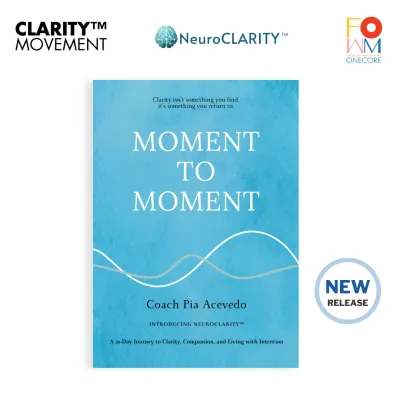

Prices are valid at publication and may change. Please refer to the product page for the latest price.
What Defines a Moment-to-Moment Catholic Devotional?
Unlike comprehensive theological volumes or academic commentaries that require deep study, a moment-to-moment Catholic devotional is designed for immediate, practical application. Its primary goal is to foster recollection—the spiritual practice of bringing one’s attention back to God throughout the day. These books offer bite-sized spiritual nourishment that can be digested in a minute or two, making them perfect for busy professionals, parents, and students who need quick spiritual refreshment.
Lengthy theological studies are essential for intellectual formation, but they demand quiet environments and sustained focus. In contrast, moment-to-moment devotionals prioritize brevity and emotional resonance. They often feature a single scriptural verse, a brief quote from a saint, a short reflection, and a closing prayer or action step. This structure allows you to grasp a profound spiritual truth quickly and carry it with you as a mental mantra during your daily tasks.
The role of these short readings is to break up the monotony and stress of daily life with reminders of God’s grace. In a busy tropical environment where heat, noise, and traffic can easily test your patience, a quick reading acts as a cooling balm for the soul. It shifts your perspective from immediate frustrations to eternal realities, helping you practice virtues like patience, charity, and humility in real-time.
These devotionals come in various formats to suit different preferences. Some are structured around the hours of the day, mimicking the rhythm of the Liturgy of the Hours with brief morning, midday, and evening prayers. Others offer daily micro-reflections tied to the liturgical calendar, guiding you through Advent, Lent, and Ordinary Time. There are also thematic companions that focus on specific devotions, such as Eucharistic adoration, Marian spirituality, or the wisdom of particular saints.
How to Evaluate and Choose Your Daily Reflection Book
When searching for a daily devotional, it is crucial to assess its theological depth and alignment with Catholic teachings. While secular mindfulness books focus on self-awareness and stress reduction, Catholic devotionals are fundamentally relational, aiming to deepen your relationship with the Triune God. Ensure the content emphasizes sacramental life, grace, the intercession of the saints, and the teachings of the Magisterium, rather than vague spiritual concepts or self-help philosophies.

Be realistic about your daily schedule when evaluating the length of each entry. If a book requires ten minutes of reading per page, it may end up sitting on your shelf unused during busy periods. Look for devotionals that offer complete, self-contained reflections that can be read in under three minutes. This ensures you can easily fit a reading into brief pauses, such as waiting for a transit ride or during a short break between household chores.
The credibility and spiritual authority of the author play a significant role in the quality of a devotional. Look for books written by recognized Catholic spiritual directors, canonized saints, or established religious orders with a rich history of spirituality, such as the Jesuits, Carmelites, or Dominicans. Classic writings from figures like St. Francis de Sales, St. Therese of Lisieux, or modern spiritual writers with clear ecclesiastical standing provide a reliable foundation for your daily prayer.
Devotionals are written in various tones, ranging from gentle and comforting to challenging and exhortational. Some are tailored specifically for men, women, youth, or working professionals, addressing the unique spiritual challenges faced by these groups. Consider what style of writing resonates most with your current spiritual needs—whether you require encouraging words to soothe anxiety or direct challenges to help you overcome spiritual lukewarmness.
Essential Verifications Before Buying a Spiritual Book
Before purchasing any Catholic devotional, verify the presence of official church approvals, specifically the Nihil Obstat and the Imprimatur. The Nihil Obstat (“nothing stands in the way”) is a declaration by a church censor that the book contains nothing contrary to faith and morals. The Imprimatur (“let it be printed”) is the official authorization by a bishop granting permission to publish. These marks are typically found on the copyright page and serve as a guarantee of doctrinal safety.
If you are choosing a classic devotional or a translation of a saint’s writings, pay close attention to the specific edition and translation quality. Some modern publishers offer abridged or heavily edited versions that may strip away essential Catholic elements or alter the author’s original intent. Look for reputable Catholic publishing houses known for high-quality, faithful translations that preserve the full spiritual richness of the original text.
For readers in tropical regions like the Philippines, physical book quality is a practical consideration that should not be overlooked. High humidity and heat can cause cheap paperbacks to warp, yellow, or develop mold over time, especially if carried daily in a bag. Consider investing in books with durable vinyl, leatherette, or hardcover bindings, or look for high-quality acid-free paper. Alternatively, keeping your book in a protective sleeve or a dry, air-conditioned space can prolong its lifespan.
If you prefer digital reading, check the compatibility of the e-book format with your preferred devices. Ensure the digital edition is well-formatted, with active tables of contents and clear typography that allows for easy navigation on a smartphone or e-reader. Some digital devotionals also include interactive features, such as daily reminders or built-in links to scripture readings, which can enhance your daily prayer routine if managed without distraction.
How to Integrate Short Reflections Into Your Daily Routine
The key to successfully using a moment-to-moment devotional is to anchor your reading to existing daily habits. Identify natural transition points throughout your day, such as your morning coffee, your daily commute on public transit, or the quiet moments right after lunch. By linking your reading to these established routines, you create a natural trigger for prayer, making it much easier to maintain consistency without feeling like you are adding a burdensome task to your schedule.
You can enrich your devotional reading by pairing it with traditional Catholic prayers. For example, you might read a short reflection right before praying the Angelus at noon, or use a brief passage to quiet your mind before starting the Divine Mercy Chaplet at three o’clock in the afternoon. This integration helps bridge the gap between structured vocal prayers and spontaneous mental prayer, creating a more cohesive and deeply rooted spiritual life.
If you choose to use a digital devotional on your smartphone, take active steps to minimize distractions. Turn off social media notifications, put your phone in “Do Not Disturb” or airplane mode during your prayer time, or use a dedicated e-ink reader that lacks internet browsing capabilities. Creating a digital boundary ensures that your brief moments of reflection remain focused on God rather than being interrupted by work emails or chat alerts.
It is common to occasionally miss a day or fall behind in a daily reading plan. When this happens, avoid falling into a rigid, checklist-oriented mindset that leads to guilt or discouragement. Catholic spirituality is built on grace, not perfection. If you miss a day, simply pick up where you left off with a peaceful heart, remembering that the ultimate goal of the devotional is to draw you closer to God, not to complete a perfect reading streak.
Frequently Asked Questions (FAQ)
Do moment-to-moment books replace the daily Mass or Rosary?
No, moment-to-moment devotional books are meant to supplement, not replace, the core liturgical and sacramental practices of the Catholic Church. The Holy Sacrifice of the Mass, the reception of the Eucharist, and traditional vocal prayers like the Rosary hold a primary place in Catholic spiritual life. Devotionals serve as excellent preparatory tools, helping to quiet your mind and dispose your heart to receive the graces of the sacraments more fruitfully.
You can use your daily reflection book to cultivate a prayerful disposition before Mass begins, or to provide a theme for meditation during the decades of the Rosary. By viewing these short readings as supportive aids rather than substitutes, you can build a balanced prayer routine where liturgical worship and personal devotion complement one another beautifully.
How can I verify if a devotional book is officially approved by the Catholic Church?
To verify official approval, open the book and look at the copyright or title page for the terms Nihil Obstat and Imprimatur. These declarations will usually be accompanied by the name of the ecclesiastical censor, the bishop who granted the approval, and the date of authorization. This formal process ensures that the book’s contents are free from doctrinal or moral errors.
If you are considering a book that lacks these explicit marks—which is common for older classic texts or books published by non-diocesan entities—you can consult your parish priest or check your local diocese’s list of recommended spiritual resources. Choosing books from established, reputable Catholic publishers is another reliable way to ensure the material aligns with church teachings.
Are digital formats suitable for moment-to-moment prayer throughout the day?
Digital formats offer incredible convenience, allowing you to carry an entire library of spiritual readings on your smartphone or e-reader wherever you go. This portability makes it easy to access a reflection during unexpected moments of downtime, such as waiting in a long queue or sitting in traffic. For many busy Catholics, having a devotional app or e-book readily available is the key to maintaining a consistent prayer habit throughout a hectic day.
However, digital devices also carry the risk of distraction from incoming messages, social media, and work notifications. To make digital reading spiritually fruitful, it is highly recommended to use offline modes, silence notifications, or use a dedicated e-ink reader. By intentionally managing your digital environment, you can enjoy the practical benefits of technology while preserving the quiet focus needed for genuine prayer.
Community discussion
Share your experience or ask a question. Comments are reviewed before publication.