
Starting your musical journey with a J-Craft acoustic guitar requires focusing on how the instrument feels in your hands rather than just how it looks on a display stand. For beginners in the Philippines, finding a guitar that balances playability, structural durability, and tone is the key to staying motivated during those challenging first weeks of learning chords. J-Craft has become a popular entry point for local players, offering a variety of body shapes and wood configurations designed to suit different physical statures and musical preferences. By understanding how to evaluate these instruments based on their physical specifications and build quality, you can select a model that minimizes finger pain and supports your progress for years to come.
Core Playability Traits for New Guitarists
When you are first learning to press down on steel strings, the physical design of the guitar neck plays a massive role in how quickly you progress. The neck profile, which refers to the shape of the back of the neck, determines how comfortably your hand can wrap around the fretboard. A slim C-shaped neck profile is generally highly recommended for beginners because it reduces the distance your thumb and fingers must stretch to form clean chords. This shape helps prevent hand cramping during extended practice sessions, allowing you to focus on clean transitions between open chords like G major and C major.
Nut width is another critical dimension that dictates string spacing near the headstock. Most standard acoustic guitars feature a nut width of approximately 43 millimeters, which provides a balanced spacing that prevents your fingers from accidentally crowding adjacent strings while still remaining narrow enough for smaller hands to manage. If the nut width is too wide, reaching across the fretboard becomes a strain; if it is too narrow, you may find your fingertips constantly muting neighboring strings.
Products mentioned in this guide
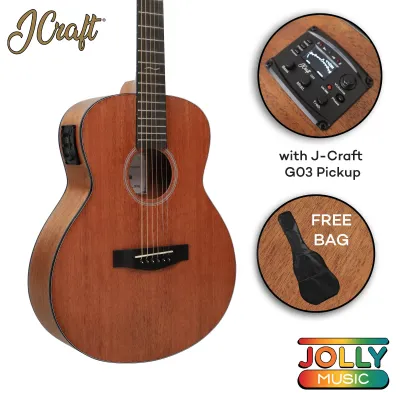
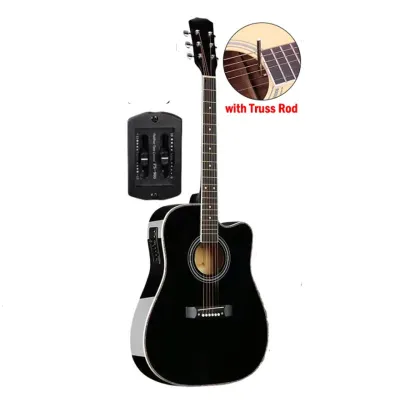
Prices are valid at publication and may change. Please refer to the product page for the latest price.
Action height, or the distance between the strings and the top of the frets, is perhaps the most influential factor in finger fatigue. If the action is set too high, you must exert significant physical force to press the strings down, which quickly leads to sore fingertips and discourages practice. Conversely, action that is set too low will cause the strings to vibrate against the frets, creating an unpleasant buzzing sound. A well-adjusted instrument strikes a balance, keeping the strings close enough to the fretboard to allow for easy fretting without sacrificing clear tone.
Scale length, which is the distance between the nut and the bridge saddle, also affects playability by determining the overall tension of the strings. A standard scale length of 25.5 inches provides a bright, punchy sound but requires slightly higher string tension to stay in tune. A shorter scale length reduces this tension, making the strings feel noticeably softer and easier to bend or press down. Understanding these physical traits allows you to look past the visual appeal of a guitar and focus on how its structure will support your physical learning process.
Which J-Craft Specifications Matter Most for Beginners?
Navigating the technical specifications of a J-Craft acoustic guitar can seem daunting, but focusing on a few key areas will help you identify a durable and reliable instrument. The choice of tonewoods is paramount, particularly when considering how the guitar will react to the tropical climate of the Philippines. Beginner guitars typically feature either laminated wood construction or a solid wood top paired with laminated back and sides. Laminated wood consists of multiple thin layers of wood glued together, making it exceptionally stable and highly resistant to the extreme humidity and temperature fluctuations common in tropical regions. While solid wood tops offer a richer, more resonant tone that matures and improves as the wood ages, they require diligent maintenance, such as keeping the guitar in a padded bag with silica gel packs to prevent warping or cracking.

Tuning machine quality is another specification that directly impacts your daily practice. Look for guitars equipped with sealed die-cast tuning pegs rather than open-gear tuners. Sealed tuners protect the internal gears from dust, sweat, and moisture, ensuring smooth operation and long-term durability. Additionally, pay attention to the gear ratio of the tuners; a higher ratio, such as 15:1 or 18:1, allows for much finer tuning adjustments, making it easier to get your guitar perfectly in tune and keep it there throughout your practice session.
The materials used for the bridge and saddle also play a vital role in the guitar’s overall performance. The saddle, which is the thin strip of material set into the bridge, acts as the primary contact point for the strings, transferring their vibrations directly into the guitar’s top. High-quality synthetic materials, such as PPS or engineered bone composites, offer superior density compared to cheap, soft plastics. This density ensures efficient energy transfer, resulting in better sustain, clearer note definition, and more accurate intonation across the entire fretboard.
To verify these specifications before making a purchase, always inspect the paper label located inside the soundhole of the J-Craft guitar. This label displays the specific model number, which you can cross-reference with official manufacturer documentation or authorized dealer catalogs. The model codes often contain letters that indicate the body style, wood type, and whether the guitar includes built-in electronics, allowing you to confirm exactly what materials and features you are paying for.
Matching J-Craft Body Shapes to Your Comfort and Style
Choosing the right body shape is essential for ensuring that your J-Craft guitar fits your physical size and playing posture. The Dreadnought is the most traditional and widely recognized acoustic guitar shape, characterized by its large, deep body and broad waist. This design excels at producing a loud, robust sound with deep bass response, making it a favorite for acoustic strumming and vocal accompaniment. However, the sheer physical size of a Dreadnought can feel overwhelming for younger players, individuals with smaller frames, or anyone who prefers practicing while seated on a low chair or couch.
For those seeking a more ergonomic experience, the Auditorium or Concert body shapes offer an excellent alternative. These designs feature a narrower waist and a shallower body depth, allowing the guitar to sit lower and more securely on your lap. This positioning brings the neck closer to your body, reducing the strain on your shoulder and fretting arm. While these smaller body shapes produce slightly less bass and volume than a Dreadnought, they offer a highly balanced midrange tone that is exceptionally clear, making them ideal for fingerstyle playing and comfortable for extended practice sessions.
You should also consider whether a cutaway design suits your long-term playing goals. A cutaway is a curved indentation in the upper body of the guitar, adjacent to where the neck meets the body. While beginners spend most of their time playing open chords on the first few frets, a cutaway provides easy physical access to the higher frets as your skills progress and you begin learning scales, solos, or complex chord voicings. If you plan to focus purely on traditional rhythm strumming, a non-cutaway body preserves the full internal volume of the soundbox, maximizing natural acoustic projection.
Finally, pay attention to the overall weight and body depth of the instrument during your selection process. A guitar that feels excessively heavy or thick can cause you to hunch your shoulders or strain your back, leading to poor posture habits that are difficult to break. Testing different shapes in a seated position will help you identify which body style allows your arms to drape naturally over the instrument, ensuring a relaxed and pain-free playing experience.
How to Inspect a J-Craft Guitar Before You Buy
Whether you are purchasing your J-Craft guitar from a local physical music store in the Philippines or receiving a delivery from an online marketplace, conducting a thorough physical inspection is crucial to ensure you receive a flawless instrument. Begin by checking the neck relief, which is the slight curvature of the neck designed to prevent string buzz. Hold the guitar up and sight down the edge of the fretboard from the headstock toward the body, looking for any obvious warping, twisting, or severe bowing. The neck should be almost entirely straight, with just a microscopic forward curve to allow the strings room to vibrate.
Next, perform a fret-by-fret playability test. Slowly play every single note on every string, starting from the first fret and moving all the way up the neck. Listen closely for any buzzing sounds, rattling, or “dead” notes where the sound cuts off abruptly. These issues often indicate uneven frets or an improperly cut nut, both of which require professional adjustment. Additionally, check the intonation by tuning the guitar precisely, then playing a natural harmonic at the twelfth fret and comparing its pitch to the fretted note at the same position; the two pitches should match perfectly.
Inspect the structural joints of the guitar, paying close attention to the bridge area. The bridge is under constant high tension from the steel strings, so look closely at the seam where the wooden bridge meets the guitar top. There should be absolutely no gaps, lifting, or visible glue squeeze-out, as a lifting bridge is a major structural defect that will eventually cause the top to warp or the bridge to detach completely. Examine the neck joint where it connects to the body, ensuring the seam is tight and free of finish cracks or movement.
Finally, verify all included accessories and understand the local warranty terms. Authorized J-Craft dealers in the Philippines typically bundle their guitars with essential items such as a padded gig bag, a truss rod adjustment wrench, and sometimes a strap or picks. Ensure all these items are present in the package. Ask the retailer for an official receipt and a clearly stamped warranty card, which typically covers manufacturing defects for a specified period. While beginner guitars in this category typically range from ₱4,000 to ₱8,000, verifying the build quality and securing a warranty ensures you get the best value for your investment. If you notice any major red flags during your inspection—such as a lifting bridge, a severely warped neck, or deep structural cracks—do not hesitate to request a replacement or seek a professional setup before finalizing your purchase.
Frequently Asked Questions (FAQ)
Do I need to change the factory strings on a new J-Craft guitar?
Yes, it is highly recommended to change the factory strings shortly after purchasing your new guitar. Factory strings often spend months in transit and storage, exposing them to humidity and air that can cause micro-corrosion, stiffness, and a dull tone. Replacing them with a fresh set of light-gauge steel strings, such as .011 or .010 gauge, will significantly improve playability. Light-gauge strings require less finger pressure to press down, which greatly reduces finger pain and makes learning much more comfortable for beginners during their first few weeks of practice.
How do I know if my J-Craft guitar needs a professional setup?
Your guitar likely needs a professional setup if you experience persistent fret buzz despite pressing down firmly, or if the strings feel excessively high and painful to press, especially near the first few frets. Another clear sign is poor intonation, where chords sound out of tune even after you have carefully tuned each open string. While minor truss rod adjustments can sometimes be done at home, tasks like filing nut slots, leveling uneven frets, or sanding down a bridge saddle require specialized tools and expertise. Taking your guitar to a qualified local technician for a setup will instantly optimize its playability.
Can I use a beginner J-Craft acoustic guitar for live gigs?
You can certainly use a beginner J-Craft acoustic guitar for live performances, but your setup will depend on the specific model you choose. If your guitar is a purely acoustic model, you will need to perform in front of an external instrument microphone to project your sound to the audience. For greater convenience in live venues, look for a J-Craft model equipped with a built-in pickup and preamp system. This allows you to plug a standard instrument cable directly into an amplifier or a venue’s soundboard, giving you easy control over your volume and tone during a gig.
Community discussion
Share your experience or ask a question. Comments are reviewed before publication.