
Choosing the right drumset for your child involves balancing physical ergonomics, household space, noise tolerance, and musical goals. While many parents assume chronological age is the primary deciding factor, physical height, limb length, and motor coordination are far more reliable indicators. Introducing a child to a drumset that is too large can lead to poor posture, physical strain, and early frustration, whereas starting with the correct size and type fosters natural technique and long-term interest.
To find the ideal instrument, you must first evaluate how your child’s physical proportions match different drum configurations. From there, you can compare the practical trade-offs of junior, electronic, and acoustic drumsets, taking into account the unique constraints of your home environment.
Assessing Your Child's Readiness and Physical Fit
Before investing in a drumset, observing how your child interacts with music can reveal their readiness for the instrument. Look for signs of natural rhythm, such as sustained tapping in time with a song, the ability to replicate simple rhythmic patterns, and basic hand-foot coordination. A child who can maintain focus on a single task for 15 to 20 minutes is generally ready to begin structured practice. If they constantly seek out rhythmic patterns in daily life—tapping on tables, pots, or their own knees—it is a strong indicator of interest.
Products mentioned in this guide
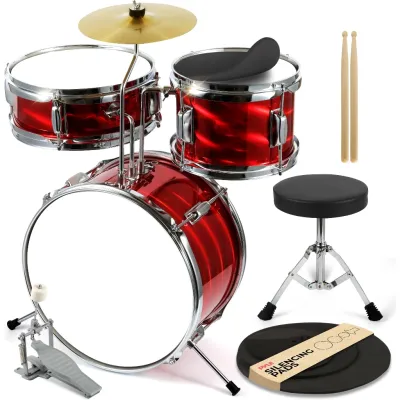
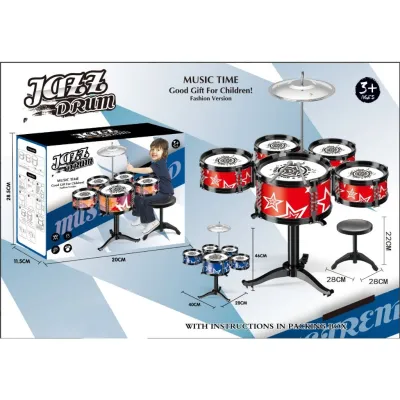
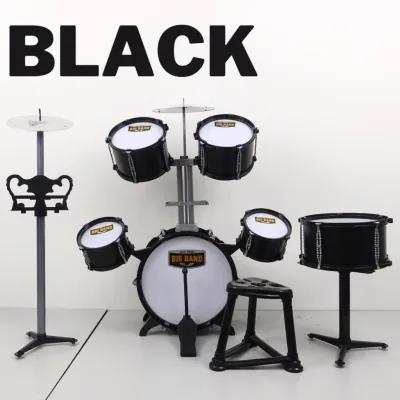
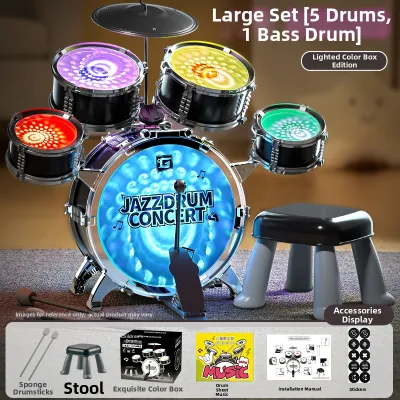
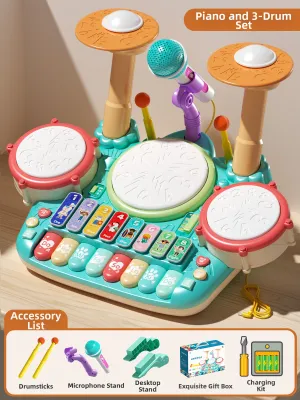
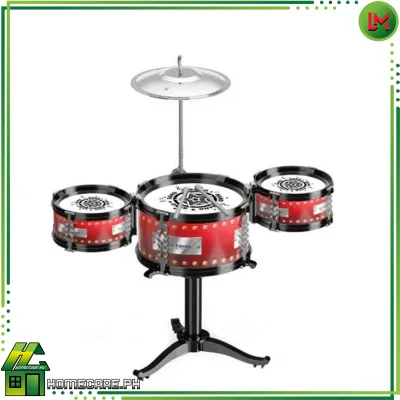

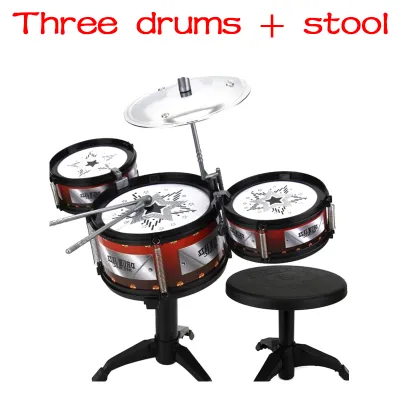
Prices are valid at publication and may change. Please refer to the product page for the latest price.
Physical proportions are far more critical than age when determining if a child is ready for a drumset. To check fit, have your child sit on a chair or stool and measure their seated height, leg reach, and arm reach. Their feet must be able to rest flat on the floor while their thighs are parallel to the ground or angled slightly downward at approximately 90 to 100 degrees. This posture is essential for operating the bass drum and hi-hat pedals safely and comfortably without slipping forward on the seat.
Arm reach is equally vital for preventing physical strain. While seated with a straight back, your child should be able to comfortably strike the center of the snare drum and reach the mounted toms and cymbals without leaning their torso excessively forward. If they have to hyperextend their shoulders or stretch their back to hit a cymbal, the drumset is too large. Chronological age can be misleading because children experience growth spurts at different times; a tall six-year-old may comfortably fit a compact starter kit, while a petite eight-year-old might still require a specialized junior set.
Comparing Drumset Types: Acoustic, Electronic, and Junior Sets
Junior and Toy Drumsets (Typically Ages 3–6)
Junior drumsets are scaled-down versions of traditional instruments designed specifically for toddlers and very young children. These kits focus on early motor skill development, introducing basic rhythm concepts, and providing high play value. They allow young children to explore the physical sensation of striking a drum and coordinating their limbs without being overwhelmed by a massive setup.

However, junior and toy sets have significant limitations that make them unsuitable for serious long-term study. Many toy sets are constructed from lightweight plastic and lack real drumheads, resulting in poor sound quality and zero tuning capability. Even high-quality wooden junior sets often feature basic, lightweight hardware that cannot withstand aggressive play or support precise ergonomic adjustments.
You will know your child has outgrown a junior set when their knees begin to crowd the snare drum, or when their physical strength causes the lightweight stands to tip over during play. Another clear indicator is when they express frustration with the limited tonal range and want to learn authentic drum rudiments that require proper stick rebound and pedal resistance.
Electronic Drumsets (Typically Ages 6 and Up)
Electronic drumsets offer an exceptionally practical solution for modern households, particularly those in shared living spaces, townhouses, or apartments. The most significant advantage of an electronic kit is volume control; by plugging in a pair of headphones, your child can practice at any hour of the day or night without disturbing family members or neighbors. Additionally, electronic drum modules come equipped with built-in practice tools, such as metronomes, coaching programs, and play-along tracks, which keep young learners engaged.
Space efficiency is another major benefit of electronic kits. Most models feature compact, highly adjustable frames that can be folded and tucked into a corner or closet when not in use. This makes them ideal for smaller bedrooms where a permanent acoustic setup is not feasible.
Despite these benefits, electronic drums have physical limitations regarding stick rebound and pedal feel. Standard rubber pads or entry-level mesh heads do not perfectly mimic the natural give and vibration of a real acoustic drumhead. Furthermore, budget electronic kits often use simple switch-style pedals rather than physical beaters striking a pad, which can make it difficult for a child to develop realistic bass drum technique. Learning to control acoustic dynamics—such as the subtle difference between a soft ghost note and a loud accent—can also be challenging when practicing solely on an electronic module.
Acoustic Drumsets (Typically Ages 8+ or Serious Beginners)
An acoustic drumset remains the gold standard for developing authentic drumming technique, dynamic expression, and tone control. Playing an acoustic kit teaches a child how to pull sound out of the instrument, utilizing the natural resonance of the wood shells and the physical vibration of the drumheads. This organic feedback is crucial for students who are taking formal music lessons, as standard drum examinations and school band recitals are almost exclusively conducted on acoustic instruments.
However, bringing an acoustic kit into your home requires careful preparation. These instruments are inherently loud, often reaching sound levels that can cause hearing damage over time if proper ear protection is not worn. You will need to dedicate a specific room to the drumset and consider sound-dampening solutions, such as heavy rugs, acoustic foam panels, wall hangings, or specialized drum muffling rings and gel pads.
Environmental factors must also be taken into account, particularly in tropical climates like the Philippines. High humidity can cause unsealed wooden drum shells—especially those made of softer woods like poplar or basswood—to absorb moisture, leading to warping and tuning instability. If you choose an acoustic kit, it is wise to verify that the inner shells are properly sealed and that the hardware is chrome-plated to resist rust in humid conditions.
Matching Drumset Sizes and Configurations to Height and Skill
When selecting an acoustic or electronic kit, the physical dimensions of the drum shells dictate how easily your child can maintain proper playing posture. Standard adult drumsets typically feature a 22-inch bass drum, which forces the mounted rack toms to sit high in the air. For a child, this setup is highly inefficient; they must reach upward to hit the toms, which leads to shoulder fatigue, neck strain, and poor stick angles. Opting for a kit with a smaller 16-inch or 18-inch bass drum allows the rack toms to be positioned much lower and flatter, keeping the entire playing surface within the child’s natural reach.
Configuration is another important factor in preventing a beginner from feeling overwhelmed. While a standard five-piece kit (comprising a bass drum, snare drum, two rack toms, and a floor tom) is common, starting with a simpler three-piece or four-piece configuration is highly beneficial. A basic setup of a snare, bass drum, and hi-hat allows the child to focus entirely on the foundational relationship between their hands and feet. Once they master basic coordination and simple beats, you can easily integrate additional toms and cymbals into the setup.
Hardware adjustability should never be overlooked when shopping for a child’s drumset. Ensure the kit features double-braced stands for maximum stability, as lightweight single-braced stands can wobble or collapse under enthusiastic playing. Most importantly, invest in a high-quality, height-adjustable drum throne with a secure locking mechanism. A stable throne ensures your child’s center of gravity remains balanced, allowing them to move their limbs freely without straining their lower back.
Space, Noise, and Budget Considerations for Your Home
Before finalizing your purchase, you must evaluate the practical constraints of your living environment. Noise management is often the deciding factor for families living in close proximity to others. If you reside in a condominium, apartment, or a dense residential subdivision, an electronic drumset is almost always the most sensible choice. Even with an electronic kit, the physical thumping of the bass drum pedal can transmit vibrations through the floor; placing a thick drum rug or a specialized noise-eating platform beneath the kit can help isolate this impact noise.
Measuring your available floor space is essential before bringing any drumset home. A typical junior drumset requires a footprint of about 100 cm by 100 cm. A full-sized electronic kit or a compact acoustic kit will need approximately 120 cm by 120 cm of dedicated floor space, plus an additional 30 cm of clearance on all sides to allow the child room to swing their sticks and move their elbows comfortably.
Budgeting for a drumset involves balancing upfront costs with long-term durability. Drumsets generally fall into distinct price bands:
- Entry-Level Junior Sets (Typically under ₱10,000): Suitable for toddlers and very young beginners to test their initial interest.
- Mid-Range Electronic or Compact Acoustic Kits (₱10,000 to ₱25,000): Ideal for older children and dedicated beginners, offering reliable hardware and adjustable frames.
- Premium Starter Kits (Over ₱25,000): High-quality electronic kits with full mesh heads or brand-name acoustic kits that can easily transition into intermediate and advanced playing stages.
Avoid buying ultra-cheap, unbranded kits with proprietary, fragile plastic hardware. These kits break easily under normal use, and finding replacement parts with matching thread sizes can be nearly impossible in local music stores, ultimately costing you more money in repairs or replacements.
Next Steps: Renting, Lessons, or Buying
If you are still unsure of your child’s long-term commitment, you do not have to purchase a full drumset immediately. A practical and low-cost way to test their interest is to buy a simple silicone practice pad and a pair of lightweight wooden drumsticks, such as size 7A. This minimal investment, usually costing between ₱500 and ₱1,500, allows your child to learn basic grip, hand coordination, and simple rudiments at home before you commit to a larger instrument.
Another excellent option is to enroll your child in a local music school or seek out a private instructor for a trial period of one to two months. Many music schools provide the instruments for lessons, giving your child hands-on experience with high-quality acoustic and electronic kits. This trial period allows you to observe their dedication and consult with a professional instructor about which drumset size and type would best suit their physical development.
Once your child demonstrates a consistent desire to practice and play, you can confidently invest in a highly adjustable, beginner-friendly kit. Prioritize brands that offer modular upgrades, ensuring that as your child grows, the drumset can grow right along with them.
Frequently Asked Questions (FAQ)
Can a child use an adult drumset?
Using an adult-sized drumset is highly discouraged for children because of the severe ergonomic risks involved. When a child attempts to play an oversized kit, they must constantly hyperextend their joints, stretch their legs to reach the pedals, and strain their lower back to strike the cymbals. This poor posture not only leads to rapid physical fatigue and potential joint strain but also causes the child to develop bad playing habits—such as standing up to press the bass drum pedal—that are incredibly difficult to correct later on. While some parents attempt to modify adult kits by using wooden blocks on the pedals or raising the drum throne to extreme heights, these temporary fixes are often unstable and unsafe. It is far better to invest in a properly scaled junior kit or a highly adjustable electronic drumset that can be configured to match their current physical proportions.
Do electronic drums feel the same as acoustic drums?
Electronic drums do not feel exactly the same as acoustic drums, though modern technology has closed the gap significantly. On an acoustic drum, striking the mylar or plastic head produces a natural give and vibration that transfers back up the drumstick, allowing for nuanced control over rebound and dynamics. In contrast, basic electronic kits with rubber pads offer a very stiff, bouncy rebound that can fatigue a young drummer’s wrists over long practice sessions. Upgrading to electronic kits with mesh heads provides a much closer approximation of acoustic rebound, though mesh still tends to feel slightly springier than a traditional drumhead. Additionally, transitioning from the wide physical layout of an acoustic kit to the compact, tightly grouped pads of an electronic kit requires some adjustment in spatial awareness. Understanding these differences helps parents manage expectations when a child transitions between practicing quietly on an electronic kit at home and performing on an acoustic kit during music lessons.
Community discussion
Share your experience or ask a question. Comments are reviewed before publication.