
Choosing the right Catholic Bible for a teenager involves balancing readable language, engaging features, and durable physical construction. In the Philippines, where young people actively participate in parish youth ministries, school campus ministries, and personal reflection, a Bible serves as both an academic tool and a spiritual companion. To find the best edition, you must look beyond attractive covers and verify the translation, the presence of official church approval, and the specific study aids that match a teen’s daily routine.
The process of selecting a Bible can feel overwhelming due to the sheer variety of options available in bookstores and online marketplaces. A teenager’s relationship with scripture often depends on how accessible the text feels to them. If the language is too archaic, they may struggle to comprehend the message; if the physical format is too bulky, they may hesitate to carry it to youth fellowship events. By focusing on key criteria such as translation style, formatting, physical durability, and local availability, parents, godparents, and educators can gift a Bible that truly resonates with a young person’s spiritual journey.
Understanding Catholic Bible Translations for Young Readers
The translation of a Bible determines how easily a teenager can comprehend and engage with the text. Catholic Bibles use translations that have been carefully reviewed by biblical scholars and ecclesiastical authorities to ensure theological accuracy. When selecting an edition for a young reader, it is helpful to understand where different translations fall on the spectrum between word-for-word accuracy (formal equivalence) and thought-for-thought readability (dynamic equivalence).
Products mentioned in this guide
![ESV [English Standard Version] Youth Edition Bible - Old and New Testaments: WAVE](https://img.lazcdn.com/g/p/f943a835491e0d12afea0a58c959b5a7.png_400x400q80.png_.webp)
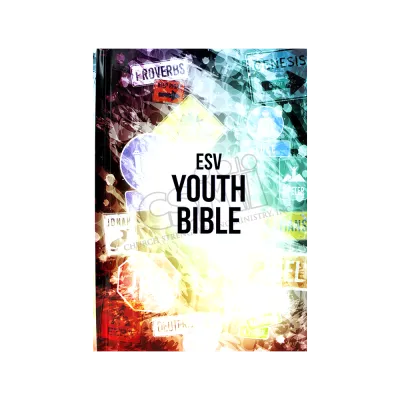
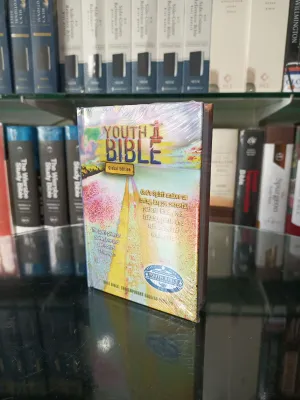
Prices are valid at publication and may change. Please refer to the product page for the latest price.
The New American Bible Revised Edition (NABRE) is one of the most common translations encountered by Filipino teenagers, as it is widely used in liturgical readings and school curricula. It offers a balanced approach, aiming for literal accuracy while remaining accessible for classroom study. The footnotes in the NABRE are highly academic, providing historical and cultural context that can help teens who are writing essays or preparing for theology exams. Because it is the standard translation for the Catholic liturgy in many English-speaking regions, including the Philippines, familiarity with the NABRE helps teens connect what they read at home with what they hear during Sunday Mass.
For a more traditional and literary reading experience, the Revised Standard Version Catholic Edition (RSV-CE) is highly regarded for its formal equivalence. It preserves much of the majestic, classic phrasing of older English translations while updating archaic vocabulary. This translation is excellent for teenagers who enjoy deep, contemplative reading or who are participating in formal apologetics, structured youth study groups, or lectio divina. Its precise language makes it a favorite among educators who emphasize close textual analysis and theological precision.
The New Revised Standard Version Catholic Edition (NRSV-CE) offers a highly readable, modern alternative that balances formal equivalence with contemporary English phrasing. It is widely praised for its smooth flow and gender-inclusive language where the original text permits, making it highly accessible for personal devotions and group discussions among high school and college students. The NRSV-CE is often favored by youth ministries because it speaks in a language that feels natural to modern teenagers without sacrificing the depth of the original biblical languages.
Regardless of the translation, an authentic Catholic Bible must contain the seventy-three books of the Catholic biblical canon, which includes the seven Deuterocanonical books: Tobit, Judith, Wisdom, Sirach, Baruch, and First and Second Maccabees, along with additions to Esther and Daniel. To ensure the edition is approved for Catholic use, buyers should look for the imprimatur (official permission to print) and the nihil obstat (declaration that the book is free of doctrinal error) on the copyright page. Always check the spine, cover, or copyright page to verify the exact translation and ecclesiastical approval before making a purchase. This verification step is crucial, as many general Christian Bibles look similar on the outside but lack these essential books and approvals.
Types of Bibles Designed for Teenagers
Teenagers engage with scripture in diverse ways, meaning the physical format and layout of a Bible can significantly influence how often they open it. Publishers design specific editions to cater to different learning styles, spiritual habits, and daily routines. Understanding these categories helps you select a Bible that aligns with a teen’s personal approach to faith.

Study Bibles are designed for academic depth and thorough comprehension. These editions feature extensive footnotes, cross-references, historical introductions to each book, and detailed maps of biblical lands. For a teenager preparing for confirmation, participating in campus ministry, or taking rigorous Christian Living Education (CLE) classes in school, a study Bible provides the necessary tools to unpack complex theological concepts and historical contexts. These Bibles often include essays on difficult topics, timelines of biblical history, and character profiles that bring historical figures to life, making them indispensable for serious study.
Journaling and creative Bibles cater to visual learners and those who process their thoughts through writing or art. These editions feature wide, lined margins, thicker paper to prevent ink bleed-through, and sometimes pre-drawn illustrations waiting to be colored. This format encourages teenagers to write down their prayers, sketch reflections, and highlight verses directly on the page, transforming scripture reading into an interactive, highly personal dialogue. By allowing creative expression, journaling Bibles help reduce the intimidation factor of reading scripture, making it a relaxing and meditative practice.
Devotional and thematic Bibles focus on practical application and building a consistent daily reading habit. They often include youth-oriented reflections, real-life scenarios, topical indexes for quick guidance during difficult times, and structured reading plans. These Bibles are ideal for teenagers who want to understand how ancient scriptures apply to modern challenges, such as peer pressure, academic stress, family dynamics, and mental well-being. The devotional inserts act as a bridge, helping young readers see the immediate relevance of God’s word to their daily lives in a fast-paced world.
When choosing among these types, consider the teen’s primary activities. A student who is highly active in parish youth leadership might benefit most from a study Bible that helps them prepare reflections for their peers. Conversely, a teen who enjoys quiet reflection and artistic hobbies might find a journaling Bible far more engaging. Matching the Bible’s format to the teenager’s natural inclinations ensures that reading scripture becomes a welcomed habit rather than an administrative chore.
Key Features to Check Before Buying
Before finalizing a purchase, it is essential to evaluate the physical and structural qualities of the Bible. A Bible that is difficult to read or too fragile to carry in a school backpack will likely remain on a shelf. Assessing several key design elements ensures the chosen edition is practical for daily use.
Typography and page layout directly impact reading comfort. Many Bibles use small fonts and thin paper to keep the book compact, which can strain young eyes during extended reading sessions. Look for editions with clear, readable typefaces, adequate line spacing, and a clean paragraph layout. Some readers prefer “red-letter” editions, which print the direct words of Jesus Christ in red ink, though this is a matter of personal preference and does not affect the translation’s accuracy. Additionally, check if the paper is sufficiently opaque, as highly transparent pages can cause “ghosting,” where the text from the reverse side shines through and distracts the reader.
The binding and cover material determine the Bible’s durability and portability. Hardcover editions are sturdy and excellent for keeping on a desk or nightstand, but they can be heavy to carry to school or parish meetings. Genuine leather or high-quality synthetic leather (often called imitation leather or TruTone) covers offer flexibility, durability, and a premium feel, though they require protection from extreme humidity. Flexible paperback covers are lightweight and budget-friendly but tend to wear out quickly along the edges when carried daily in a crowded bag. For active teenagers, a durable synthetic leather cover with a zipper closure is often an excellent choice, as it protects the pages from dust, spills, and crumpled edges inside a backpack.
Supplementary materials add significant value to a teen’s reading experience. Check if the Bible includes full-color maps to help visualize biblical journeys, a basic concordance for locating specific verses, and a topical index that links scriptures to common emotional or spiritual needs. A built-in reading plan is also highly beneficial, offering a structured path for teenagers who might otherwise feel overwhelmed by the sheer volume of the biblical text. Other helpful features include ribbon markers for keeping track of daily readings and thumb-indexing tabs along the page edges, which help young readers navigate to specific books quickly during class or church services.
Purchasing and Verifying Catholic Bibles in the Philippines
Acquiring an authentic Catholic Bible in the Philippines requires careful selection of retail channels, especially with the abundance of editions available online and in physical stores. To ensure you are purchasing a complete Catholic edition with all seventy-three books and proper ecclesiastical approval, it is best to rely on established sources.
Physical Catholic bookstores, diocesan offices, and parish-run shops are the most reliable places to purchase Bibles. These establishments curate their inventory specifically for Catholic readers, making it much easier to find approved translations like the NABRE or RSV-CE. For online shopping, look for the official digital storefronts of recognized Catholic publishers and reputable local bookstores on major ecommerce platforms, ensuring you read seller reviews and product descriptions carefully. Purchasing from trusted Catholic organizations also ensures that your money supports local ministries and religious communities.
When browsing online marketplaces, always verify the publisher and the exact table of contents. Some Bibles marketed generally as “Christian” or “youth” Bibles may follow the Protestant canon, which omits the seven Deuterocanonical books. Check the product images or ask the seller for a photo of the copyright page to confirm the presence of the imprimatur and nihil obstat. Be cautious of listings with vague descriptions or those that do not explicitly state the translation used, as these can sometimes be unauthorized reprints or non-Catholic editions.
Prices for teen Bibles in the Philippines can vary widely depending on the binding, translation, and imported status. Basic paperback or softcover editions typically range from ₱300 to ₱800, while specialized study, journaling, or premium synthetic leather Bibles can range from ₱1,200 to over ₱3,000. When ordering online, factor in shipping costs and delivery times, particularly if you live in provincial areas outside Metro Manila. It is often worth investing slightly more in a durable, high-quality edition that will last throughout the teen’s high school and college years.
Given the tropical climate and high humidity in the Philippines, paper and binding can easily suffer damage during transit or storage. Immediately upon receiving the Bible, inspect the physical condition of the cover and spine. Flip through the pages to check for printing errors, missing sections, or pages stuck together due to humidity. Ensuring the binding is tight and the pages are complete right away allows you to request a replacement or refund within the seller’s return window. To protect the Bible long-term from the local climate, consider storing it in a cool, dry place and using a protective plastic cover or a zippered Bible case.
Frequently Asked Questions (FAQ)
Do Catholic Bibles have more books than other Christian Bibles?
Yes, Catholic Bibles contain seventy-three books, which is seven more than the sixty-six books found in standard Protestant Bibles. These seven additional books—Tobit, Judith, Wisdom, Sirach, Baruch, and First and Second Maccabees, along with portions of Esther and Daniel—are known as the Deuterocanonical books. The Catholic Church recognizes these books as inspired scripture, and they have been part of the Catholic biblical canon since the early centuries of the Church. When buying a Bible for a Catholic teenager, it is essential to ensure these books are included so they can fully participate in parish liturgies and school religious education.
Is a specific translation required for Catholic school or parish use?
It depends on the specific school, parish, or diocese. In many Philippine Catholic schools and parishes, the New American Bible Revised Edition (NABRE) is the preferred or required translation because it aligns closely with the readings used during the Holy Sacrifice of the Mass. However, some international schools or specific youth organizations may recommend the NRSV-CE or RSV-CE for study purposes. Before purchasing a Bible specifically for schoolwork or a youth ministry program, it is highly recommended to consult the teacher, catechist, or youth leader to see if they require a particular translation.
Community discussion
Share your experience or ask a question. Comments are reviewed before publication.