
Preparing children for First Holy Communion and Confirmation is a sacred journey that shapes their spiritual lives for years to come. In the Philippines, where parish life and community celebrations are deeply woven into family traditions, selecting the right catechism book is a vital step in this preparation. The ideal book must not only present the truths of the Catholic faith with absolute doctrinal accuracy but also engage a child’s mind and heart at their specific stage of development. Because sacramental preparation involves both home study and formal parish instruction, finding a book that aligns with local church guidelines ensures a seamless learning experience. By focusing on ecclesiastical approval, age-appropriate formatting, and the specific theological focus of each sacrament, parents and catechists can choose materials that foster a genuine, lifelong relationship with God.
Checking Parish and Diocesan Requirements First
Before purchasing any catechism book or sacramental preparation workbook, your very first step must always be to consult your local parish. Catholic dioceses and individual parishes in the Philippines often follow specific catechetical directories or approved curricula designed to ensure uniform instruction across the community. The parish priest, the head catechist, or the sacramental preparation coordinator can provide an official list of required or highly recommended titles. In many cases, parishes purchase these workbooks in bulk to distribute to students, but if you are homeschooling or seeking supplementary reading, verifying their approved list prevents you from buying materials that do not align with their classroom lessons.
It is also important to understand that dioceses sometimes mandate locally adapted sacramental preparation books. These materials are specifically written to reflect the pastoral realities, cultural context, and language preferences of the local community. For instance, a diocese might require a version that integrates local devotions or uses a specific translation of prayers that children will recite during the communal celebration of the sacraments. Using a book that differs from what the parish uses can confuse a child, especially when they are trying to memorize prayers or follow the structure of the liturgy alongside their peers.
Products mentioned in this guide
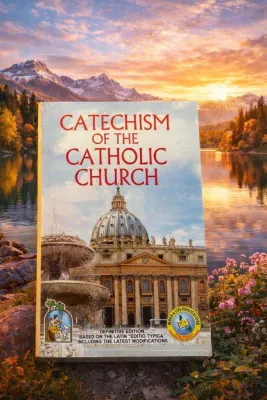
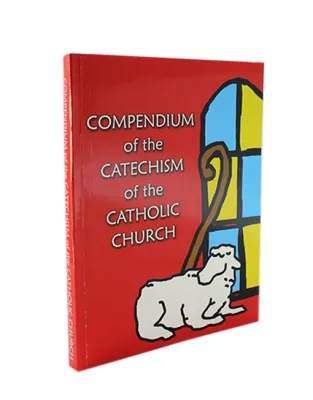
Prices are valid at publication and may change. Please refer to the product page for the latest price.
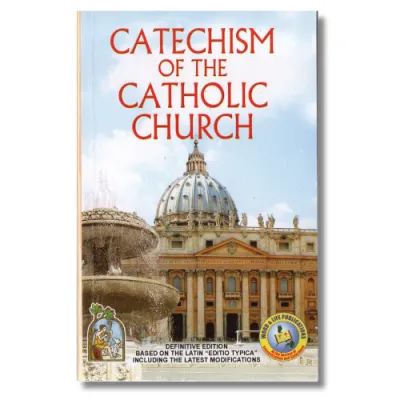
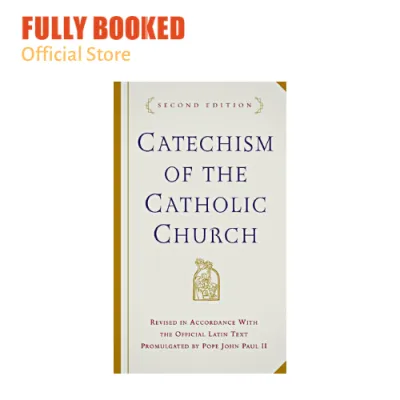
Furthermore, you should distinguish between universal catechisms and parish-specific preparation workbooks. A universal text, such as the Catechism of the Catholic Church or its Compendium, serves as an excellent reference guide for parents and older youth but is rarely used as the primary classroom workbook for young children. Sacramental preparation books are typically designed as short-term, highly focused workbooks that guide a child step-by-step through the specific meaning of the sacrament they are about to receive. Confirming which type of book your parish expects for home study and classroom sessions will save time and ensure your child is learning the exact material required for their sacramental evaluation.
Evaluating the Quality and Format of Catechism Books
Once you have identified the general guidelines of your parish, you can begin evaluating the educational quality and physical format of the available catechism books. The primary consideration must always be theological accuracy, which is guaranteed when a book aligns closely with the Catechism of the Catholic Church. The language used should match your child’s reading comprehension level; a book that is too dense or academic will quickly discourage a young reader, while one that is overly simplistic might fail to convey the profound mystery of the sacraments. Look for clear explanations of core doctrines, such as the Trinity, the Incarnation, and the nature of grace, written in a way that relates to a child’s daily experiences.

Visual appeal and interactive elements play a massive role in how well a child retains religious instruction. High-quality catechism books for children feature colorful, reverent illustrations that help visualize biblical events and liturgical actions. Interactive features—such as fill-in-the-blank exercises, short reflection questions, guided journaling spaces, and simple family activities—transform reading from a passive chore into an active exploration of faith. These elements encourage children to discuss what they have learned with their parents, reinforcing the role of the family as the primary place of faith formation.
Additionally, check if the book is part of a comprehensive program that includes supplementary materials. Many excellent catechetical series offer companion parent guides or teacher manuals. These resources are incredibly valuable for parents who may feel unprepared to explain complex theological concepts on their own. A parent guide provides talking points, answers to common questions, and suggestions for family prayers that complement each lesson. Some modern editions also provide access to approved digital resources, such as short video lessons or audio recordings of traditional Catholic prayers, which can be highly engaging for tech-savvy children.
Choosing Materials for First Communion Preparation
First Holy Communion preparation typically occurs around the age of seven to nine, a developmental stage where children learn best through concrete examples, storytelling, and clear, simple explanations. When choosing a catechism book for this milestone, prioritize materials that focus heavily on the Sacrament of the Eucharist and the Sacrament of Reconciliation. The book should explain the structure of the Holy Sacrifice of the Mass in a step-by-step manner, helping the child understand what is happening on the altar and how they are expected to participate. It must also gently introduce the concept of sin, confession, and God’s infinite mercy, preparing them to make their first confession with peace and confidence.
You will generally find two main pedagogical approaches in First Communion books: narrative-driven storytelling and structured, curriculum-based lessons. Narrative-driven books use stories from Scripture, the lives of the saints, or relatable modern-day scenarios to illustrate spiritual truths. This approach is highly effective for capturing a child’s imagination and helping them see how faith applies to real life. On the other hand, structured curriculum books use a systematic, question-and-answer format to teach doctrine directly. Many of the most effective workbooks combine both methods, opening a chapter with an engaging story and concluding with a clear, structured summary of the doctrine to be memorized.
Most importantly, ensure the book clearly and reverently explains the Real Presence of Jesus Christ in the Eucharist. For a young child, distinguishing between ordinary bread and wine and the true Body and Blood of Christ requires careful, sensitive instruction. The book should use clear, unambiguous language to teach that Holy Communion is not merely a symbol, but Jesus Himself. Look for illustrations that depict the elevation of the Host and the chalice, and prayers of adoration that children can easily memorize and pray silently after receiving Communion.
Choosing Materials for Confirmation Preparation
Confirmation preparation is geared toward older children, pre-teens, or teenagers who are beginning to develop critical thinking skills and a more independent personal identity. Consequently, the catechism books selected for this sacrament must reflect a higher level of maturity and intellectual engagement. The content should focus deeply on the person and mission of the Holy Spirit, the seven gifts of the Holy Spirit, and the twelve fruits of the Spirit. Rather than just memorizing definitions, candidates for Confirmation need to understand how these spiritual gifts empower them to live as active disciples of Christ in their schools, families, and wider communities.
At this stage of development, young people are often processing complex moral questions and encountering secular viewpoints that challenge their faith. Therefore, a good Confirmation catechism book should incorporate basic apologetics, moral theology, and Catholic social teaching. It should address contemporary challenges—such as peer pressure, digital citizenship, and social justice—through the lens of the Gospel. By presenting the Church’s teachings on these issues clearly and without compromise, yet with great pastoral sensitivity, the book helps adolescents see the relevance of their faith in a complicated world.
The tone of the book is just as important as its theological content. It should avoid being overly childish or patronizing, instead speaking to teenagers with respect for their growing maturity and spiritual journey. Look for books that encourage personal reflection, honest questioning, and active discussion. Features like profiles of young saints, testimonies from modern Catholic youth, and practical challenges to perform corporal and spiritual works of mercy can inspire candidates to take personal ownership of their faith, transforming Confirmation from a mere family expectation into a conscious, personal commitment to Christ.
Sourcing and Verifying Authentic Catechism Books
To ensure that the materials you purchase are doctrinally sound and officially approved by the Catholic Church, you must be selective about where and how you buy them. It is highly recommended to purchase books from established Catholic bookstores, official diocesan offices, or parish religious goods shops. These venues curate their inventories carefully to ensure compliance with church teachings. If you prefer shopping online, look for reputable religious publishers or specialized Catholic online distributors rather than general, unverified sellers on broad ecommerce platforms, where unauthorized, poorly translated, or outdated editions can easily circulate.
When evaluating a physical book, always check the copyright page for official ecclesiastical approvals. The most important indicators of doctrinal safety are the nihil obstat (which states that a censor has found nothing in the book contrary to faith or morals) and the imprimatur (the official permission from a bishop to publish the book). These declarations, along with the name of the granting bishop and the date of approval, are your guarantee that the book’s contents are safe and accurate. Additionally, verify the publisher’s details; well-known Catholic publishing houses have rigorous editorial standards that protect against printing errors or theological inaccuracies.
Finally, consider the physical durability of the books, especially given the tropical climate of the Philippines. High humidity and warm temperatures can cause cheap paper to yellow quickly and weak glue bindings to fail, especially when books are carried back and forth to parish classes in school bags. Look for books with sturdy covers, secure stapled or sewn bindings, and thick, high-quality paper that can withstand frequent handling and pencil work. If you are purchasing books in bulk for a parish or school group, inquire about bulk discounts from official distributors, and carefully review their return policies to ensure you can exchange any copies that might arrive with printing defects.
Frequently Asked Questions (FAQ)
Can I use a general children's Bible instead of a catechism book?
While a children’s Bible is an invaluable tool for introducing young minds to salvation history and the life of Christ, it cannot replace a dedicated catechism book for formal sacramental preparation. A children’s Bible focuses on narrative scripture stories, whereas a catechism book is specifically designed to explain the systematic theology, rituals, and spiritual requirements of the sacraments themselves. For instance, a Bible will tell the story of the Last Supper, but a catechism book will explain how that event relates to the modern Mass, how to prepare your heart to receive Holy Communion, and how to examine your conscience before confession. Both resources complement each other beautifully, but the catechism book remains essential for structured sacramental instruction.
Do catechism books need to be in English or Tagalog?
The choice of language should primarily depend on the language of instruction used in your child’s parish catechism program and the language they are most comfortable reading. In the Philippines, many parishes offer classes in both English and Tagalog, or even local regional languages depending on the province. It is highly beneficial to match the book’s language with the language of the parish classes so that the child can easily follow along with the catechist and participate in group discussions. Many local Catholic publishers offer bilingual editions or separate English and Tagalog versions of the same preparation workbook, allowing families to choose the format that best supports their child’s comprehension and prayer life.
What should I do if my parish does not specify a required book?
If your parish does not mandate a specific textbook, you should look for widely recognized sacramental preparation series published by established Catholic publishing houses that carry a clear imprimatur and nihil obstat. You can also consult the diocesan office of catechesis or religious education in your area, as they often maintain a list of approved materials for general use. When choosing independently, select a workbook that features a balanced mix of scripture, doctrine, prayer, and interactive activities suited to your child’s age. Sharing your chosen book with your child’s catechist or parish priest before starting home study is also a great way to ensure it aligns with the parish’s expectations.
Community discussion
Share your experience or ask a question. Comments are reviewed before publication.