
Navigating a cancer diagnosis—whether as a patient, a caregiver, or a supportive family member—is an emotional and logistical journey that can feel incredibly overwhelming. In the Philippines, where family bonds are tight and healthcare systems require active navigation, finding reliable information is crucial for peace of mind. Self-help books can serve as invaluable companions during this challenging time, offering comfort, practical advice, and psychological support. However, with thousands of titles available globally, selecting the right book requires careful consideration of your specific needs, the credibility of the author, and the practical realities of managing care.
Choosing the right reading material is not just about picking a bestseller; it is about finding a resource that aligns with your current stage of treatment, your emotional capacity, and your cultural context. A book that provides deep comfort to a long-term survivor might feel premature or distressing to someone who has just received a biopsy result. By understanding how to evaluate these resources, you can build a supportive reading list that empowers your healing journey without adding to your anxiety.
Identifying Your Specific Reading Needs
Before purchasing any book, it is essential to clarify who the book is for and what primary challenge you are trying to address. The reading needs of a patient undergoing active chemotherapy are vastly different from those of a family caregiver managing daily logistics, or a survivor transitioning back into post-treatment life. Patients often benefit most from books focused on psychological coping, mindfulness, and managing immediate physical side effects. These resources help individuals process the complex emotions of fear, anger, and uncertainty while offering gentle strategies to maintain mental resilience.
Products mentioned in this guide
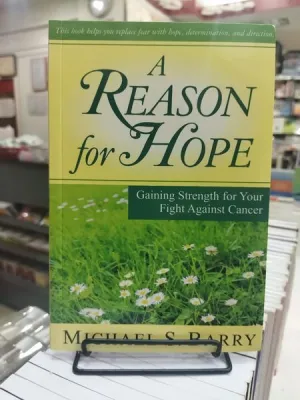
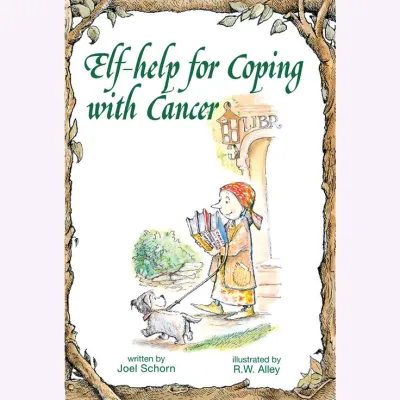
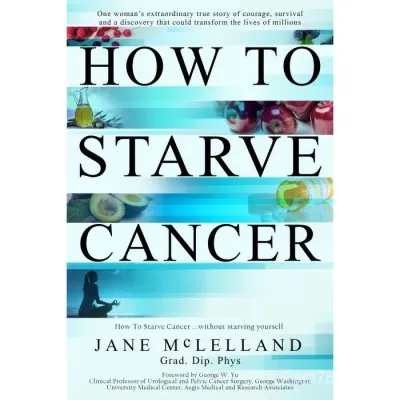
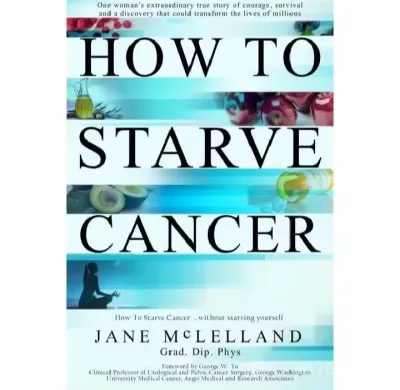
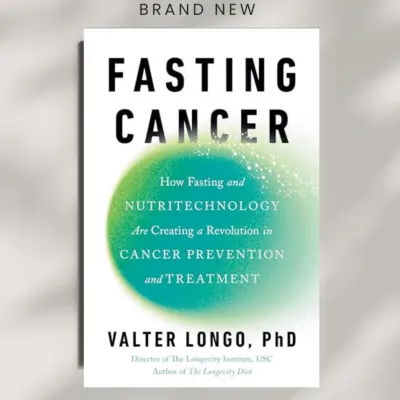
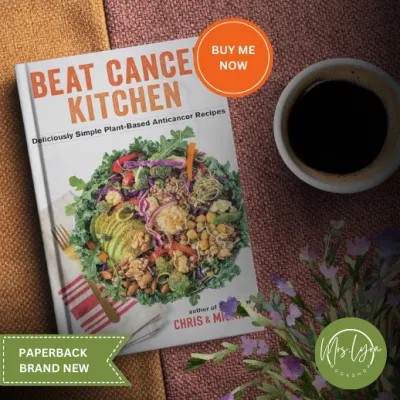
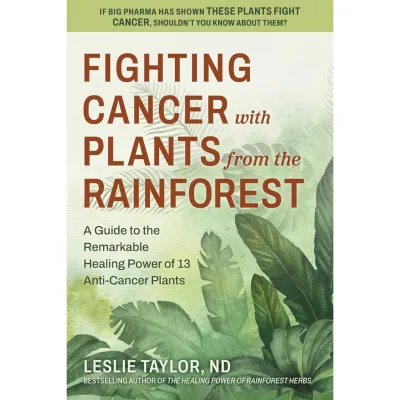
Prices are valid at publication and may change. Please refer to the product page for the latest price.
Caregivers, on the other hand, require highly practical guides. In many Filipino households, caregiving is a shared family responsibility, but it often falls heavily on one or two primary individuals. Books tailored for caregivers should address the logistics of patient advocacy, medication tracking, and physical comfort measures, while also providing strategies to prevent caregiver burnout. Understanding how to balance caregiving duties with personal well-being is critical to sustaining long-term support for a loved one.
Survivors face a unique set of challenges that are often overlooked during active treatment. Once clinical therapies conclude, survivors must navigate the transition back to daily routines, manage the persistent fear of recurrence, and address long-term physical changes. Books focusing on survivorship, lifestyle adjustments, and emotional recovery help readers rebuild their lives with confidence and purpose.
Additionally, you should identify the book’s primary focus area. Some books specialize in nutritional guidance, offering recipes and dietary advice tailored for oncology patients. Others focus on navigating the healthcare system, helping readers understand medical terminology, communicate effectively with doctors, and manage the financial aspects of care. Matching the book’s focus to your immediate needs ensures that the information is both actionable and relevant to your current situation.
Core Criteria for Evaluating Cancer Books
Evaluating the credibility of a cancer self-help book is a vital step in protecting your health and peace of mind. The first and most critical criterion is the author’s credentials. Books containing medical advice, dietary protocols, or treatment recommendations should be written by qualified professionals, such as board-certified oncologists, oncology nurses, registered dietitians, or licensed clinical psychologists. If a book is a personal memoir written by a patient or survivor, it can offer profound emotional support, but any medical claims or lifestyle changes mentioned within its pages must be treated as personal anecdotes rather than universal medical advice.

Cultural and systemic relevance is another essential factor for readers in the Philippines. Many international bestsellers are written within the context of Western healthcare systems, assuming access to specific insurance models, specialized support groups, or clinical trials that may not be readily available or structured the same way locally. Furthermore, Western books may recommend dietary changes featuring ingredients that are difficult to find or expensive in local markets. A good self-help book should offer advice that can be realistically adapted to local family dynamics, tropical climates, and the practicalities of the Philippine healthcare landscape.
The publication date is equally critical because oncology is a rapidly evolving field. Medical consensus regarding cancer treatments, supportive care, and side-effect management changes as new clinical trials and therapies emerge. A book published more than a decade ago may contain outdated information about treatment options or fail to mention modern advancements like immunotherapy and targeted therapies. Always check the copyright page to ensure the medical information reflects current standards of care.
Finally, consider the language and format of the book. Reading about complex medical topics can be mentally exhausting, especially during treatment. Choosing a book written in clear, accessible language—whether in English, Tagalog, or a regional language—can significantly reduce cognitive fatigue. Additionally, explore different formats; while physical paperbacks are excellent for highlighting and taking notes, e-books offer instant access, and audiobooks can be a comforting alternative for patients experiencing fatigue, nausea, or vision changes during therapy.
Sourcing and Verifying Authentic Copies
Acquiring authentic, high-quality copies of your chosen books is essential to ensure you receive complete and accurate information. When looking for physical books, established local brick-and-mortar bookstores and university libraries are highly reliable sources. Many major universities, particularly those with medical or health sciences programs, maintain libraries with extensive collections of health humanities and patient education resources that may be accessible to the public or through research visitor passes.
If you prefer shopping online, navigating ecommerce platforms and online marketplaces requires a cautious approach. Always prioritize official publisher storefronts, authorized distributors, or highly rated preferred sellers. Be wary of listings with exceptionally low prices, as these are often unauthorized, pirated reprints. Counterfeit books frequently suffer from poor print quality, missing pages, or binding errors. In a medical self-help book, a missing chapter or a poorly printed table could result in missing critical safety guidelines or misinterpreting important advice.
To verify the authenticity of a book, check the International Standard Book Number (ISBN) printed on the back cover or copyright page. You can cross-reference this number with official publisher websites or global book databases to confirm the edition and publisher details. Authentic books also feature clear, crisp typography and durable paper, which makes reading much easier on the eyes during long recovery periods.
For those looking for cost-effective or free options, digital lending platforms are an excellent resource. Apps that connect to public library systems often have selections of health and wellness titles available for digital borrowing. Additionally, many major hospitals and cancer support foundations in the Philippines maintain resource centers or patient libraries. These centers often curate verified reading lists and lend books directly to patients and their families, providing a safe and supportive environment to access reliable literature.
Reading Safely and Managing Information Overload
While reading can be a powerful tool for empowerment, it is important to manage your consumption of medical and psychological literature to avoid information overload and anxiety. Setting strict emotional boundaries is a key part of reading safely. If a particular chapter, case study, or discussion of prognosis triggers intense anxiety, sadness, or distress, give yourself permission to close the book. You do not have to read every page or finish every chapter to benefit from a book; focus only on the sections that bring you comfort or practical utility.
It is absolutely vital to cross-reference any advice found in self-help books with your primary oncology team. This is especially true for books that recommend specific dietary changes, herbal supplements, or alternative therapies. Some natural supplements and dietary adjustments can interact negatively with chemotherapy drugs, radiation therapy, or anesthesia, potentially reducing the effectiveness of your medical treatment or causing harmful side effects. Your oncologist should always remain the ultimate authority on your treatment plan.
Be highly vigilant against books that promote “miracle cures” or make absolute safety guarantees. Red flags include authors who claim to have a secret cure that mainstream medicine ignores, or those who actively discourage conventional treatments like surgery, chemotherapy, and radiation. Reliable self-help books do not seek to replace professional medical care; instead, they offer complementary strategies to help you cope with the emotional, mental, and physical challenges of your medical journey.
Frequently Asked Questions (FAQ)
Should I read books written by medical doctors or by cancer survivors?
Books written by medical doctors and those written by cancer survivors serve entirely different but complementary purposes. Medical professionals provide evidence-based protocols, clinical accuracy, and a clear understanding of the physiological aspects of the disease and its treatments. These books are invaluable when you need to understand the science behind your diagnosis and make informed decisions about your clinical care.
Conversely, books written by cancer survivors offer deep emotional resonance, empathy, and practical daily coping strategies that only someone who has walked the path can provide. Survivors can share firsthand advice on managing daily side effects, dealing with the emotional toll on relationships, and navigating the psychological transition to life after cancer. For a well-rounded approach, consider reading a mix of both types of books, depending on whether you currently need clinical clarity or emotional validation.
Are translated or locally published books better than international bestsellers?
Both local and international books have distinct advantages, and the best choice depends on your immediate needs. Locally published books are highly valuable because they directly reflect the realities of the Philippine healthcare system, local family dynamics, and regional support networks. They often include practical advice on navigating local health insurance, accessing community resources, and incorporating locally available, affordable foods into a recovery diet.
International bestsellers, on the other hand, often benefit from extensive research budgets and cover a wide range of global medical standards and psychological methodologies. However, they may assume access to healthcare infrastructures or specialized treatments that are not easily accessible locally. When reading international titles, it is helpful to look for editions that offer localized resources or to supplement your reading with local guides to ensure the advice remains practical and actionable in your daily life.

Community discussion
Share your experience or ask a question. Comments are reviewed before publication.