
Finding the right book to master your emotions as a reader in the Philippines requires balancing proven psychological frameworks with your unique cultural and personal context. While global self-help titles offer valuable tools, their advice must be filtered through local realities like close-knit family structures, workplace dynamics, and daily lifestyle demands. By focusing on books that offer actionable, evidence-based strategies rather than generic motivational phrases, you can build a personalized toolkit for emotional resilience.
To make a meaningful choice, you need to understand your specific emotional goals, evaluate the credibility of the author, and select a format that fits your daily routine. Sourcing authentic copies and assessing how well the advice translates to local social expectations will ensure that your reading journey leads to practical, positive changes in your life.
Understanding Your Emotional Goals and Reading Preferences
To begin your journey toward emotional mastery, you must first clarify what you hope to achieve and how you prefer to learn. Emotional self-help literature is vast, spanning several distinct methodologies. Understanding these categories allows you to target your specific needs rather than buying a book simply because it is popular.
Products mentioned in this guide
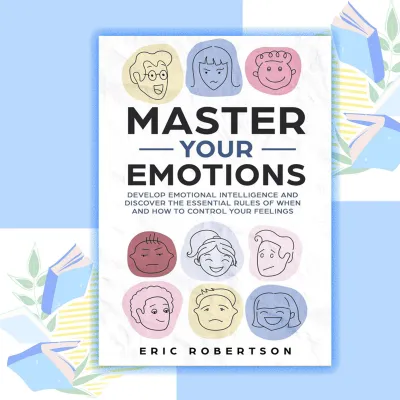
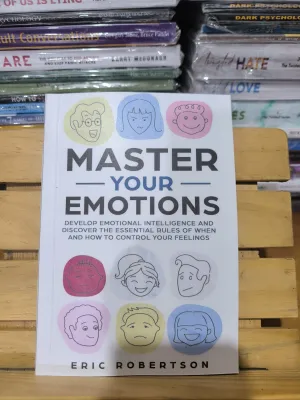
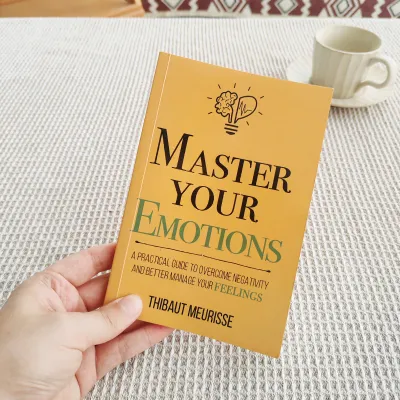
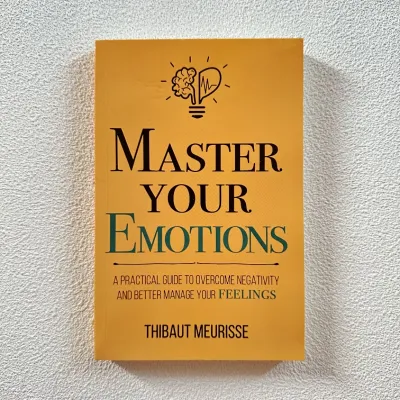
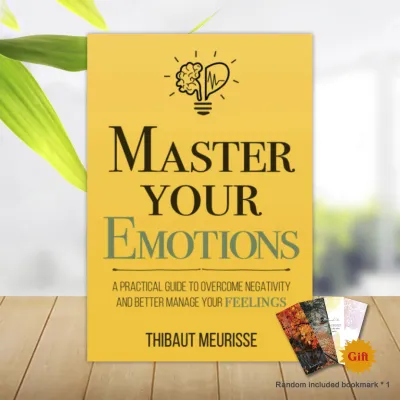
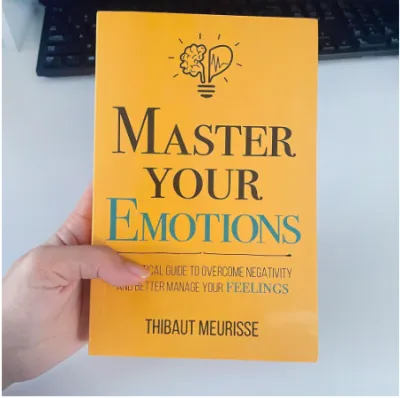
Prices are valid at publication and may change. Please refer to the product page for the latest price.
Clinical psychology and cognitive behavioral approaches focus on the relationship between thoughts, feelings, and behaviors. These books often teach you how to identify cognitive distortions—such as catastrophizing or overgeneralizing—and reframe them systematically. If you are looking for structured, logical steps to manage anxiety or anger, a cognitive behavioral therapy (CBT) guide is highly effective.
Alternatively, spiritual or mindfulness-based perspectives emphasize acceptance, presence, and non-judgmental awareness. These texts encourage you to observe your emotions without immediately trying to change or suppress them. This approach is particularly beneficial if you experience chronic stress and want to cultivate a deeper sense of inner peace and self-compassion.
Your choice should also align with the specific emotional triggers you face daily. For many readers, these triggers are deeply tied to interpersonal relationships. You might be navigating high-pressure workplace environments, managing complex family expectations, or going through major life transitions like starting a new career or moving to a new city. Pinpointing whether your primary challenge is interpersonal conflict, internal anxiety, or situational stress will guide you to the right sub-genre.
Finally, consider how your learning habits and attention span match different book formats. Interactive workbooks are ideal if you learn best by doing; they feature fill-in-the-blank exercises, mood trackers, and written prompts. Narrative non-fiction, on the other hand, uses engaging stories and case studies to illustrate psychological concepts, making them easier to digest during leisure reading. Academic or clinical texts offer deep, research-heavy insights but require more focused concentration and study time.
Key Criteria for Evaluating Emotional Mastery Books
With thousands of self-help titles available, evaluating the quality and credibility of a book before purchasing is essential. The self-help industry is filled with anecdotal advice that may not apply to everyone. To ensure you are investing your time and money in a reliable resource, you must establish a strict evaluation framework.

First, scrutinize the author’s credentials. Look for writers who hold recognized professional qualifications in mental health, such as licensed clinical psychologists, psychiatrists, or academic researchers with advanced degrees in behavioral sciences. Authors with clinical experience have worked directly with individuals facing emotional struggles, meaning their advice is grounded in real-world application rather than theoretical speculation.
Second, assess whether the book relies on evidence-based frameworks. Credible emotional mastery books are built on concepts that have undergone rigorous peer review and scientific testing, such as CBT, Dialectical Behavior Therapy (DBT), or Acceptance and Commitment Therapy (ACT). Check the bibliography or notes section at the back of the book; a robust list of citations from reputable psychological journals is a strong indicator of a well-researched text.
Avoid books that rely solely on personal anecdotes, unverified success stories, or purely motivational language. While inspiring stories can be comforting, they rarely provide the systematic tools needed for long-term emotional regulation. A high-quality book should explain the “why” behind emotional patterns using established psychological principles.
Third, look for actionable exercises and structured progression. A truly useful guide does not just describe emotional problems; it provides a clear roadmap for change. Look for chapters that end with reflection prompts, step-by-step coping strategies, or daily practices. The book should guide you from basic self-awareness to advanced emotional regulation techniques in a logical, progressive manner.
Navigating Book Formats and Editions Available in the Philippines
Choosing the right format for your emotional mastery book depends heavily on your daily routine, reading environment, and lifestyle. In the Philippines, where daily commutes can be long and domestic spaces are often shared, the physical and digital medium of your book plays a significant role in how consistently you engage with the material.
Physical paperbacks and hardcovers remain popular for their tactile experience and ease of annotation. If you prefer highlighting key passages, writing notes in the margins, or completing workbook exercises by hand, a physical copy is unmatched. However, physical books require proper storage to protect them from high tropical humidity, which can cause pages to yellow or develop mold over time.
Digital formats, such as e-books, offer excellent portability and convenience. You can carry an entire library on an e-reader or smartphone, making it easy to read during a quiet moment at work or while waiting in line. E-books also allow you to adjust font sizes and screen brightness, which helps reduce eye strain during late-night reading sessions.
Audiobooks are an increasingly popular choice for busy individuals. They allow you to absorb complex psychological concepts while performing passive tasks like commuting, doing household chores, or exercising. However, audiobooks require active listening; if your mind tends to wander during spoken narration, you may miss critical details of a structured exercise.
Before purchasing digital content, always verify regional availability and device compatibility. Some digital audiobooks and e-books are subject to region locks that prevent them from being downloaded or played in the Philippines. Ensure that the platform you use is fully supported locally and that the file formats are compatible with your specific e-reader or smartphone application. Additionally, check if the book is available in your preferred language, as some titles offer authorized local translations alongside the original English editions.
How to Assess Cultural Resonance and Practical Applicability
Many of the most popular emotional mastery books are written by Western authors whose advice is rooted in highly individualistic cultural frameworks. While the core psychological principles remain universal, the practical application of this advice can conflict with the collectivist values and social realities of readers in the Philippines.
In a collectivist society, personal identity is deeply intertwined with family dynamics and community relationships. Western self-help books often advocate for strict, uncompromising boundary-setting as a primary tool for emotional health. However, applying these rigid boundaries directly within a close-knit extended family, where elder respect and shared household responsibilities are paramount, can lead to intense interpersonal friction and feelings of guilt.
When reading, evaluate how well the author’s advice can be adapted to your social context. Look for strategies that allow you to protect your emotional well-being while still honoring your familial commitments. For example, instead of completely cutting off a difficult family member, look for communication techniques that help you manage your emotional reactions during family gatherings.
Workplace culture is another area where cultural resonance is critical. Local professional environments often place a high value on harmony, indirect communication, and group cohesion. Assertiveness techniques recommended in Western texts might be perceived as confrontational or disrespectful in a local office setting. Choose books that teach emotional regulation and communication strategies that respect these nuances, allowing you to express your needs professionally without damaging vital working relationships.
Be cautious of frameworks that promote absolute self-reliance at the expense of community support. In the Philippines, social connection and mutual support systems are vital coping mechanisms. A book that dismisses the importance of community or views reliance on others as a weakness may not align with your cultural strengths. Seek out material that integrates self-mastery with healthy, supportive relationships.
Where to Source and Verify Books Locally and Online
Once you have identified the right book and format, the next step is finding a reliable source to purchase or borrow it. Navigating the local book market requires a mix of exploring physical retail spaces and utilizing secure online platforms to ensure you receive authentic, high-quality copies.
For physical copies, major local bookstore chains and independent boutique bookshops are excellent starting points. Independent shops often curate their selections carefully, offering unique self-help and psychology titles that might not be highlighted in larger retail outlets. Additionally, university presses are invaluable resources for finding academic research and locally authored psychological studies that directly address the local cultural context.
When shopping on online marketplaces or ecommerce platforms, vigilance is necessary to avoid counterfeit or pirated books. Pirated copies are often poorly printed, missing pages, or riddled with typographical errors that can disrupt your reading experience. To ensure authenticity, only purchase from official brand stores, authorized distributors, or sellers with high ratings and positive customer reviews that specifically mention book quality.
Compare prices in ₱ across different authorized sellers before making a purchase. Prices can vary significantly depending on whether the book is an international import, a local reprint, or a digital edition. If you are on a budget, consider checking local library networks or academic libraries, which often provide digital or physical borrowing options for educational and self-improvement texts. This allows you to explore a book’s content before deciding to invest in a permanent copy for your personal collection.
Frequently Asked Questions (FAQ)
Can I find emotional mastery books written by local Filipino authors?
Yes, there is a growing body of literature on emotional wellness and psychology written by local authors and academic researchers. To find these books, explore the catalogs of local university presses, independent publishers, and the National Book Development Board. Reading locally authored books is highly beneficial because these writers naturally integrate local psychological concepts, cultural values, and social realities into their advice, making the strategies immediately applicable to your daily life.
Are audiobooks a good alternative if I have a long daily commute?
Audiobooks are an excellent way to utilize transit time, especially during long commutes in busy urban areas. However, because emotional mastery books often contain complex psychological concepts and reflective exercises, you may need to adjust how you listen. To get the most out of an audiobook while commuting, use noise-canceling headphones to block out external distractions, and utilize the bookmarking feature on your app to flag sections with exercises that you can complete once you are in a quiet space.
How do I know if a book requires a professional therapist's guidance?
While self-help books are valuable tools for personal growth, they are not substitutes for professional mental health care. If a book covers deep trauma processing, severe clinical depression, or complex psychological disorders, attempting to navigate these topics alone can trigger intense emotional distress. If you find that reading a book increases your anxiety, brings up overwhelming memories, or if your emotional challenges persist despite applying the book’s advice, it is a clear sign to consult a licensed psychologist or counselor who can provide personalized, safe guidance.
Community discussion
Share your experience or ask a question. Comments are reviewed before publication.