
Visual reference guides and Bible chart books transform complex scripture timelines, theological concepts, and historical contexts into accessible formats. Selecting the right resource depends on your specific study goals, doctrinal context, and format preferences. This guide outlines the essential criteria for evaluating visual study aids to help you find the most suitable tools for personal devotion or group teaching.
Understanding the historical, geographical, and cultural background of biblical texts can be challenging when relying solely on standard text-based Bibles. Visual aids bridge this gap by organizing vast amounts of historical data, genealogical records, and theological frameworks into clear, digestible graphics. Whether you are preparing a sermon, leading a community Bible study, or engaging in personal morning devotions, a well-designed chart book serves as an invaluable companion that clarifies complex narratives and deepens your engagement with the scriptures.
To make an informed investment, it is important to look beyond attractive covers and examine how a book structures its information. The ideal visual guide should not only present accurate data but also align with your personal learning style and theological background. By focusing on key aspects such as layout design, physical durability, and doctrinal perspective, you can select a resource that will remain a trusted reference on your bookshelf for years to come.
Products mentioned in this guide
Prices are valid at publication and may change. Please refer to the product page for the latest price.
Core Criteria for Choosing Bible Chart Books
Selecting a Bible chart book requires a careful evaluation of how the information is presented and whether it matches your study habits. The first and most critical factor is theological alignment and translation compatibility. Many chart books are designed to accompany specific Bible translations, referencing exact verse wordings or chapter divisions that may vary across different versions. If you primarily use a translation like the Revised Standard Version Catholic Edition (RSV-CE) or the New American Bible (NABRE), you should ensure that the chart book’s references and historical timelines do not conflict with the structure of your preferred text. Some guides are translation-neutral, focusing on broad historical events and geographical maps, which makes them highly versatile for ecumenical study groups.
Visual clarity and layout design are equally vital when assessing these reference materials. A poorly designed chart can confuse readers rather than clarify the text. Look for books that utilize clean typography, distinct color-coding, and intuitive legends to separate different historical periods, kingdoms, or theological themes. High-quality visual guides avoid overcrowding pages with excessive text, instead balancing concise summaries with clear diagrams, flowcharts, and maps. The use of side-by-side comparisons is particularly helpful for understanding complex topics, such as comparing the prophecies of the Old Testament with their fulfillments in the New Testament.
The physical format and construction of the book are practical considerations that directly impact its usability, especially in tropical climates like the Philippines. High humidity can cause thin, low-quality paper to warp, wrinkle, or stick together over time. Therefore, prioritizing books printed on heavyweight, semi-gloss, or matte-coated paper is highly recommended. Furthermore, the type of binding plays a significant role in how easily you can use the book during study sessions. Spiral-bound or lay-flat bindings are exceptionally practical because they allow the book to remain completely open on a desk, podium, or altar without requiring you to hold the pages down. This hands-free usability is a major advantage when you are simultaneously balancing a Bible, a notebook, and a pen.
Evaluating Well-Known Visual Reference Guides
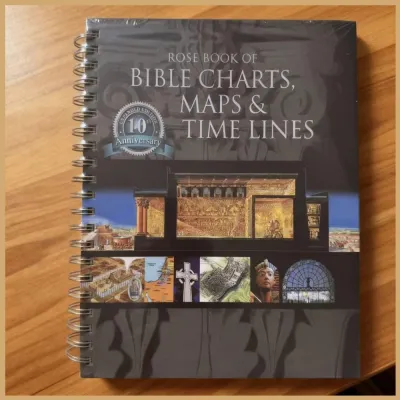
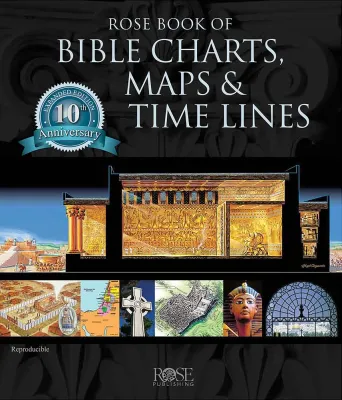
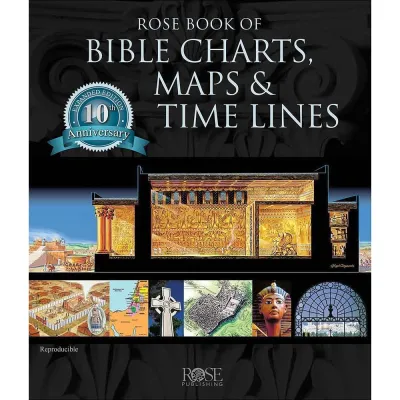
When exploring the market for visual study aids, understanding how established reference works are structured can help you set a benchmark for quality. Comprehensive collections, such as the Rose Book of Bible Charts, are widely recognized for their systematic organization of biblical data. These extensive volumes typically divide their content into logical sections, starting with general overviews of the Bible’s structure, followed by detailed timelines of biblical history, archaeological discoveries, and comparative maps. By examining how these major works present information, you can identify the specific visual formats—such as fold-out timelines, overlays, or family trees—that best support your personal learning style.

A key decision when choosing a visual guide is deciding between a single-volume encyclopedic reference and a series of focused, topical booklets. A single-volume comprehensive guide offers an all-in-one solution, providing a vast library of charts covering almost every major biblical topic. While these volumes represent excellent long-term value, they are often heavy and bulky, making them less convenient to carry to weekly study groups or church services. Conversely, focused topical booklets or pamphlets target specific subjects, such as the Tabernacle, the parables of Jesus, or the journeys of Saint Paul. These slim, lightweight resources are highly portable and ideal for short-term study series, though purchasing multiple individual booklets can eventually become more expensive than investing in a single comprehensive volume.
Regardless of the format you choose, verifying that you are purchasing the most recent edition is essential for ensuring historical and archaeological accuracy. Biblical scholarship, historical geography, and archaeological consensus are not static; new discoveries and technological advancements in mapping frequently lead to updates in visual guides. Newer editions often feature revised maps with more precise geographical coordinates, updated timelines that reflect current historical research, and enhanced graphic designs that improve readability. Before finalizing a purchase, check the publication date and edition number to ensure you are not buying an outdated version that contains obsolete historical assumptions or lower-resolution graphics.
In addition to historical and geographical data, well-known visual guides often include comparative theology charts. These charts lay out the core beliefs of different Christian traditions, world religions, and cults side-by-side. This comparative approach is incredibly useful for developing a well-rounded understanding of church history and apologetics. However, when using these comparative charts, it is important to verify that the descriptions of each faith tradition are objective, accurate, and respectful, rather than biased or overly simplistic.
Aligning the Guide With Your Study Context
The effectiveness of a Bible chart book depends heavily on the environment in which you plan to use it. For personal spiritual growth and daily devotions, your priority should be on guides that offer thematic overviews and devotional charts. These resources do not merely list historical facts and dates; they connect biblical events to spiritual truths and practical life applications. A good devotional chart might trace a theme like covenant, mercy, or redemption across both testaments, helping you see the cohesive narrative of scripture and encouraging deeper personal reflection during your quiet time.
If your primary goal is group study, teaching, or parish ministry, you will need to look for specific features that facilitate sharing information with others. Many educators and ministry leaders benefit from chart books that explicitly grant reproduction rights, allowing you to legally photocopy or print specific charts for distribution to class participants. Additionally, check if the publisher offers companion digital resources, such as downloadable presentation slides or high-resolution image files that can be projected onto a screen during a lecture. Large-print editions are also worth considering if you plan to share the physical book with older family members or study group participants who may struggle with small, dense text.
Doctrinal context is another crucial consideration, particularly within the diverse religious landscape of the Philippines. Catholic readers should be mindful that many widely available Bible chart books are published from a Protestant perspective, which means they typically omit the deuterocanonical books of the Old Testament from their timelines, summaries, and canonical lists. If you are studying within a Catholic framework, look for resources that explicitly include these books or seek out Catholic-specific visual guides that reflect traditional teachings on the sacraments, church history, and the apostolic succession. Ensuring that your study aids respect and align with your specific faith tradition prevents confusion and helps you build a solid, coherent foundation of spiritual knowledge.
Furthermore, consider the language and cultural context of your study group. While most comprehensive chart books are published in English, which is widely used in Philippine academic and religious settings, some study groups may benefit from bilingual resources or guides that use clear, universally understood symbols. Choosing a guide that matches the linguistic comfort level of your participants ensures that everyone can fully engage with the material without feeling excluded by overly academic or foreign terminology.
Purchasing Checklist and Format Verification
To avoid disappointment when ordering visual reference guides from online marketplaces or local book distributors, it is wise to follow a structured verification process. First, carefully inspect the product specifications to confirm the exact edition, publication year, and language. Because many popular chart books have multiple editions, spin-offs, and compact versions, relying solely on the cover image can be misleading. Pay close attention to the physical dimensions listed in the product description; some buyers accidentally purchase pocket-sized editions expecting a full-sized reference book, only to find the detailed charts and maps nearly impossible to read without magnification.
If you are considering a digital or interactive version of a visual guide, compatibility checks are essential. Detailed charts, intricate maps, and comparative tables require high-resolution displays to be truly effective. Standard e-readers with small, grayscale e-ink screens often struggle to render complex color-coded charts, resulting in a frustrating reading experience. If you prefer digital formats, ensure the file is compatible with a color tablet, laptop, or smartphone, and check whether the digital edition allows you to zoom in on high-resolution graphics without losing clarity.
Finally, pay close attention to seller ratings, customer feedback, and return policies when purchasing physical books online. Because visual guides rely heavily on high-quality color printing, precise alignment of overlays, and durable binding, any manufacturing or shipping defect can severely impact the book’s utility. Purchasing from reputable sellers who offer clear return or replacement policies ensures that you can easily exchange the book if it arrives with smudged ink, misaligned pages, or bent corners. Taking these precautions helps guarantee that your investment results in a pristine, highly functional study tool that enhances your spiritual journey.
Additionally, keep an eye out for bundled packages that include both the physical book and a digital license. These bundles offer the best of both worlds, giving you a durable, high-quality physical volume for your home study desk and a portable digital version for when you are traveling or leading a study group on the go.
Frequently Asked Questions (FAQ)
Are digital Bible chart apps a good alternative to physical books?
Digital Bible chart apps and e-books offer excellent portability and searchability, allowing you to carry an entire library of visual resources on a single tablet or smartphone. They often feature interactive elements, such as zoomable maps and clickable cross-references, which can make studying highly dynamic. However, many readers find that physical books are superior for deep, uninterrupted study because they eliminate screen fatigue and the constant distraction of digital notifications. The tactile experience of flipping through physical pages and laying a large chart book flat next to your Bible often fosters a more focused and contemplative study environment.
How do I know if a chart book aligns with my specific Christian denomination?
To verify theological compatibility before purchasing a chart book, start by researching the publisher’s background and the author’s stated theological framework. Many publishers specialize in materials for specific denominations, such as Catholic, Reformed, or evangelical traditions. Additionally, look for online previews, sample pages, or table of contents listings to see how the book addresses key doctrinal topics. For instance, checking how the book presents the history of the early church, the sacraments, or the canon of scripture will quickly reveal whether the content aligns with your denomination’s teachings and traditions.

Community discussion
Share your experience or ask a question. Comments are reviewed before publication.