
Finding a high-quality guitar amplifier under ₱10,000 in the Philippines is entirely achievable and serves as the perfect starting point for your musical journey. This budget represents a highly competitive segment where major manufacturers offer feature-rich, reliable, and great-sounding units designed specifically for home practice. By focusing on essential features and understanding where to compromise, you can secure an amplifier that will support your learning for years to come.
Choosing your first amplifier is just as important as selecting the guitar itself, as the amplifier is responsible for shaping your instrument’s raw electrical signals into a pleasing acoustic experience. In the local market, navigating the balance between price, features, and durability requires a clear understanding of what these budget-friendly units can realistically deliver.
What to Expect from a Beginner Guitar Amplifier Under ₱10,000
When shopping within a ₱10,000 budget, you are looking at the sweet spot for personal practice gear. Amplifiers in this price range typically offer power ratings between 10W and 30W, paired with speaker sizes ranging from 6 inches to 10 inches. These specifications are optimized for bedroom practice, learning core techniques, and small acoustic jam sessions rather than loud band rehearsals or live stage performances.
Products mentioned in this guide
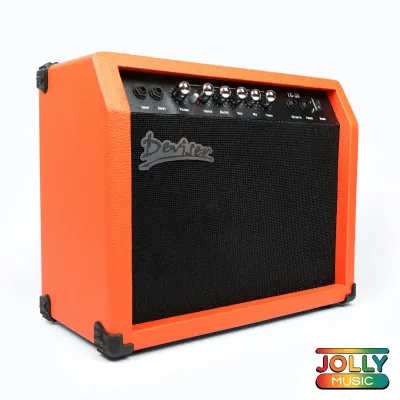
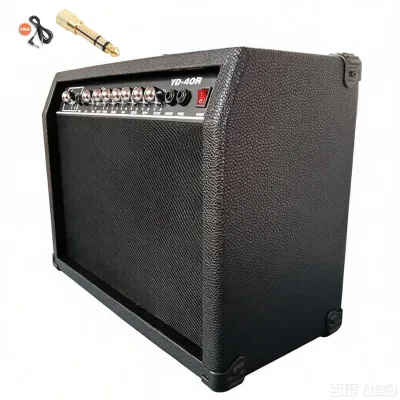
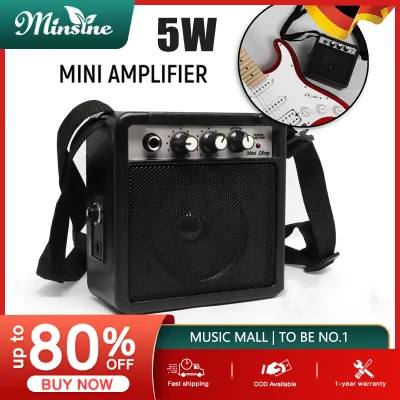
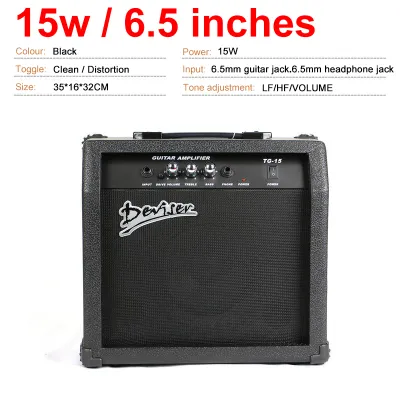

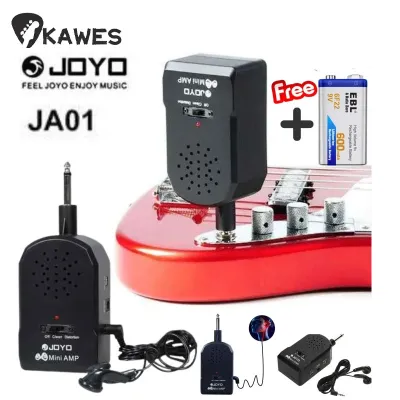
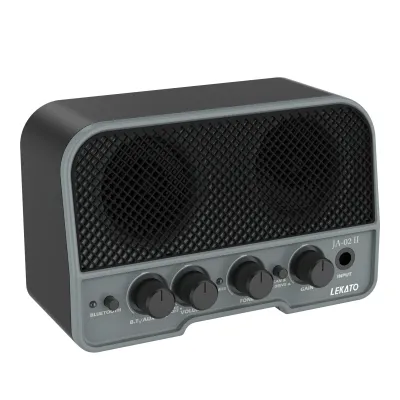
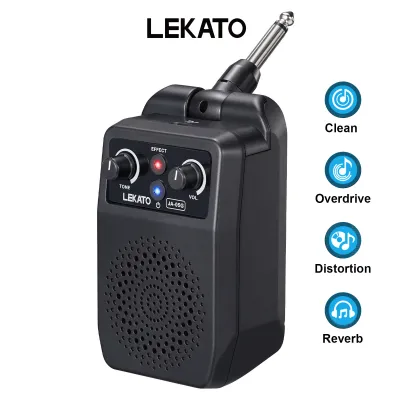
Prices are valid at publication and may change. Please refer to the product page for the latest price.
At this price point, value for money is defined by reliable build quality, intuitive tone shaping, and practical daily features. You should not expect premium cabinet woods, hand-wired tube circuitry, or professional-grade touring durability. Instead, the focus is on solid-state or digital modeling technology that delivers consistent, clear tones at reasonable household volumes.
For Filipino beginners, these compact units are highly practical. They fit easily into space-constrained bedrooms or apartments in dense urban areas like Metro Manila, Cebu, or Davao. They are also lightweight enough to carry to a friend’s house for a casual jam session without requiring a vehicle.
Furthermore, the tropical climate of the Philippines introduces environmental factors like high humidity, which can affect musical gear over time. Budget amplifiers in this price tier often feature robust vinyl wrapping (known as tolex) and plastic or metal corner protectors that help shield the cabinet from moisture and minor impacts, ensuring the electronics remain safe during daily use.
Must-Have Features for Daily Practice
To get the most out of your daily practice sessions, certain technical specifications are non-negotiable. Understanding these features will help you filter out underpowered toys and identify genuine musical tools.

Wattage and Volume Control For home practice, a solid-state rating of 10W to 20W is the ideal range. It is important to understand that solid-state wattage behaves differently from tube wattage; a 15W solid-state amp delivers clean, controllable volume at lower levels, whereas a 15W tube amp is incredibly loud and must be pushed to high volumes to sound its best. A lower-wattage solid-state amp allows you to get satisfying, fully formed tones without disturbing your family or neighbors.
Speaker Size Look for an amplifier equipped with an 8-inch or 10-inch speaker. While 6-inch speakers are common in ultra-budget models, they often produce a thin, “boxy” sound that lacks bass response. An 8-inch speaker moves significantly more air, providing a fuller, warmer tone that makes playing far more enjoyable and helps you hear the nuances of your guitar’s pickups.
Built-in Effects A good beginner amp should feature at least basic built-in effects, such as overdrive, distortion, and reverb. Having these tools onboard allows you to explore different musical genres—from clean jazz to gritty rock and ambient pop—without the immediate need to purchase expensive external effects pedals.
Headphone Jack and Aux/Bluetooth Input Silent practice is essential for maintaining peace at home. Ensure the amplifier has a dedicated headphone output (typically a 3.5mm or 6.35mm jack) that automatically mutes the main speaker when in use. Additionally, an auxiliary input or Bluetooth connectivity is invaluable, allowing you to stream backing tracks, metronomes, or video lessons directly through the amplifier so you can play along in real time.
Solid-State vs. Modeling Amps: Which Fits Your Style?
As you browse the market, you will encounter two primary amplifier technologies under ₱10,000: traditional solid-state and digital modeling. Choosing between them depends entirely on your learning style and musical preferences.
Solid-State Amplifiers Solid-state amplifiers use analog transistors to amplify your guitar’s signal. They are highly regarded for their straightforward, plug-and-play operation, exceptional reliability, and warm clean tones. If you prefer a simple control panel with physical knobs for bass, middle, treble, and gain, a solid-state amp is an excellent choice. They also serve as fantastic “pedal platforms” if you plan to build a physical pedalboard in the future.
Digital Modeling Amplifiers Digital modeling amplifiers use computer chips to simulate the sound of various classic amplifiers, cabinets, and effects. With a single modeling amp, you can instantly switch from a clean vintage style to a high-gain modern metal tone. These are highly recommended for beginners who want maximum versatility and enjoy experimenting with different sounds, presets, and digital settings.
Making Your Decision To help you choose, consider this simple decision framework:
- Choose Solid-State if: You want a simple, distraction-free setup, prefer classic rock or blues tones, and want to learn how to shape your sound using basic physical controls.
- Choose Modeling if: You want to play multiple genres, love technology, want access to dozens of built-in effects, and enjoy tweaking settings via a smartphone app or computer interface.
Where to Compromise and Quality Traps to Avoid
Staying under a ₱10,000 budget requires understanding which premium features you can safely live without, as well as identifying marketing traps that lead to poor purchases.
Acceptable Compromises At this price point, you should not expect a dedicated effects loop (FX loop), which is used for inserting advanced modulation pedals between the preamp and power amp. You will also likely miss out on multi-button footswitch compatibility and premium cabinet construction materials like solid birch plywood. These omissions are completely normal for beginner gear and will not hinder your progress as you learn the fundamentals of the instrument.
Traps to Avoid Be highly skeptical of exaggerated power claims, such as “100W PMPO” (Peak Music Power Output) printed on tiny, lightweight amplifiers. Always look for the RMS (Root Mean Square) wattage rating, which represents the continuous, real-world power output. Additionally, avoid amplifiers that lack a basic three-band EQ (Bass, Middle, Treble) in favor of a single “Tone” knob, as this severely limits your ability to correct harsh frequencies or muddy bass.
Physical Build Quality Checks Before finalizing a purchase, check user reviews and forums for common budget-gear failure points. Look out for reports of rattling cabinets at moderate volumes, loose or fragile input jacks that cut out when the cable moves, and scratchy control knobs that produce static noise when turned. Investing in a reputable brand with solid quality control prevents these frustrating issues.
How to Buy Safely and Verify Your Warranty
Purchasing music gear in the Philippines requires a strategic approach to ensure you receive a genuine product, a valid warranty, and the correct electrical specifications.
In-Store vs. Online Purchasing Visiting a physical music store in major Philippine cities allows you to test the amplifier in person, feel its physical weight, and inspect the cabinet for any cosmetic defects. However, authorized online marketplaces often provide competitive pricing, bundle deals, and home delivery. If buying online, only purchase from official flagship brand stores or highly rated, authorized local music dealers to avoid counterfeit products.
The 220V Voltage Verification A critical step for any electrical appliance in the Philippines is verifying the voltage rating. The standard electrical grid in the Philippines operates at 220V/60Hz. Many budget amplifiers imported directly from Japan or the United States are rated for 110V; plugging a 110V amplifier directly into a Philippine wall outlet will instantly destroy the internal transformer. Always check the product specifications or the physical label on the back of the amplifier to ensure it is rated for 220V, or factor in the cost of a high-quality step-down transformer.
Warranty and Hidden Costs Always confirm that your purchase includes an official local distributor warranty card, which typically offers 6 to 12 months of coverage against manufacturing defects. Be sure to factor in potential hidden costs, such as shipping fees for heavy items if buying online, and the cost of a reliable, shielded instrument cable, as basic cables are rarely included in the box.
Frequently Asked Questions (FAQ)
Can I use a budget guitar amplifier for live band rehearsals?
A 10W to 30W solid-state amplifier is generally not powerful enough to compete with an acoustic drum kit and a bass guitar in a live rehearsal setting. To be heard clearly over a drummer, you typically need a solid-state amplifier of at least 50W to 100W, or a 15W to 30W tube amplifier. Pushing a small practice amp to its absolute volume limit will result in harsh, unpleasant distortion and can potentially damage the speaker.
Do I need a separate distortion pedal if the amp has built-in effects?
If your amplifier features a built-in overdrive channel or digital distortion models, you do not need a separate pedal to start learning. The onboard effects are more than adequate for practicing rock riffs and soloing. You should only invest in dedicated distortion or overdrive pedals once you have developed specific tonal preferences and are looking to expand your sound beyond the capabilities of your practice amp.
Is it safe to buy a used amplifier to stretch my budget?
Buying a secondhand amplifier can be an excellent way to get a higher-tier model within your ₱10,000 budget, but it requires careful inspection. When testing a used amp, turn every knob slowly to check for static or scratchy sounds, plug in a guitar to ensure the input jack is tight and silent, and listen closely for any unusual cabinet rattles or speaker buzzing. Keep in mind that purchasing secondhand means sacrificing the peace of mind of a local manufacturer’s warranty and return policy.
Community discussion
Share your experience or ask a question. Comments are reviewed before publication.