
Choosing your first drum set is an exciting milestone, but it can quickly become overwhelming when navigating the wide variety of options, sizes, and technical specifications. In the Philippines, making the right choice requires balancing your musical goals with practical living conditions, such as neighborhood noise limits, high tropical humidity, and available floor space. By understanding the fundamental differences between acoustic and electronic setups, evaluating key hardware components, and knowing how to verify product authenticity, you can confidently invest in a starter kit that will support your learning journey for years to come.
Acoustic vs. Electronic: Which Drum Set Fits Your Space and Goals?
One of the first decisions you must make is whether to purchase an acoustic drum set or an electronic drum kit. This choice is heavily influenced by your living environment. In many Philippine urban centers, residential areas consist of closely packed townhouses, subdivisions, or high-rise condominiums with shared concrete walls. Acoustic drums are inherently loud, often exceeding 100 decibels, which can easily cause noise disturbances for family members and neighbors. If you live in a noise-sensitive environment, an electronic drum kit is often the most practical solution.
Electronic drum kits allow you to practice quietly by plugging in a pair of headphones. Instead of hollow wooden shells and metal cymbals, electronic kits use compact pads topped with either rubber or mesh. Mesh heads are highly recommended for beginners because they closely mimic the physical rebound of a real drumhead while producing only a soft, rhythmic tapping sound externally. Additionally, electronic drum modules come equipped with built-in practice tools, such as metronomes, coaching programs, and auxiliary inputs that let you play along to your favorite songs directly from a phone or media player.
Products mentioned in this guide
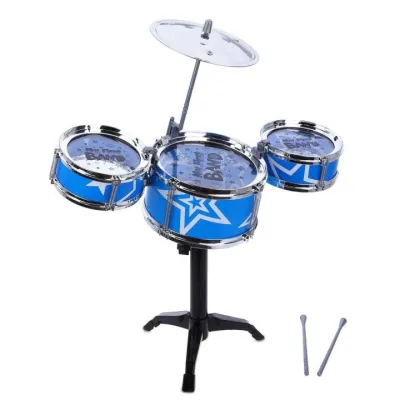
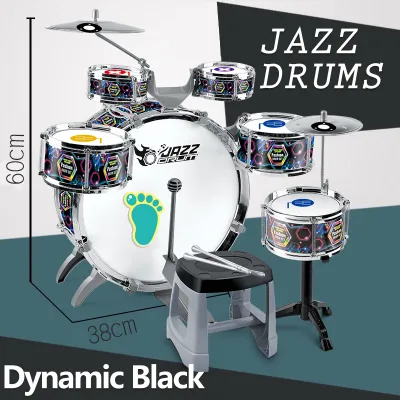
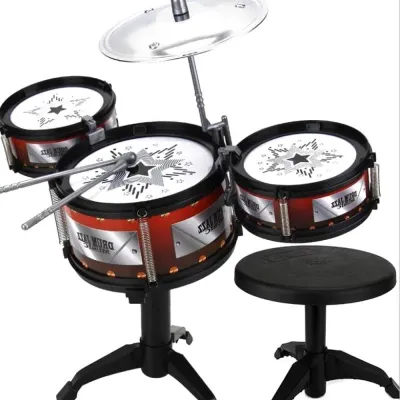
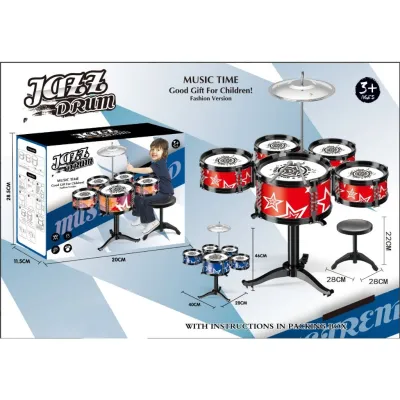
Prices are valid at publication and may change. Please refer to the product page for the latest price.
However, if space and noise are not constraints—such as in a detached suburban home with a dedicated garage or basement—an acoustic drum set offers an unmatched playing experience. Hitting a physical drumhead teaches you the nuances of dynamic control, stick rebound, and rimshot techniques that are difficult to replicate fully on budget-friendly electronic pads. The physical vibration of the bass drum and the natural wash of brass or bronze cymbals provide immediate sensory feedback, helping you develop a stronger sense of touch and expression from day one.
If you do start on an electronic kit, keep in mind that transitioning to an acoustic kit later will require some adjustment. Electronic pads are typically smaller and positioned closer together than acoustic drums, which can affect your muscle memory and spatial awareness. Furthermore, because electronic modules automatically generate a balanced sound regardless of how cleanly you strike the pad, transitioning to an acoustic kit will require you to focus more on your physical striking technique to achieve a consistent, pleasing tone.
Key Features to Evaluate in a Beginner Drum Set
When evaluating an acoustic starter kit, the wood species used to construct the drum shells plays a significant role in both the instrument’s tone and its durability. Entry-level drum sets are commonly constructed from poplar, basswood, or mahogany laminates. Poplar and basswood are lightweight, cost-effective woods that produce a soft, warm tone with a balanced high and mid-range frequency response. In the Philippines’ tropical climate, high humidity levels can cause wood to expand, warp, or split if the shells are poorly constructed. When inspecting a kit, look for smooth, sealed interior shell walls and clean, even bearing edges where the drumhead meets the wood.

The type of drumheads included with a starter kit also affects the initial sound quality. Most beginner packages come with thin, single-ply clear heads. While these are functional for initial practice, they tend to produce a bright, ringing sound with excessive overtones that can be difficult to tune out. Upgrading to coated drumheads, which feature a thin textured spray on the surface, can instantly warm up the tone of a budget kit, providing a more focused sound with controlled sustain.
Cymbals are another critical component of any starter package. Most all-in-one beginner drum sets include a basic pair of hi-hats and a crash or crash-ride cymbal made of brass. Brass cymbals are highly durable and resistant to cracking under heavy hits, making them suitable for beginners learning basic stick control. However, they produce a bright, tinny, and somewhat harsh sound. As your ears develop and your playing style matures, upgrading to cymbals made of bronze alloys (such as B8 or B20 bronze) will dramatically improve the musicality and warmth of your overall setup.
Finally, do not overlook the quality of the hardware, which includes the stands, pedals, and mounting brackets. A beginner kit must have sturdy, double-braced legs on all stands to prevent them from wobbling or tipping over during energetic practice sessions. The lug tension screws, which hold the drumheads in place, should turn smoothly without binding, and the hoops should be perfectly round to ensure stable tuning. A flimsy bass drum pedal with a weak spring will hinder your foot technique, so look for a pedal with a solid base plate and an adjustable spring tension system.
Sizing and Hardware: Matching the Kit to the Player
Drum sets are not one-size-fits-all instruments, and choosing a kit that matches the player’s physical size is essential for comfortable, injury-free practice. Junior drum kits, which typically feature a 16-inch bass drum and smaller toms, are designed specifically for children under the age of nine. For teenagers and adults, a standard full-sized kit with a 20-inch or 22-inch bass drum is the industry standard. If you have limited floor space but still want an acoustic experience, compact or “bop” kits with an 18-inch bass drum offer a smaller footprint without sacrificing standard hardware compatibility.
The drum throne, or stool, is arguably the most critical piece of hardware in your setup, yet it is frequently overlooked. Playing drums requires constant balance and core stability, as both of your feet are actively operating pedals. A high-quality throne must be height-adjustable, feature a thick, supportive cushion, and have a sturdy locking mechanism. Sitting at the correct height—where your thighs are angled slightly downward from your hips—prevents lower back strain and allows your ankles to move freely for faster, more controlled pedal work.
When browsing starter kits, you will encounter different piece counts, with 5-piece and 4-piece configurations being the most common. In drum terminology, the “piece count” refers only to the number of wooden drum shells (typically a snare drum, a bass drum, and three toms for a 5-piece kit), excluding the cymbals and hardware. A standard 5-piece configuration is highly recommended for beginners because it matches the layout used in most music schools, instructional books, and practice studios. A simpler 4-piece kit (with only one rack tom and one floor tom) is also a viable option, as it simplifies the setup process and encourages you to focus on fundamental rhythms rather than complex tom fills.
To ensure a comfortable playing posture, check the adjustability of the tom mounts and cymbal stands. Tom mounts that use a ball-and-socket joint offer infinite angle adjustments, making it much easier to position the drums within easy reach. Cymbal stands with geared or toothless tilters allow you to angle your cymbals slightly toward you, preventing you from striking the sharp edges of the metal, which can damage your drumsticks and cause the cymbals to crack prematurely.
Where to Buy and How to Verify Authenticity in the Philippines
To ensure you are purchasing a genuine, high-quality instrument, it is always best to buy from authorized music retailers and established local distributors. Visiting a physical showroom in major commercial districts allows you to sit behind the kits, test the physical responsiveness of the pads or heads, and hear the acoustic projection in person. Showroom staff can also provide valuable guidance on assembly and tuning, which can save you hours of frustration when setting up your kit at home.
If you prefer the convenience of shopping on online marketplaces, you must take extra precautions to verify the seller’s credentials. Look for official brand flags, authorized distributor badges, and high seller ratings. Always read the customer reviews carefully, paying close attention to photos uploaded by previous buyers to verify that the packaging and product match the official brand specifications. Additionally, confirm the seller’s return policy and check if they offer a local warranty, which is particularly important for electronic drum modules that can be sensitive to voltage fluctuations or power surges.
Before finalizing your purchase, carefully read the product description to verify the complete list of package inclusions. Some online listings may feature photos of a complete drum set but are actually selling a “shell pack,” which includes only the wooden drums and excludes the cymbals, stands, pedals, and throne. A true beginner package should explicitly state that it includes all necessary hardware, a bass drum pedal, a drum throne, and at least a basic set of hi-hat and crash cymbals.
Be highly suspicious of unbranded drum sets offered at extremely low prices on online marketplaces. These generic kits often use low-grade, uncured wood that easily warps in humid tropical conditions, leading to shells that can no longer hold their tune. They also tend to feature thin, single-braced hardware made of soft metals that strip or bend under normal playing pressure. Investing a bit more in a reputable, entry-level brand ensures that replacement parts, such as extra tension rods or matching tom brackets, will be easily accessible if anything breaks.
Essential Accessories to Complete Your Starter Setup
Most beginner drum packages do not include every single item you need to start playing immediately, so you will need to budget for a few essential accessories. First among these is a selection of drumsticks. Drumsticks are categorized by numbers and letters, with 5A being the most versatile standard size for beginners. Made typically of hickory, 5A sticks offer a balanced weight and thickness suitable for a wide range of musical genres. If you have smaller hands or prefer a lighter touch, 7A sticks are thinner and easier to control, while heavier 2B sticks are ideal for building hand strength and playing louder rock styles.
Hearing protection is an absolute necessity for anyone practicing on an acoustic drum set. Regular exposure to the high-decibel sound of acoustic drums and cymbals can cause permanent hearing damage and tinnitus over time. High-fidelity earplugs designed specifically for musicians are an excellent investment, as they reduce the overall volume to safe levels without muffling the high frequencies, allowing you to hear the tone of your drums clearly. For quiet practice away from the kit, a rubber practice pad is indispensable for practicing rudiments, hand speed, and stick control without making any noise.
Another essential accessory is a dedicated drum rug. When you play, the forward force of your bass drum pedal and hi-hat pedal will cause the entire kit to slowly slide away from you on smooth surfaces like tile, laminate, or polished wood—a phenomenon known as “hardware creep.” Placing a low-pile carpet or a specialized non-slip drum rug underneath your entire setup keeps the stands firmly in place and protects your home’s flooring from being scratched by metal spurs and pedal clamps.
Finally, ensure you have a standard drum key and basic maintenance tools on hand. A drum key is a small, inexpensive metal tool used to tighten or loosen the tension rods around the drum hoops, allowing you to tune the drumheads to your desired pitch. Keeping a small bottle of light machine oil to lubricate the moving parts of your bass drum pedal and hi-hat stand will keep your hardware operating smoothly and quietly, preventing annoying squeaks during your practice sessions.
Frequently Asked Questions (FAQ)
Can I upgrade a beginner drum set later?
Yes, beginner drum sets are highly customizable, and upgrading individual components is a cost-effective way to improve your sound as your skills progress. The most impactful upgrades you can make are replacing the stock drumheads with high-quality aftermarket heads and replacing basic brass cymbals with professional bronze cymbals. You can also upgrade to a smoother, heavy-duty bass drum pedal or add higher-quality hardware stands over time. The wooden shells of an entry-level acoustic kit can last for many years and sound surprisingly good if they are fitted with quality heads and tuned properly.
How much should I budget for a complete beginner drum set?
When planning your budget, it is helpful to categorize starter kits into distinct tiers. Entry-level acoustic and electronic packages from reputable brands generally range from basic budget setups to more robust mid-tier configurations. When calculating your total investment, remember to factor in the cost of essential accessories that may not be included in the main box, such as a sturdy drum throne, high-fidelity hearing protection, a non-slip drum rug, extra drumsticks, and potential shipping fees for heavy, oversized packages. Investing in a complete, reliable setup from the start prevents unexpected costs and ensures a smoother learning experience.
Community discussion
Share your experience or ask a question. Comments are reviewed before publication.