
Personal growth is rarely a one-size-fits-all journey. While global bestsellers offer foundational psychological principles and productivity hacks, they often operate under assumptions that do not align with the realities of daily life in the Philippines. Local self-help books written by Filipino authors bridge this gap, offering tailored strategies that respect local cultural nuances, economic conditions, and societal expectations. By focusing on the unique challenges of the local landscape, these books provide actionable paths to self-improvement that are both realistic and deeply relatable.
Understanding the specific environment in which you live, work, and build relationships is crucial for any self-improvement effort. A strategy that works perfectly in a highly individualistic Western society might falter when applied within a close-knit, family-oriented Filipino household. Choosing literature written by authors who share your cultural background ensures that the advice you receive accounts for these interpersonal dynamics, local financial structures, and regional workplace realities.
Why Local Context Matters in Personal Development
The primary strength of local self-help literature lies in its deep cultural resonance. Filipino society is built on complex interpersonal values such as utang na loob (debt of gratitude), pakikisama (harmony or conformity), and strong familial obligations. Western self-help often champions absolute individualism and the boundary-setting that prioritizes the self above all else. While personal boundaries are important, implementing them too rigidly within a traditional Filipino family can lead to severe isolation or domestic conflict. Local authors understand these delicate dynamics and offer frameworks to pursue personal ambitions while still honoring familial respect and community harmony.
Products mentioned in this guide

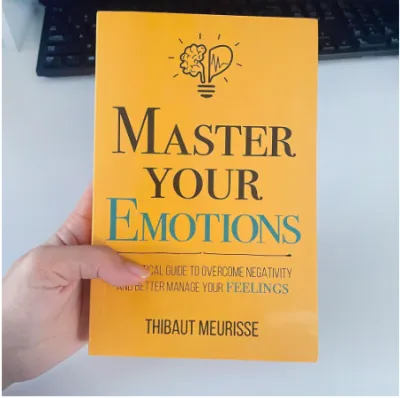
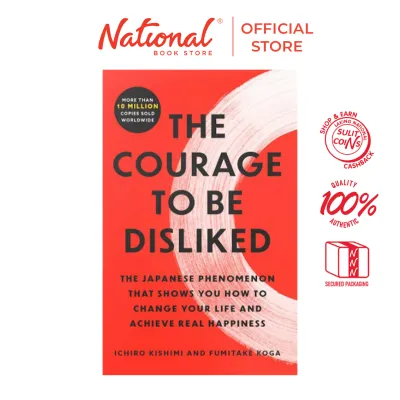
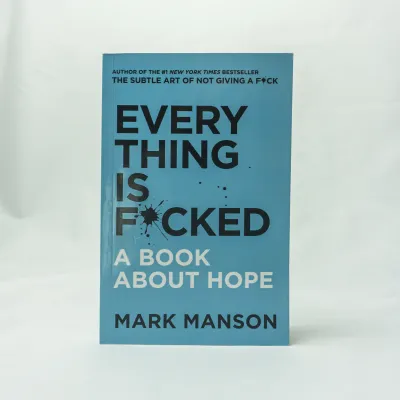


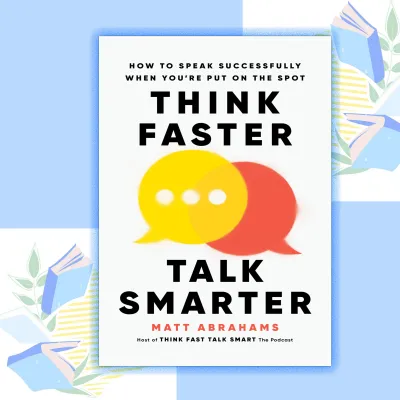

Prices are valid at publication and may change. Please refer to the product page for the latest price.
In addition to cultural values, local books address highly specific scenarios unique to the domestic landscape. Navigating the daily commute in major metropolitan areas, managing a career within local corporate hierarchies, or stretching a budget in Philippine pesos (₱) amidst local inflation are challenges that foreign authors simply cannot address. A local financial guide, for instance, will speak directly to the realities of saving on a starting salary in Manila or Cebu, factoring in the common expectation to contribute to household expenses or support younger siblings’ education. This localized approach transforms abstract advice into practical, step-by-step instructions that readers can implement immediately.
The linguistic style of Filipino self-help authors also plays a vital role in how effectively readers internalize advice. Many local writers utilize a conversational blend of English and Filipino, often referred to as Taglish, alongside local idioms and cultural humor. This accessible language strips away the clinical or overly academic tone found in some international publications, making complex psychological concepts feel like a supportive conversation with a trusted mentor. When advice is delivered through familiar humor and shared cultural references, it reduces the cognitive barrier to learning and makes the process of personal growth feel less intimidating.
How to Evaluate and Choose Local Self-Help Books
Selecting the right self-help book requires a critical look at the author’s background and professional credentials. With the rise of self-publishing and digital content creation, anyone can write and distribute a book. To ensure you are receiving sound advice, research the author’s academic background, professional certifications, or proven track record in their respective field. For instance, a book on mental health and emotional resilience should ideally be written by a licensed psychologist, a practicing counselor, or an academic researcher. Similarly, career and financial advice should come from individuals with verified experience in corporate leadership, financial planning, or successful local entrepreneurship.

While aggregate star ratings on online marketplaces can provide a quick snapshot of a book’s popularity, they rarely tell the whole story. To evaluate a book’s true value, seek out detailed, qualitative reviews from local reading communities, literary blogs, or dedicated book forums. Look for feedback that explains how the book helped the reader, what specific chapters were most impactful, and whether the advice was practical or merely motivational. Authentic reviews often highlight both the strengths and limitations of a book, helping you determine if the content aligns with your specific needs.
The reputation of the publisher is another strong indicator of a book’s overall quality. Established local publishing houses—such as university presses, national book distributors, and specialized independent publishers—employ rigorous editorial processes. These publishers ensure that the manuscript undergoes thorough fact-checking, structural editing, and proofreading. A well-edited book presents its ideas in a logical, cohesive manner, saving you the frustration of navigating repetitive arguments, grammatical errors, or poorly organized chapters that often plague unedited self-published works.
Before finalizing your purchase, take advantage of content previews. Whether you are browsing in a physical bookstore or shopping online, take a few minutes to read the table of contents, the introduction, and perhaps the first few pages of a chapter. This preview allows you to assess the author’s tone and writing style. A book might contain excellent information, but if the writing style feels dry, overly aggressive, or patronizing, you are less likely to finish reading it. Ensure the author’s approach matches your preferred learning style and addresses your current life stage.
Key Personal Growth Themes in Filipino Literature
Filipino self-help literature generally clusters around a few core themes that reflect the primary aspirations and pressures of local readers. Rather than focusing solely on abstract philosophical concepts, local authors tend to write highly practical guides aimed at solving immediate, real-world problems. Understanding these key themes can help you narrow down your choices and find the exact resources that match your current personal development goals.
Career Navigation and Workplace Dynamics
Thriving in the local professional landscape requires more than just technical skills; it demands a deep understanding of office culture and interpersonal dynamics. Local career guides focus heavily on navigating hierarchical workplace structures, managing relationships with superiors, and handling the nuances of pakikisama without compromising your professional integrity. These books offer invaluable advice on how to communicate assertively yet respectfully in a high-context culture where direct confrontation is often discouraged.
Furthermore, these resources frequently address the realities of career transitions within the domestic market. Whether you are a fresh graduate looking to land your first job, a corporate employee hoping to transition into freelance digital work, or an aspiring entrepreneur wanting to launch a small business, local authors provide step-by-step roadmaps. They offer insights into local networking practices, understanding domestic industry trends, and building professional resilience in an evolving job market.
Financial Literacy and Wealth Building
Financial self-help is one of the most popular genres in the Philippines, driven by a growing collective desire for financial independence and security. Local financial books are highly effective because they are tailored to domestic economic realities. They provide practical budgeting frameworks designed for local income brackets, helping readers manage their daily expenses while saving for future goals. These guides steer clear of generic global advice and instead focus on local investment vehicles such as Pag-IBIG MP2, retail treasury bonds, local mutual funds, and the Philippine Stock Exchange.
Crucially, local financial authors address the deep-seated cultural behaviors that influence how money is spent and shared. They tackle the financial pressures unique to the Filipino family structure, such as the “breadwinner tax” and the expectation to provide financial support to extended family members. By offering compassionate yet firm strategies for setting financial boundaries, these books help readers navigate the delicate balance between helping loved ones and securing their own financial future. They also address common local spending habits, helping readers identify and curb impulsive purchases in a highly digital retail environment.
Mental Health and Family Relationships
The intersection of mental well-being and family life is a vital area of focus in modern Filipino literature. For many years, mental health discussions were heavily stigmatized or dismissed within local communities. However, contemporary local authors are actively working to de-stigmatize these conversations by providing accessible, culturally sensitive resources on stress management, anxiety, and burnout. These books validate the emotional struggles of readers while offering practical coping mechanisms that respect local realities.
A significant portion of this literature is dedicated to helping readers build healthier relationships within their families. Because Filipino families are often highly interconnected, establishing personal boundaries can be perceived as a sign of disrespect or a lack of gratitude. Local authors offer gentle, constructive communication frameworks that allow readers to protect their mental peace, manage parental expectations, and resolve domestic conflicts without fracturing important family ties.
What to Check Before Buying and Reading
Before purchasing a local self-help book, it is essential to verify the available formats and ensure they are compatible with your reading preferences and devices. While physical books remain highly popular for their tactile experience, digital formats like e-books and audiobooks offer convenience and portability. If you prefer digital reading, check the file format (such as EPUB or PDF) and ensure your e-reader, tablet, or smartphone supports it. Be aware of any Digital Rights Management (DRM) restrictions that might prevent you from transferring the book across different devices.
Always confirm the primary language and the specific edition of the book before finalizing your order. Local self-help books are written in English, Filipino, or Taglish. Choose the format that feels most natural to you, as ease of reading directly impacts how well you absorb and apply the concepts. Additionally, verify that you are purchasing the most recent edition. This is particularly important for financial and career guides, where older editions may contain outdated investment regulations, tax laws, or market statistics that are no longer accurate in 2026.
To support local authors and ensure you receive a complete, high-quality product, always purchase from authorized retailers. The market is unfortunately flooded with pirated physical books and unauthorized digital scans. These counterfeit copies are often riddled with missing pages, illegible text, low-quality binding, and formatting errors that disrupt your reading experience. Purchase your books directly from established brick-and-mortar bookstores, official publisher websites, or verified brand stores on online marketplaces.
Finally, familiarize yourself with the retailer’s return and refund policies. Despite careful handling, physical books can occasionally arrive with manufacturing defects, such as inverted pages, binding failures, or water damage sustained during shipping. Digital files can sometimes become corrupted during the download process. Knowing the return window and the required steps to claim a replacement or refund ensures a smooth and risk-free purchasing experience.
Frequently Asked Questions (FAQ)
Are Filipino self-help books available in audiobook format?
Yes, though the availability of local self-help books in audiobook format is still growing compared to physical and e-book options. Several prominent local publishers and independent authors have begun partnering with global audiobook platforms and local digital distributors to release audio versions of their most popular titles. To verify if a specific book has an authorized audio version, check the official website of the publisher or search reputable global digital audio stores. Avoid downloading unauthorized audio recordings from unverified online platforms, as these are often incomplete and violate copyright laws.
How can I find local self-help book recommendations from trusted communities?
Finding reliable recommendations starts with connecting with established literary communities. You can explore local book clubs, university reading lists, and independent bookstore curation lists, which often highlight high-quality local literature. Online platforms like Goodreads host dedicated groups focused on Philippine literature where members share detailed reviews and personal recommendations. Additionally, following established local literary critics, academic journals, and reputable lifestyle publications that regularly feature book reviews can help you discover impactful titles that align with your personal growth goals.
Do local self-help books apply to Filipinos living abroad?
Absolutely. While some specific chapters on local tax laws, domestic investment vehicles, or regional job markets may require adaptation to your host country, the core psychological, relational, and cultural advice remains highly relevant. Overseas Filipino Workers (OFWs) and members of the diaspora often face unique emotional challenges, such as managing long-distance family relationships, navigating cultural transitions, and dealing with intense financial expectations from relatives back home. Local self-help books provide a comforting connection to home while offering practical frameworks to manage these specific pressures in a culturally sensitive way.
Community discussion
Share your experience or ask a question. Comments are reviewed before publication.