
Establishing a consistent daily prayer routine often requires the right spiritual companion. For Catholics in the Philippines, finding a devotional book that aligns with Church teachings, fits your daily schedule, and is readily available in local Christian bookstores can significantly deepen your spiritual life. Rather than relying on fleeting trends, this guide focuses on how to identify enduring, doctrinally sound devotionals, understand the classic categories of Catholic prayer books, and verify the quality and authenticity of your purchase before bringing it home.
By taking a structured approach to selecting your devotional, you ensure that your daily prayer time remains focused, reverent, and spiritually nourishing. Whether you are looking for a quick morning reflection before a busy commute or a deep, meditative study for your evening prayer space, the right book acts as a reliable guide.
How to Choose the Right Daily Devotional for Your Prayer Life
Selecting the ideal devotional book begins with an honest assessment of your daily schedule and personal prayer habits. If you only have ten to fifteen minutes during a busy morning commute on public transit, a devotional offering brief, structured scripture verses and a single-paragraph reflection is highly practical. Conversely, if you set aside thirty minutes to an hour in the evening for quiet contemplation, you may prefer a book designed for Lectio Divina, which guides you through deep reading, meditation, prayer, and action.
Products mentioned in this guide
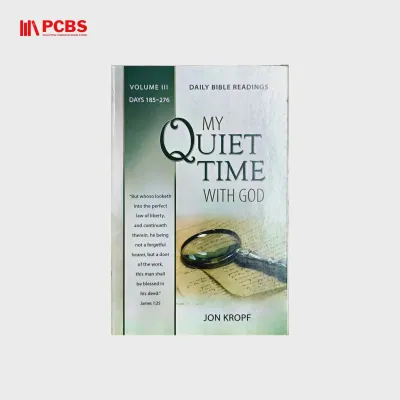
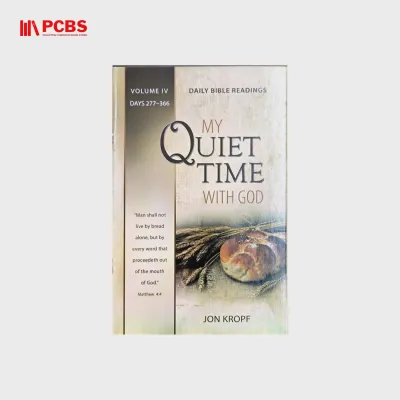
Prices are valid at publication and may change. Please refer to the product page for the latest price.
Your current spiritual maturity and theological preferences should also guide your choice. Beginners often benefit from structured guides that explain basic Catholic doctrines and offer simple, practical prompts for daily life. More seasoned readers might seek out theological treatises, writings of the Church Fathers, or books focusing on specific virtues, spiritual struggles, or contemplative prayer methods.
Physical format is another critical consideration, especially when factoring in the local environment. For those who pray on the go, a pocket-sized, lightweight paperback is ideal, though it must be protected from the high humidity and sudden downpours common in the Philippines. If your prayer space is a dedicated home altar, a larger, leather-bound, or hardcover edition with large print and ribbon markers provides a more permanent, reverent feel.
Finally, evaluate your budget against the book’s binding durability, recognizing that daily use requires robust construction. While a budget-friendly paperback might seem appealing initially, its spine may crack or pages may fall out after a few months of daily handling. Investing in a sewn binding rather than a glued binding ensures the book lies flat and lasts for years. Look for acid-free paper that resists yellowing in tropical climates, ensuring your devotional remains readable for years to come.
Classic Categories of Catholic Devotional Books to Look For
Navigating the shelves of a religious bookstore can be overwhelming without a clear classification system. Catholic devotional literature generally falls into three distinct categories: liturgical prayer books, traditional spiritual classics, and modern thematic reflections. Each category serves a different purpose in your spiritual life, offering varying levels of structure, historical depth, and contemporary relevance.

Daily Missals and the Liturgy of the Hours
Liturgical prayer books connect your personal prayer directly to the universal Church’s daily worship. A daily missal contains the readings, prayers, and antiphons for the Mass of each day, allowing you to prepare for or reflect on the Eucharistic celebration. In contrast, a breviary or “Christian Prayer” book contains the Liturgy of the Hours, which is the official, structured prayer of the Church recited at specific times throughout the day, consisting of psalms, canticles, scripture readings, and prayers.
When selecting a liturgical book in the Philippines, it is crucial to verify that the text aligns with the liturgical calendar and translations approved by the local ecclesiastical authority. For daily missals, check that the scripture translations match those used in local parishes, which typically rely on approved English translations. Additionally, ensure the calendar includes local feasts and memorials specific to the Philippines, such as the feasts of San Lorenzo Ruiz and San Pedro Calungsod, which may not appear in standard international editions.
Traditional Spiritual Classics
Traditional spiritual classics are timeless works written by recognized saints, theologians, and doctors of the Church that have guided generations of Catholics. Books like The Imitation of Christ by Thomas à Kempis, Introduction to the Devout Life by St. Francis de Sales, or the writings of St. Therese of Lisieux offer profound psychological and spiritual insights that remain deeply relevant. Because these texts are in the public domain, they are widely published and readily available in most Catholic bookstores.
However, because many editions exist, you must carefully evaluate the translation and editorial quality before purchasing. Look for editions that include modern English translations that preserve the original theological depth without using overly archaic language that might hinder your daily reflection. Helpful editorial features, such as introductory essays, historical context notes, and reflective questions at the end of each chapter, can significantly enhance your understanding and application of these classic teachings.
Modern Reflections and Themed Devotionals
Modern reflections and themed devotionals are designed to address the specific challenges of contemporary life, often tailoring their content to particular audiences, such as youth, parents, professionals, or those experiencing grief. These books typically combine daily scripture passages with personal anecdotes, practical applications, and short prayers. They are highly accessible and can help bridge the gap between ancient faith and modern daily struggles.
Because contemporary books do not have centuries of tradition to guarantee their orthodoxy, you must exercise greater diligence when choosing them. Always check the author’s credentials, theological background, and whether the book has received official ecclesiastical approval. Ensure that the personal anecdotes and modern commentary do not overshadow the scriptural foundation, but rather serve to illuminate and apply the timeless truths of the Catholic faith.
Where to Source Catholic Books in the Philippines
Finding authentic Catholic devotional books in the Philippines is relatively straightforward if you know where to look, as the country has a rich network of religious retail spaces. Physical bookstores attached to major parishes, national shrines, and diocesan centers are excellent starting points. Shrines such as the National Shrine of Our Mother of Perpetual Help in Baclaran, the Manila Cathedral in Intramuros, or diocesan offices in major cities often house well-stocked bookstores managed by religious congregations or diocesan staff. These locations carry curated selections of doctrinally sound books, liturgical guides, and devotional materials.
Catholic universities and colleges across the country also frequently operate campus bookstores that stock academic and spiritual literature. These shops often carry high-quality translations of spiritual classics and contemporary theological works that might be harder to find in general retail outlets. Visiting these physical locations allows you to handle the books, inspect their print quality, and verify their contents before making a purchase.
If you prefer online shopping, navigate online Christian bookstore platforms with caution. To avoid counterfeit prints, unauthorized reproductions, or poor-quality scans, purchase directly from the official online storefronts of established Catholic publishers and distributors in the Philippines. Many religious congregations operate their own dedicated e-commerce websites or official stores on major online marketplaces. Always verify the seller’s identity and look for official badges or direct links from the publishers’ official social media pages.
Additionally, keep an eye on local parish bulletins, diocesan communication channels, and social media pages for announcements regarding religious book fairs or parish-sponsored book drives. These events often bring together multiple Catholic publishers and distributors in one venue, offering a wide selection of devotionals, often at discounted prices, while ensuring that the materials sold are fully authorized and doctrinally sound.
What to Verify Before Purchasing a Devotional
Before finalizing your purchase of any Catholic devotional book, performing a quick quality and doctrinal check is essential to ensure the book is a worthy investment for your spiritual life. The most critical step is locating the Nihil Obstat and Imprimatur declarations, usually printed on the copyright page. The Nihil Obstat indicates that a diocesan censor has reviewed the text and found no doctrinal or moral errors. The Imprimatur is the official authorization by a bishop permitting the book’s publication. These declarations provide peace of mind that the reflections and prayers align with Catholic Church teachings.
Next, check the publication date and the specific edition of the book. For liturgical devotionals, using an outdated edition can lead to confusion, as scripture translations, feast days, and liturgical rubrics can change over time. Ensure the book uses the current translations approved for liturgical use in your region. For classic texts, check if the edition is an abridged version or a full translation, as some publishers condense classic works, which may omit valuable spiritual context.
Finally, physically inspect the book’s construction to ensure it can withstand the demands of daily prayer and the local climate. In the Philippines, high humidity can cause cheap paper to warp and low-quality glue bindings to dry out and crack. Look for books with sturdy, sewn bindings that allow the pages to lie flat without putting pressure on the spine. Check the opacity of the paper; thin, low-grade paper often suffers from “ghosting,” where the text from the reverse side bleeds through, making reading difficult under soft prayer-corner lighting. A durable cover, whether a thick paperback with a protective coating or a synthetic leather hardcover, will protect your devotional from daily wear and environmental moisture.
Frequently Asked Questions (FAQ)
Do Catholic devotionals need an Imprimatur to be used for personal prayer?
While an Imprimatur is not strictly mandatory for every book used in private, personal prayer, it serves as a highly recommended safeguard. Official liturgical texts, such as missals and breviaries, must have formal ecclesiastical approval to ensure they conform to the universal liturgy. For private devotionals, journals, and personal reflections, the absence of an Imprimatur does not make the book forbidden, but having one guarantees that the content is free from doctrinal and moral errors. If you are using a book without an Imprimatur for your daily prayer, exercise personal discernment and ensure its reflections align with scripture, the Catechism, and established Church teachings.
Can I use a daily missal from a previous year for my current prayer routine?
Using a daily missal from a previous year for your current daily prayer routine is not recommended if your goal is to follow the active liturgical calendar. Because the Catholic liturgical calendar relies on movable feasts and a rotating multi-year cycle of Sunday and weekday readings, the dates and readings in an outdated missal will not align with the daily Mass readings of the current year. However, an older missal remains a valuable resource for general scriptural meditation, historical study, or personal reflection on the Sunday readings, provided you do not rely on it to follow the live daily liturgy of the Church.
Community discussion
Share your experience or ask a question. Comments are reviewed before publication.