
Finding the right path to financial freedom in the Philippines often begins with a single, relatable spark. For many readers, that spark is a highly accessible guide like the Diary ng Pulubi book, which uses humor, everyday language, and realities to address the pain of living paycheck to paycheck. While that specific title has become a household name for those trying to break the cycle of overspending, navigating the journey from financial survival to true wealth building requires a broader, more structured library. The local publishing landscape offers a rich variety of voices, but finding the books that will actually transform your financial reality requires looking beyond a single bestseller.
This guide does not simply list titles that might go out of print or become outdated. Instead, it provides a comprehensive framework to help you identify, evaluate, and select authentic local financial literature tailored specifically to the economic realities of the Philippines. By understanding how to assess author credibility, match books to your current financial stage, and avoid the rampant counterfeit editions in the market, you can build a personalized reading list that serves as a practical roadmap for your financial transformation.
Defining the Genre: From Survival to Wealth Building
Filipino financial literature has undergone a significant transformation over the past few decades. Historically, local books on money focused almost entirely on basic survival, extreme budgeting, and escaping immediate debt. These guides spoke directly to the daily struggle of making ends meet in a developing economy, offering practical tips on how to stretch a limited salary. Over time, however, the genre has expanded to address proactive wealth creation, investment strategies, and long-term financial resilience. Today’s readers can find books that bridge the gap between surviving day-to-day and building generational wealth.
Products mentioned in this guide
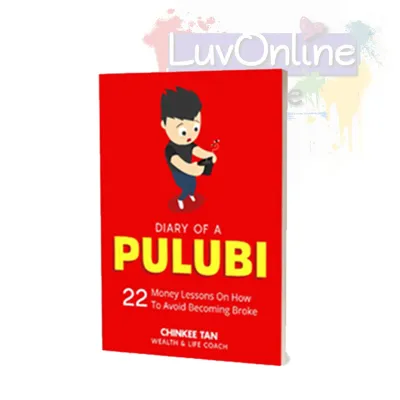
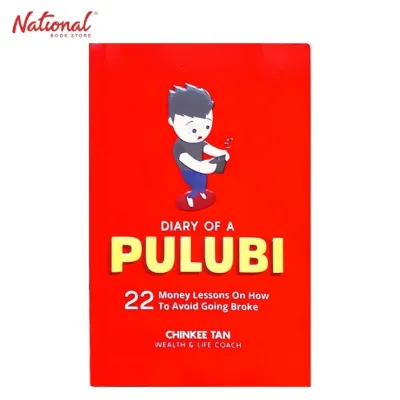
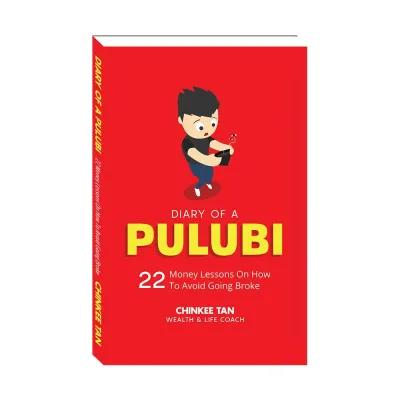


Prices are valid at publication and may change. Please refer to the product page for the latest price.
This evolution is deeply tied to the unique cultural nuances of Filipino financial behavior. Unlike Western personal finance guides that assume an individualistic lifestyle, local literature must navigate complex family dynamics. Authors frequently address the financial pressures of the sandwich generation, where working adults support both their children and their aging parents. Concepts like family obligations, the expectation of financial assistance during emergencies, and the cultural pressure to spend on social gatherings are central themes. A good local financial book does not ignore these realities; instead, it integrates them into practical wealth-building strategies.
To choose the right book, you must also distinguish between the different sub-genres available on the shelves. Some books are primarily motivational memoirs, designed to shift your mindset from scarcity to abundance through inspiring personal stories of overcoming poverty. Others are highly technical guides that detail the mechanics of local investment vehicles, tax laws, and business registration. Understanding whether you need an emotional wake-up call, a mindset shift, or a step-by-step technical manual will help you select the literature that matches your immediate needs.
Core Criteria for Evaluating Filipino Financial Books
With the rise of self-publishing and digital distribution, the market is flooded with financial advice, making critical evaluation essential before you invest your time and money. The first and most critical criterion is the credibility of the author. A reliable financial guide should be written by someone with a verifiable professional track record in the Philippine financial sector, entrepreneurship, or corporate leadership. Look for authors who have demonstrated long-term success in the local market rather than those who rely solely on social media popularity or unverified claims of quick wealth.

Contextual relevance is another non-negotiable factor when evaluating these books. The Philippine economic landscape has specific rules, tax structures, and investment opportunities that foreign personal finance books simply cannot address. A book is highly valuable if it explains how to utilize local government-backed savings programs, navigate the local stock market, or invest in domestic real estate. If a book offers broad, generic advice without explaining how to execute those steps within the local regulatory framework, its practical utility is severely limited.
Finally, look for actionability and clear structural design. The most practical financial self-help books go beyond mere inspiration to offer concrete tools you can use immediately. Check if the book includes practical worksheets, budgeting templates, step-by-step action plans, or end-of-chapter exercises. A book that guides you through calculating your personal net worth, listing your debts, or setting up your first emergency fund is far more valuable than one that merely tells you to save money without explaining the mechanics of how to do so.
Matching Book Themes to Your Current Financial Stage
Your financial journey is unique, and a book that is highly suitable for someone else might be entirely inappropriate for your current situation. To maximize the impact of your reading, you should match the theme of the book to your specific financial stage. If you are currently struggling with heavy debt, living paycheck to paycheck, or starting from zero, you need books focused on Stage 1: debt management and basic survival. These books offer immediate, practical strategies for negotiating debt, cutting unnecessary expenses, and establishing a basic budget that keeps you afloat during difficult times.
Once you have stabilized your immediate situation, you are ready for Stage 2: building a solid financial foundation. At this stage, your reading should focus on shifting your long-term financial mindset and establishing consistent saving habits. Look for books that explain how to build a robust emergency fund tailored to the volatile economic conditions of the Philippines, where sudden medical emergencies or natural disasters can quickly wipe out unprotected savings. These guides help you transition from a mindset of constant financial anxiety to one of deliberate, structured planning.
For those who have cleared their debts and secured an emergency fund, the focus shifts to Stage 3: local investing, entrepreneurship, and wealth multiplication. Books in this category should guide you through the complexities of growing your assets within the domestic market. Look for literature that explains the risks and rewards of local mutual funds, real estate, cooperative investments, or starting a small business in your community. Reading advanced investment guides before you have mastered basic budgeting can lead to costly mistakes, making a staged approach to your reading list highly beneficial.
How to Source and Verify Authentic Copies
The popularity of local financial self-help books has unfortunately made them prime targets for piracy, both in physical print and digital formats. Purchasing counterfeit books not only deprives local authors of their rightful earnings but also exposes you to poor-quality products that may have missing chapters, illegible text, or outdated information. To ensure you are reading authentic material, always purchase from established, authorized local bookstores, official publisher websites, or verified flagship stores on major online marketplaces.
When shopping online, look for the official verification badges of publishers and major bookstore chains. Be highly skeptical of listings that offer popular paperbacks at suspiciously low prices, such as ₱50 to ₱100, when the standard retail price is significantly higher. These cheap copies are almost always unauthorized reprints with low-quality paper, smudged ink, and weak binding that falls apart after a single reading. Authentic books are printed on durable paper designed to withstand the high humidity of tropical climates, ensuring your investment lasts for years.
If you prefer digital reading, only download ebooks from authorized global platforms or the official digital storefronts of local publishers. Avoid downloading unauthorized PDF files from social media groups or unverified file-sharing websites. These pirated digital copies are often poorly formatted, making them difficult to read on mobile screens, and they may contain outdated editions that feature obsolete financial advice. Verifying the source of your book guarantees that you receive the complete, accurate, and legally authorized content necessary for your financial education.
Frequently Asked Questions (FAQ)
Are English or Tagalog editions better for understanding local financial concepts?
The choice between English and Tagalog editions depends entirely on your personal learning style and how you connect with the material. Tagalog or conversational Taglish editions are exceptionally powerful for emotional resonance, as they use familiar cultural references, humor, and everyday scenarios that make financial struggles feel less intimidating. These editions are highly recommended for mindset-shifting books and basic budgeting guides.
On the other hand, English editions are often more practical when you are studying technical financial concepts, local investment vehicles, or corporate structures. Since the Philippine financial sector, banking systems, and legal frameworks primarily use English terminology, reading about these topics in English can make it easier to transition from the book to real-world applications, such as opening an investment account or reading financial statements. Before purchasing, check the publisher’s description or read a sample excerpt to ensure the language style matches your comfort level.
How can I verify if a book's financial advice is still relevant in the Philippines?
To verify the relevance of a book’s advice, start by checking the publication date or the edition number, which is typically found on the copyright page. Economic conditions, tax laws, and investment platforms in the Philippines can change rapidly, meaning advice written a decade ago may require adjustment today. For example, tax reform packages or the introduction of new digital banking platforms can significantly alter effective strategies for saving and investing.
If you are reading an older book, cross-reference its specific recommendations with current official guidelines from government institutions or reputable financial regulators. Check the official websites of the Bangko Sentral ng Pilipinas, the Securities and Exchange Commission, or the Bureau of Internal Revenue to confirm that the mentioned investment vehicles, tax rates, or regulatory requirements are still accurate. Using older books for general mindset and budgeting principles is perfectly fine, but always verify technical details before committing your hard-earned money.

Community discussion
Share your experience or ask a question. Comments are reviewed before publication.