
Navigating the world of personal and business finance begins with choosing the right educational resources. For beginners in the Philippines, finding the right financial management books requires balancing universal financial principles with local economic realities. While global bestsellers offer excellent psychological frameworks for wealth building, they often lack the practical steps needed to navigate local tax systems, government contribution programs, and domestic investment options.
Selecting the right reading material can feel overwhelming when faced with rows of generic advice on bookstore shelves or endless digital catalogs. To build a solid foundation, you must evaluate books based on their beginner accessibility, distinguish clearly between personal and business finance concepts, and verify that the editions you purchase are current and complete. This guide provides a practical framework to help you identify, evaluate, and source the most effective financial management books for your learning journey.
How to Evaluate if a Financial Book is Beginner-Friendly
An effective introductory financial book should simplify complex economic concepts rather than obscure them behind dense academic terminology. When evaluating a book’s accessibility, look closely at how the author explains fundamental terms like inflation, compound interest, and liquidity. If these concepts are introduced using everyday analogies and clear, real-world scenarios, the book is likely designed with beginners in mind. Authors with a background in public financial education or community coaching often excel at this teaching style.
Products mentioned in this guide



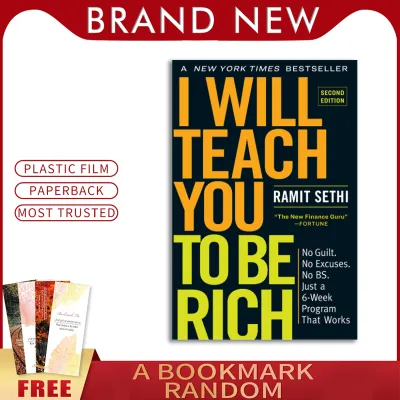

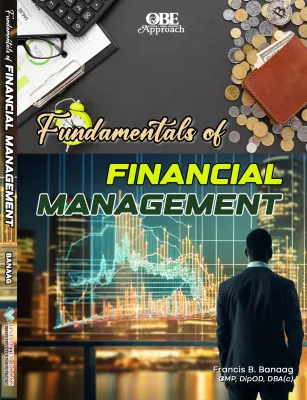
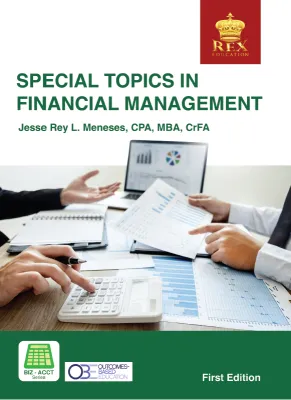
Prices are valid at publication and may change. Please refer to the product page for the latest price.
Actionable tools are another hallmark of a high-quality beginner’s guide. Reading passive theory rarely leads to behavioral change; you need books that bridge the gap between understanding and action. Look for titles that include fillable worksheets, monthly budget templates, debt repayment trackers, or step-by-step exercises. These interactive elements allow you to apply the concepts immediately to your own financial situation, turning abstract advice into a personalized financial plan.
The structural progression of the book also determines how easily you can absorb the material. A well-designed guide builds your knowledge systematically, starting with money psychology and basic cash flow tracking before moving on to debt elimination and emergency savings. Only after establishing these foundational pillars should the book introduce more complex topics like stock market investing, mutual funds, or real estate. Avoid books that jump straight into advanced trading strategies without first teaching you how to manage a basic household budget.
Finally, consider the visual layout and readability of the text. For readers balancing busy work schedules and long daily commutes, books that utilize bullet points, summary boxes, callout quotes, and simple diagrams are much easier to digest. A clean, modern layout allows you to scan key takeaways quickly and review important formulas or checklists without having to reread entire chapters.
Navigating Local Context vs. Global Financial Principles
When building your financial library, it is crucial to understand which topics require strictly localized knowledge and which ones rely on universal principles. Local context is absolutely essential when dealing with administrative, legal, and institutional systems. For example, books discussing retirement planning must address local systems like the Social Security System (SSS), the Government Service Insurance System (GSIS), and the Pag-IBIG Fund, particularly high-yield savings options like the MP2 program. Similarly, guides on tax compliance must align with the regulations of the Bureau of Internal Revenue (BIR), and investment chapters should focus on accessible domestic platforms and local banking products.

Conversely, universal financial principles remain constant regardless of geography. The mathematics of compound interest work the same way everywhere, just as the core concept of cash flow—ensuring your income exceeds your expenses—is a global truth. Asset allocation, risk diversification, and the psychological barriers to saving are fundamental concepts that apply whether you are managing your finances in Manila or anywhere else in the world. Global financial classics are highly valuable for mastering these high-level mindsets and behavioral habits.
To get the most out of your reading, adopt a strategy of pairing global mindset books with localized practical guides. Use global publications to reshape how you think about wealth, assets, and financial independence. Once you have adopted a wealth-building mindset, turn to local financial management books to learn the exact steps required to open a local brokerage account, register a small business with the proper local authorities, or utilize tax-advantaged savings vehicles available in the domestic market.
Adapting global advice to local realities also requires some translation of terms. When a global book recommends investing in low-cost index funds or treasury bonds, use your local guide to identify the nearest domestic equivalents, such as Unit Investment Trust Funds (UITFs) offered by local banks, local mutual funds, or retail treasury bonds issued by the national government. This dual approach ensures you benefit from world-class financial philosophy while executing your plans safely within the local regulatory framework.
Choosing Between Personal Finance and Business Management
Before purchasing a book, clearly define whether your primary goal is to organize your personal household finances or to manage the financial operations of a business. Personal finance books focus on individual and family stability. They address topics such as creating a household budget, eliminating high-interest consumer debt, building an emergency fund equivalent to three to six months of expenses, and planning for long-term personal goals like buying a home or funding retirement.
Business financial management, even for a micro-enterprise or a small online shop, requires an entirely different set of tools and principles. Business finance books focus on maintaining the health of a commercial entity. They cover essential topics such as separating personal and business funds, managing working capital, tracking inventory costs, reading basic balance sheets and income statements, and ensuring compliance with business taxes and payroll regulations.
Mixing these two categories can lead to significant financial confusion. For instance, applying personal budgeting rules directly to a business might cause you to underinvest in necessary growth, while treating personal cash flow with the complexity of corporate finance can make household budgeting unnecessarily tedious. Keeping these domains separate is critical, especially since mixing personal and business accounts is a primary reason why many small enterprises struggle to survive.
For most beginners, the ideal pathway is to master personal finance basics before transitioning to business management. Establishing a stable personal safety net ensures that if your business faces a temporary downturn, your household’s survival is not immediately threatened. Once your personal cash flow is stable and disciplined, you can confidently invest in business finance books to learn how to manage cash flow, negotiate with suppliers, and reinvest business profits systematically.
Essential Topics to Check in the Table of Contents
To ensure a financial management book is worth your time and investment, always perform a quick audit of its table of contents before buying. The first module to look for is cash flow tracking and realistic budget creation. The book should offer practical methodologies for categorizing expenses and adjusting spending habits. Avoid books that rely solely on restrictive, unrealistic budgeting advice; instead, look for chapters that teach you how to balance fixed living costs, variable expenses, and savings goals.
Next, verify that the book contains a dedicated section on debt management and credit health. A beginner-friendly guide must explain the difference between productive debt, such as a low-interest business loan, and destructive debt, such as high-interest credit card balances. It should outline proven debt reduction strategies, such as the debt snowball or debt avalanche methods, and explain how maintaining a good repayment history affects your access to future credit lines and bank loans.
An introductory book must also demystify the investment landscape. Look for chapters that guide you through assessing your personal risk tolerance before you commit any capital. The investment section should focus on long-term wealth accumulation through diversified portfolios, explaining the basics of mutual funds, exchange-traded funds, and digital banking deposit products. Be cautious of books that promise rapid wealth or focus heavily on speculative trading, as these are rarely suitable for beginners.
Finally, check for chapters covering basic tax compliance and financial protection. A comprehensive guide should introduce the concept of insurance—explaining how life, health, and property insurance protect your wealth from unexpected emergencies. It should also touch upon basic tax obligations, helping you understand how taxes impact your net income and how to keep simple records to make annual filing straightforward and stress-free.
Formats, Editions, and Where to Source Books
Choosing the right book format depends heavily on your daily routine, study habits, and learning preferences. Physical books are highly effective for active study, as they allow you to easily highlight key passages, write notes in the margins, and flip back and forth between worksheets and explanatory text. E-books offer unmatched portability and convenience, allowing you to carry an entire financial library on a single e-reader or tablet, which is ideal for reading during long commutes or travel.
Audiobooks are an excellent alternative for busy individuals who want to utilize passive time, such as during daily traffic or while performing household chores. However, because financial books often contain charts, formulas, and budgeting tables, audiobooks can sometimes be difficult to follow without accompanying PDF materials. If you choose an audiobook, verify whether the publisher provides a downloadable companion document containing all the visual aids and worksheets mentioned in the narration.
Before finalizing any purchase, always verify the publication year and edition notes of the book. Financial regulations, tax structures, and digital banking technologies evolve rapidly. A book published several years ago may contain outdated information regarding tax brackets, investment limits, or transaction fees. Checking the preface or publisher’s notes of a newer edition will help you determine if the content has been updated to reflect current laws and modern digital financial platforms.
To ensure you receive complete, accurate, and high-quality content, purchase your books only through authorized channels. These include major physical bookstore chains, official brand stores on reputable online marketplaces, or directly from the authors’ and publishers’ official websites. Avoid purchasing cheap, unauthorized photocopies or poorly scanned digital files from unverified online sellers. These pirated editions often suffer from missing pages, illegible charts, and critical printing errors that can lead to costly financial misunderstandings.
Frequently Asked Questions (FAQ)
Do I need to buy the latest edition of a financial book?
Whether you need the latest edition depends on the specific focus of the book. For books that deal primarily with money psychology, behavioral habits, and timeless wealth-building philosophies, older editions remain highly relevant and valuable because human behavior and core financial principles do not change. However, for books that cover tax laws, government contribution programs, investment platforms, or regulatory compliance, buying the latest edition is critical to ensure you are not relying on outdated rules or obsolete financial thresholds.
Are translated financial books effective for learning?
Translated financial books can be highly effective for improving comprehension, especially if you find complex economic concepts easier to grasp in your native language. However, it is important to ensure that the translation maintains the accuracy of technical financial terms. In the local context, many banking, investing, and tax processes are conducted primarily in English. When reading a translated book, make sure it retains or references the standard English financial terms alongside the translation so you can easily apply what you learn when interacting with local financial institutions.
Community discussion
Share your experience or ask a question. Comments are reviewed before publication.