
When deciding between the Fender Player, Professional, and American Ultra Telecaster series, the right choice depends entirely on your budget, playing style, and need for modern ergonomic upgrades. Choose the Player series if you want a reliable, budget-friendly workhorse with excellent modification potential. Choose the Professional series (often branded as American Professional II) if you need refined, gig-ready performance with classic aesthetics and upgraded factory components. Choose the American Ultra series if you prioritize premium modern playability, noiseless electronics, and advanced ergonomic contours, and have the budget to match.
Each tier represents a distinct step in Fender’s lineup, balancing traditional design with modern manufacturing. While all three share the iconic single-cutaway body shape and the classic 25.5-inch scale length, they cater to different levels of performance demands. Understanding these differences ensures you invest in an instrument that matches your musical goals and environmental conditions.
Understanding the Core Differences Across Telecaster Tiers
Fender structures its catalog around manufacturing origins, which directly influence production costs, quality control standards, and included accessories. The Player series is manufactured in Ensenada, Mexico, offering an accessible entry point into the Fender family. In contrast, both the Professional and American Ultra series are crafted in Corona, California, utilizing premium select woods, advanced electronics, and highly refined hardware. These American-made models typically command a higher price point, often scaling into six-figure territory in local currency, but they include premium protective cases rather than basic gig bags.
Products mentioned in this guide


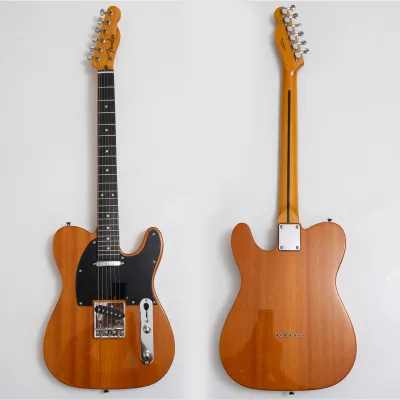
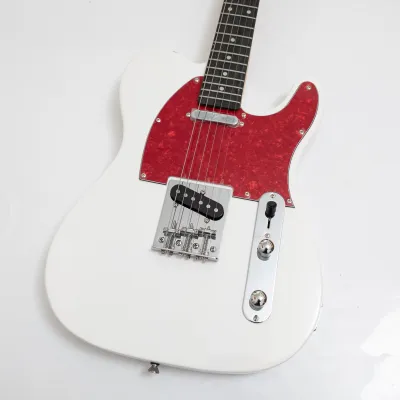

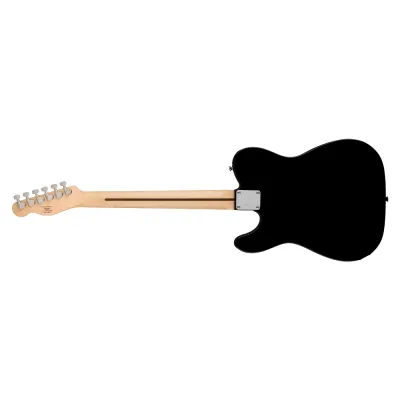
Prices are valid at publication and may change. Please refer to the product page for the latest price.
Despite the differences in origin, the fundamental DNA of the Fender Telecaster remains intact across all three tiers. Every model features the bolt-on neck construction, solid-body design, and standard scale length that have defined the instrument for decades. This consistency ensures that the signature clarity and sustain of a Telecaster are present regardless of the price point you choose.
Before purchasing, it is crucial to verify the exact sub-model name on the headstock or product listing. Fender frequently updates its product lines; for example, the older American Professional has been succeeded by the American Professional II, which features updated pickups and a sculpted neck heel. Checking the serial number prefix—such as “MX” for Mexican-made instruments or “US” for American-made models—on the official Fender database will help you confirm the exact production year and specifications.
Fender Player Telecaster: Evaluating the Accessible Workhorse
The Fender Player Telecaster serves as the modern standard for players seeking authentic Fender tone without a premium price tag. Standard specifications to verify on the spec sheet include a modern “C”-shaped maple neck, a 9.5-inch fretboard radius, and medium jumbo frets. This configuration offers a comfortable, familiar feel that accommodates both rhythm chord work and lead playing. The series is highly versatile, offering traditional dual single-coil (SS) setups, humbucker-equipped (HH) options, and versatile humbucker-single (HS) configurations.

For beginners, intermediate players, and gigging musicians on a budget, the Player series delivers dependable out-of-the-box performance. The Alnico 5 single-coil pickups provide the classic Telecaster bite and twang, making it suitable for country, indie rock, pop, and blues. Because the body routing and hardware dimensions follow standard Fender specifications, this series also serves as an exceptional platform for future modifications and hardware upgrades.
When inspecting a Player Telecaster in person or reviewing detailed seller photos, pay close attention to hardware and tuning stability. Verify that the six-saddle string-through-body bridge allows for precise individual string intonation. In tropical climates with high humidity, such as the Philippines, natural wood expansion can sometimes cause fret sprout, where the metal fret ends extend slightly past the fingerboard edge. Run your hand along the sides of the neck to check for smoothness, and ensure the sealed tuning machines turn smoothly without slipping.
Fender Professional Series: Assessing the Refined Standard
The American Professional II Telecaster represents the industry standard for working musicians who require a reliable, high-performing instrument for the stage and studio. Key upgrades in this series include V-Mod II single-coil pickups, which are custom-voiced for each position to deliver a balanced output with enhanced clarity. The neck features a Deep “C” profile with rolled fingerboard edges and a satin finish, providing a broken-in feel that reduces hand fatigue during long playing sessions.
This series strikes a practical balance between premium American craftsmanship and mid-tier pricing. When purchasing a Professional series model from an authorized dealer, it typically includes a deluxe molded hardshell case designed to protect the instrument from physical impact and environmental changes. The bridge is also upgraded to a top-load/string-through design with compensated brass “bullet” saddles, offering classic vintage aesthetics alongside improved intonation accuracy.
For studio tracking or frequent live performances, the Professional series offers noticeable tactile and tonal advantages over the Player tier. The inclusion of a treble bleed circuit ensures that your tone remains crisp and clear even when you roll back the volume knob. Additionally, the sculpted neck heel provides easier access to the upper frets, allowing for more expressive lead playing without obstruction.
Fender American Ultra Telecaster: Weighing Premium Modern Features
As Fender’s flagship production model, the American Ultra Telecaster is designed for players who demand cutting-edge performance, modern ergonomics, and absolute tonal precision. The most prominent design elements to verify on this model are the tapered neck heel and the compound modern “D” neck profile. The fretboard features a 10-to-14-inch compound radius, which is rounder near the nut for comfortable chording and gradually flattens out at the higher frets to prevent notes from choking out during wide string bends.
Electronics on the American Ultra are highly advanced, featuring Ultra Noiseless Vintage Telecaster pickups. These pickups eliminate the traditional 60-cycle hum associated with single-coils, making them ideal for high-gain musical styles, modern digital modeling rigs, and quiet studio environments. The volume control also integrates an S-1 switch, which allows you to run the pickups in series or parallel, expanding your tonal palette with thicker, humbucker-like tones at the press of a button.
While the American Ultra offers unparalleled playability, buyers should consider the concept of diminishing returns. If you prefer a traditional, vintage-style Telecaster with classic single-coil hum and a chunkier neck, the modern refinements of the Ultra series might feel foreign or unnecessary. However, for technical players who prioritize effortless speed, modern hardware, and pristine, noise-free signal paths, the premium cost of the Ultra series is fully justified.
Side-by-Side Specification Comparison Matrix
To help you quickly evaluate the hardware and design differences across these three prominent series, refer to the comparison matrix below:
| Feature | Fender Player Series | American Professional II | American Ultra |
|---|---|---|---|
| Manufacturing Origin | Ensenada, Mexico | Corona, California, USA | Corona, California, USA |
| Neck Profile | Modern "C" | Deep "C" with Rolled Edges | Modern "D" with Tapered Heel |
| Fretboard Radius | 9.5" | 9.5" | 10" to 14" Compound Radius |
| Pickups | Player Series Alnico 5 | V-Mod II Single-Coil Tele | Ultra Noiseless Vintage Tele |
| Bridge Design | 6-Saddle String-Through | 3-Saddle Top-Load/String-Through | 6-Saddle American Tele |
| Included Case | None (or basic gig bag) | Deluxe Molded Hardshell Case | Premium Molded Hardshell Case |
When reviewing manufacturer specification sheets, keep in mind that limited-edition runs or Fender Special Run (FSR) models may feature alternative tonewoods, roasted maple necks, or non-standard pickup configurations. Always cross-reference the specific model number with the dealer’s inventory to confirm the exact wood type, such as maple versus rosewood fingerboards, as different woods require specific maintenance routines in humid environments.
How to Choose the Right Telecaster for Your Skill Level and Budget
Selecting the ideal Fender Telecaster requires balancing your immediate budget with your long-term musical aspirations.
Choose the Player series if:
- You are a beginner or intermediate player looking for your first authentic Fender electric guitar.
- You have a strict budget but still want a highly reliable instrument for practice and local gigs.
- You enjoy customizing your guitars and want a solid, standard-spec platform to upgrade with aftermarket pickups, locking tuners, or custom pickguards over time.
Choose the Professional series if:
- You are a working musician, session player, or serious hobbyist who needs a dependable, gig-ready instrument straight out of the box.
- You prefer a classic Telecaster feel, traditional brass saddle aesthetics, and a slightly chunkier, comfortable neck profile.
- You want the long-term value retention, premium build quality, and protective hardshell case that come with an American-made Fender.
Choose the American Ultra series if:
- You are a professional recording artist, high-gain player, or technical soloist who requires noise-free electronics and maximum upper-fret access.
- You prefer modern, high-performance guitar designs, including compound radius fretboards and highly contoured bodies.
- You want a top-tier, premium instrument that requires no aftermarket modifications to perform at the highest level.
Before making your final decision, visit an authorized local music store to test these models in person. Pay close attention to how the different neck profiles fit your hand, the overall weight of the body, and the natural acoustic resonance of the guitar when unplugged. Because wood is an organic material, individual instruments within the same series can vary slightly in weight and feel, making hands-on testing the most reliable way to find your perfect match.
Frequently Asked Questions (FAQ)
Is it worth upgrading a Player Telecaster with aftermarket parts?
Upgrading a Player Telecaster can be highly rewarding if you enjoy customizing your instrument to match your exact tonal preferences. Swapping the stock pickups for premium aftermarket options or adding locking tuning machines can elevate the guitar’s performance close to that of American-made models. However, keep in mind that aftermarket modifications rarely increase the resale value of the instrument. If your goal is to achieve the premium feel, rolled fingerboard edges, and structural refinements of the Professional series, saving up to purchase the higher-tier model outright is often more cost-effective than buying a budget model and replacing multiple components.
How can I verify the authenticity of a Fender Telecaster?
To verify the authenticity of a Fender Telecaster, begin by entering the serial number located on the headstock or neck plate into Fender’s official online serial number lookup tool. Inspect the headstock logo carefully; genuine modern Fenders feature crisp, high-quality decals applied under a clean lacquer finish, with no signs of peeling or uneven edges. Examine the hardware, ensuring the tuning machines and bridge plate feature clean, stamped Fender branding. Finally, when purchasing a secondhand instrument on local online marketplaces, always request the original purchase receipt, hangtags, and original case candy to confirm its provenance.
Community discussion
Share your experience or ask a question. Comments are reviewed before publication.