
Finding fantasy novels that capture the exact spell cast by Cornelia Funke’s Inkheart is a delightful quest, especially for readers in the Philippines who want to experience these magical worlds in both English and Tagalog. Inkheart celebrates the profound power of the written word, where characters are read out of pages and into our physical reality. For Filipino readers seeking this specific brand of literary magic, the search involves identifying books that share these meta-fictional themes and navigating a unique local publishing landscape. While English editions of global fantasy are widely accessible in local bookstores, finding high-quality Tagalog translations or local fantasy novels with similar themes requires a deeper understanding of where to look and how to verify your purchases. By focusing on specific narrative elements—such as books-within-books, grounded magical realism, and deep family bonds—you can curate a reading list that bridges international classics with local literary treasures.
Defining the Inkheart Magic: Themes to Guide Your Search
To find books that mirror the appeal of Inkheart, you must first deconstruct what makes its narrative so captivating. The most prominent element is meta-fiction, often referred to in literary circles as the “book-within-a-book” trope. In these stories, books are not merely passive objects containing text; they are active, magical artifacts that can alter reality, hold secrets, or serve as portals to other dimensions. When searching for similar reads, look for keywords such as “bibliofantasy,” “meta-fiction,” “magical books,” or “literary magic.” These stories often feature characters who are librarians, bookbinders, writers, or passionate readers whose lives are upended when the boundaries between fiction and reality begin to blur.
Another defining characteristic of Inkheart is its use of grounded magical realism. Unlike high fantasy novels that take place entirely in invented secondary worlds with their own complex geography and political systems, Inkheart begins in our everyday world. The magic is quiet, mysterious, and deeply integrated into realistic settings—such as old, secluded stone houses, dusty archival rooms, and quiet European villages. This contrast makes the extraordinary elements feel far more intimate and startling. For Filipino readers, this translates beautifully to stories that blend contemporary Philippine settings—such as ancestral homes in rural provinces, busy urban neighborhoods, or quiet university libraries—with elements of local folklore, myth, and quiet magic.
Products mentioned in this guide
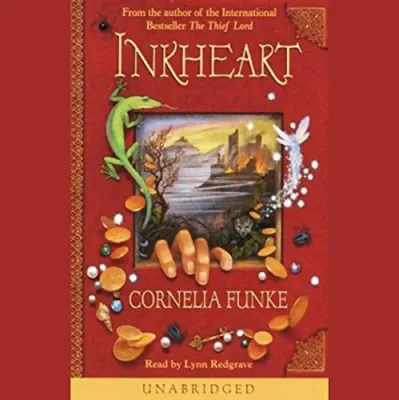
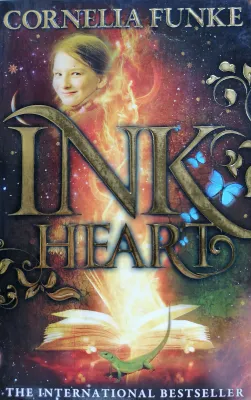
Prices are valid at publication and may change. Please refer to the product page for the latest price.
Finally, Inkheart is a deeply character-driven adventure centered on family relationships rather than the typical “chosen one” archetype. The emotional core of the story lies in the bond between Meggie and her father, Mo, as well as their shared grief over her missing mother. The magic they encounter is directly tied to their family history and inherited abilities. When searching for similar fantasy novels, prioritize stories that emphasize family dynamics, ancestral secrets, and intergenerational legacies. Look for narratives where the main characters are supported by protective parents, quirky relatives, or found families, rather than embarking on solitary quests. This focus on familial love and shared responsibility resonates strongly with local cultural values, making these stories particularly engaging for Filipino readers.
Navigating the Philippine Book Market for Bilingual Editions
Locating both English and Tagalog editions of fantasy novels in the Philippines requires a systematic approach to navigating the local book market. Major local bookstore chains are the most convenient starting points for English editions, but their inventory of Tagalog-translated fantasy can be limited. To find officially licensed Tagalog translations of international fantasy or local fantasy novels that share Inkheart‘s themes, you should turn your attention to university presses and specialized local publishing houses. Institutions like the University of the Philippines Press, Ateneo de Manila University Press, and UST Publishing House frequently publish high-quality translations of classic and contemporary literature, as well as original speculative fiction that incorporates magical realism and local folklore.

When shopping on online marketplaces or the official websites of local publishers, using precise search terms is essential for filtering out unrelated titles. Instead of searching broadly for “fantasy books,” use specific language tags and keywords. Search terms such as “isinalin sa Tagalog” (translated to Tagalog), “Tagalog edition,” “bilingual fantasy,” or “panitikang pambata” (children’s literature) can help isolate translated works. Many online platforms do not have dedicated language filters, so manually typing these phrases into the search bar is often the most effective way to locate bilingual editions. Additionally, look for local literary translation imprints that specialize in bringing global speculative fiction to Filipino readers, as these boutique publishers often champion high-quality translations of modern fantasy.
It is also highly beneficial to explore the growing landscape of original Philippine speculative fiction, often written in English, Tagalog, or a natural blend of both. Many local authors write contemporary fantasy novels that deal with magical books, ancestral secrets, and folkloric creatures living in modern-day Manila or provincial towns. These books offer a cultural familiarity that enhances the magical realist experience, providing a perfect local counterpart to the atmosphere of Inkheart. By supporting local independent publishers and attending regional book fairs, you can discover unique, locally produced fantasy novels that may not be widely distributed in mainstream retail chains but are easily accessible through direct publisher orders.
Key Checks Before Buying Translated Fantasy Novels
Before purchasing a translated fantasy novel, performing a few essential quality checks will ensure you receive an authentic, high-quality edition that meets your reading preferences. First, always verify the publication details on the product listing or the book’s copyright page. Look for the name of the translator and the official publishing house. A legitimate translation will clearly credit the translator (e.g., “Isinalin sa Tagalog ni…”) and display the copyright permissions from the original author or international publisher. This step is crucial for avoiding unauthorized, machine-translated bootlegs that often plague online marketplaces and suffer from poor grammar, awkward phrasing, and missing chapters.
Second, understand the difference between full translations, abridged versions, and bilingual dual-language editions. Some translated fantasy novels, especially those aimed at younger readers, may be abridged to simplify the language or reduce the page count. If you want the complete, immersive experience of the original story, ensure the product description specifies that it is an unabridged translation. Dual-language editions, which feature the English text on one page and the Tagalog translation on the facing page, are excellent tools for language learners and bilingual readers, but they are typically reserved for shorter stories or anthologies rather than thick fantasy novels.
Finally, consider the physical format and preservation of the book, especially given the tropical climate of the Philippines. High humidity and ambient heat can cause rapid deterioration of physical books, leading to yellowing pages (foxing), warped covers, and weakened spine glue. Whether you are budgeting ₱300 to ₱600 for a new paperback or looking for secondhand treasures, check if the book uses acid-free paper, which resists yellowing over time, and inspect the binding quality. If you prefer digital reading to save shelf space and protect your collection from humidity, verify the file format compatibility before purchasing. Ensure the e-book is in a standard, reflowable format like EPUB rather than a static PDF, and confirm that the digital platform is compatible with your specific e-reader or mobile reading application.
Expanding Your Search: Digital and Audio Formats
If physical copies of your favorite fantasy novels are difficult to find or preserve, expanding your search to digital and audio formats offers a convenient and highly accessible alternative. Many local libraries and educational institutions in the Philippines have adopted digital library applications that allow patrons to borrow e-books and audiobooks remotely. By registering with your local municipal library or university library, you can gain access to digital catalogs that include both English fantasy classics and Tagalog translations. These platforms often allow you to read directly on your smartphone, tablet, or e-reader without worrying about shipping fees or physical wear and tear.
Audiobooks are another fantastic medium for experiencing fantasy, providing a unique sensory layer to the storytelling. When looking for Tagalog audiobooks or localized fantasy stories, pay close attention to the narration quality. A good narrator can bring the magical atmosphere of a story to life through expressive pacing and accurate pronunciation of both Tagalog terms and fantasy names. Many authorized global audiobook platforms and local subscription reading services now feature dedicated sections for Southeast Asian literature and translations. Before committing to a purchase or subscription, listen to the provided audio sample to evaluate the narrator’s tone, clarity, and the overall production quality of the recording.
Subscription-based reading services are also worth exploring, as they often host extensive catalogs of independent and traditionally published fantasy novels. These platforms typically offer offline reading capabilities, which is incredibly useful for reading during daily commutes or in areas with unstable internet connections. When evaluating a subscription service, check if their catalog includes local Philippine publishers and translation imprints. This ensures that your subscription fee supports the local literary ecosystem while giving you unlimited access to a diverse range of bilingual fantasy stories that share the whimsical, bookish charm of Inkheart.
Frequently Asked Questions (FAQ)
How do I verify if a specific fantasy series has a complete Tagalog translation?
To verify if a fantasy series has a complete Tagalog translation, start by checking the official website of the original international publisher or the author’s official page. These sites often list foreign rights sales and licensed translation partners. Next, look up the title in the catalogs of major Philippine university libraries or the National Library of the Philippines. These institutional databases maintain comprehensive records of all legally published and deposited books in the country, including specific volume numbers and translation credits. If only the first volume of a series appears in these catalogs, it is highly likely that subsequent volumes were never translated, a common occurrence in the publishing industry when initial sales do not meet expectations.
What should I do if a Tagalog edition is currently out of print?
If a Tagalog edition of a fantasy novel is out of print, you can explore several legal avenues to locate a copy. Start by visiting local independent bookstores, specialty bookshops, and secondhand book markets, which often carry older stock or pre-loved copies that are no longer available in major retail chains. You can also join local online book-swapping communities and reader groups, where members frequently trade or sell out-of-print titles. Additionally, check authorized digital platforms to see if the publisher has released an e-book version of the translation, as digital editions often remain available long after the physical print run has ended. Finally, consider reaching out directly to the local publisher via their official social media channels or email to inquire about potential reprint schedules or remaining warehouse stock.
Community discussion
Share your experience or ask a question. Comments are reviewed before publication.