
Collecting EXO albums is a rewarding journey, but the sheer variety of versions released for a single album can be overwhelming. The main differences between EXO album versions lie in their physical packaging, the exclusivity of their merchandise inclusions (such as photocards and postcards), and the playback technology they use. To choose the right edition, you must balance your personal collection goals—whether you want a stunning shelf display, a complete set of rare photocards, a budget-friendly way to support the group, or a space-saving digital alternative—with your budget and storage conditions.
By understanding how standard, special, and modern digital formats differ, you can make informed purchasing decisions that protect your investment. This guide breaks down the distinct characteristics of each EXO album version, outlines key comparison metrics, and provides practical advice on verifying authenticity when shopping online in the Philippines.
Understanding Standard, Special, and Alternative Formats
EXO’s extensive discography showcases an evolution in physical music releases, moving from traditional jewel cases to elaborate concept-driven packages and modern digital-physical hybrids. To build a collection that brings you long-term satisfaction, it helps to understand the three primary categories of album formats that SM Entertainment typically produces for the group.
Products mentioned in this guide

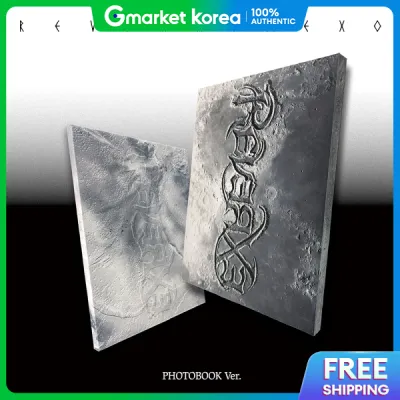

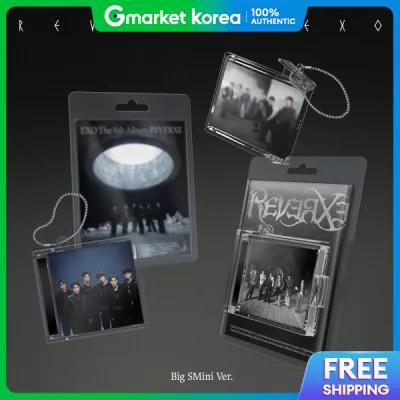

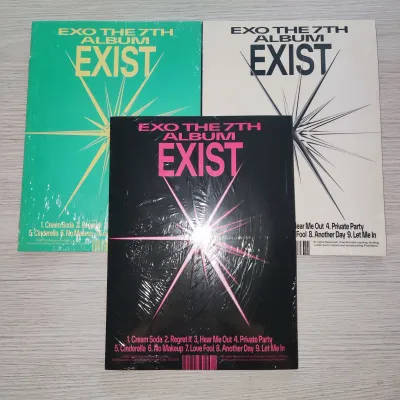

Prices are valid at publication and may change. Please refer to the product page for the latest price.
Regular and Standard Editions
Regular or standard editions are the backbone of any K-pop collection. These versions are widely produced, easily accessible, and designed to deliver the core artistic concept of the comeback. A standard edition typically features a high-quality photobook, a physical CD, a lyric booklet, and a selection of random paper inclusions, such as postcards and the highly coveted photocards.
These albums are usually released in multiple cover variations—often featuring different member combinations or distinct visual themes (such as “A” and “B” versions). While the tracklist on the CD remains identical across all standard versions of a specific release, the visual content inside the photobooks is completely different. This design encourages collectors to purchase multiple standard versions to experience the full visual narrative of the album.
Special and Limited Editions
Special and limited editions are premium releases designed for dedicated collectors who want a more immersive physical experience. These versions often feature unique packaging materials, such as oversized boxes, hardbound books, or even custom-designed novelty containers that match the album’s concept. The photobooks in these editions are typically much larger, containing exclusive behind-the-scenes photos or high-concept shoots not found in the standard versions.
In addition to the premium packaging, special editions often include exclusive merchandise. This can range from larger poster sets and sticker sheets to unique collectible items like lenticular cards, frame photos, or themed accessories. Because these editions are produced in limited quantities and are rarely reprinted once the initial stock runs out, they command higher prices and often appreciate in value on the secondary market.
Alternative Formats: Kit, SMini, and Digipacks
As music consumption has shifted toward digital streaming, alternative formats have emerged to bridge the gap between physical collecting and modern convenience. Kit albums (also known as Kihno kits) are small, plastic devices that connect wirelessly or via a headphone jack to your smartphone. By using a dedicated app, you can access the album’s audio tracks, digital photobook, and exclusive video content without needing a traditional CD player.
SMini albums represent a more recent evolution in compact collecting. These miniature packages feature a tiny, keychain-sized case resembling a classic album cover, which houses a small Near Field Communication (NFC) chip. Tapping the SMini against your smartphone instantly unlocks the digital album content through an official app. Digipacks, on the other hand, are lightweight, eco-friendly paperboard cases that house a physical CD and a smaller, simplified photobook, offering a budget-friendly and space-saving alternative to bulky standard editions.
What to Compare Before You Buy
Before purchasing an EXO album, it is essential to evaluate the physical and functional aspects of each version. Comparing these factors ensures that your purchase aligns with your living space, playback capabilities, and aesthetic preferences.

Visual and Display Value
The physical size and design of an album dictate how it will look on your shelf. Standard and special editions offer the greatest visual impact, with large, colorful spines that make a statement in any room. However, their size also means they require significant shelf space. If you live in a cozy apartment or have limited storage, a collection of large special editions can quickly become difficult to manage.
Furthermore, collectors in tropical climates like the Philippines must consider environmental factors. High humidity can cause large, paper-based photobooks and cardboard boxes to warp, mold, or stick together over time. If you choose to collect large physical editions, you must be prepared to store them in a cool, dry place, perhaps utilizing silica gel packets or closed display cabinets to protect the paper from moisture damage.
Merchandise and Inclusions
For many collectors, the physical CD is secondary to the merchandise tucked inside the packaging. Photocards are the ultimate collectible in the K-pop community, and their distribution varies wildly between album versions. Standard editions usually feature a wide pool of random photocards, making it a thrilling challenge to pull your favorite member’s card.
Special editions often include exclusive photocard sets or unique merchandise designs that are not available in any other format. If your primary goal is to collect every single photocard of your favorite EXO member, you will need to study the official inclusion list for each version. Some alternative formats, like SMini albums, feature their own distinct photocard sets, which are highly sought after due to their unique, close-up concepts.
Audio and Tech Compatibility
It is easy to forget that albums are, at their core, music players. Before buying, consider how you plan to listen to the music. If you own a traditional CD player or a component stereo system, standard editions, special editions, and digipacks are your only options, as they contain physical compact discs.
If you do not own a CD player and rely entirely on your smartphone or tablet, alternative formats like Kit and SMini albums offer a seamless digital experience. These formats allow you to enjoy the physical satisfaction of unboxing and displaying a collectible item while keeping the music easily accessible on your mobile device. However, keep in mind that these digital formats require a stable internet connection for the initial setup and app downloads, and they depend on the long-term support of their respective mobile applications.
Which EXO Album Version Fits Your Goals?
Every collector has different priorities, and there is no single “best” version of an EXO album. By identifying your primary collecting goals, you can narrow down the options and build a collection that brings you joy without straining your finances.
Choose Regular Editions for Classic Collecting on a Budget
If you want to experience the traditional joy of K-pop collecting—unboxing a beautifully printed photobook, playing a physical CD, and hunting for random photocards—standard editions are your best choice. They offer the perfect balance of content and cost, allowing you to support EXO’s sales charts while keeping your hobby affordable. Standard editions are also the easiest to find, meaning you can easily purchase them from local shops or online marketplaces long after the album’s release date.
Choose Special and Limited Editions for Maximum Display and Rarity
If you view your collection as an art gallery and want your shelves to look as impressive as possible, invest in special or limited editions. These versions are perfect for collectors who appreciate high-concept packaging, large-format photography, and rare, exclusive merchandise. While they require a larger upfront investment, the premium materials and limited production runs make them highly satisfying to own and display.
Choose Alternative Formats for Space-Saving and Digital Convenience
If you are short on storage space or prefer to keep your lifestyle minimalist, alternative formats like SMini and Kit albums are ideal. They allow you to support the group and collect official photocards without cluttering your living area. The keychain design of SMini albums also makes them highly portable, allowing you to carry a piece of your fandom with you wherever you go.
Crucial Verification Steps Before Checkout
Regardless of the version you choose, always verify the condition of the album before making a purchase, especially when buying from secondary markets or independent sellers. If you want the full unboxing experience with all random inclusions intact, ensure the listing explicitly states the album is “sealed.” Unsealed albums are often sold at lower prices, which is excellent if you only care about the photobook and CD, but they rarely contain the original photocards or posters.
How to Verify Authenticity When Buying Online
With the immense popularity of EXO, counterfeit albums and unofficial merchandise are common risks on online marketplaces. Protecting yourself from scams requires a combination of careful observation and smart shopping habits.
Spotting Official Authenticity Markers
Every official K-pop album released by SM Entertainment features specific security markers. The most reliable indicator of authenticity is the official Korea Music Copyright Association (KOMCA) hologram sticker, typically found on the back of the album packaging. This sticker reflects light in a distinct pattern and features a unique serial number.
When buying physical albums online, ask the seller for clear, high-resolution photos of the back cover to verify the presence of this hologram. For newer releases, the sticker design may vary, but it should always have a crisp, reflective finish. Avoid listings where the back of the album is obscured, or where the sticker appears dull, blurry, or completely missing.
Evaluating Seller Credentials and Reviews
When shopping on major ecommerce platforms, always prioritize official brand stores or authorized local distributors. Many reputable K-pop specialty shops maintain official storefronts on these platforms, offering a safe and reliable way to purchase genuine albums. Look for sellers with high ratings, positive customer feedback, and active communication.
Read through the customer reviews carefully, paying close attention to photos uploaded by previous buyers. Genuine reviews will show the album arriving in secure packaging, often with bubble wrap to prevent damage during transit in humid tropical weather. If a seller has numerous complaints about damaged goods, missing inclusions, or slow shipping, it is best to look elsewhere.
Recognizing Red Flags and Unrealistic Prices
If a deal seems too good to be true, it almost certainly is. Official EXO albums have baseline production and shipping costs, so brand-new, sealed albums listed at unusually low prices in ₱ should immediately raise red flags. Counterfeit albums often suffer from poor print quality, with blurry images, washed-out colors, and thin, flimsy paper stock.
Additionally, be cautious of listings that use stock photos instead of actual pictures of the product. Genuine sellers are usually willing to provide additional photos or videos of the album’s condition upon request. By taking the time to verify these details, you can ensure that your hard-earned money goes toward supporting EXO and securing a genuine piece of music history for your collection.
Frequently Asked Questions (FAQ)
Do all EXO album versions include the same photocards?
No, photocards are typically version-specific. The photocards included in a standard edition will feature different photos, concepts, and outfits compared to those found in a special edition or an SMini version. Furthermore, photocards are randomly distributed within each version, meaning you will receive one or two random cards from a larger pool of designs. To find out which specific photocards are available in a particular version, you should consult the official inclusion preview images released by SM Entertainment before the album’s launch.
Can I play a Kit or SMini album on a standard CD player?
No, Kit and SMini albums do not contain physical compact discs and cannot be played on a standard CD player. These are digital-physical hybrid formats designed specifically for mobile devices. To access the music and digital content, you must use a compatible smartphone or tablet equipped with NFC capabilities (for SMini albums) or a headphone jack/wireless connection (for Kit albums), along with the official companion applications. If you prefer traditional CD playback, you should stick to standard, special, or digipack editions.
Are limited edition EXO albums still available after the initial release?
Limited edition EXO albums are produced in restricted quantities and typically sell out during the pre-order phase or shortly after the official release date. Once the initial production run is exhausted, SM Entertainment rarely reprints these special versions. While you may occasionally find them in stock at authorized specialty retailers, your best option for acquiring older limited editions is usually the secondary market. When buying from individual collectors, always exercise caution, verify the album’s condition, and check for official authenticity markers to avoid counterfeit products.
Community discussion
Share your experience or ask a question. Comments are reviewed before publication.