
Developing strong interpersonal abilities is a lifelong journey that significantly impacts your personal happiness and professional trajectory. In the Philippines, where social harmony, mutual respect, and community ties are deeply woven into daily life, mastering communication is especially valuable. Navigating local social dynamics often requires balancing universal communication principles with cultural nuances like pakikisama (smooth interpersonal relations) and paggalang (respect).
To build these essential skills, readers can turn to a variety of classic and contemporary self-help books available through local bookstores and digital platforms. The key to success lies in selecting titles that address your specific relational gaps and adapting their concepts to your daily interactions. By choosing the right resources, you can transform theoretical advice into practical habits that improve your relationships at home, in the office, and within your community.
How to Choose the Right People Skills Book for Your Goals
Selecting the right book begins with a honest assessment of your current interpersonal challenges. Interpersonal communication is a broad field, and a book that excels at teaching public speaking might offer very little help if your primary struggle is resolving quiet conflicts with family members. Before purchasing a book, identify whether you need to work on active listening, assertiveness, emotional regulation, or public presentation.
Products mentioned in this guide
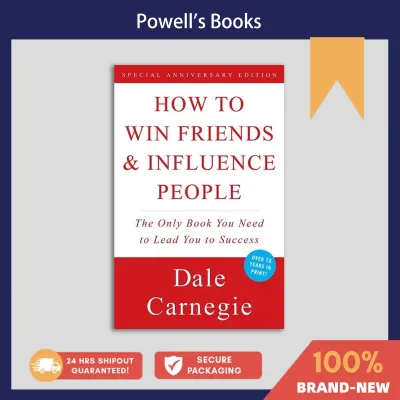
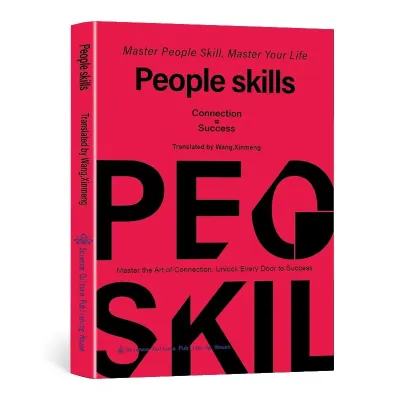
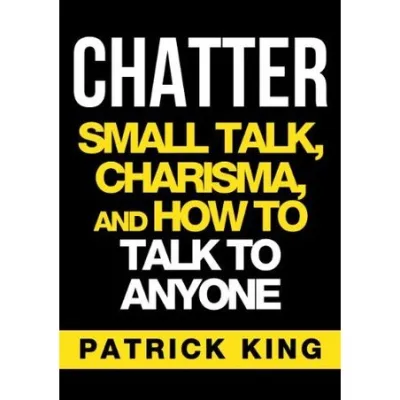
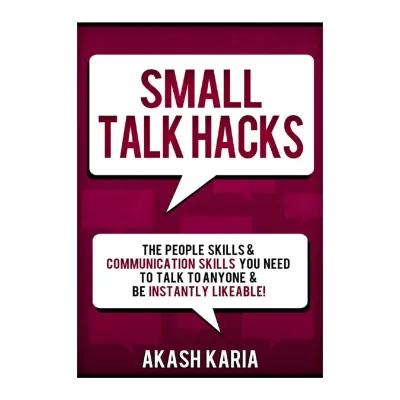
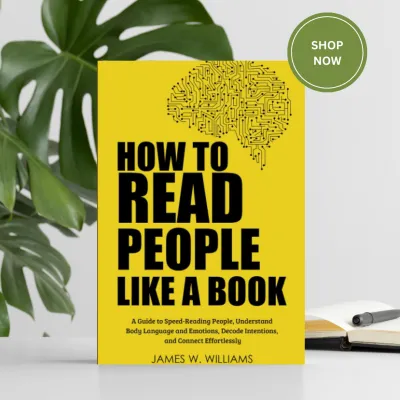
Prices are valid at publication and may change. Please refer to the product page for the latest price.
Matching the book’s format to your personal learning style is equally important for long-term retention. Interactive workbooks are excellent for readers who prefer structured exercises, self-reflection prompts, and written homework. Theoretical guides suit those who want to understand the psychological mechanisms behind human behavior, while anecdotal narratives use engaging stories to illustrate how communication principles play out in real-world scenarios.
It is also vital to check publication dates and edition updates to ensure the advice remains relevant. The way we connect has changed dramatically with the rise of instant messaging, video conferencing, and remote work arrangements. A book written decades ago may still offer timeless wisdom on empathy, but it might lack practical guidance on navigating digital communication etiquette, virtual team dynamics, or online networking.
Finally, consider the cultural origin of the book and how well its advice translates to your environment. Many popular self-help titles are written from a Western perspective that highly values directness and individual assertiveness. When reading these guides, think about how to soften or adapt their frameworks to align with local values of sensitivity, indirect communication, and collective harmony.
Foundational Reads for Everyday Communication and Empathy
For those beginning their personal development journey, foundational books focus on the core elements of human interaction: empathy, active listening, and rapport building. These books are selected for their enduring relevance and general accessibility, making them perfect for readers who want to improve their daily social interactions without getting bogged down in complex psychological jargon.

Classic Rapport and Relationship Building
Books in this category focus on the fundamental mechanics of making others feel valued and understood. The core principles center on showing genuine interest in people, remembering names, and listening actively rather than waiting for your turn to speak. These guides teach that the most effective communicators are not necessarily the most charismatic talkers, but those who make others feel comfortable and respected.
- Target Audience: Beginners, introverts, or anyone looking to ease social anxiety in casual gatherings and daily encounters.
- Practical Takeaway: Practice shifting the focus of conversations away from yourself by asking open-ended questions that allow others to share their experiences and perspectives.
Empathic and Compassionate Communication
Other foundational guides explore how to communicate honestly and clearly without triggering defensiveness in others. These frameworks teach readers to observe situations objectively, identify their own underlying feelings and needs, and make clear, actionable requests. By focusing on shared human needs, this approach fosters deep empathy and helps resolve personal misunderstandings before they escalate into arguments.
- Target Audience: Individuals seeking to improve family relationships, friendships, or close partnerships through deeper emotional connection.
- Practical Takeaway: When addressing a conflict, state the observable facts of the situation first, express how you feel using "I" statements, and conclude with a specific, positive request.
Limitations and Cultural Adaptations
While these foundational concepts are universally valuable, readers in the Philippines should approach Western advice on direct confrontation with care. In local culture, preserving amor propio (self-esteem) and avoiding public embarrassment are highly valued. Directly pointing out someone’s mistake, even if done constructively, can sometimes damage a relationship if not handled with extreme gentleness and privacy. Adapting these lessons means delivering feedback privately and pairing assertiveness with warmth.
Advanced Guides for Workplace Leadership and Networking
As you advance in your career, your interpersonal needs shift from basic socialization to managing complex professional relationships, negotiating agreements, and leading teams. Advanced communication guides focus on professional influence, organizational dynamics, and high-stakes negotiation, helping you navigate corporate environments and professional networks.
High-Stakes Negotiation and Conflict Resolution
Advanced guides in this category explore the psychology of negotiation and conflict management under pressure. These books often draw from behavioral science or professional mediation tactics to teach readers how to read subtle emotional cues, establish trust quickly, and find mutually beneficial solutions in difficult situations. They emphasize tactical empathy, which involves understanding the counterpart’s obstacles and motivations without necessarily agreeing with them.
- Target Audience: Managers, team leaders, entrepreneurs, and professionals who regularly negotiate contracts, salaries, or project scopes.
- Practical Takeaway: Use calibrated questions starting with "how" or "what" to encourage the other party to collaborate on finding a solution, rather than forcing a direct "yes" or "no" response.
Professional Influence and Behavioral Psychology
Other advanced titles examine the systemic factors that influence human decision-making and group behavior. These books analyze how authority, social proof, scarcity, and reciprocity shape how people respond to ideas and leadership. Understanding these psychological triggers allows professionals to pitch ideas more persuasively, build consensus across diverse teams, and drive organizational change.
- Target Audience: Executives, marketing professionals, and community organizers looking to scale their impact and lead large groups.
- Practical Takeaway: Build professional credibility by consistently delivering value first, establishing reciprocal trust before asking for support or resources on major initiatives.
Prerequisites for Advanced Concepts
Before attempting to apply advanced persuasion or negotiation techniques, it is crucial to have a stable foundation of basic empathy and active listening. Attempting to use advanced behavioral psychology without genuine respect for others can easily come across as manipulative or insincere. True professional influence is built on a reputation of integrity and consistent, respectful communication.
Where to Buy and Access These Books in the Philippines
Finding high-quality copies of these self-help books requires knowing where to look and how to verify the authenticity of your purchase. Whether you prefer physical pages, digital screens, or audio narration, several reliable channels exist to help you build your personal library.
Local Bookstore Chains and Independent Shops
Major physical bookstore chains, such as Fully Booked and National Book Store, are reliable starting points for international self-help titles. Visiting physical branches allows you to browse the shelves, read book summaries, and inspect the print quality firsthand. Independent local bookshops also curate excellent selections of personal development books, often highlighting local authors who write specifically about communication within the Philippine context.
E-commerce Platforms and Official Publisher Stores
When shopping online through major e-commerce platforms or online marketplaces, it is essential to protect yourself from counterfeit books. Unauthorized, low-quality reprints often suffer from missing pages, smudged ink, and poor binding that falls apart quickly. To ensure you are buying a genuine edition, look for official mall badges, verified seller ratings, or purchase directly from the official online storefronts of established local distributors and publishers.
Comparing Formats for Local Lifestyles
Choosing the right format depends on your daily routine, budget, and storage conditions:
- Physical Books: Ideal for active studying, highlighting, and writing notes in the margins. However, because of the tropical climate and high humidity in the Philippines, physical books require careful storage. Keep them in well-ventilated areas away from direct sunlight, and consider using silica gel packets in closed bookshelves to prevent mold and yellowing.
- E-books: Highly convenient for daily commuters navigating heavy traffic. E-books offer instant delivery, adjustable text sizes, and zero physical storage requirements, making them highly compatible with e-readers, tablets, and smartphones.
- Audiobooks: Perfect for multitasking during long commutes, workouts, or household chores. Hearing the narrator's voice can also help you understand conversational pacing, tone, and emotional inflection, which are critical components of effective people skills.
Budget-Friendly Alternatives
If you are building your skills on a budget, look for secondhand book markets, pre-loved book groups online, or public and university library networks. When purchasing secondhand books, inspect the spine, check for water damage, and ensure that previous owners’ highlights do not obscure the text. Many university libraries also offer digital access to communication journals and e-books for their students and alumni.
Frequently Asked Questions (FAQ)
Are audiobooks as effective as physical books for learning people skills?
Audiobooks are highly effective for learning the auditory aspects of communication, such as tone of voice, pacing, and emotional expression. Hearing a skilled narrator deliver dialogue helps you understand how to project confidence and warmth in real life. However, physical books are generally superior for studying complex communication frameworks, as they allow you to easily highlight key passages, take notes, and flip back to reference specific exercises. For the best results, consider using audiobooks for your daily commute and physical books or e-books for dedicated study and reflection.
How can I practice the exercises in these books without a partner?
You can practice many communication exercises independently through self-reflection, journaling, and observation. Try recording yourself speaking during a mock conversation to analyze your tone, clarity, and body language. When you are in public spaces, such as coffee shops, malls, or offices, practice active observation by studying how people interact, noting their non-verbal cues, gestures, and physical boundaries. Additionally, you can join local public speaking clubs, professional organizations, or community volunteer groups to practice your new skills in a supportive, real-world environment.
Community discussion
Share your experience or ask a question. Comments are reviewed before publication.