
Embarking on a journey of personal development requires more than fleeting inspiration; it demands a structured approach to reshaping daily behaviors and mental frameworks. For many readers in the Philippines, navigating the demands of a fast-paced career, daily commutes, and evolving economic landscapes makes the pursuit of self-improvement highly practical. The right self-help literature serves as a blueprint, offering actionable strategies to replace counterproductive routines with sustainable, positive habits. By engaging with proven frameworks, you can systematically address personal bottlenecks, improve professional productivity, and cultivate a resilient mindset that withstands external pressures.
Selecting the ideal books to guide this transformation is a deliberate process. Rather than consuming titles at random, building a cohesive reading list allows you to layer concepts logically, starting with foundational principles before moving into highly specialized strategies. This guide outlines how to construct a personalized reading roadmap, beginning with a timeless classic that has shaped modern personal development, and explores how to evaluate, source, and apply these life-changing concepts within your daily routine.
Why Start With 'The 7 Habits of Highly Effective People'?
When establishing a foundation for personal growth, Stephen Covey’s masterpiece, ‘The 7 Habits of Highly Effective People’, remains an essential starting point. This seminal work moves beyond superficial quick fixes, focusing instead on character ethics and deep-seated paradigm shifts. By centering your development on timeless principles, the book provides a comprehensive operating system for life that prepares you for more specialized productivity and psychological literature. Understanding the 7 habits of highly effective individuals allows you to transition from dependence to independence, and ultimately to interdependence, which is crucial for both personal maturity and collaborative success.
Products mentioned in this guide
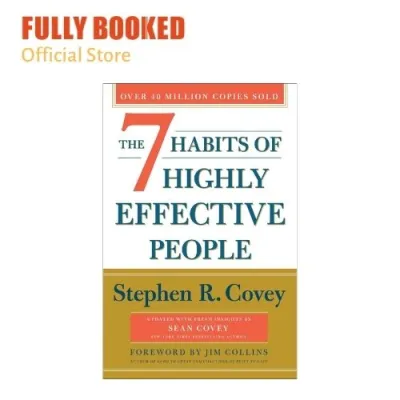
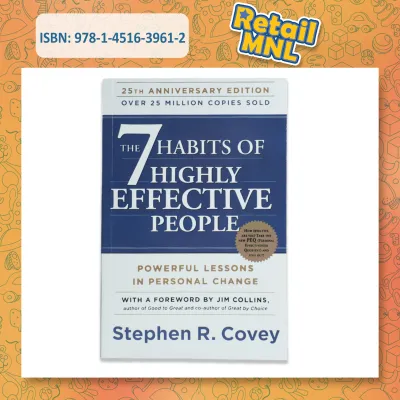
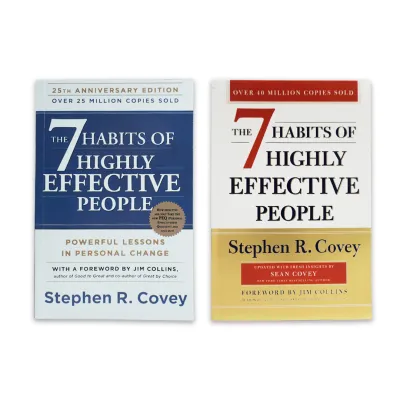
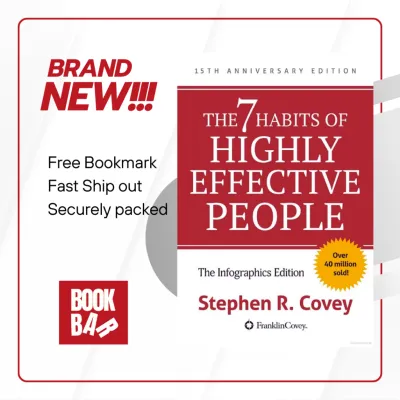
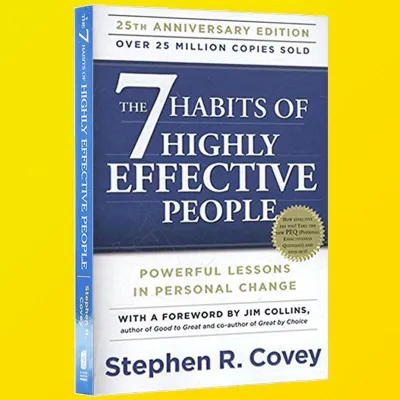
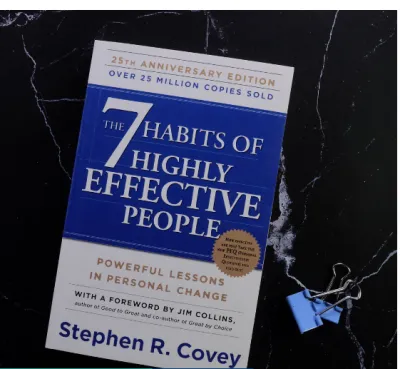
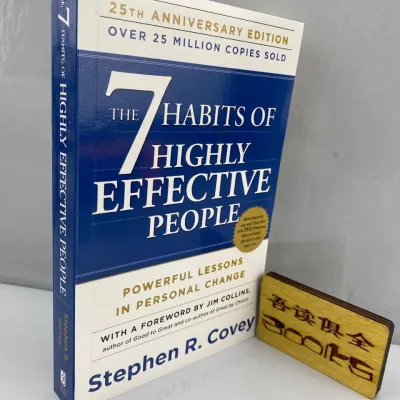
Prices are valid at publication and may change. Please refer to the product page for the latest price.
The framework begins with internal victories, focusing on habits like proactivity and beginning with the end in mind. Proactivity teaches you to focus your energy on your circle of influence—the things you can actually control—rather than wasting mental resources on external circumstances. Beginning with the end in mind encourages you to define your core values and long-term vision, ensuring that your daily actions align with your ultimate life goals. These concepts are particularly powerful for readers navigating complex career paths, as they establish a clear internal compass before you attempt to optimize specific daily schedules or workflows.
As the framework progresses, it introduces interpersonal habits such as thinking win-win and seeking first to understand, then to be understood. These principles culminate in synergistic collaboration, where the collective output of a team exceeds the sum of individual efforts. Mastering these foundational habits is a prerequisite for deeper self-help topics because it establishes the emotional maturity and relational skills needed to apply advanced leadership or communication strategies. Without this groundwork, specialized advice on time management or negotiation can feel mechanical and fail to yield lasting results.
How to Choose the Right Self-Help Book for Your Growth Stage
The self-help genre is vast, and not every highly recommended title will align with your immediate needs. To avoid reading fatigue and ensure maximum practical value, you must evaluate books based on your current life challenges and growth stage. For instance, if you are struggling with daily execution, a book focused on high-level career strategy will offer little immediate relief. Conversely, if you are facing career stagnation, a basic guide on daily scheduling may not address the underlying need for strategic thinking. Identifying your primary pain points—whether they stem from chronic procrastination, professional burnout, or financial anxiety—is the first step in narrowing down your choices.

Once you have identified a relevant category, it is essential to verify the author’s credentials and the underlying basis of their claims. Look for authors who possess recognized professional backgrounds, academic training, or extensive, verifiable experience in their respective fields. Books grounded in cognitive behavioral therapy, behavioral economics, or organizational psychology often provide more reliable frameworks than those relying solely on personal anecdotes. Checking the bibliography or references section can also give you an indication of whether the author’s advice is supported by established research or if it represents a singular, subjective viewpoint.
Before committing your time and budget to a new title, take advantage of preview options to assess the author’s tone and methodology. Reading sample chapters, introductions, or structured summaries can help you determine if the writing style resonates with your learning preferences. Some readers prefer highly analytical, data-driven prose, while others respond better to narrative-driven, conversational guides. Ensuring that the book’s tone matches your cognitive style prevents the reading process from feeling like a chore, making it far more likely that you will finish the book and actively implement its teachings.
Curated Self-Help Books for Mindset and Habit Building
To help you build a well-rounded personal development library, we have curated a selection of highly regarded books that complement the foundational principles of the 7 habits of highly effective framework. Rather than presenting an arbitrary ranking, these recommendations are grouped by specific developmental needs and life challenges. This categorization allows you to target your current growth areas directly, ensuring that each book you read serves a clear, immediate purpose.
Recognizing that personal growth is an iterative process, these categories address different dimensions of your life, from daily execution to emotional resilience and financial planning. By understanding the core premise of each category, you can select the titles that best match your current priorities, gradually layering your knowledge to build a robust, multi-faceted mindset.
Books for Daily Routine and Productivity
For readers looking to systemize their daily actions and overcome chronic procrastination, books focusing on behavioral design and focused work are indispensable. Titles in this category explore how micro-behaviors accumulate over time to produce significant life outcomes. By understanding the mechanics of habit loops—comprising cues, cravings, responses, and rewards—you can design an environment that makes positive habits friction-free and negative habits difficult to maintain. This systematic approach to daily routines is highly effective for individuals who find themselves overwhelmed by large, abstract goals.
Another critical focus within productivity literature is the concept of deep work and structured time-blocking. In an era of constant digital notifications and open-plan workspaces, the ability to concentrate without distraction has become a rare and valuable skill. Books in this niche teach you how to protect your cognitive capacity, set firm boundaries around your working hours, and schedule deep focus sessions. This directly integrates with Covey’s habit of ‘putting first things first,’ providing the practical, modern tools needed to execute your highest priorities amidst daily noise.
The ideal readers for these productivity guides are professionals experiencing cognitive overload, students struggling with study habits, or anyone who feels that their daily efforts are scattered across too many minor tasks. By implementing structured time-blocking and atomic behavioral changes, you can transition from a state of constant busyness to one of deliberate, high-impact productivity.
Books for Emotional Intelligence and Resilience
Building a productive routine is only half the battle; maintaining mental toughness and emotional balance in high-stress environments is equally vital. Books dedicated to emotional intelligence and resilience draw heavily on cognitive reframing, emotional regulation, and modern applications of stoic philosophy. These works teach you how to decouple your immediate emotional reactions from external events, allowing you to respond to challenges with clarity and composure rather than impulsive frustration.
In demanding professional landscapes, such as navigating intense workplace dynamics or managing the stress of long daily commutes in urban centers like Metro Manila, these psychological tools are essential. They help you manage interpersonal conflicts constructively, process professional setbacks without losing motivation, and maintain a healthy boundary between your self-worth and your job performance. Learning to reframe obstacles as opportunities for growth fosters a durable mindset that can withstand prolonged periods of pressure.
While these books offer powerful strategies for self-regulation, it is important to recognize the limitations of self-help literature. Books are excellent tools for general stress management, mindset adjustment, and building daily resilience, but they are not substitutes for professional mental health care. If you are experiencing persistent burnout, severe anxiety, or clinical depression, seeking guidance from a qualified mental health professional is a necessary and courageous step that goes beyond the scope of any self-help text.
Books for Financial and Career Mindset
Achieving long-term stability and professional fulfillment requires a fundamental shift in how you view wealth, value creation, and career progression. Books in this category challenge limiting beliefs about success and encourage you to view your career as an entrepreneurial venture. Rather than simply trading time for a paycheck, these frameworks teach you to focus on continuous skill acquisition, building personal leverage, and understanding the psychological factors that govern financial decision-making.
These guides offer actionable frameworks for career pivoting, negotiating value, and establishing multiple streams of value creation. They encourage readers to move away from passive career paths and actively design a professional trajectory that aligns with market demands and personal strengths. This proactive stance is a direct application of Covey’s first habit, translating personal responsibility into tangible career and financial planning.
When consuming financial and career advice, it is crucial to adapt general principles to the local economic context of the Philippines. Concepts developed in Western markets, such as specific investment vehicles, tax structures, or retirement accounts, may not have direct equivalents locally. Instead of trying to copy specific financial steps literally, focus on the underlying principles of wealth preservation, living below your means, and strategic asset allocation, adapting them to local financial systems, banking options, and economic realities.
Where to Find and Verify Authentic Books in the Philippines
Sourcing genuine copies of your chosen self-help books is vital to ensure a high-quality reading experience and to support the authors and publishers who create these works. In the Philippines, major physical bookstore chains located in leading shopping malls remain highly reliable sources for authentic paperbacks and hardcovers. These physical stores allow you to browse the shelves, inspect the physical quality of the books, and read back covers before making a purchase.
If you prefer shopping online, you must exercise caution when navigating ecommerce platforms and online marketplaces. To ensure you are buying an authentic copy, look for official brand stores, verified mall sellers, or established local independent bookshops operating on these platforms. Be skeptical of listings with prices that seem unusually low, as these are often indicators of counterfeit goods. Before finalizing any online purchase, verify the specific edition, language, medium, and publisher details to ensure you are receiving a complete and authorized copy.
Identifying pirated editions requires a quick check of physical characteristics. Counterfeit books often exhibit poor print quality, with blurry or faded text, uneven margins, and thin, low-grade paper that allows ink to bleed through. In some cases, pirated copies may even have missing pages, incorrect chapter formatting, or weak bindings that fall apart after a single reading. Investing in authentic editions guarantees that you receive the complete, unedited content exactly as the author intended.
When planning your personal development budget, consider which book format best suits your lifestyle and financial preferences. Authentic paperbacks in local stores typically range from ₱400 to ₱900, while premium hardcovers can exceed ₱1,500. If you are looking for more budget-friendly options, digital formats such as e-books are often priced lower, eliminate shipping fees, and avoid the wear and tear caused by tropical humidity. Audiobooks, available through subscription services or individual purchases, offer a highly convenient alternative for those who wish to utilize their daily commute or exercise time for learning, allowing you to match your format choice to both your budget and your daily habits.
How to Apply Self-Help Concepts to Your Daily Life
The true value of self-help literature lies not in the act of reading itself, but in the systematic application of the concepts to your daily life. To transition from passive consumption to active implementation, avoid rushing through books just to increase your annual reading count. Instead, approach each book as a study guide. Take structured notes, highlight key passages, and write down immediate action points in a dedicated journal or digital document. Summarizing chapters in your own words helps solidify your understanding and makes the information easily retrievable when you need it.
Once you finish a book, select one or two core concepts to implement immediately rather than trying to overhaul your entire life overnight. Create a personalized action plan with micro-goals that are specific, measurable, and easy to track. For example, if you are adopting a new time-blocking method, start by blocking out just one hour of focused work each morning. Tracking your progress in a simple habit tracker or journal helps maintain momentum and provides visual feedback on your consistency, turning abstract advice into concrete daily routines.
Finally, give yourself permission to slow down and reflect. If a particular chapter presents a complex framework or triggers a deep personal realization, pause your reading for a few days to digest the material. Re-reading critical sections or entire chapters is often far more beneficial than moving quickly to the next title on your shelf. By treating reading as an active, reflective practice, you ensure that the insights you gain translate into lasting improvements in your mindset and daily habits.
Frequently Asked Questions (FAQ)
How many self-help books should I read at the same time?
For most readers, focusing deeply on one self-help book at a time is the most effective way to ensure retention and practical application. Reading multiple instructional books simultaneously can lead to cognitive overload and confusion, especially if the authors advocate for conflicting methodologies or productivity frameworks. However, parallel reading can be successful if you pair books from entirely different categories. For instance, you might read a mindset-focused book during your morning study session and listen to a narrative-driven career biography during your afternoon commute, keeping their respective applications distinct.
Are audiobooks as effective as physical copies for habit building?
Audiobooks are highly effective for passive absorption, reinforcing concepts, and maintaining motivation during routine activities like commuting, exercising, or doing household chores. They allow you to utilize otherwise unproductive time to feed your mind with positive ideas. However, physical or digital text copies are generally superior when it comes to studying complex frameworks, highlighting key passages, and taking structured notes. A highly effective hybrid approach is to listen to an audiobook for an initial overview, and then purchase a physical copy of the titles that resonate most deeply to annotate, study, and reference during your active planning sessions.

Community discussion
Share your experience or ask a question. Comments are reviewed before publication.