
Navigating personal and professional growth in the Philippines requires a balance of self-awareness, practical habits, and a deep understanding of human relationships. For readers looking to elevate their lives, the ultimate list of must-read self-help books includes Robert Greene’s The Laws of Human Nature, James Clear’s Atomic Habits, Morgan Housel’s The Psychology of Money, and Napoleon Hill’s Think and Grow Rich. These titles offer powerful frameworks that address everything from daily productivity and financial mindset to the complex social dynamics found in local workplaces and communities. Rather than offering quick fixes, these books provide enduring principles that help you understand your own motivations and the behaviors of those around you.
How to Choose the Right Personal Growth Book
Selecting the right personal development book is a highly individualized process that depends on your current life stage, learning style, and immediate goals. A fresh graduate entering the corporate world will have vastly different developmental needs compared to a mid-career professional managing a growing team or an entrepreneur launching a local business. To make an impactful choice, start by identifying your primary area for improvement. If you struggle with daily consistency, focus on books about habit formation; if you find yourself overwhelmed by workplace politics or family expectations, prioritize titles centered on emotional intelligence and interpersonal dynamics.
Evaluating the author’s background and core methodology is equally crucial to ensure the advice is practical and credible. Look for authors who back their claims with behavioral science, historical case studies, or years of documented coaching experience rather than mere anecdotal success. Consider how the author’s framework can be applied to your daily routine. A good self-help book should offer actionable exercises, reflection prompts, or clear templates that you can immediately test in your personal or professional life.
Products mentioned in this guide


Prices are valid at publication and may change. Please refer to the product page for the latest price.
Finally, consider your reading format preferences and language availability to maintain consistent engagement. Physical books offer a tactile experience and are excellent for deep study, though they require careful storage to protect them from tropical humidity and moisture. E-books provide unmatched portability, allowing you to carry an entire library on your phone or tablet during long daily commutes. Audiobooks are highly effective for auditory learners and can turn unproductive hours spent in heavy traffic or doing household chores into valuable learning time. Ensure the book’s language style matches your reading comfort level so that processing the concepts does not feel like an exhausting chore.
Highly Recommended Self-Help Books for Self-Discovery and Growth
The following curated selection represents some of the most influential personal development literature available today. These books have been chosen for their enduring relevance, actionable frameworks, and broad appeal across different professions and age groups. They do not offer superficial motivation; instead, they challenge readers to examine their underlying beliefs, behaviors, and systems.

When exploring these titles, remember that there is no single correct order in which to read them. Your reading journey should be guided by your immediate priorities and the specific challenges you are currently facing. You might choose to start with a book on daily habits to build momentum, or dive straight into a deep psychological study to resolve ongoing interpersonal conflicts.
The Laws of Human Nature by Robert Greene
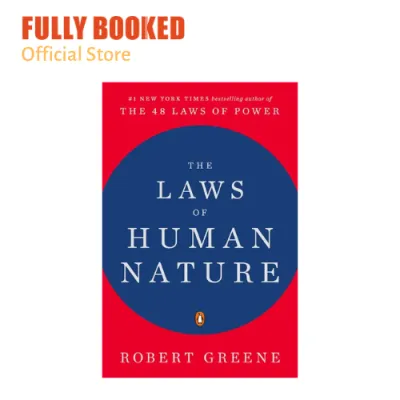
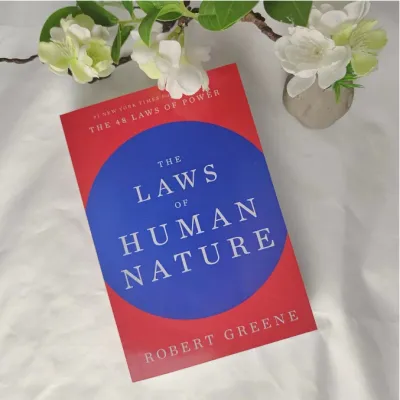
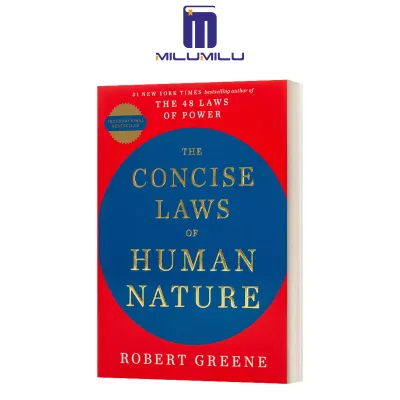
Robert Greene’s The Laws of Human Nature is an essential guide for anyone seeking to navigate the intricate social landscapes of modern life. The book focuses on decoding subconscious drives, cognitive biases, and the complex social dynamics that govern human interaction. Greene dissects the psychological forces that influence how people behave, helping readers identify patterns of envy, narcissism, and passive-aggression in others—and, perhaps more importantly, in themselves. By understanding these laws, you can develop a more objective view of social situations, allowing you to react with strategic calm rather than emotional impulsivity.
Before purchasing this book, it is important to consider its substantial length and dense, academic style. The Laws of Human Nature is not a light weekend read; it is a comprehensive study filled with detailed historical biographies and deep psychological analysis. Each chapter requires focused attention and time to digest. If you prefer quick, highly summarized self-help guides, the sheer volume of historical examples and philosophical arguments in this work might feel overwhelming at first.
However, for readers committed to long-term self-improvement, this book is highly rewarding. It is particularly suited for those looking to improve their emotional regulation, cultivate deeper empathy, and build strategic interpersonal relationships. In a highly relational culture where community harmony and workplace networking are vital, understanding the hidden motivations of colleagues, family members, and peers can give you a significant advantage. It teaches you how to see past people’s outward masks and anticipate their actions, making it an invaluable tool for leadership and personal growth.
Atomic Habits by James Clear
James Clear’s Atomic Habits offers a remarkably practical framework for habit formation, focusing on the power of marginal gains. Clear argues that making tiny, one-percent improvements every day compounds into massive personal transformations over time. Instead of focusing solely on lofty, distant goals, the book emphasizes the importance of building reliable systems. By shifting your focus from what you want to achieve to the daily identity and routines you want to cultivate, you create a sustainable path toward continuous self-improvement.
This book is the ideal choice for readers who struggle with consistency, find themselves trapped in cycles of procrastination, or have difficulty breaking negative habits. Clear breaks down the science of behavior change into four simple laws: make it obvious, make it attractive, make it easy, and make it satisfying. Whether you are trying to establish a regular exercise routine, study a new language, or manage your time more effectively amidst a busy schedule, these principles provide a clear roadmap to overcome resistance.
What makes Atomic Habits exceptionally popular is its highly actionable nature. Each chapter is structured to deliver immediate value, featuring concise summaries, visual diagrams, and practical implementation exercises. Clear provides real-world templates, such as habit tracking and temptation bundling, which readers can easily adapt to their daily lives. It is a highly accessible book that bridges the gap between scientific research and everyday application.
The Psychology of Money by Morgan Housel
Morgan Housel’s The Psychology of Money shifts the conversation around personal finance from technical formulas to human behavior. Housel argues that doing well with money is not necessarily about what you know; it is about how you behave. The book explores the emotional and psychological factors that influence saving, spending, investing, and risk tolerance. By examining why people make highly emotional decisions with their finances, Housel helps readers understand their own financial biases and blind spots.
This book is highly relevant for anyone looking to reshape their fundamental relationship with money and build long-term financial security. In a consumer-driven society where social media often amplifies lifestyle inflation, understanding the difference between being rich (having a high current income) and being wealthy (having assets that offer freedom and flexibility) is crucial. Housel’s insights encourage readers to prioritize financial peace of mind and independence over outward displays of status.
The structure of the book is highly reader-friendly, consisting of short, standalone chapters that focus on specific financial behaviors and historical anecdotes. This format allows you to read at your own pace, taking time to reflect on each concept before moving forward. It is an excellent read for both financial beginners and seasoned investors who want to align their financial habits with their actual life goals.
Think and Grow Rich by Napoleon Hill
Napoleon Hill’s Think and Grow Rich is a foundational classic in the personal development genre, focusing on the power of mindset, desire, and goal visualization. Written during the early twentieth century, the book outlines principles of personal achievement compiled from interviews with highly successful individuals of that era. Hill emphasizes that success begins with a burning desire, backed by unwavering persistence, specialized knowledge, and the active alignment of the subconscious mind toward a specific major purpose.
Because the book was written decades ago, modern readers must approach it with a willingness to adapt its historical examples to contemporary contexts. The industrial-era anecdotes and gender-specific language reflect the time in which it was written, but the underlying psychological principles remain highly relevant. To get the most out of this classic, focus on translating Hill’s concepts of the “Master Mind,” organized planning, and overcoming fear into modern professional and entrepreneurial strategies.
The ideal reader for Think and Grow Rich is someone seeking a foundational motivational shift and a structured approach to defining their life’s purpose. If you are looking to build deep mental resilience, overcome self-limiting beliefs, and develop a highly disciplined mindset, Hill’s structured steps offer a classic blueprint. It serves as an excellent starting point for understanding how thoughts and beliefs directly influence physical actions and real-world outcomes.
Where to Buy and How to Verify Authentic Copies
Sourcing genuine copies of these self-help books is essential for ensuring a high-quality reading experience. Counterfeit or pirated books have become increasingly common, particularly on digital platforms. To guarantee you are purchasing authentic editions, it is best to buy directly from established physical bookstores, official publisher websites, or authorized online mall flagship stores. These reputable sellers source their inventory directly from international publishers, ensuring that the authors receive their rightful royalties and that you receive a complete, professionally produced book.
When shopping online or browsing independent stalls, you can identify pirated books by looking for specific physical red flags. Counterfeit copies often feature blurry or pixelated cover art, low-quality paper that tears easily, and poor binding where pages can easily detach after a single reading. You may also encounter severe printing errors, such as missing pages, duplicated chapters, or highly inconsistent text margins. Furthermore, if a seller is offering a popular paperback for a price significantly lower than the standard ₱ retail price—such as listing a brand-new bestseller for under ₱150—it is highly likely to be an unauthorized reprint.
If you prefer using general e-commerce platforms, take extra precautions to verify the seller’s legitimacy before making a purchase. Look for official store badges or mall verification tags that indicate a verified business entity. Always check the seller’s overall rating and read recent buyer reviews, paying close attention to reviews that include actual photos and videos of the book’s interior pages. Authentic copies will have crisp, dark text, clean page edges, and sturdy binding, which are easily distinguishable in user-uploaded media.
Frequently Asked Questions (FAQ)
How many self-help books should I read at the same time?
It is generally recommended to focus on one self-help book at a time to fully absorb, reflect on, and apply the concepts to your daily life. Reading multiple personal development books simultaneously can lead to cognitive overload, as different authors often present contrasting frameworks or terminologies. To maximize retention, treat your reading as an active study session. Take detailed notes, highlight key passages, or maintain a dedicated journal to track your personal reflections. Before moving on to a new title, identify at least one actionable step from your current book and practice implementing it in your routine for a few weeks.
Are audiobooks as effective as physical copies for personal development?
The effectiveness of audiobooks compared to physical copies depends largely on your learning style and lifestyle constraints. Audiobooks offer unmatched convenience, allowing you to consume valuable personal development content while commuting, exercising, or performing daily household chores. They are excellent for gaining a broad understanding of concepts and staying motivated. However, for deep study, physical books or e-books are often more effective. They allow you to easily pause, highlight key sentences, write notes in the margins, and quickly flip back to reference complex diagrams or actionable frameworks that require careful, visual study.

Community discussion
Share your experience or ask a question. Comments are reviewed before publication.