
Starting your musical journey with a guitar or ukulele is an exciting milestone, but walking into a music store or browsing online marketplaces can quickly become overwhelming. With hundreds of accessories available, from wireless transmitters to complex pedalboards, it is easy to overspend on gear you do not yet need. For beginners, focusing on a few essential tools from a reliable brand like Lekato ensures you can tune your instrument, play comfortably, and protect your investment without cluttering your practice space.
The absolute first accessory you must acquire is a reliable tuner, followed closely by a selection of picks suitable for your instrument’s strings. While items like capos, straps, and maintenance tools are incredibly helpful, they can be phased into your setup as your skills progress. By understanding the specific physical demands of your instrument—whether it is a steel-string acoustic guitar or a nylon-string ukulele—you can select the exact Lekato accessories that will support your learning curve from day one.
Prioritizing Your First Lekato Accessory Purchases
When you first unbox a new guitar or ukulele, your primary goal is to establish a consistent, friction-free practice routine. To achieve this, you must separate immediate necessities from secondary upgrades. Immediate necessities are tools without which playing is either impossible or highly discouraging. A tuner falls squarely into this category because an out-of-tune instrument will sound unpleasant regardless of how perfectly you place your fingers, often leading beginners to believe they are failing when the instrument is simply out of pitch.
Products mentioned in this guide
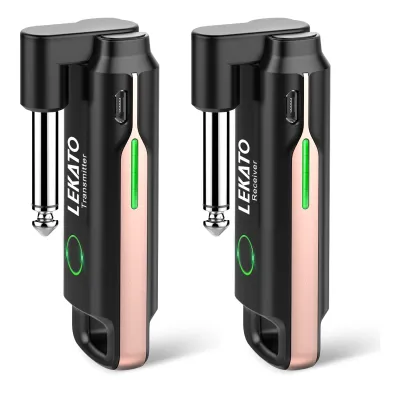
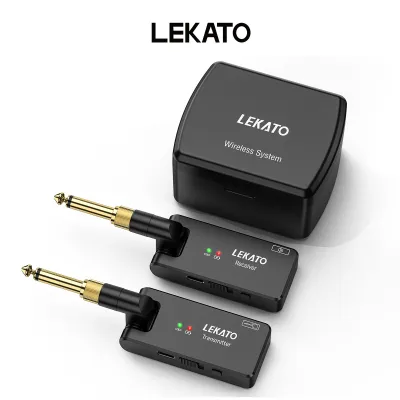
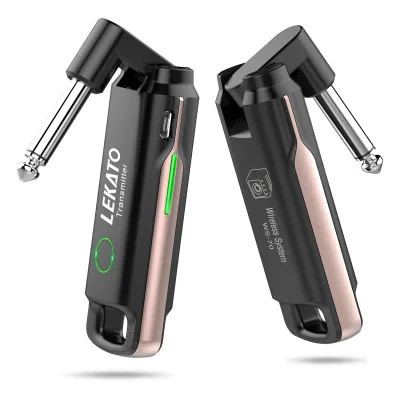



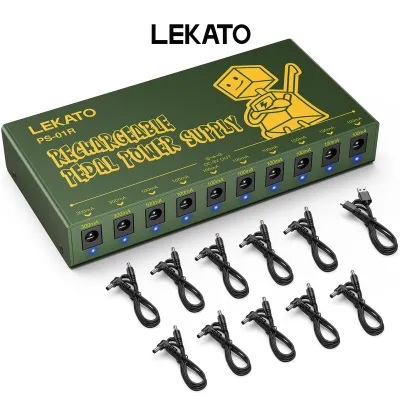
Prices are valid at publication and may change. Please refer to the product page for the latest price.
Secondary upgrades, such as capos, straps, and stands, can wait until you have mastered the absolute basics. A capo is essential once you begin playing along with songs in different keys, but it is not required for learning your first basic chords. Similarly, a strap is vital if you plan to play while standing, but most beginners start practicing while seated, making a strap a secondary purchase. By keeping your initial setup minimal, you avoid the cognitive overload of managing too many gadgets and can focus entirely on building finger strength and muscle memory.
It is also crucial to recognize that your choice of instrument dictates the physical specifications of the accessories you buy. A ukulele is a small, lightweight instrument with low-tension nylon strings, whereas an acoustic guitar is much larger, heavier, and typically uses high-tension steel strings. Consequently, accessories like capos and straps are not universally interchangeable. Purchasing a heavy-duty guitar accessory for a delicate ukulele can cause physical damage, while using an undersized ukulele accessory on a guitar will result in poor performance and frustration.
In tropical environments like the Philippines, where high humidity and temperature fluctuations are constant, instruments are subject to continuous physical shifting. Wood expands and contracts with moisture changes, which directly impacts string tension and tuning stability. This environmental factor makes having a dedicated, highly portable tuning device even more critical on day one, as your instrument will likely require tuning every single time you pick it up to play.
How to Choose the Right Lekato Tuner for Your Skill Level
Tuning is an active, ongoing part of playing any stringed instrument, and choosing the right style of tuner depends heavily on where and how you plan to practice. For beginners, the primary options are clip-on tuners, soundhole tuners, and pedal tuners. Each style serves a distinct purpose, but they offer varying levels of convenience, visibility, and portability for someone just starting out.

Clip-on tuners are widely considered the most practical choice for beginners. These devices attach directly to the headstock of your guitar or ukulele and detect pitch by measuring the physical vibrations of the wood rather than relying on an internal microphone. This vibration-sensing technology is highly advantageous because it allows you to tune accurately even in a noisy room, such as a busy household or a classroom. Soundhole tuners sit discreetly inside the acoustic soundhole, offering a hidden profile but less visibility during quick adjustments. Pedal tuners are highly durable and excellent for live performances, but they require instrument cables and an external power source, making them unnecessarily complex and expensive for a beginner practicing at home.
When selecting a Lekato clip-on tuner, you must verify the built-in instrument modes by carefully reading the product specifications or packaging labels. A versatile tuner should feature a chromatic mode alongside dedicated settings for guitar, bass, violin, and ukulele. Dedicated modes simplify the process for beginners by displaying the specific string number you are tuning, while chromatic mode detects any pitch, which is useful as you learn alternative tunings. Ensure the tuner you select explicitly supports the specific frequency range of your instrument.
Display readability and battery requirements are two practical factors that directly impact your daily practice. Look for a tuner with a bright, high-contrast color display that can rotate 360 degrees, allowing you to position it at an optimal viewing angle regardless of whether you are left-handed or right-handed. This is especially important when practicing outdoors or in brightly lit tropical rooms where glare can obscure a dim screen. Additionally, check whether the tuner uses a standard coin-cell battery (such as a CR2032) or features a built-in rechargeable battery via a USB port. Rechargeable models eliminate the ongoing cost of replacement batteries, which can save you significant money over time.
Matching the Lekato Capo to Your Instrument's Neck
A capo is a clamping device used to shorten the playable length of the strings, effectively raising the pitch of the instrument so you can play in different keys using familiar chord shapes. However, a capo is not a one-size-fits-all accessory. To avoid tuning instability or permanent structural damage to your instrument, you must match the capo to the specific width, curvature, and tension requirements of your instrument’s neck.
Acoustic guitars typically feature a curved fretboard (often referred to as having a radius) and require a capo with a matching curved rubber pad to apply even pressure across all six steel strings. The clamping tension must be relatively high to fully depress steel strings without causing them to buzz. In contrast, a ukulele has a completely flat fretboard, a much narrower neck, and delicate nylon strings that require far less clamping pressure. If you attempt to use a heavy-duty acoustic guitar capo on a ukulele, the excessive tension will pull the nylon strings severely out of tune and can easily dent the soft wood of the ukulele neck.
When browsing Lekato capos, you will encounter two primary mechanisms: trigger-style (spring-loaded) and screw-style (adjustable tension). Trigger-style capos are highly popular because they can be quickly squeezed and repositioned with one hand, making them incredibly convenient during practice sessions. However, they apply a fixed amount of spring tension that cannot be adjusted. Screw-style capos, on the other hand, allow you to fine-tune the exact amount of clamping pressure applied to the strings. While screw-style capos take slightly longer to adjust, they are highly recommended for delicate instruments because they allow you to apply the absolute minimum pressure required to get a clean sound, protecting both your strings and the wood.
Before making a purchase, inspect the protective padding on the capo. High-quality silicone or dense rubber padding is essential on all contact points—both where the capo presses the strings against the frets and where it rests against the back of the neck. This padding prevents metal-on-wood contact, safeguarding your instrument’s finish from scratches and deep indentations, which is particularly important for softer tonewoods commonly used in beginner instruments.
Selecting Lekato Picks, Straps, and Care Items
As you build your beginner kit, smaller accessories like picks, straps, and basic maintenance tools will play a significant role in your physical comfort and the longevity of your instrument. While these items may seem straightforward, making informed choices based on your specific instrument type will prevent discomfort and help you develop proper playing technique.
Picks, or plectrums, come in various thicknesses, shapes, and materials, each producing a different tone and tactile response. For beginner acoustic guitarists, thin to medium picks (ranging from 0.50mm to 0.73mm) are ideal for learning to strum smoothly, as they flex easily across steel strings. As you transition to flatpicking or single-note lines, a thicker pick (0.88mm or higher) provides better control and a fuller tone. For ukulele players, traditional plastic picks are generally avoided because they produce a harsh, clicking sound on nylon strings. Instead, look for felt or leather picks, which preserve the warm, mellow acoustic voice of the ukulele while protecting the delicate nylon strings from premature wear.
A strap is essential for maintaining proper playing posture, especially when transitioning from sitting to standing. When selecting a strap, consider the weight of your instrument. An acoustic guitar is relatively heavy and requires a wider strap (typically 2 to 3 inches) with adequate shoulder padding to distribute the weight evenly and prevent neck strain during long practice sessions. A ukulele, being incredibly light, only requires a narrow, unpadded strap. In fact, many ukuleles do not come with pre-installed strap buttons; if yours lacks them, you will need a specialized ukulele strap that clips gently onto the soundhole without requiring any drilling or hardware installation.
Finally, basic maintenance items are vital for protecting your instrument from environmental wear, particularly in humid tropical climates. A simple microfiber polishing cloth should be used to wipe down the strings and fretboard after every practice session to remove sweat, skin oils, and moisture, which accelerate string corrosion and wood degradation. While a string winder is not strictly necessary on day one, it makes the eventual process of changing strings much faster and less tedious. For players in highly humid regions, investing in small, passive humidity control packs to keep inside your instrument case can prevent the wood from warping, ensuring your guitar or ukulele remains playable for years to come.
Pre-Purchase Checklist for Online Orders
Before you finalize your order on any online marketplace or e-commerce platform, taking a few minutes to run through a pre-purchase checklist can save you from the hassle of returns, incompatible gear, or counterfeit products. Because accessories are often sold in bundles or look highly similar in product photos, careful verification is key to a successful purchase.
First, read the complete product description to verify exactly what is included in the package. Many beginner accessory kits bundle a capo, a tuner, and a handful of picks together at a competitive price. However, you must confirm that the specific items in the bundle match your instrument type. For example, ensure the bundled capo is explicitly rated for a curved acoustic guitar neck rather than a flat classical guitar or a ukulele. Additionally, check if the capo features convenient built-in extras, such as an integrated bridge pin puller or a slot to hold a spare pick.
Second, verify the seller’s authorization and return policies. When shopping on major e-commerce platforms, look for official brand stores or highly rated authorized dealers to ensure you are receiving genuine Lekato products. Counterfeit accessories often use inferior plastics, weak springs, or low-grade rubber padding that can degrade quickly or damage your instrument. Check the return policy to ensure you can easily exchange the item if it arrives with a manufacturing defect or if you accidentally ordered the wrong size.
Lastly, double-check the physical compatibility of the accessory with your specific instrument model. Measure your instrument’s nut width and neck profile if necessary, and compare these measurements against the dimensions provided in the product listing. This is particularly important for specialized instruments, such as travel guitars, 12-string guitars, or baritone ukuleles, which may have non-standard neck widths that require wider capos or specific tuner calibrations. Taking these precautions ensures that when your package arrives, you can immediately tune up, clip on, and start playing with confidence.
Frequently Asked Questions (FAQ)
Can I use the same Lekato clip-on tuner for both guitar and ukulele?
Yes, you can use the same Lekato clip-on tuner for both instruments, provided the tuner features a chromatic tuning mode or dedicated settings for both guitar and ukulele. When using the tuner, simply press the mode button to toggle to the correct setting. If you are using chromatic mode, the tuner will display the exact note played, which requires you to know the standard tuning pitches for your instrument (E-A-D-G-B-E for guitar and G-C-E-A for ukulele). Additionally, ensure the clip-on clamp is padded so it does not scratch the smaller, more delicate headstock of your ukulele, and check that the screen can be angled clearly on the smaller instrument body.
Will a standard acoustic guitar capo damage my ukulele?
Yes, using a standard acoustic guitar capo on a ukulele carries a high risk of damaging the instrument. Acoustic guitar capos are designed with heavy spring tension to depress thick steel strings, and they feature a curved profile to match a guitar’s radiused fretboard. A ukulele has a flat fretboard and soft nylon strings that require very little pressure. Applying a guitar capo will exert excessive force, pulling the nylon strings sharp and potentially crushing them against the frets. Furthermore, the high clamping pressure can leave permanent dents or cracks in the softer wood of a ukulele neck. Always use a dedicated ukulele capo designed specifically for flat fretboards and lower tension.
Community discussion
Share your experience or ask a question. Comments are reviewed before publication.