
To build a meaningful physical media collection of Fernando Poe Jr. (FPJ) films, a collector must prioritize his defining cinematic milestones: the legendary fantasy epic Ang Panday (1980) and its sequels, alongside his critically acclaimed social dramas like Asedillo (1971) and Batang Quiapo (1986). These films represent the peak of Philippine action cinema and serve as cultural archives of the nation’s storytelling heritage. Owning these titles on physical formats like DVD or Blu-ray ensures that the legacy of “Da King” remains preserved in its truest visual and auditory form, free from the volatility of digital streaming platforms.
Why Build a Physical Media Collection of FPJ Films
Fernando Poe Jr. remains an unparalleled titan in the history of Philippine cinema. Affectionately known as “Da King,” his career spanned more than four decades, during which he became the definitive voice of the Filipino everyman. His characters—often quiet, hardworking, and deeply principled individuals pushed to their limits by systemic injustice—resonated deeply with working-class audiences. For decades, a trip to the local cinema to watch an FPJ film was a communal ritual across the archipelago, shaping the cultural identity and moral framework of generations of Filipinos.
In an era dominated by digital convenience, the value of building a physical media collection of FPJ’s work cannot be overstated. While streaming services offer temporary access to vast libraries, their catalogs are notoriously unstable. Classic Filipino films frequently disappear from streaming platforms due to licensing expirations, corporate restructuring, or regional restrictions. For a dedicated collector in the Philippines, relying solely on digital access means risking the sudden loss of these cinematic treasures. Owning a physical DVD or Blu-ray guarantees permanent access to these films, ensuring they remain part of your household’s cultural library indefinitely.
Products mentioned in this guide
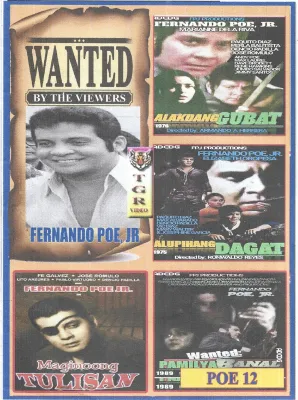
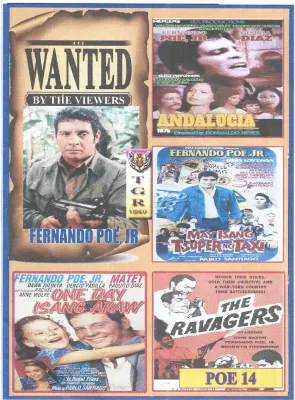
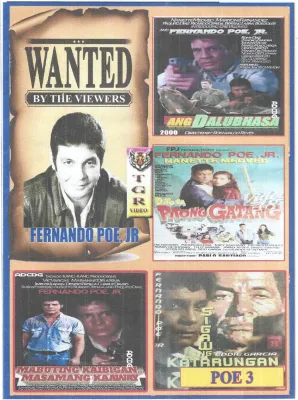
Prices are valid at publication and may change. Please refer to the product page for the latest price.
Furthermore, physical media provides a level of audio and video quality that streaming compression simply cannot match. Vintage films shot on 35mm celluloid require high bitrates to preserve their natural film grain, shadow detail, and color depth. Compressed streaming feeds often smooth out these details, resulting in a flat, digital appearance that strips the film of its original cinematic texture. For older local films that have suffered from decades of wear, a well-authored physical disc preserves the best surviving transfer of the film, presenting the work as close to the director’s original vision as possible.
Finally, collecting FPJ films on physical media is an act of active cultural preservation. The tropical climate of the Philippines, characterized by high humidity and intense heat, poses a severe threat to physical film archives. Over the years, many original camera negatives of classic films have been lost to decay, floods, or improper storage. By purchasing and preserving official physical releases, collectors help keep the demand for classic cinema alive. These physical discs serve as decentralized archives, ensuring that even if central repositories face challenges, the physical evidence of Philippine cinema’s golden eras remains safe on the shelves of passionate caretakers.
How We Selected the Essential FPJ Movies
Curating a definitive list of essential FPJ films for a physical media collection requires a balanced approach that goes beyond mere popularity. With a filmography spanning over a hundred titles, selecting the absolute cornerstones of his career involves evaluating each film across several critical dimensions. The primary criterion is cultural impact. We prioritized films that did not just succeed at the box office, but those that left an indelible mark on Philippine pop culture, spawning famous catchphrases, iconic imagery, and enduring archetypes that are still referenced in local media today.

Another key dimension is the representation of FPJ’s artistic range. While he is globally recognized as an action star, his capabilities extended far beyond choreographed gunfights and fistfights. He was a highly accomplished director, working under the pseudonym Ronwaldo Reyes, and a prolific producer who understood the technical nuances of filmmaking. Our selections highlight this versatility, balancing his legendary larger-than-life fantasy epics with gritty, realistic social dramas that offered profound commentary on the struggles of the marginalized. This ensures that a collector’s shelf represents the full spectrum of his contribution to cinematic art.
Lastly, we evaluated the availability and quality of the physical releases themselves. A film may be historically significant, but if its physical transfer is unwatchable or entirely out of print, it serves little practical value to a modern collector. Therefore, this selection prioritizes titles that have received dedicated digital restorations or high-quality physical transfers. These versions offer the best possible viewing experience on modern home theater systems, making them the most rewarding additions to a physical library. While the availability of specific print runs can fluctuate, these titles remain the foundational pieces that every serious collector should actively seek out.
Essential FPJ Movies for Your DVD and Blu-ray Shelf
The Panday Franchise and Fantasy Epics
No physical media collection of Philippine cinema is complete without the groundbreaking fantasy epic Ang Panday (1980). Directed by FPJ under his Ronwaldo Reyes moniker, the film adapted the popular comic strip created by Carlo J. Caparas and illustrated by Steve Gan. FPJ stars as Flavio, a humble blacksmith living in a village oppressed by the evil warlord Lizardo. When a meteor strikes the earth, Flavio uses the celestial metal to forge a magical dagger—the balaraw—which miraculously transforms into a powerful sword whenever danger arises.
The cultural footprint of Ang Panday is massive, establishing a legendary heroic archetype in the Philippine consciousness. The film’s success spawned three direct sequels, each raising the stakes and expanding the fantasy lore with creative practical special effects, memorable creature designs, and atmospheric cinematography. The iconic theme music, combined with the dramatic reveal of the balaraw extending into a sword, remains one of the most recognizable sequences in local film history. These movies showcase FPJ’s unique ability to blend traditional Filipino folklore with classic action-adventure tropes, creating a cinematic experience that appeals to viewers of all ages.
Collector’s Note: When searching for Ang Panday on physical media, collectors should look for restored multi-disc box sets or special anniversary editions. These premium releases often feature restored audio tracks that clean up the original optical sound hiss, as well as vintage promotional materials, theatrical trailers, and behind-the-scenes featurettes. Given the historical significance of the franchise, securing a high-quality physical copy of the original 1980 film is a top priority for any serious archivist of local cinema.
Gritty Action and Social Dramas
To fully appreciate FPJ’s depth as an artist, a collector must look beyond his fantasy roles and explore his gritty, socially conscious dramas. Chief among these is Asedillo (1971), directed by the legendary Celso Ad. Castillo. In this historical drama, FPJ delivers a powerful, understated performance as Teodoro Asedillo, a real-life schoolteacher in the 1930s who becomes a rebel leader after witnessing the relentless oppression of poor farmers by corrupt local authorities. The film eschews the typical invincible-hero tropes of standard action cinema, presenting a tragic, morally complex narrative about the cost of standing up against systemic injustice.
Another indispensable title is Batang Quiapo (1986), which FPJ directed and starred in alongside Maricel Soriano. Set against the chaotic, vibrant backdrop of Manila’s Quiapo district, the film follows Baldo, a reformed thief trying to walk a straight path despite the overwhelming pressures of his environment. The movie is a masterclass in urban action-drama, capturing the raw energy, humor, and daily struggles of the working class. FPJ’s direction shines in his realistic portrayal of the Quiapo streets, balancing intense, grounded action sequences with genuine emotional depth and social commentary on poverty and survival.
Collector’s Note: Physical releases of these dramatic masterpieces are highly sought after by cinephiles worldwide. When evaluating copies of Asedillo or Batang Quiapo, prioritize editions that preserve the original theatrical aspect ratios rather than cropped versions that cut off the sides of the frame to fit modern widescreen televisions. Look for releases that have undergone digital restoration, as these transfers significantly improve contrast and clarity, allowing you to appreciate the detailed cinematography and atmospheric lighting that defined these classic productions.
Crucial Checks Before Buying FPJ DVDs and Blu-rays
Navigating the market for classic Filipino physical media requires a discerning eye, as releases vary wildly in quality, compatibility, and authenticity. Before finalizing any purchase for your collection, there are several crucial checks you must perform to ensure you are getting a high-quality, legitimate product.
- Region Codes: One of the most common pitfalls for physical media collectors is regional compatibility. Historically, DVDs released in the Philippines are formatted for Region 3, while Blu-rays are typically Region A. However, many classic local titles were also printed in Region 1 (North America) to cater to the Filipino diaspora. Before buying, verify the region code on the back of the packaging and ensure it matches your playback equipment. If you plan to collect widely, investing in a high-quality region-free DVD or Blu-ray player is highly recommended to avoid compatibility issues.
- Restoration Status: Because many older Filipino films were stored in poor archival conditions before being digitized, early DVD releases often suffer from severe visual and audio degradation, sometimes looking no better than old VHS tapes. When browsing titles, look for official labels indicating "Digitally Restored," "Remastered," or logos of recognized film preservation initiatives. These restored editions feature corrected color grading, stabilized frames, and cleaned-up audio tracks, providing a vastly superior viewing experience that does justice to the original cinematography.
- Authenticity Markers: The market has historically been flooded with counterfeit and pirated physical media. To protect your collection and support the local film industry, always inspect the physical disc and packaging for authenticity markers. Genuine releases feature high-resolution, glossy cover art with clear, legible text on the spine and back cover. Official studio holographic stickers, professional disc face printing (rather than paper labels or plain ink-jet prints), and clear copyright notices from the authorized distribution studio are reliable indicators of an authentic product.
- Language and Subtitles: If you plan to share these classic films with younger family members, non-Filipino friends, or international guests, verifying the subtitle options is essential. While almost all FPJ films feature the original Tagalog/Filipino audio tracks, the inclusion of English subtitles varies significantly between different print runs and budget editions. Always check the technical specifications on the back cover to confirm that English subtitles are included and properly formatted.
Where to Find Authentic FPJ Physical Media in the Philippines
Finding legitimate physical copies of classic FPJ films in the Philippines requires targeting specific, verified distribution channels. While the traditional video rental stores of the past have disappeared, several reliable avenues remain for dedicated collectors seeking authentic DVDs and Blu-rays.
The most reliable starting point is the official online storefronts and flagship digital channels of the major local film studios and distribution companies that hold the rights to FPJ’s extensive library. Purchasing directly from these authorized sources ensures that you receive genuine, high-quality pressings while directly contributing to the funding of future film preservation projects.
For those who prefer the tactile experience of brick-and-mortar shopping, reputable physical bookstores and dedicated media retailers in major Philippine cities often maintain specialized sections for local cinema. Establishments like Fully Booked or specialized independent media shops frequently stock curated selections of classic Filipino films, including restored editions of historical dramas and iconic action titles.
When utilizing authorized online marketplaces, it is critical to exercise caution to avoid counterfeit goods. Always filter your searches to prioritize official flagship stores or highly rated specialty media sellers. Carefully examine buyer reviews, look for real-world photos of the product packaging, and verify that the seller offers an authenticity guarantee. Be highly skeptical of listings with suspiciously low prices—such as multi-disc collections priced under ₱200—as these are almost certainly unauthorized bootlegs that offer subpar audio and video quality.
Frequently Asked Questions (FAQ)
Are FPJ movies widely available on Blu-ray, or mostly on DVD?
The vast majority of Fernando Poe Jr.’s filmography is available primarily on DVD, which was the dominant physical format during the peak era of local home video releases. Because high-definition scanning and restoration of vintage 35mm film is an expensive, specialized process, only a select number of his most iconic titles have received full Blu-ray releases. Collectors should treat these rare Blu-ray editions as premium centerpieces for their shelves, while relying on high-quality, digitally restored DVDs to fill out the rest of their collection.
How can I support the preservation of FPJ films through my purchases?
The most effective way to support the preservation of classic Philippine cinema is to strictly purchase official, licensed physical media releases from authorized distributors. Legitimate sales generate revenue that directly funds local film archives and studio preservation departments. This financial support enables preservationists to continue the vital work of locating lost film elements, chemically stabilizing decaying celluloid, and executing high-resolution digital restorations, ensuring that the legendary works of FPJ survive for future generations of film lovers.

Community discussion
Share your experience or ask a question. Comments are reviewed before publication.