
Learning to play the drums is an exciting journey, but stepping behind a drum kit for the first time can feel overwhelming. A standard acoustic drumset is not just a single instrument; it is a carefully coordinated collection of shells, cymbals, and mechanical hardware working together. For beginners in the Philippines, understanding these individual drumset parts is the first step toward mastering the instrument, setting up your practice space, and making smart purchasing decisions.
Environmental factors also play a role in how you manage your gear. The high humidity and tropical temperatures across the country can affect wooden drum shells and metal hardware over time. By familiarizing yourself with the anatomy of your kit, you can protect your investment, perform basic maintenance, and confidently communicate with local music shops when it is time to replace or upgrade your gear.
The Core Shells: Understanding Your Main Drums
The cylindrical wooden bodies of the drums are known as shells. These shells act as acoustic chambers that project the sound when the drumhead is struck. In a standard five-piece drumset, different shells produce distinct pitches and serve specific musical roles to establish a steady groove.
Products mentioned in this guide
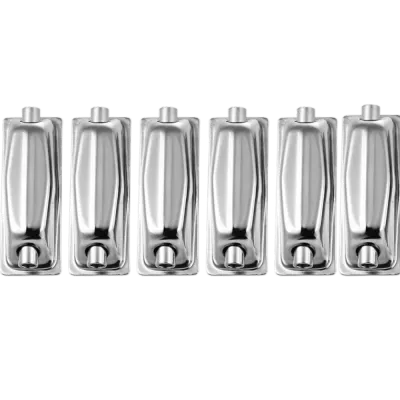
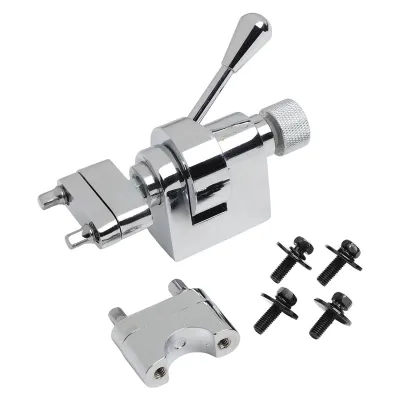
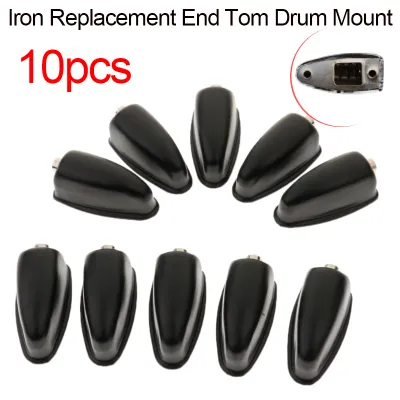
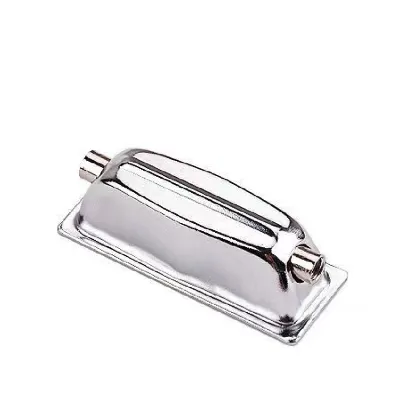
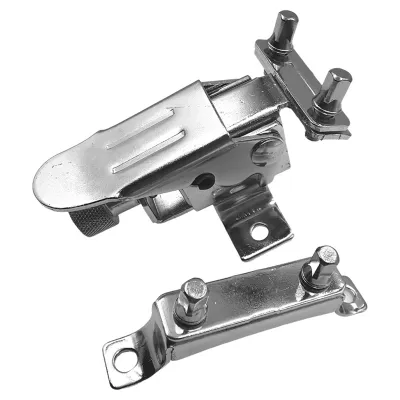
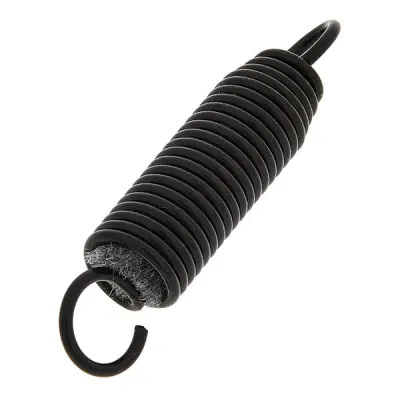
Prices are valid at publication and may change. Please refer to the product page for the latest price.
The snare drum is the absolute center of your kit, positioned directly between your knees. It features a set of coiled metal wires, called snare wires, stretched tightly across the bottom drumhead. When you strike the top head, these wires vibrate against the bottom head, producing a sharp, bright, and crisp “crack” sound. This sound acts as the primary backbeat in almost all genres of modern music, defining the rhythm on beats two and four.
The bass drum, also known as the kick drum, is the largest shell in the kit and rests horizontally on the floor. Played using a foot pedal, it produces a deep, low-pitched thud that provides the foundational pulse of a song. The bass drum coordinates closely with the bass guitar to lock in the rhythmic pocket, driving the tempo forward.
Toms, which include both rack toms and floor toms, are used primarily for drum fills, solo transitions, and adding melodic textures to your patterns. Rack toms are smaller, higher-pitched drums that are mounted on top of the bass drum or on adjacent stands. Floor toms are larger, deeper-sounding drums that stand on their own three legs to the right side of a right-handed drummer, delivering a booming resonance.
The wood species used to construct these shells heavily influences their overall tone, warmth, and volume projection. Entry-level drumsets often utilize poplar or basswood, which are lightweight and cost-effective woods that deliver a balanced sound. Intermediate and professional kits frequently feature birch or maple shells, which offer enhanced projection and richer low-end frequencies. In humid climates, ensuring the wood is properly sealed is essential to prevent warping.
Cymbals: Adding Texture, Accents, and Timekeeping
Cymbals provide the metallic contrast, high-frequency energy, and bright accents that complement the deep, warm tones of the wooden drum shells. A standard beginner cymbal setup focuses on three essential types, each serving a unique musical purpose.

Hi-hats consist of two matching cymbals mounted face-to-face on a specialized stand controlled by a foot pedal. The hi-hats are the primary timekeeping element of your kit. Pressing the pedal tightly together produces a crisp, closed “chick” sound, while releasing the pedal allows the cymbals to clash loosely, creating a loud, sloshing sound. This versatility allows you to add dynamic expression to your basic rhythms.
The crash cymbal is designed to produce a loud, explosive sound with a relatively fast decay. It is struck with the shoulder of the drumstick to mark the beginning of a musical section, highlight a transition, or inject raw energy into a chorus. Beginners typically start with a single 16-inch crash cymbal, which offers an excellent balance of volume, pitch, and responsiveness for home practice.
The ride cymbal is larger and thicker than a crash, typically measuring 20 inches in diameter. Played with the tip of the drumstick on the main body or the raised center bell, it produces a clear, sustained “ping” sound with a subtle background wash. Drummers use the ride cymbal to play steady, continuous patterns, particularly during choruses, instrumental solos, or jazz swing sequences.
When choosing cymbals, their size and weight play a critical role in how they sound and respond. Thinner cymbals respond quickly with a lower pitch and are easier to activate at lower volumes, making them ideal for small practice rooms. Heavier cymbals are louder, project further, and offer a brighter tone, which helps them cut through loud band rehearsals but requires more physical force to play.
Hardware and Pedals: The Framework of Your Kit
Hardware refers to the metal stands, mounting arms, and mechanical pedals that hold your drums and cymbals securely in place. Sturdy hardware is crucial for keeping your kit stable and preventing your gear from shifting while you play.
Stands and mounts include cymbal stands, snare stands, and tom mounting arms. When shopping for hardware, look for double-braced legs, which feature two metal support strips on each leg rather than one. Double-braced stands provide the necessary weight and stability to prevent your gear from wobbling or tipping over during energetic practice sessions.
The bass drum pedal is the mechanical link that translates your foot movement into a physical strike on the kick drum. While double-bass pedals are popular in metal and hard rock, beginners should start with a reliable single pedal. A single pedal allows you to master fundamental foot control, ankle technique, and timing before introducing complex double-kick patterns.
The hi-hat stand features an internal pull-rod mechanism connected to a foot pedal. Stepping on the pedal pulls the top hi-hat cymbal down against the bottom one. A smooth, responsive spring tension system is key to executing clean open-and-closed hi-hat techniques with precision.
Often overlooked, the drum throne is the stool you sit on. A high-quality, adjustable throne is critical for maintaining correct posture, protecting your lower back, and ensuring proper balance while your feet operate the pedals. Avoid using standard household chairs, as they do not provide the necessary height adjustment or stability required for drumming.
Drumheads and Sticks: Consumables You Will Eventually Replace
Some drumset parts are consumables, meaning they wear out over time and require periodic replacement to maintain good sound quality and playability.
Each drum has two heads: the batter head (the top surface you strike) and the resonant head (the bottom surface that vibrates to project the sound). Beginners should start with standard single-ply heads, which are highly responsive and easy to tune. Coated heads offer a warmer, more controlled sound with fewer overtones, while clear heads provide a brighter tone with more attack.
Drumsticks come in various sizes denoted by numbers and letters, with 5A being the universal standard for beginners. This size offers a medium weight and thickness that works well across almost all musical genres. For stick tips, wood tips deliver a warm, natural sound on cymbals, while nylon tips produce a brighter, highly defined “ping” and offer slightly better durability.
Before purchasing replacement drumheads, always measure the outer diameter of your drum shells from edge to edge. A standard beginner kit might feature a 14-inch snare, 10-inch and 12-inch rack toms, and a 16-inch floor tom, but physical verification is necessary to avoid ordering the wrong size.
Building or Upgrading: What to Prioritize First
Navigating the purchase of your first drumset or planning your first upgrade can be challenging, especially when balancing costs.
When browsing online marketplaces or local music stores in the Philippines, you will encounter “shell packs” and “complete kits.” A shell pack includes only the drum shells, requiring you to purchase cymbals, stands, pedals, and a throne separately. Beginners should look for complete drum kits, which bundle all these essential components together in one package, often saving you money.
The stock cymbals included with budget beginner kits are typically made of cheap brass alloys and can sound harsh or tinny. If you want to make your entry-level kit sound significantly better, upgrading to high-quality bronze cymbals is the single most impactful investment you can make.
Before buying individual replacement parts or upgrading your hardware, verify the compatibility of your mounts. Ensure that tom arms match the diameter of the brackets on your shells, and check whether your bass drum pedal uses a chain drive or a belt drive to match your preferred physical response.
Frequently Asked Questions (FAQ)
Do I need to buy all cymbals at once?
No, you do not need a complete cymbal setup to start learning. Beginning with just a pair of hi-hats and a single crash cymbal is perfectly fine for practicing basic rudiments and standard rock beats, allowing you to add a ride cymbal later as your skills and budget grow.
What size drumheads fit a standard beginner kit?
Drumhead sizes correspond directly to the outer diameter of the drum shell. Standard entry-level kits typically feature a 14-inch snare drum, 10-inch and 12-inch rack toms, and a 16-inch floor tom. Always measure straight across the center of the drum hoop before buying replacements to ensure a perfect fit.
Community discussion
Share your experience or ask a question. Comments are reviewed before publication.