
Starting your journey as a drummer is an exciting milestone, but walking into a music store or browsing an online marketplace can quickly become overwhelming. The sheer volume of shiny hardware, specialized dampening tools, and various stick models can make it seem like you need a massive budget just to play your first beat. Fortunately, the reality is much simpler. A beginner only needs a few fundamental accessories to build proper technique, protect their physical health, and practice effectively. Focusing on these essentials allows you to develop your skills without draining your wallet on unnecessary gear.
Assessing Your Practice Needs Before Buying
Before purchasing any accessories, you must evaluate your specific playing environment and daily situation. Noise is often the single greatest challenge for new drummers. In densely populated residential areas, where houses are close together and open windows are common to catch a breeze, the loud volume of an acoustic drumset can quickly lead to neighbor complaints. If you live in an apartment or a shared household, your accessory priorities will lean heavily toward noise reduction, such as practice pads or mesh heads, rather than performance-oriented gear.
Your physical space also dictates what you can use. A full acoustic drumset requires a dedicated area, whereas a compact electronic kit or a simple practice pad setup fits into a small bedroom corner, preventing you from buying bulky hardware that you cannot comfortably store.
Products mentioned in this guide
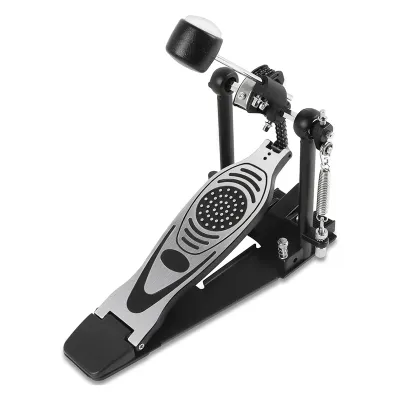
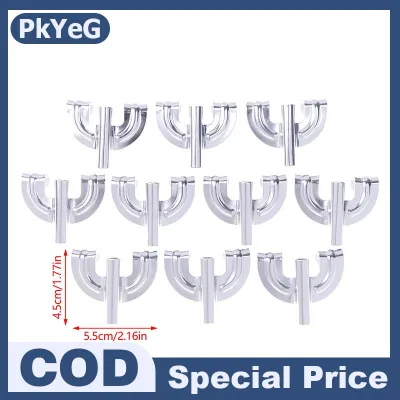
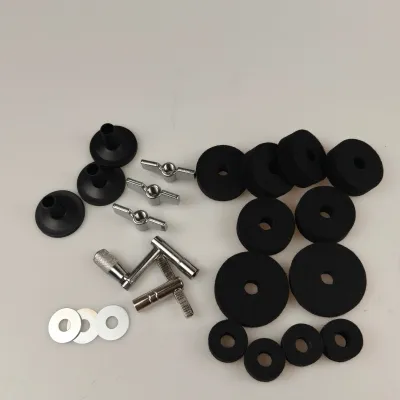
Prices are valid at publication and may change. Please refer to the product page for the latest price.
Additionally, defining your initial learning goals helps separate immediate needs from future desires. If your primary goal for the first few months is simply to master basic rudiments and hand coordination, a single practice pad and a pair of sticks are all you need. You do not need to purchase a complete set of hardware or replacement drumheads until you transition to a full kit.
Finally, establishing a clear budget boundary is essential. Setting a realistic limit, such as ₱1,500 to ₱4,000 for your initial accessory bundle, keeps your spending focused on quality essentials. This financial boundary prevents you from falling into the trap of buying low-quality, multi-piece accessory packs that wear out quickly, allowing you instead to invest in durable, single items that support your learning journey safely.
The Non-Negotiable Accessories Every Beginner Needs
When you are ready to purchase, four core accessories stand out as absolutely non-negotiable. These tools directly impact your physical safety, posture, and foundational rhythm development.

The first tool is a reliable pair of drumsticks. For beginners, selecting the right stick size is crucial for developing proper hand technique. Check packaging labels for standard size designations like 5A or 7A. A 5A stick is the standard starting point because its medium weight and balanced length suit almost any musical style. If you have smaller hands, look for a 7A label. Avoid heavy marching sticks or extremely thin jazz sticks initially, as they can hinder control and strain your wrists.
Hearing protection is the most critical safety accessory you will buy. Acoustic drums produce sound levels that can cause permanent auditory damage over time. Never practice on an acoustic kit without dedicated earplugs or high-noise-reduction earmuffs. Standard consumer earbuds do not block enough external sound and can encourage you to turn up your music to dangerous volumes just to hear it over the drums.
A proper drum throne is another essential beginners frequently overlook, often substituting a household chair. A dedicated drum throne provides a stable, height-adjustable seat designed to support your lower back and pelvis. Proper seat height allows your thighs to slope slightly downward, which is critical for maintaining physical balance and preventing lower back strain. Non-adjustable chairs can lead to poor posture habits that cause physical discomfort.
Lastly, a metronome is your primary tool for building foundational timing. You do not need to buy an expensive physical device; many free, verified metronome applications are available for smartphones. The key is using a tool that provides a clear, adjustable tempo pulse. Practicing with a metronome teaches you to maintain a steady beat, preventing the common beginner tendency to speed up or slow down.
Adapting Your Gear to Your Practice Environment
Once you have the absolute essentials, you must adapt your setup to your physical surroundings. If you are practicing in a typical home environment, managing noise and vibration is key to sustaining long-term practice sessions.
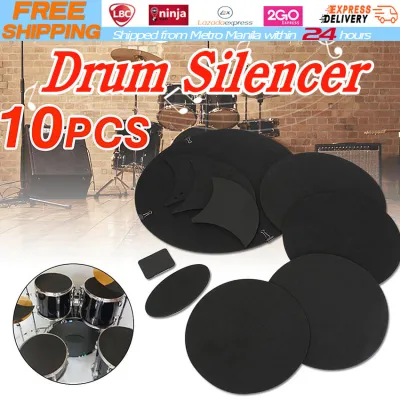
For those living in close quarters, practice pads and silent mesh heads are invaluable. A high-quality practice pad features a rubber surface that mimics the rebound of a real drumhead while producing only a fraction of the volume. If you already own an acoustic kit but need to keep the noise down, replacing standard drumheads with silent mesh heads allows you to practice the same physical movements at a whisper-quiet level.
If you are using a kick drum pedal, you must check its basic compatibility with your setup. Ensure the pedal clamp securely attaches to the rim of your acoustic bass drum or the trigger pad of your electronic kit. Additionally, verify the beater type; felt beaters are standard for acoustic drums, but plastic or tennis-ball-style beaters are often preferred for electronic mesh pads to prevent premature wear on the delicate mesh material.
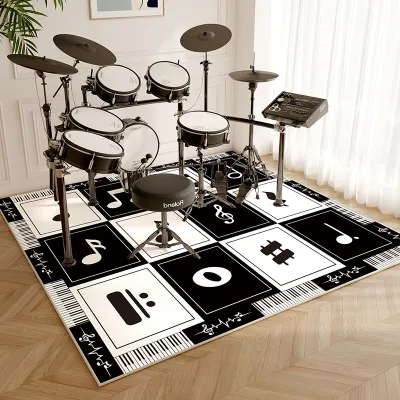
Another critical but often forgotten accessory is a dedicated drum rug or mat. Drum hardware has a natural tendency to slide forward—a phenomenon known as “creep”—especially when placed on slick tile, polished wood, or smooth concrete floors common in tropical climates. A durable, non-slip rug keeps your bass drum and stands firmly anchored in place. It also protects your home’s flooring from scratches caused by metal spurs and heavy hardware stands.
Common Accessory Traps Beginners Should Avoid
As a beginner, it is easy to get swept up in marketing campaigns suggesting that more gear equals faster progress. Avoiding common accessory traps will save you money and keep your practice focused.
One of the biggest traps is buying excessive cymbals and effects. A massive array of crashes, splashes, and china cymbals looks impressive, but it distracts from learning the basics. For your first year of playing, a simple setup consisting of a pair of hi-hats, a single crash, and a ride cymbal is more than sufficient. Mastering the tonal variations you can produce from just these three components is far more valuable than hitting a dozen different cymbals at random.
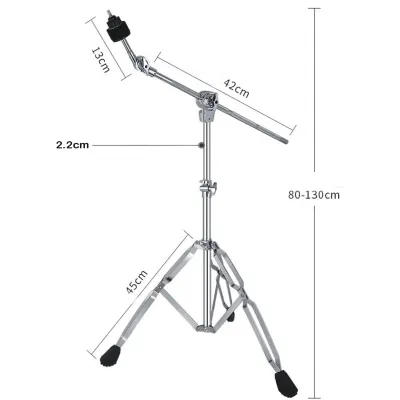
Similarly, avoid heavy-duty, double-braced hardware unless you are a touring professional. While double-braced stands are incredibly sturdy, they are also heavy, expensive, and unnecessary for home practice. Standard, single-braced hardware is perfectly adequate for beginner setups, easier to transport, and significantly more affordable.
You should also steer clear of specialty sticks, brushes, and mallets in the beginning. While it might be tempting to buy cool-looking hot rods, wire brushes, or felt mallets, these tools require specific techniques that can confuse a beginner. Stick to standard wood-tip sticks until you have mastered basic grip, rebound control, and stroke consistency.
Planning Your Future Accessory Upgrades
As your skills progress, your accessory needs will naturally evolve. However, upgrades should be planned logically rather than impulsively.
Establish a simple checklist to evaluate when an upgrade is genuinely necessary. Ask yourself if your current gear is physically limiting your progress or causing discomfort. For example, if your budget drum throne is causing back pain after thirty minutes of practice, upgrading to a high-quality, ergonomic throne is a smart, health-focused decision. On the other hand, upgrading a perfectly functional cymbal stand just for a different brand logo offers no practical benefit.
Always prioritize ergonomic and safety upgrades over cosmetic or purely tonal additions. Protecting your body and improving your physical comfort will always yield better playing results than buying a new color of drum wrap or a slightly different-sounding effect cymbal.
When you do decide to purchase new gear, always verify the product specifications, warranty terms, and return policies. This is especially important when buying from online music retailers or local shops. Ensure the accessory is fully compatible with your existing hardware dimensions, and check customer return policies so you can easily exchange the item if it does not fit your setup.
Frequently Asked Questions (FAQ)
Do beginners need a specific brand of drumsticks?
No, beginners do not need to focus on premium brands when starting out. Standard sizing, weight consistency, and structural integrity are far more important than the logo printed on the wood. When purchasing sticks, physically inspect them for straightness by rolling them on a flat surface; if they wobble or warp, choose another pair. Also, check for visible grain defects or cracks in the wood before buying.
Can regular headphones replace a metronome?
Regular headphones cannot replace a metronome because they are simply audio playback devices, not timing generators. However, they are an excellent complementary tool. You can wear headphones to listen to a metronome app running on your phone or to play along with backing tracks. When practicing, ensure your headphones offer decent passive noise isolation so you do not have to raise the volume to unsafe levels to hear the click over your drumming.
Community discussion
Share your experience or ask a question. Comments are reviewed before publication.