
Preparing for a CORTIS concert requires more than just securing your entry ticket; it involves gathering the essential gear that connects you to the performance and the wider fan community. The must-have items for any attendee include the official synchronized lightstick, high-visibility hand banners or slogans, and specialized collaborative items from the poyoyoi merchandise line. Having these items ready ensures you can fully participate in crowd fan projects and synchronized light displays that define the modern concert experience.
To make the most of the event, fans must prioritize authentic, high-quality items that comply with local venue regulations and can withstand the demanding environment of a live show. In tropical climates like the Philippines, where high humidity and warm queueing areas are common, choosing the right materials and maintaining your gear properly is just as important as finding the items themselves. This comprehensive guide outlines the essential categories of CORTIS and poyoyoi merchandise, provides clear selection criteria, and details the verification steps needed to ensure your gear is genuine and fully functional.
By understanding what to buy and how to verify your purchases, you can avoid the disappointment of counterfeit goods or malfunctioning equipment on the night of the show. Whether you are a seasoned concertgoer or attending your very first live event, taking the time to prepare your gear beforehand allows you to focus entirely on enjoying the music and creating lasting memories with fellow fans.
Products mentioned in this guide
![CORTIS - [ COLOR OUTSIDE THE LINES ] Weverse Albums ver](https://img.lazcdn.com/g/ff/kf/S84a15d0ab7eb463ebb762d4e3ba29211Y.jpg_400x400q80.jpg_.webp)
![CORTIS - [ COLOR OUTSIDE THE LINES ] Photobook ver](https://img.lazcdn.com/g/ff/kf/S8d53292dad144bdf8ee82f5470c9c898K.jpg_400x400q80.jpg_.webp)
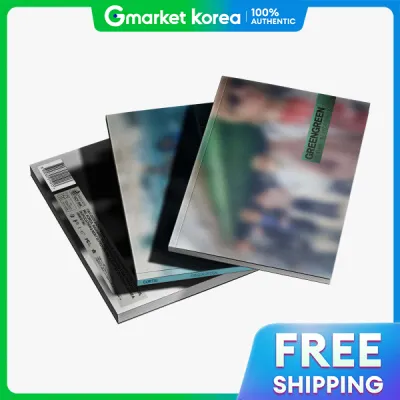
![CORTIS - The 2nd EP [ GREENGREEN ] Vinyl verCORTIS - The 2nd EP [ GREENGREEN ] Vinyl ver](https://img.lazcdn.com/g/ff/kf/S74e7bee97cf84c6f8e2219f732ce235em.jpg_400x400q80.jpg_.webp)
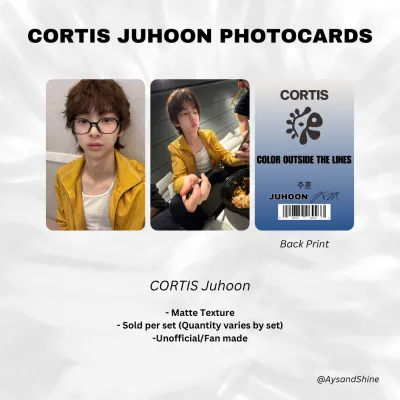
![[COD] SHPYHT TOY CORTIS Abstract Doll Full Skeleton Mouse Dry MARTIN JAMES JUHOON SEONGHYEON Action Figure Can Be Posed Collectible Model Gift](https://img.lazcdn.com/g/p/efea0e6dbf816e955aa3ab436fd8c920.jpg_400x400q80.jpg_.webp)
![[FANMADE] Cortis Film Strip 2 pcs. Concert Freebie Keonho Juhoon Martin James Seonghyeon](https://img.lazcdn.com/g/p/f12ffb1eba46b3e570c56f744f6340b4.png_400x400q80.png_.webp)

Prices are valid at publication and may change. Please refer to the product page for the latest price.
Understanding CORTIS and Poyoyoi Merch Categories
Navigating the landscape of concert merchandise requires a clear understanding of the different types of items available and their specific roles during the event. Official CORTIS merchandise generally consists of core group-branded items designed for long-term use across multiple tours. These items include the official lightstick, standard apparel like t-shirts and hoodies, and collectible stationery such as photocard binders and postcard sets. These products carry the official group logos and are designed to establish a unified visual identity among the audience.
In contrast, poyoyoi merchandise represents specialized, collaborative, or character-driven lines associated with the group. These items often feature mascot designs, playful illustrations, or member-specific concepts that offer a more personalized way to show support. Popular poyoyoi items include plush keyrings, character-themed acrylic stands, decorative lightstick cap accessories, and custom pouches. Understanding this distinction helps you balance your collection between essential concert-utility gear and highly collectible, character-focused memorabilia.
Concert essentials can be broadly categorized into participation tools, apparel, and collectibles. Participation tools, such as lightsticks and hand banners, are active elements used during the performance to interact with the artists. Apparel allows fans to display their affiliation clearly while staying comfortable during long hours of standing and waiting. Collectibles, such as exclusive photocard sets and event-specific keychains, serve as physical mementos of the specific tour date and are highly sought after for trading within the community.
Tour-specific releases and venue-exclusive items add an element of exclusivity to the merchandise lineup. These limited-edition drops are often designed around the specific theme or concept of the current concert tour and may only be available for purchase at the venue booths or during a brief online pre-order window. Items like city-specific t-shirts, dated slogan banners, and limited-run accessory charms are common examples of venue-exclusive goods that fans prioritize.
To stay informed about these releases, it is crucial to monitor official announcements from authorized organizers and the group’s official social media channels. These updates typically include detailed merchandise catalogs, pricing in local currency such as Philippine Pesos (₱), purchase limits per person, and specific booth operating hours. Keeping a close eye on these official schedules helps you plan your budget and arrival time, ensuring you do not miss out on high-demand, limited-edition items.
How to Choose the Right Official Lightstick
The official lightstick is the single most important piece of gear for any CORTIS concert attendee, serving as the primary medium for crowd interaction. Modern concerts utilize central wireless control systems to synchronize the entire audience’s lightsticks, creating stunning visual patterns that move in time with the music. To participate in these synchronized displays, you must ensure you are using the correct, officially supported model version designated for the current tour.

When choosing a lightstick, always verify the model version against the official tour guidelines. Older iterations of the lightstick may look similar at a glance but often lack the updated internal hardware, such as Bluetooth 5.0 or specific wireless receivers, required to connect with the venue’s central control system. Using an outdated or incompatible version means your lightstick will not sync with the rest of the crowd, leaving you with a static color while the surrounding seats display dynamic, multi-colored patterns.
Before finalizing your purchase, perform a series of physical and functional checks on the device. Inspect the battery compartment carefully; the contacts should be clean, shiny, and free of any rust or white powdery residue from battery leakage. Check the threading on the battery cap to ensure it screws on securely without slipping, as a loose cap can cause the batteries to lose contact during vigorous waving. Additionally, test the physical power button to ensure it clicks cleanly and cycles through the manual color modes without sticking.
Compatibility with the official mobile application is another critical verification step. Most modern lightsticks require you to pair the device with a dedicated smartphone app to register your specific seat number before the concert starts. Download the official app from an authorized app store and attempt to connect your lightstick via Bluetooth. A genuine lightstick should pair quickly, allow you to control the colors manually through the app interface, and successfully receive firmware updates when prompted.
Finally, verify that the lightstick package includes all standard official accessories. A complete, authentic box should contain the lightstick itself, a dedicated wrist strap to prevent accidental drops, a comprehensive user manual printed on high-quality paper, and the original protective packaging. The presence of these accessories, along with intact security seals, is a strong indicator of a genuine product that has been handled and stored correctly by authorized distributors.
Selecting Hand Banners and Slogans for the Concert
Hand banners, often referred to as slogans, are highly popular tools for expressing direct support and messages of encouragement to the artists on stage. These banners are typically made of high-quality fabric, such as microfiber or suede, or durable laminated paper. When selecting a banner, it is important to understand the difference between official tour merchandise and fan-made (fansite) banners, as both serve different purposes within the concert ecosystem.
Official tour slogans are designed by the group’s creative team, featuring official branding, high-resolution imagery, and durable materials. These are sold directly through official channels and are guaranteed to comply with all venue regulations. Fan-made banners, on the other hand, are produced by independent fan clubs or individual fansites. While these often feature creative, personalized designs and unique slogans, they do not carry official endorsement and must be carefully checked against venue rules before you bring them to the gate.
Venue regulations regarding banner dimensions and materials are strictly enforced to ensure safety and comfort for all attendees. Most major indoor arenas in the Philippines enforce size limits, typically restricting banners to dimensions no larger than an A3 sheet of paper or specific measurements like 45 centimeters by 15 centimeters. Banners that exceed these dimensions are likely to be confiscated at the security check, as they can easily obstruct the view of fans sitting behind you.
Material choices are equally important when selecting or designing a banner. Many venues prohibit the use of highly reflective materials, glitter, or battery-operated LED lights on hand banners, as these can distract the performers on stage or interfere with the professional cameras recording the event. Opt for soft, non-reflective fabric banners that can be easily folded and stored, or matte-finished paper slogans that do not catch the glare of the intense stage lighting.
Additionally, always consult the official fan club guidelines regarding approved slogans and fan projects. Organized fan clubs often coordinate with the concert promoters to execute specific “slogan events,” where the entire audience raises a specific banner at a designated moment during the show. Participating in these projects requires you to use the approved slogan design and follow the instructions carefully, ensuring a unified and impactful surprise for the artists.
Verifying Authenticity and Official Retail Channels
The popularity of CORTIS and poyoyoi merchandise has led to an increase in counterfeit products in the market, making thorough verification essential. Counterfeit lightsticks and accessories are often made with substandard materials, lack the necessary wireless components to sync at the venue, and can even pose safety risks due to poor electrical wiring. Knowing how to spot red flags in online listings is your first line of defense against purchasing fake goods.
One of the most common red flags is an unusually low price. If a listing on an online marketplace offers a CORTIS lightstick for a fraction of its standard retail price—which typically ranges from ₱2,500 to ₱4,000 depending on the model and import fees—it is highly likely to be a counterfeit. Other warning signs include blurred or low-resolution product photos, missing holographic security stickers on the packaging, and vague descriptions that avoid using terms like “official” or “genuine.”
To guarantee authenticity, always prioritize purchasing from official brand stores, authorized physical retailers, and verified concert venue booths. When buying online, look for official flagship stores or recognized local distributors who are explicitly authorized by the group’s management or the concert promoters. Purchasing directly from the venue’s official merchandise booths on the day of the concert is the safest option, though it often requires waiting in long queues and carries the risk of items selling out.
When inspecting a product in hand, cross-reference the physical details and packaging designs with official social media announcements and product images. Genuine merchandise features crisp, high-quality printing with accurate color matching, clear logos, and proper spelling of all text. Look for specific manufacturer details, copyright notices, and official licensing labels printed on the back or bottom of the packaging, as counterfeiters often omit or misspell these small details.
If you must purchase from a third-party seller or a fellow fan through online communities, always request clear, close-up photos of the holographic security sticker, the battery compartment, and the printed text on the packaging. Ask for proof of purchase, such as an original receipt or order confirmation from an authorized retailer. Verifying these details before transferring any funds helps protect your investment and ensures you receive a product that will function perfectly at the venue.
Preparing Your Concert Gear: Compatibility and Care
Once you have acquired your official CORTIS and poyoyoi merchandise, proper preparation and maintenance are key to ensuring everything functions flawlessly on the day of the event. A malfunctioning lightstick or a damaged banner can quickly put a damper on your concert experience. Establishing a pre-concert testing routine helps you identify and resolve any technical issues well before you head to the venue.
Begin your preparation by installing fresh, high-quality alkaline batteries into your lightstick. Avoid using cheap, generic batteries or mixing old and new batteries, as this can lead to inconsistent power delivery, dim lighting, or sudden failure during the show. Always carry a spare set of brand-new batteries in your bag on the day of the concert. Additionally, connect your lightstick to the official mobile app to ensure the firmware is fully updated, as outdated software can prevent the device from pairing with the venue’s wireless control system.
In the warm and humid climate of the Philippines, protecting your merchandise from environmental damage is a crucial consideration. High humidity can cause paper slogans to warp or stick together, and sweat can easily ruin delicate fabric banners or collectible photocards. Store your paper items in protective plastic sleeves or rigid toploaders, and keep your fabric banners folded neatly inside a waterproof plastic zip bag until you enter the air-conditioned venue.
Proper transport of your gear is equally important to prevent physical damage during transit. Use a dedicated, padded lightstick pouch or a sturdy bag to protect the delicate plastic globe of your lightstick from scratches or cracks. Avoid packing heavy items on top of your merchandise, and keep acrylic stands or keyrings wrapped in soft cloth or bubble wrap to prevent them from scratching against each other while you are on the move.
If you discover that a product purchased from an official channel is defective, act quickly to address the issue. Review the return and exchange policies of the authorized seller immediately, as many have strict time limits for reporting defects. Keep your original receipt, the complete packaging, and record a continuous, unedited unboxing video as proof of the defect when contacting official customer support. Having this documentation ready significantly speeds up the replacement process, ensuring you have working gear in time for the show.
Frequently Asked Questions (FAQ)
Can I use a previous version of the CORTIS lightstick at the new concert?
While older versions of the CORTIS lightstick may still turn on and cycle through manual colors, they often cannot connect to the venue’s central Bluetooth control system used for synchronized crowd light shows. Concert promoters design the wireless synchronization protocols around the hardware of the latest official model. To confirm if an older model is supported, always check the specific tour FAQ or merchandise announcements released by the event organizers before the concert date.
Are poyoyoi merch items considered official CORTIS merchandise?
Poyoyoi merchandise can include both officially licensed collaborative items and independent, fan-made creations. To determine if a specific poyoyoi item is official, check the product packaging for official licensing labels, copyright notices, and authorized distributor branding. Officially licensed poyoyoi items are produced in partnership with the group’s management, whereas fan-made items are designed by independent creators and do not carry official endorsement, though they remain popular within the fan community.
What should I do if my lightstick stops working during the concert?
If your lightstick stops working during the show, first try replacing the batteries with a fresh set of high-quality alkaline batteries, ensuring they are inserted in the correct orientation. If the device still fails to light up or sync, check the battery contacts for any loose connections. For items purchased directly at the venue on the day of the event, you can visit the official merchandise help desk or customer service booth, where staff may be able to assist with basic troubleshooting or offer a replacement if the item is deemed defective.
Community discussion
Share your experience or ask a question. Comments are reviewed before publication.